The 1983 Lincoln Continental Concept 100 had a dash-mounted touchscreen, satellite navigation and voice control. Those features sound normal now, but this car showed them in 1983. That’s a habit with Lincoln. Again and again, the brand has built cars that showed people what the road ahead might look like.
Lincoln is usually remembered for big, quiet luxury cars. However, the company also took real styling and technology risks, from hand-built prewar Continentals to concept cars with glass roofs and twin-turbo engines. Some of those ideas reached showrooms right away. Others took years, and a few never got there at all.
These 11 are our picks for Lincolns that looked like the future when they were new. That verdict is our opinion. The dates, engines and figures come from Lincoln club records, period magazine histories and model records, so you can see why each one stood out in its day.
1. 1941 Lincoln Continental Cabriolet
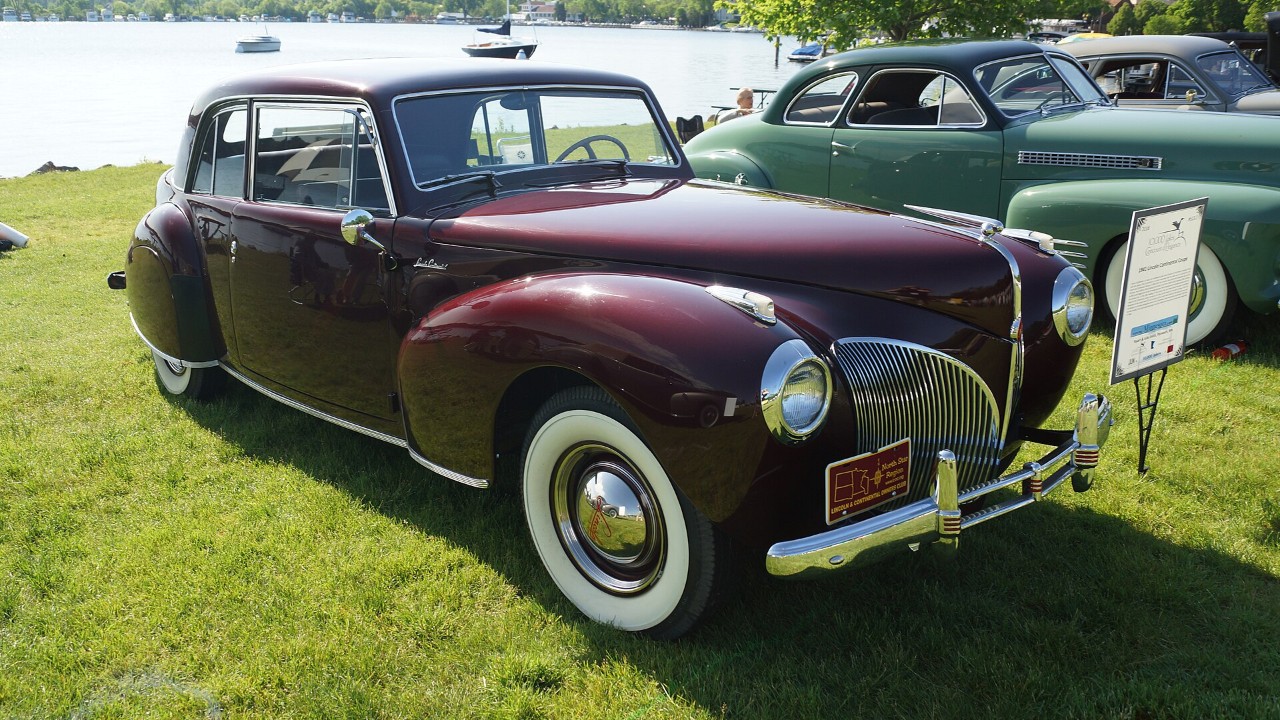
The first Continental began as a one-off for Edsel Ford’s vacation in March 1939. Chief stylist Bob Gregorie reportedly sketched the design in about an hour, working from the Lincoln-Zephyr. Its European-inspired look gave the car its name. Most production cars were Cabriolet convertibles, with a few coupes.
Early cars were built by hand. About two dozen 1939 models and roughly 400 cars built in 1940 had hand-hammered panels, and Ford didn’t make proper stamping dies until 1941. That year also brought push-button door releases in place of lever handles. Under the hood sat a V12, and the 1948 Continental ended the last American line with a factory V12.
Our take: the 1941 Cabriolet looks modern today because it was so simple. Its long hood and short deck gave it a stance that later Lincolns kept coming back to. In fact, Lincoln was borrowing from this car as late as 2007, as you’ll see further down this list. We named it among the most iconic Lincolns of all time, and it remains the one to see first. A hand-built car from 1939 or 1940 is the purest version of the idea.
2. 1952 Lincoln Capri
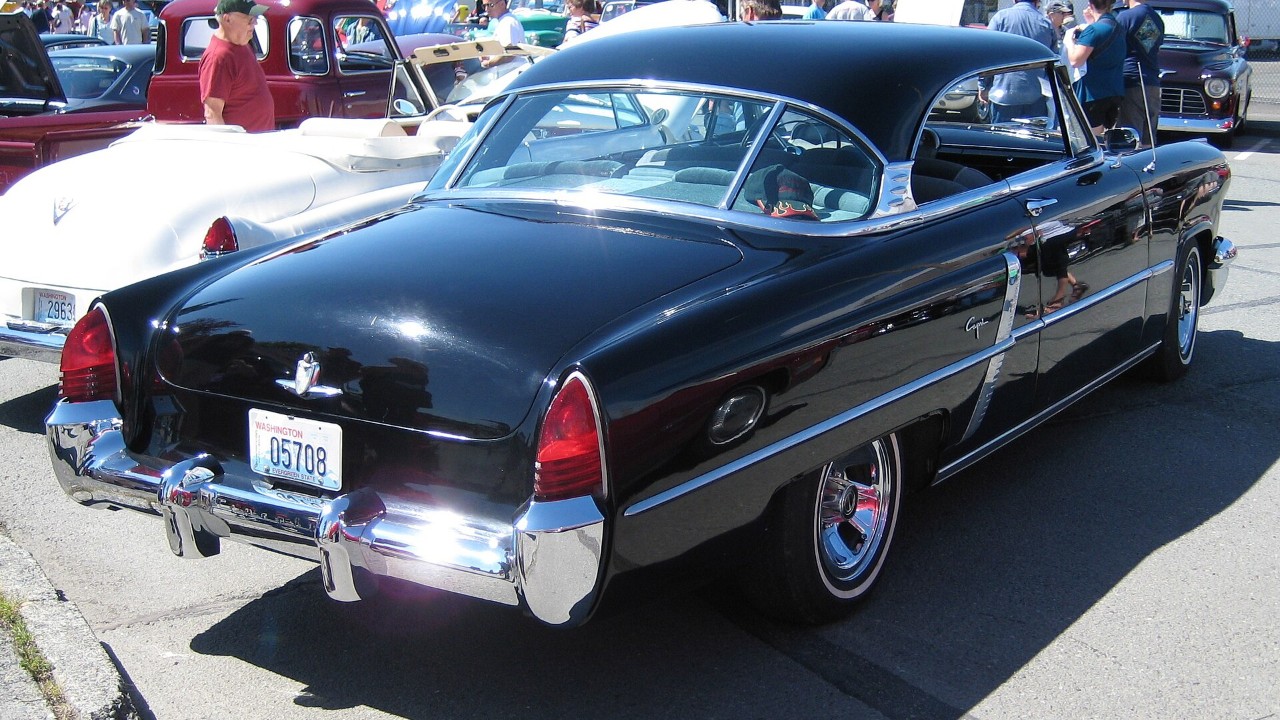
Lincoln launched the Capri for 1952 as its own model line. Power came from a new 317-cubic-inch overhead-valve V8 rated at 160 hp. In our view, that engine gave a big luxury car the kind of punch buyers didn’t expect from Lincoln.
The proof came in Mexico. Capris won stock-car honors at the Carrera Panamericana road race three years running. They finished first through fourth in 1952 and 1953, then first and second in 1954, the race’s final year. As a result, a big American luxury car suddenly looked like a performance machine. Lincoln stayed with the Capri name through 1959. Before 1952, the Capri had been a premium trim of the two-door Cosmopolitan, so the new stand-alone line marked a real step up.
Our take: the 1952 Capri looked like the future because it proved a luxury car could also be fast and tough. We told the story of those races in when Lincoln went racing. If you shop for one, look for a car with documented history and an unmodified engine. In our view, a 1952 car with its original V8 is the one to own, because that engine is the heart of the story.
3. 1955 Lincoln Futura
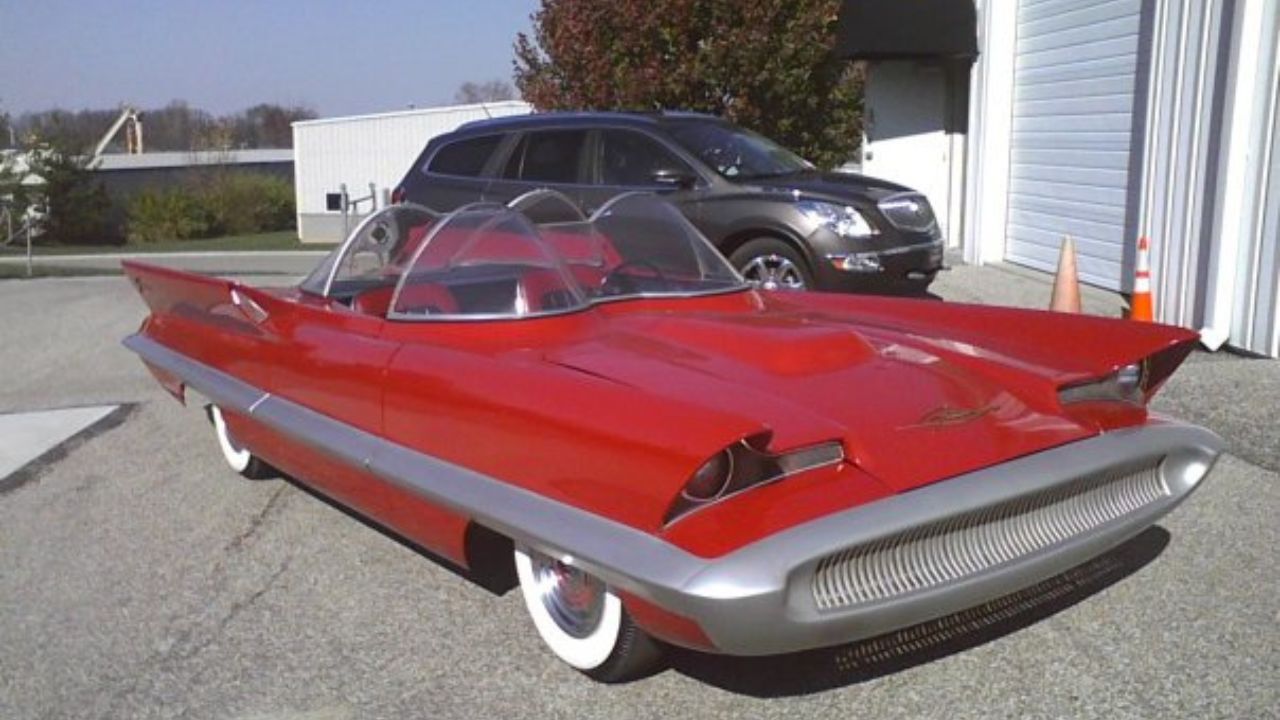
The Futura is the most literal entry here: a show car built to look like tomorrow. According to The Gentleman Racer, Ghia in Turin built its body for $250,000 from Ford’s plaster casts and blueprints. The car debuted at the Chicago Auto Show in January 1955. It stretched nearly 19 feet long and wore twin clear Plexiglas canopies instead of side windows.
The Futura then took an unexpected path. It appeared in the 1959 film It Started with a Kiss, painted red for the shoot. Later, Ford sold it to customizer George Barris for $1. In 1966, Barris turned it into the Batmobile on a three-week deadline. Decades later, The Gentleman Racer reports, Barrett-Jackson sold the car in 2013 for $4.2 million.
Our take: few concept cars have had a second career this famous. The Futura looked like a jet fighter in 1955, and its shape fit a superhero perfectly a decade later. In our view, that says Lincoln’s designers were well ahead of their time. Also, the Futura reminds us that a show car can shape popular culture long after the auto show lights go off. Few production cars, let alone concepts, can claim a story like this one.
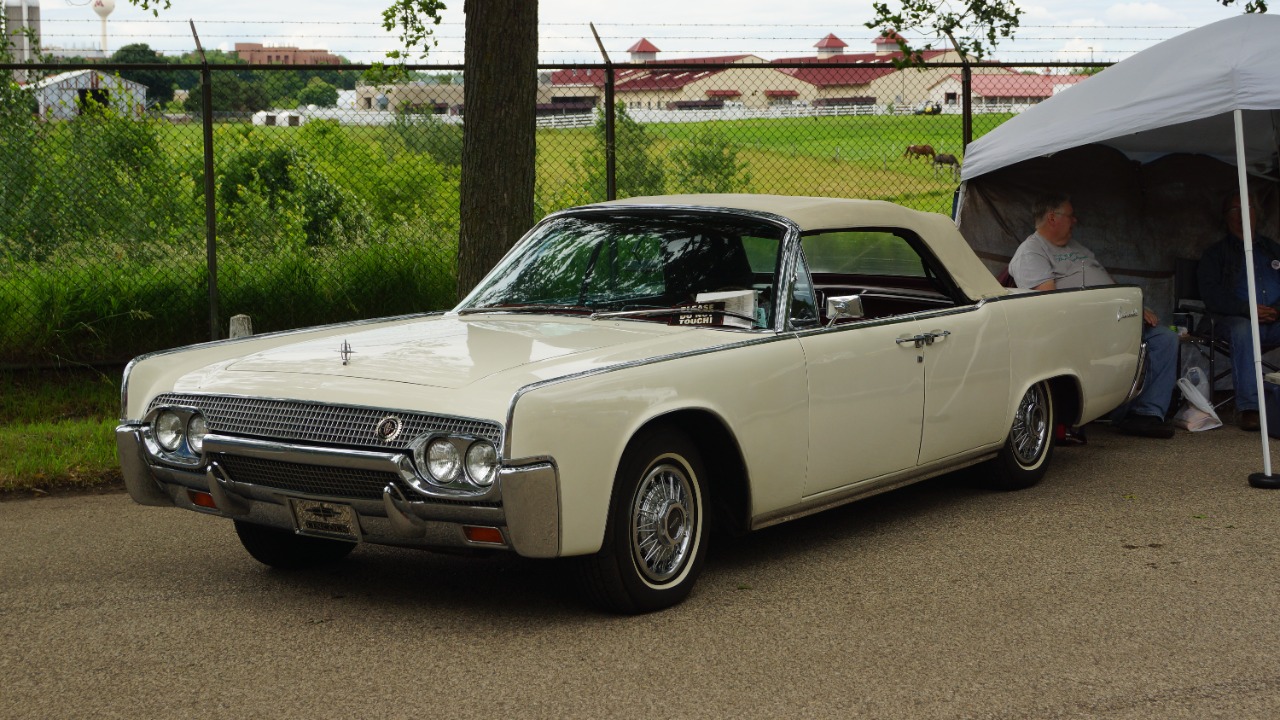
4. 1961 Lincoln Continental convertible sedan
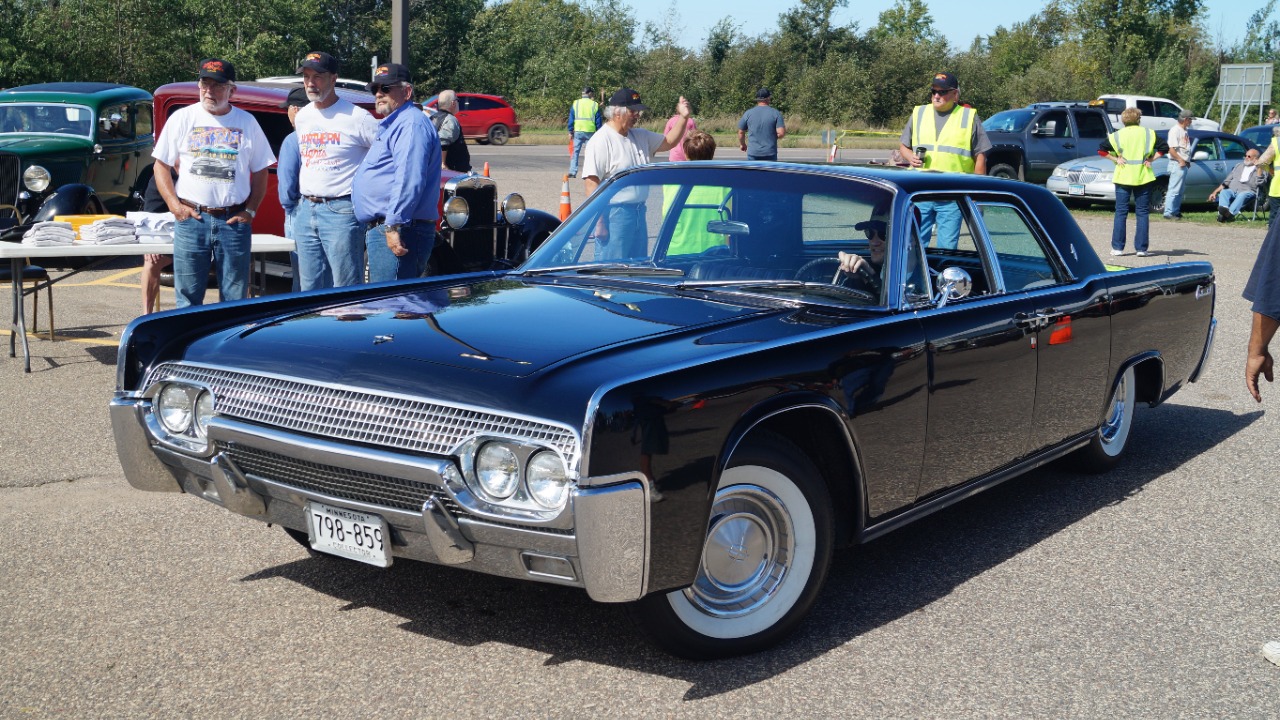
Ford design vice president Elwood Engel styled the 1961 Continental. It was nearly 15 inches shorter than the car it replaced, and it came as a four-door sedan or a four-door convertible. The rear doors were hinged at the back, the first time on a Lincoln since 1951. The only engine was a 430-cubic-inch V8, carried over from the Mark V. In other words, Lincoln spent its effort on design and quality rather than a new engine.
Lincoln backed the new car with confidence, too. It was the first American car with a two-year, 24,000-mile bumper-to-bumper warranty. Car Life also gave it its 1961 Engineering Excellence Award. The four-door convertible lasted through 1967, its final year, when Lincoln sold just 2,276.
Our take: the 1961 Continental replaced chrome and fins with clean, flat sides. In our view, that restraint made every rival look dated overnight. It also aged far better than the finned cars around it. We’ve written about the 1961 Continental’s rear-hinged doors before. If you want the convertible sedan, have the power top inspected before you buy, and enjoy one of the cleanest designs Detroit ever built.
5. 1983 Lincoln Continental Concept 100
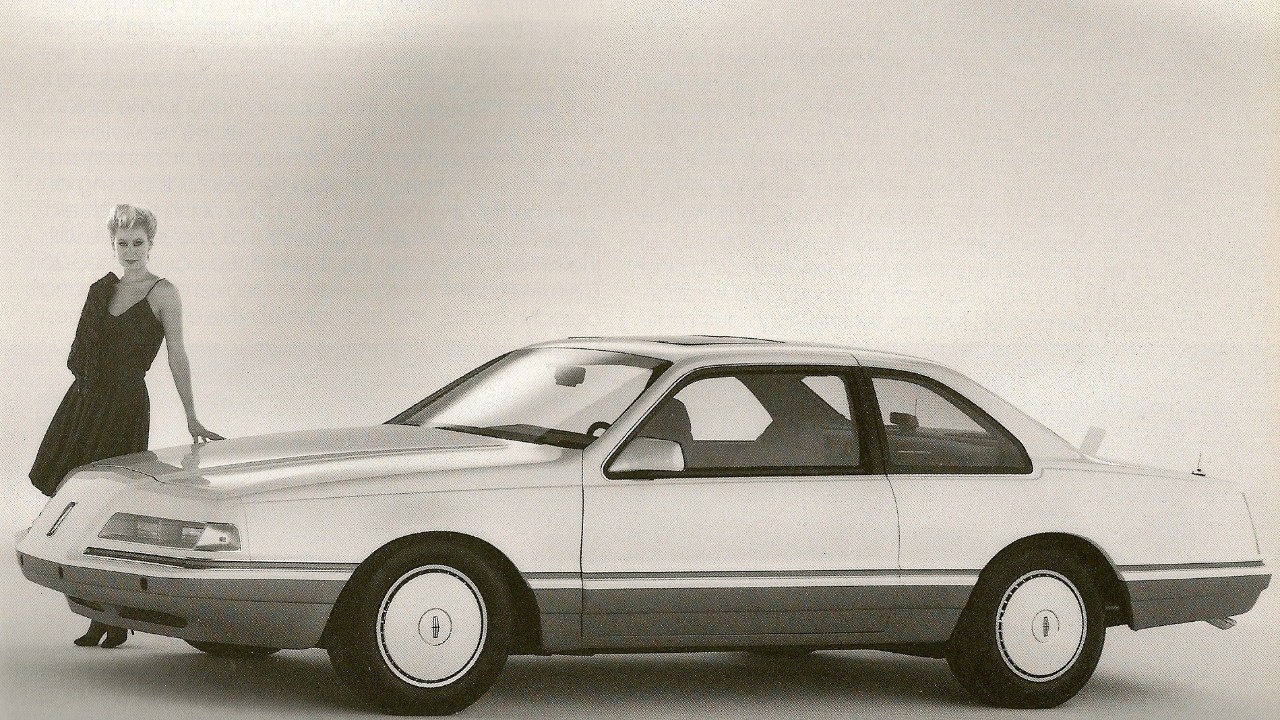
Lincoln showed the Continental Concept 100 at the 1983 Detroit Auto Show. Consumer Guide lists a dash-mounted touchscreen, real-time satellite navigation, a trip computer and voice control. The car also had antilock brakes, tire-pressure monitoring, keyless entry and front and rear obstacle detection.
The body was just as forward-looking. It had a grille-less nose, flush headlamps and no door handles, because keyless entry made them unnecessary. Lincoln said the car was fully operational and its technology really worked. Consumer Guide adds that it foreshadowed the 1984 Continental Mark VII and the 1988 Continental sedan. It also hinted at the look of the 1986 Ford Taurus.
Our take: the Concept 100 is the most accurate prediction on this list. Nearly every feature it showed off is now ordinary on new cars, as Consumer Guide points out. In our view, this Lincoln Continental concept deserves far more credit than it gets. Plenty of 1980s show cars promised a high-tech future. However, few called the details this precisely, from touchscreens to parking sensors. If you ever see it in person, look at the smooth flanks first, since the missing door handles tell the whole story.
6. 1988 Lincoln Mark VII LSC
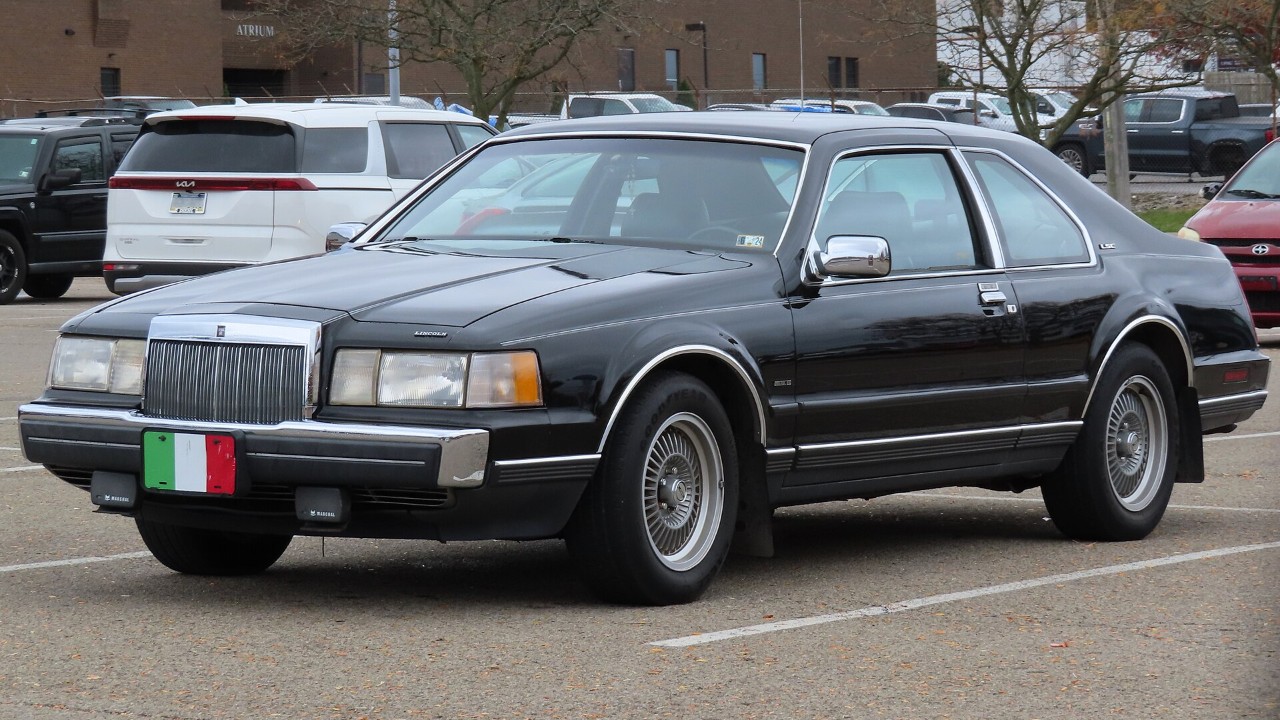
The Mark VII arrived in August 1983 for the 1984 model year, and it followed the Concept 100’s smooth lead. Standard equipment included four-wheel air suspension, a digital dashboard, a trip computer and a message center. Then, in 1985, the LSC became the first American car with electronic four-channel antilock brakes.
The LSC, or Luxury Sports Coupe, was the driver’s version. For 1988, its 5.0-liter V8 gained a high-output tune rated at 225 hp. Lincoln kept the Mark VII in production through 1992 and built 190,832 of them in total. Meanwhile, LSC models dropped the digital gauges after 1985 in favor of analog ones.
Our take: the 1988 LSC took ideas from a concept car and put them in a fast, comfortable coupe. In our view, air suspension and antilock brakes made it feel years ahead of most rivals. Because the LSC added sharper handling to that comfort, it felt like a different kind of Lincoln. If you buy one, check that the air suspension holds its height overnight. Then look for a documented 1988 or later car, since those have the high-output V8.
7. 2000 Lincoln LS V8
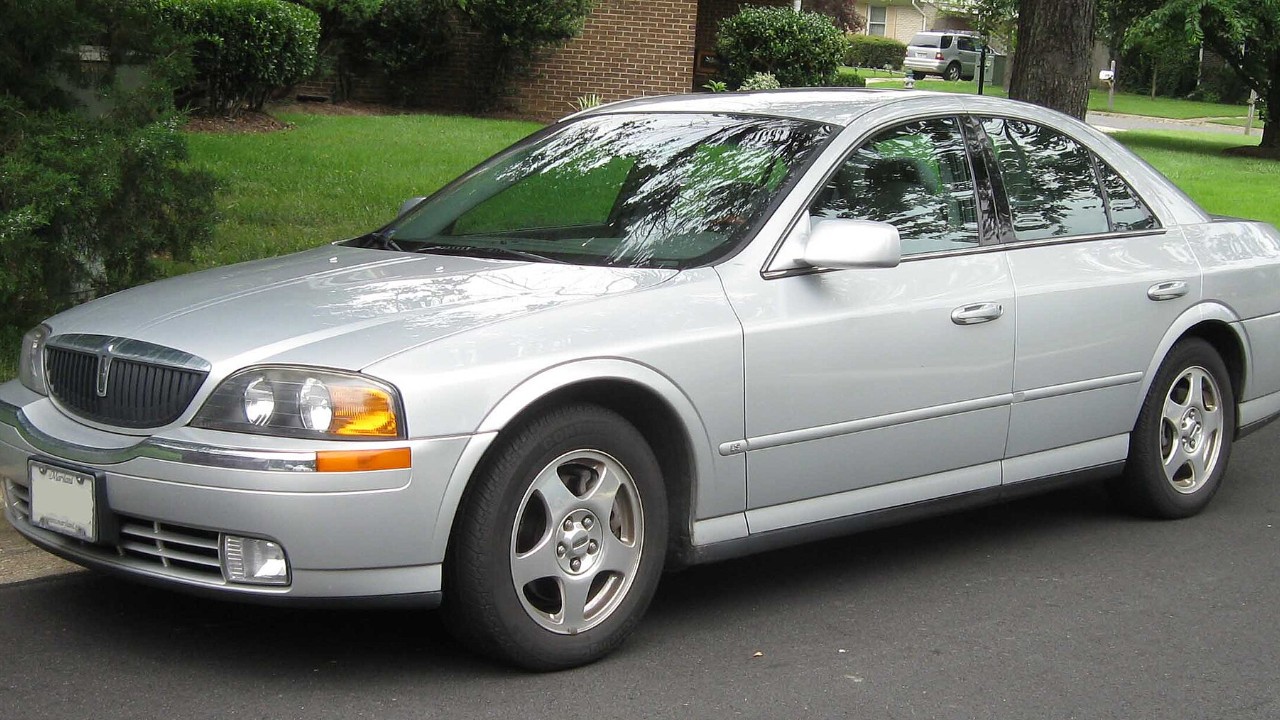
The LS marked a sharp turn for Lincoln. It rode on Ford’s DEW98 platform, which it shared with the Jaguar S-Type and the Thunderbird. Rear-wheel drive and near 50/50 weight distribution gave it real sports-sedan balance. Under the hood, the 3.9-liter V8 made 252 hp at launch. Later, for 2003, the V8 rose to 280 hp.
Critics noticed right away, and Motor Trend named the LS its Car of the Year for 2000. Lincoln even offered a five-speed manual with the V6 and sport package, and it built 2,331 manual cars. Production began in June 1999 at Wixom, Michigan. It ended on April 3, 2006, after about 262,900 cars.
Our take: the LS showed a future where Lincoln chased BMW instead of Cadillac. That future didn’t last, but the car remains a sharp, balanced sedan. In our view, it’s one of the most overlooked Lincolns of its era. If you buy a V8 car, look for one with complete service records. The rare manual cars are worth a look too, though they came only with the V6. Either way, you get a Lincoln that rewards a twisty road.
8. 2002 Lincoln Continental concept
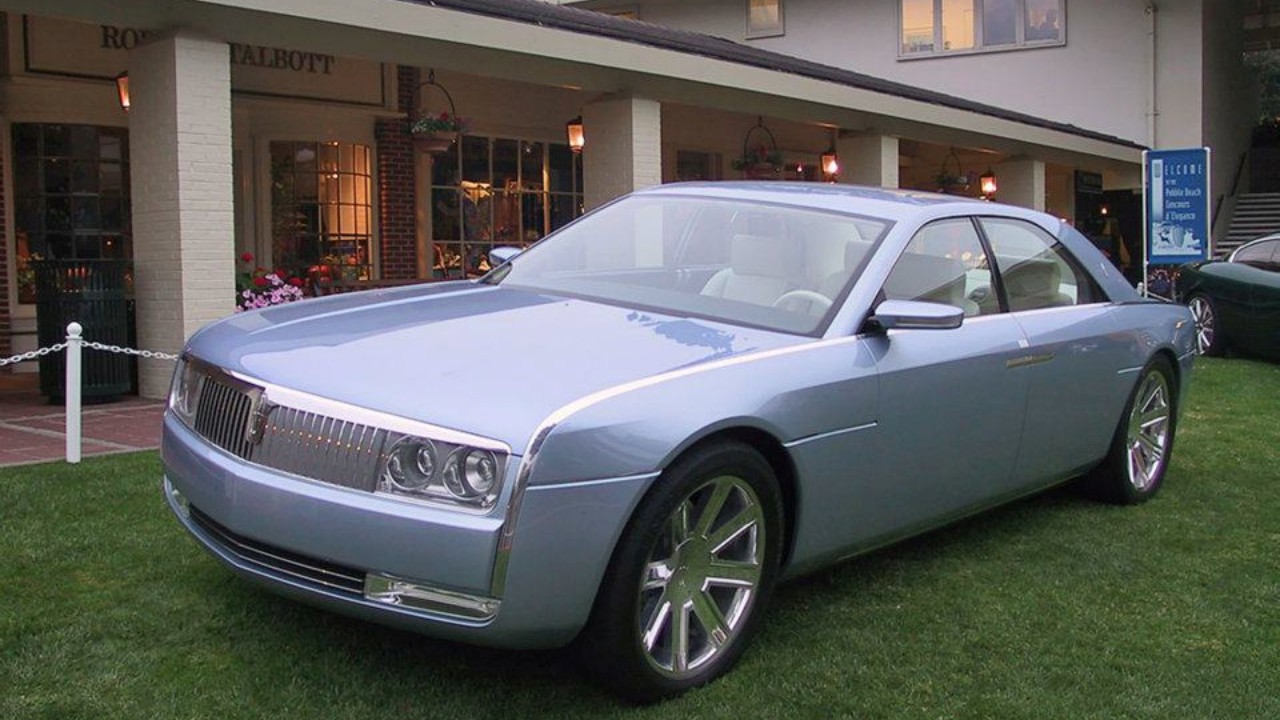
In 2002, Lincoln revived the idea of the 1961 car with a new Continental concept. The Lincoln and Continental Owners Club’s Continental Comments says it was introduced at the Los Angeles Auto Show and then shown in Detroit that January. It used a 6.0-liter V12 and four center-opening doors.
The details were lavish. Club writer Charles Barnette describes 22-inch polished aluminum wheels and four round headlamps lit through fiber optics. He also lists a decklid that stayed level as it opened, a cigar humidor and umbrella holder in each rear door, and a drinks cabinet. The car measured 214 inches long. That made it a big car, yet the round lamps and clean sides kept it from looking heavy.
Our take: the 2002 Lincoln Continental concept pointed back to 1961 while looking toward a more daring future. In our view, it showed how bold the brand could be when it trusted its own history. Center-opening doors, a V12 and fiber-optic lighting made it a rolling wish list. Even today, it looks like a car from a slightly different timeline. That’s exactly why it belongs on this list.
9. 2006 Lincoln Zephyr
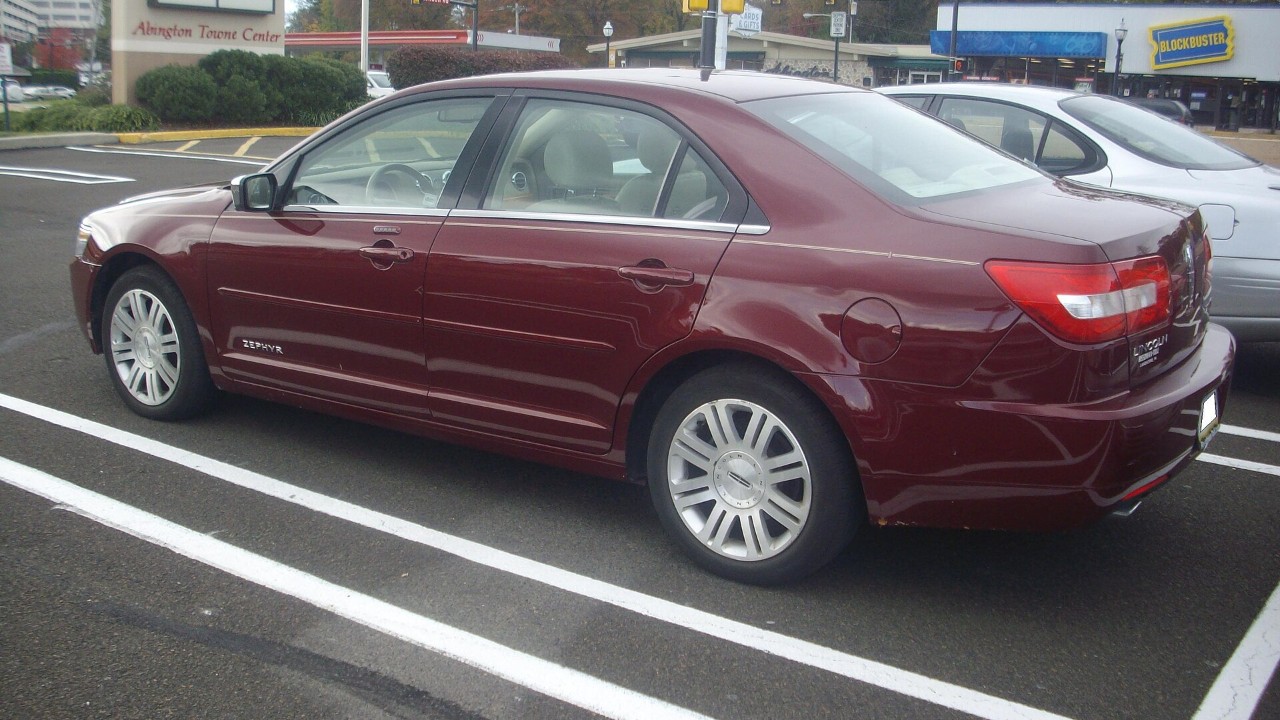
The Zephyr brought back a famous Lincoln name on a modern front-drive sedan. Consumer Guide says it used a platform derived from the Mazda6, shared with the Ford Fusion and Mercury Milan. Power came from a 3.0-liter Duratec V6 with 221 hp and a six-speed automatic. Prices started at $28,995.
Inside, the dashboard used a dual-cowl design inspired by 1960s Continentals. Leather, wood trim and dual-zone climate control came standard. Options included heated and cooled front seats, navigation and THX audio. Then, for 2007, Lincoln renamed the car MKZ under its new three-letter naming system, so 2006 was the only Zephyr year.
Our take: the Zephyr pointed toward a smaller, sharper Lincoln for a new generation of buyers. It mixed retro cabin cues with modern features. As a one-year name, it’s also a small piece of Lincoln trivia. If you shop for one, a well-kept car makes a smart, affordable way into the brand. Look for the optional THX audio and cooled seats, since they make the cabin feel a class above its price. Also, check that the six-speed automatic shifts smoothly on a test drive.
10. 2007 Lincoln MKR
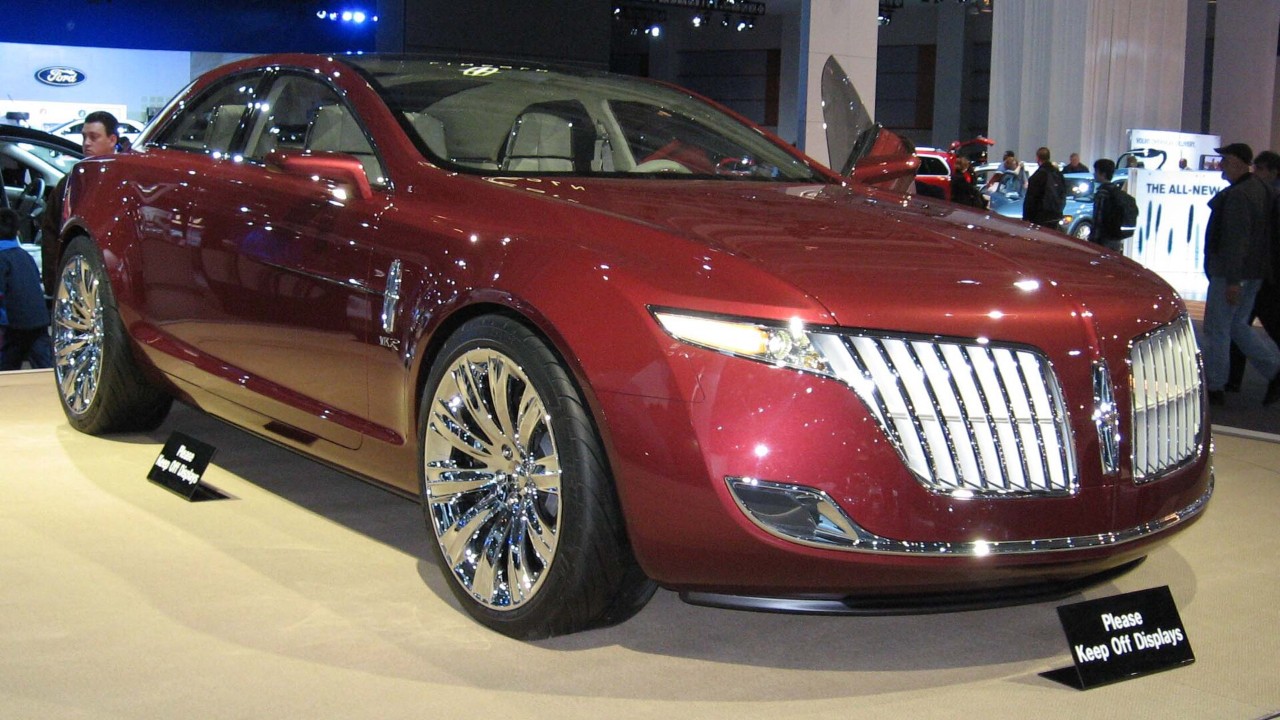
Lincoln showed the MKR concept at the 2007 North American International Auto Show. It was a four-door fastback sedan with a 3.5-liter, twin-turbo, direct-injection V6 called TwinForce. The engine could run on E85 ethanol and made up to 415 hp. Fittingly, its double-wing grille was inspired by the 1941 Continental Cabriolet.
The MKR mattered because so much of it reached production. Its design themes appeared on the 2009 MKS first, then on the MKZ, MKT and MKX. Meanwhile, the TwinForce engine family later reached showrooms under the EcoBoost name. Designers J Mays, Peter Horbury and Gordon Platto shaped the car. In our view, the E85-ready twin-turbo V6 was the most forward-looking part of the whole package.
Our take: the MKR was a roadmap, not a fantasy. In our view, it’s the clearest example of a Lincoln concept that told buyers exactly where the brand was heading. Its grille, its turbo V6 and even its fastback shape all showed up later in some form. That’s why it earns a spot here, even though nobody could buy the concept itself. Few show cars have mapped out a brand’s next decade so clearly.
11. 2010 Lincoln MKT
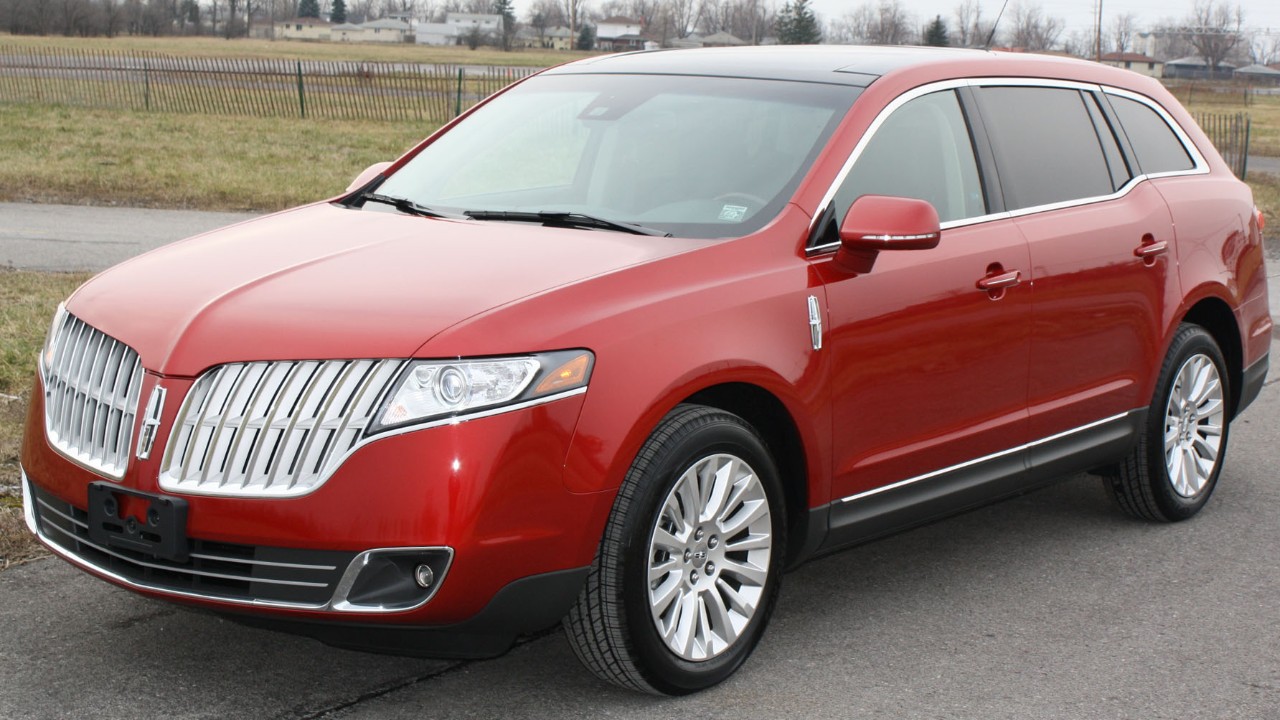
The MKT began as a concept at the 2008 Detroit show with a full-length glass roof. Two years later, the production version arrived as a three-row luxury crossover on Ford’s D4 platform, shared with the Ford Flex. Buyers could order an optional 3.5-liter twin-turbo V6 that initially made 355 hp, which brought the MKR’s engine idea to showrooms.
Meanwhile, the MKT also took on a second career. Ford developed livery and limousine versions to replace the Town Car, with standard all-wheel drive and heavy-duty brakes and suspension. US sales peaked at 7,435 in 2010. The model lasted through 2019. In our view, that limousine role shows how practical the futuristic shape turned out to be. If you shop for one, look for the twin-turbo engine and a full service history, since that engine is the reason to buy.
Our take: we know the MKT’s bold grille and long shape aren’t for everyone. However, it brought turbocharged power and three-row luxury together in one Lincoln. In our view, a well-kept twin-turbo MKT is a roomy, quick and underrated way to own a piece of Lincoln’s future thinking.
More from Fast Lane Only