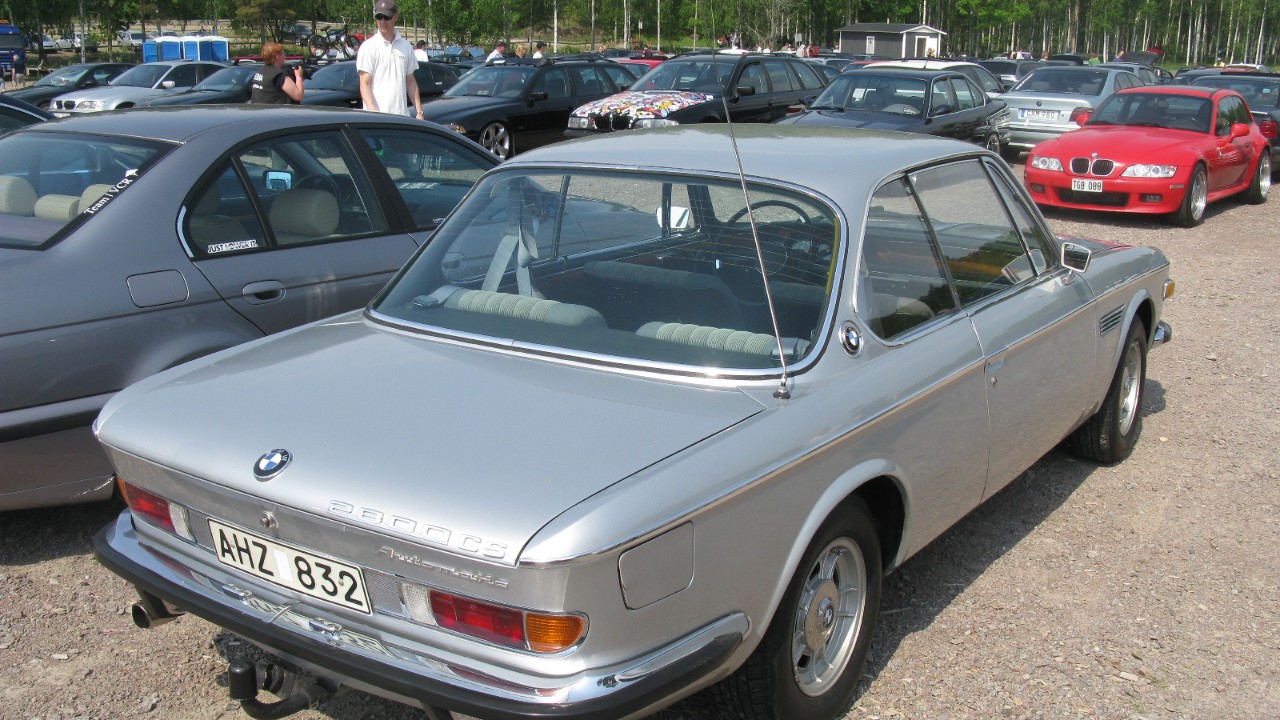
BMW stretched its 2000 CS coupe in 1968 to make room for an inline-six, and the BMW 2800 CS was the result. Karmann built the body, and the 2.8-liter engine made 170 PS. It was a luxury car, yet it begged to be driven hard on a mountain road.
That mix is rarer than it sounds. Plenty of big coupes have soft leather and wood trim, but many of them feel heavy and numb once the road turns. However, the best ones pair the comfort with a great engine, a balanced chassis and a gearbox you want to use.
These are our picks, the luxury coupes we think drove as well as they looked. The verdicts are our opinion, while the engines, outputs and production numbers come from maker histories, period specs and collector-market records.
1. BMW 2800 CS
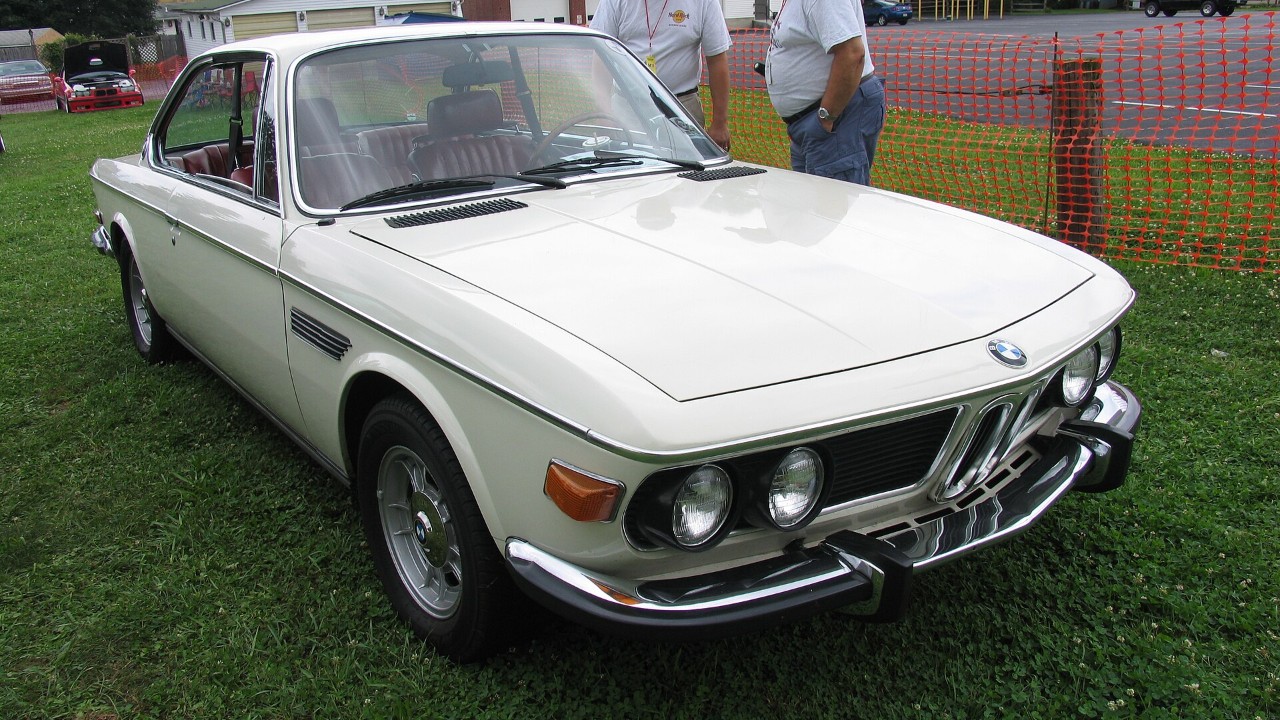
The BMW 2800 CS replaced the 2000 C and 2000 CS in 1968. To do it, BMW lengthened the wheelbase and the body to fit the six. Its M30 engine displaced 2,788 cc, and like every E9 body, Karmann built the shell.
Even so, the look stayed light and airy, thanks to a pillarless roofline. A Motorious report on a 1969 car describes the long hood and open cabin, along with about 170 hp and 173 lb-ft of torque. Production of the standard 2800 CS came to 6,283 cars before the 3.0 CS took over in 1971.
Our take: this is the coupe that started BMW’s run of great six-cylinder grand tourers. The later 3.0 CSL gets the racing glory. However, the BMW 2800 CS laid the groundwork.
2. BMW M6 (E24)
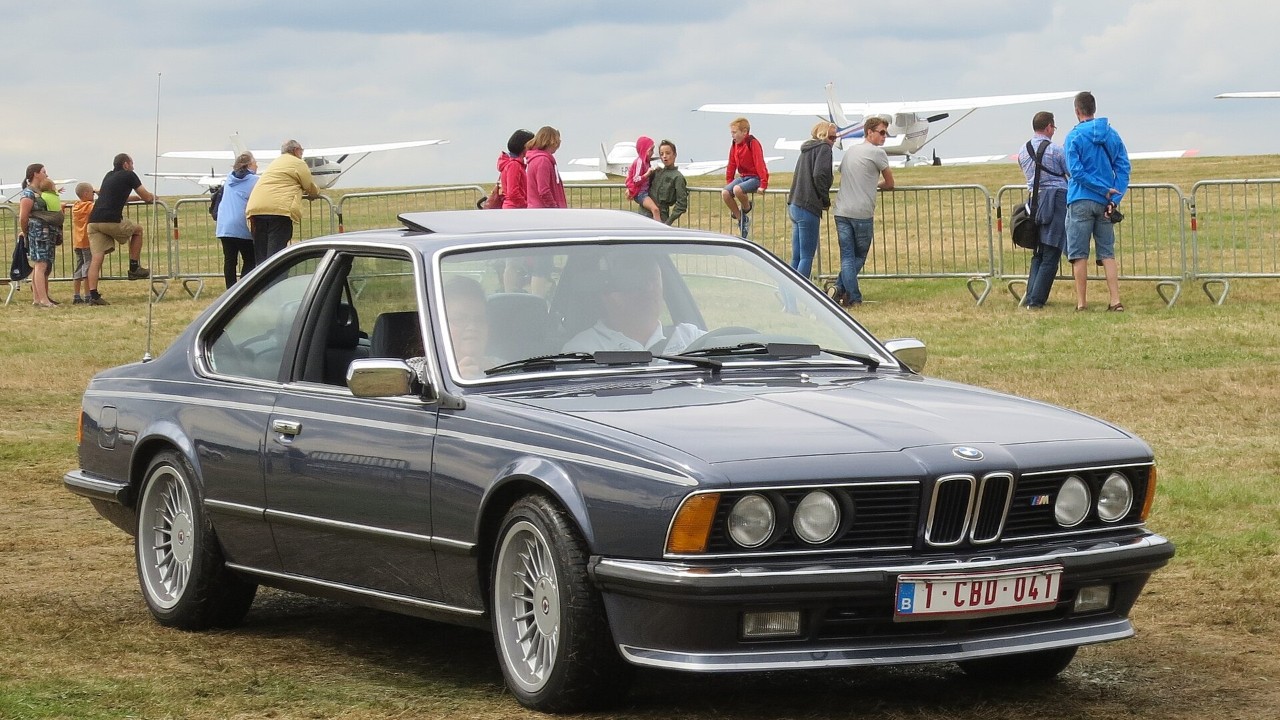
BMW’s M division built the M635CSi in small numbers from 1984, and North America knew it as the M6. Its M88 straight-six also came from the same family as the engine in the M1 supercar. According to BMW M’s own history, it made 286 PS, nine more than the standard M1.
American and Japanese cars used the S38 version with a catalytic converter, rated at 256 hp. Even so, the European car reached 158 mph. At the time, only the M1 was a faster BMW.
BMW built 5,855 of these coupes through 1989, and 1,677 went to North America. In our view, the M6 is the purest early expression of a fast BMW luxury car. It had four seats and a race-bred six under the hood.
3. Mercedes-Benz 500 SEC
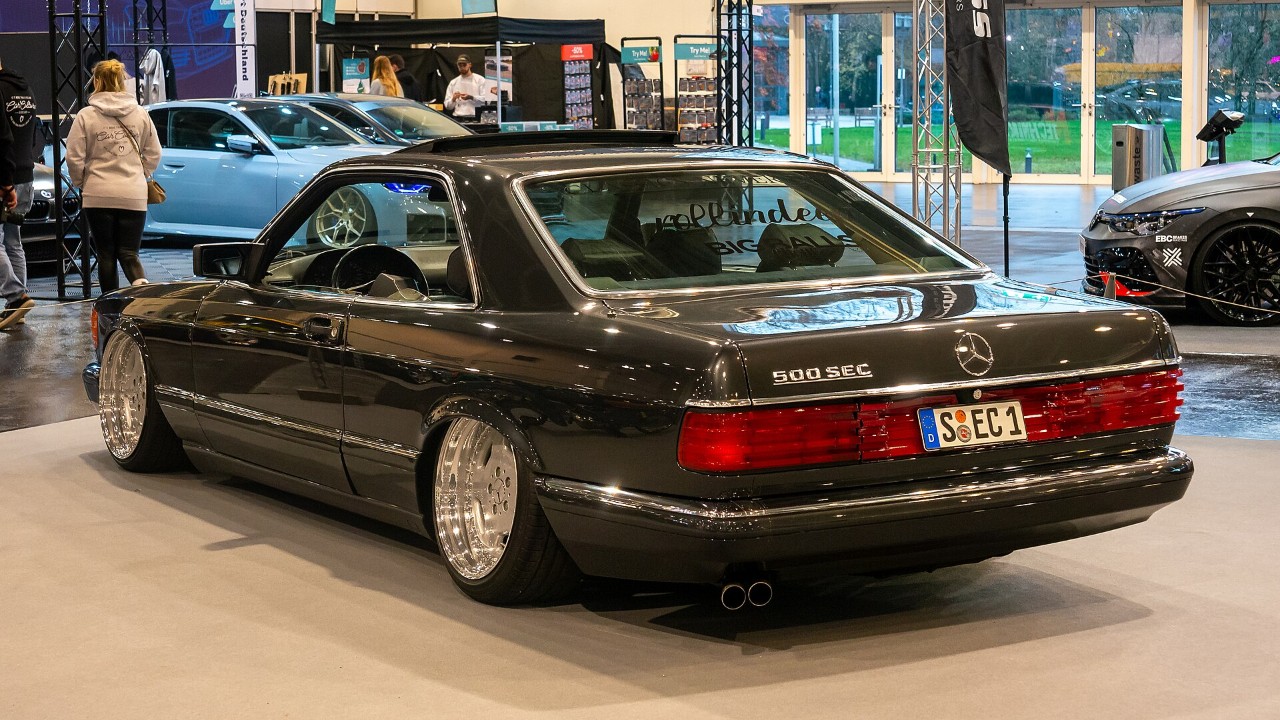
Mercedes-Benz showed the C126 coupe at the 1981 Frankfurt show in 380 SEC and 500 SEC form. The 500 SEC carried the 5.0-liter M117 V8 with double timing chains. Mercedes had also moved to lighter alloy construction for its reworked V8s.
In addition, the body had no B-pillar between the front and rear side windows. Because of that, the seat belt anchor sat too far back for easy reach. So Mercedes invented the world’s first seat belt presenters, arms that slide the belt about 30 cm forward when the doors close and the engine starts.
Americans got the 500 SEC for the 1984 model year. Mercedes built 74,060 C126 coupes in all. Our take: the 500 SEC proves a heavy luxury car can feel composed at speed, which is exactly why it fits this list.
4. 1989 Jaguar XJ-S V12 Coupé
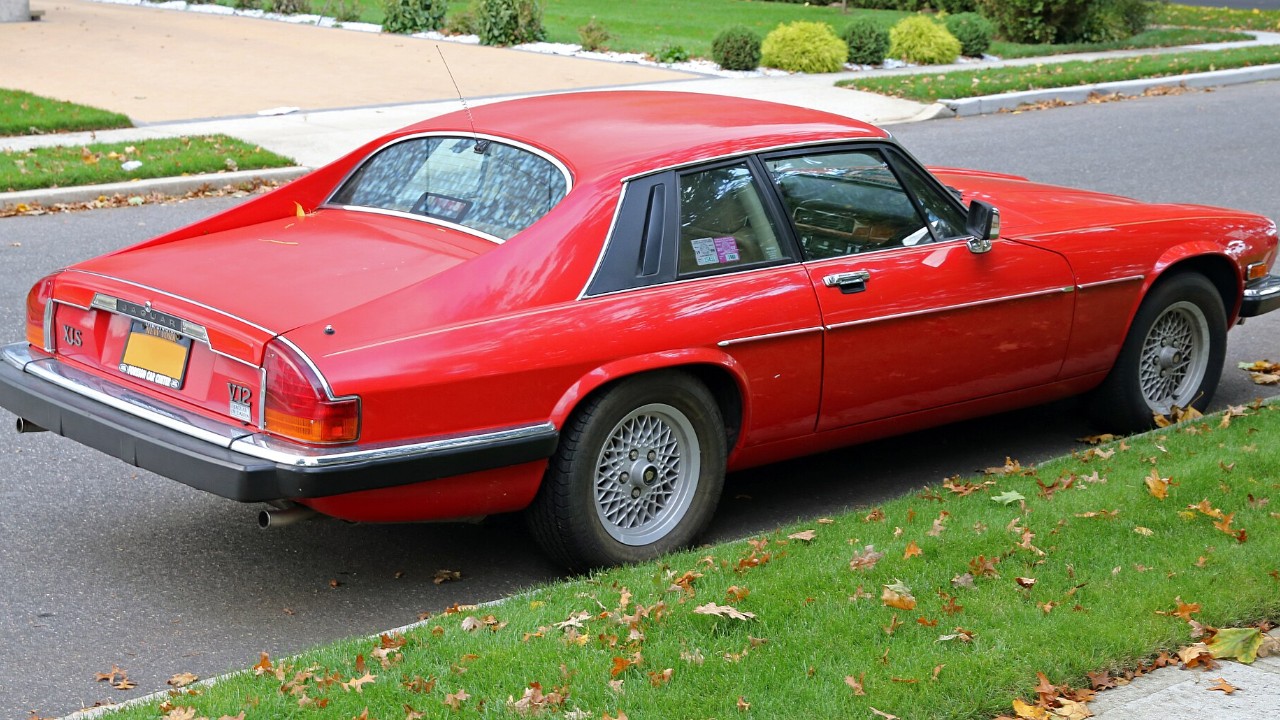
Malcolm Sayer did the early styling for the XJ-S before he died in 1970. Jaguar’s own team under Doug Thorpe then finished it. The rear roofline got its famous “flying buttresses,” which swept down from the roof toward the tail.
Under the hood, the car used Jaguar’s 5.3-liter V12, and that engine defined it. From July 1981, Jaguar renamed it the XJ-S HE, and output rose to 295 hp, or 263 hp in North America. So a 1989 car carries that HE-era engine.
The coupe also proved itself on track. Tom Walkinshaw won the 1984 European Touring Car Championship drivers’ title in a TWR Jaguar, as we covered in our story on TWR’s racing XJS. In our view, few V12 coupes ever felt this smooth on a long road. Jaguar built 115,413 of them from 1975 to 1996.
5. 1996 Lexus SC 300
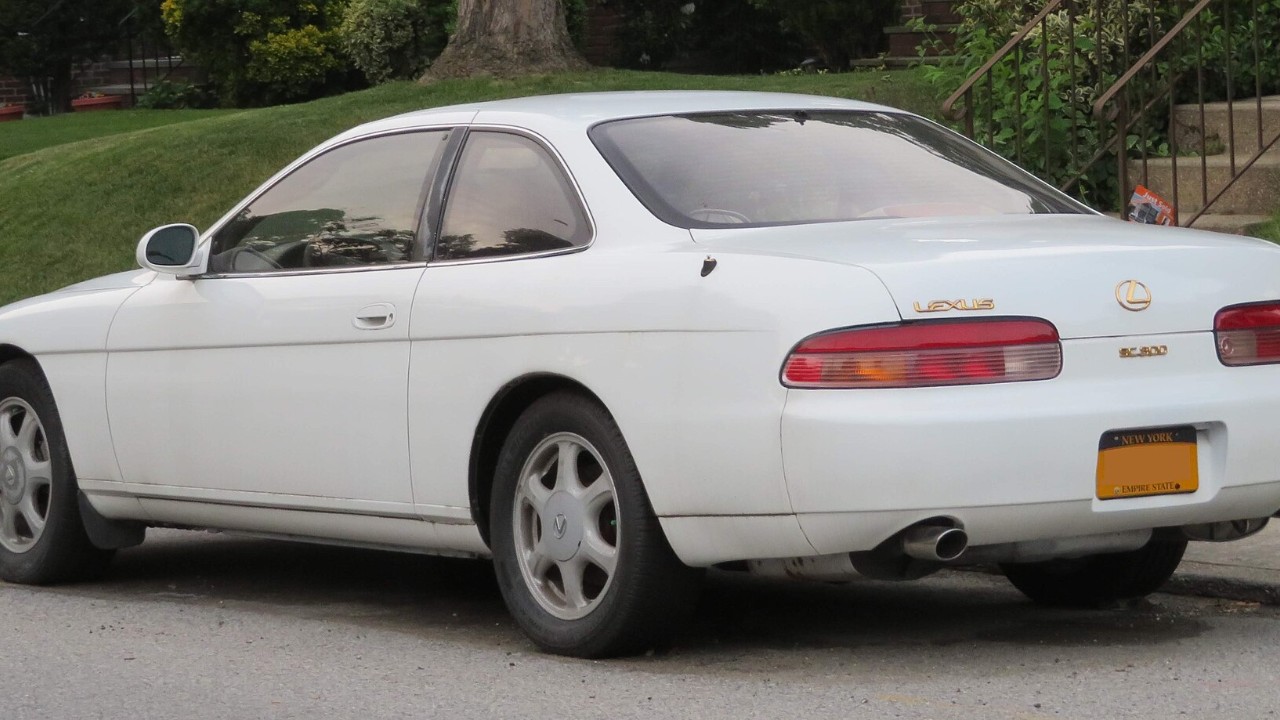
Lexus launched the SC as its second model, after the LS 400, for the 1992 model year. Toyota’s Calty studio in California shaped most of it. As a result, the body’s drag coefficient was just 0.31.
The SC 300 used a 3.0-liter 2JZ straight-six rated at 225 hp and 210 lb-ft. Better yet, it was the only SC offered with a five-speed manual. According to Hagerty, only 3,883 of the 82,538 first-generation SCs sold had that gearbox.
When new, the SC 300 started at nearly $39,000. Since 2016, Hagerty says, the average SC 300 sale on Bring a Trailer and Cars & Bids has been $14,500. Our take: a five-speed SC 300 is one of the best-value driver’s coupes of the 1990s.
6. Acura Legend Coupe (first generation)
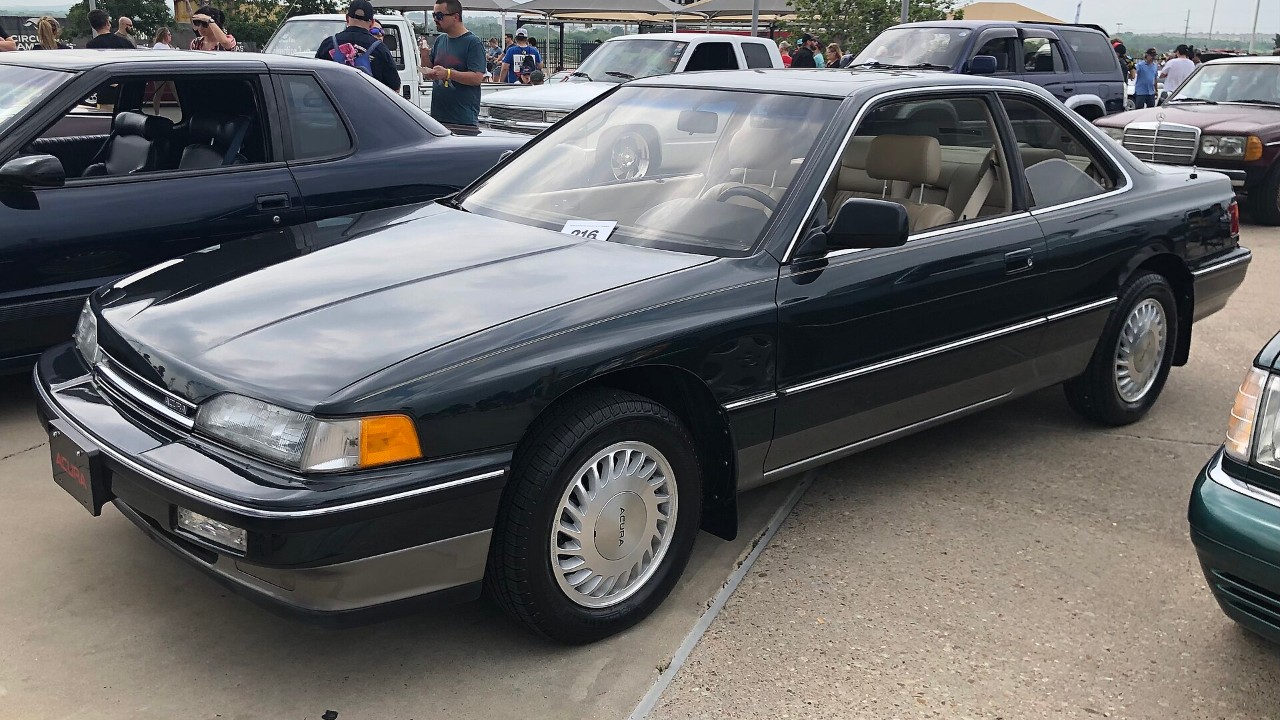
The Legend was the first production Honda to offer a V6 engine. Acura launched the sedan for 1986, then added the coupe in 1987. Specifically, the coupe used a new 2.7-liter C27A engine rated at 161 hp.
Buyers could pick a five-speed manual, which suited the car’s sporty side. The Legend also won Car and Driver’s Ten Best award three years in a row. Acura sold 54,713 Legends of all types in the U.S. in 1987 alone.
In our view, the first Legend Coupe is the most underrated Japanese luxury car of the 1980s. Plus, a manual version makes a fine way into classic Japanese luxury.
7. 1971 Maserati Indy
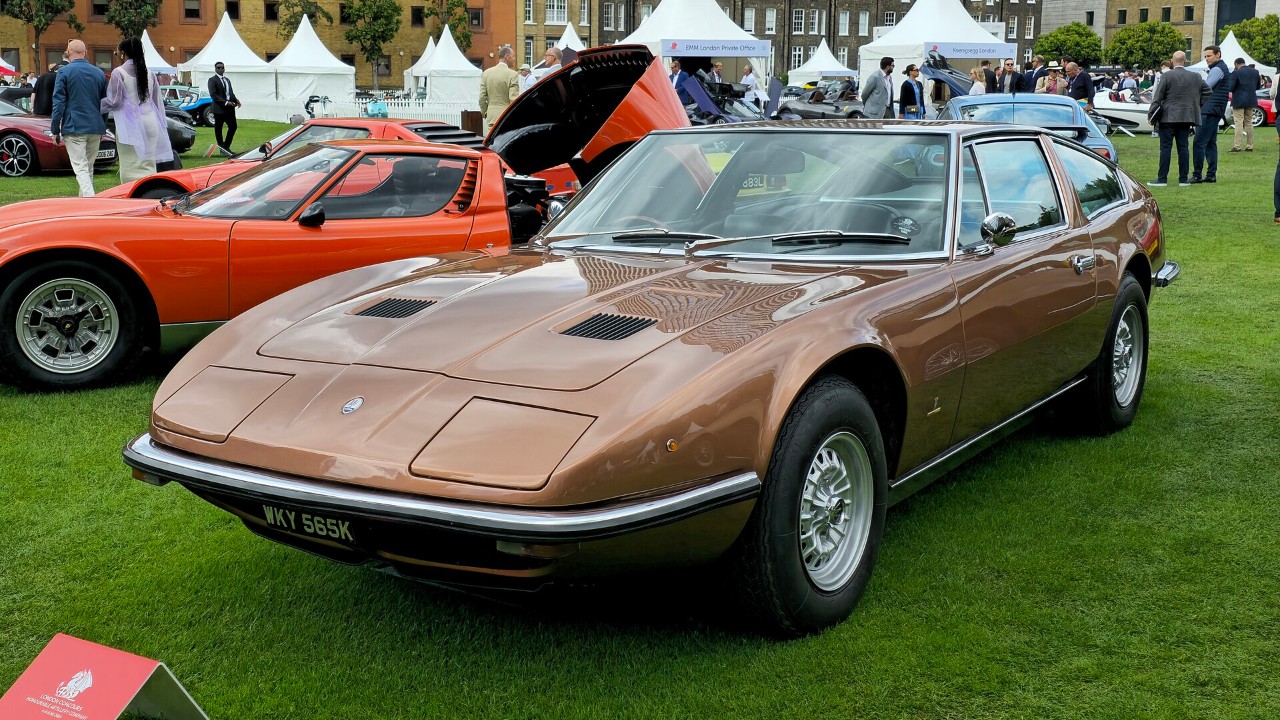
Maserati showed the Indy on Carrozzeria Vignale’s stand at the 1968 Turin Motor Show. It then debuted officially at Geneva the next year. The first customer car left Modena on July 1, 1969, bound for Switzerland.
Maserati named it for the 8CTF’s Indianapolis 500 wins in 1939 and 1940. At first, the engine was a 4,136 cc V8 with four Weber carburetors and 260 hp. Then the 4,719 cc version arrived in 1970 with 290 hp. By 1971 a 4,930 cc engine rated at 300 hp joined the range, according to Sports Car Digest.
Modena built 1,102 Indys from 1969 to 1975, that report says. Our take: the Indy gives you four seats, pop-up headlights and a Maserati V8 for less fame than a Ghibli. That makes it a smart pick for a driver who wants to use one.
8. 1978 Aston Martin V8 Vantage
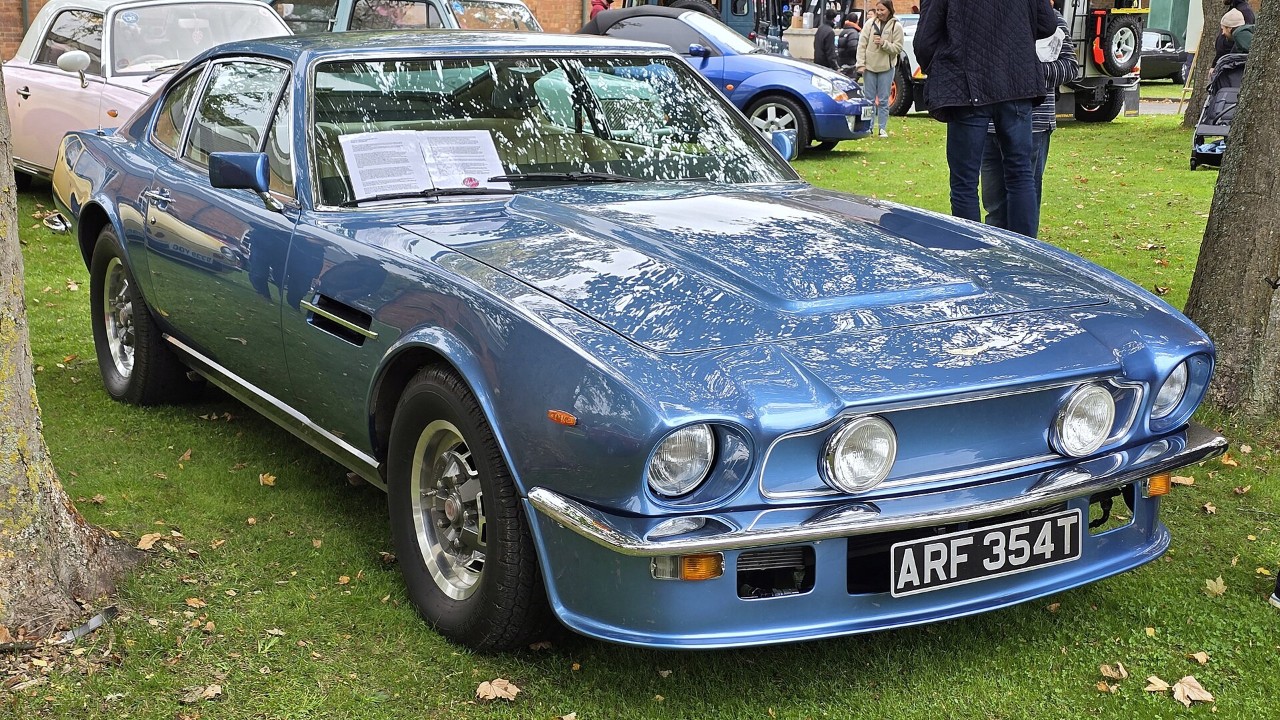
The V8 Vantage arrived in 1977, and its 170 mph top speed earned it the title “Britain’s First Supercar.” Aston Martin also claimed 0 to 60 mph in 5.3 seconds. Outside, the Vantage closed off the grille and added twin driving lights.
Aston later refreshed the car as the “Oscar India,” a code that meant an October introduction. According to GTPlanet, the update added an integrated “tea-tray” spoiler and a smoother bonnet bulge. The 5.3-liter V8 made around 390 hp, depending on vintage.
Newport Pagnell built 534 Vantages from 1977 to 1989, saloons and Volantes combined. In our view, this is the most muscular luxury coupe Britain ever made. It is a grand tourer with a big V8 attitude.
9. 2004 Bentley Continental GT
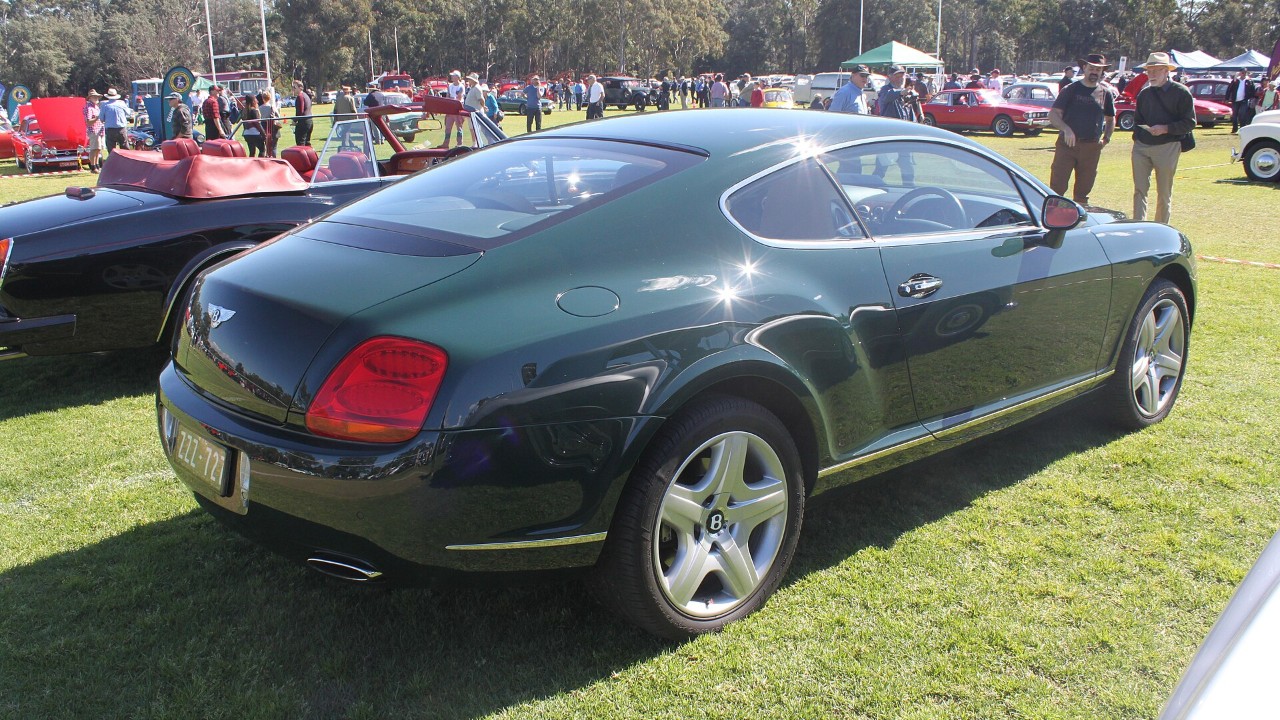
Bentley unveiled the Continental GT at the 2002 Paris Motor Show. It was the first new Bentley after Volkswagen bought the company in 1998. Power came from a 6.0-liter twin-turbocharged W12 rated at 560 PS.
Also, Torsen-based all-wheel drive came standard. As a result, the coupe could reach 62 mph in 4.8 seconds and run on to 197.6 mph. Workers assembled it at Crewe, though in far larger numbers than earlier Continentals.
Bentley sold 6,896 Continental GT coupes in 2004, its first full year. Our take: the Continental GT showed that a modern Bentley could be a genuine driver’s car. Its all-wheel-drive grip matched the speed, and that is rare in a coupe this heavy on luxury.
10. 1994 Porsche 928 GTS
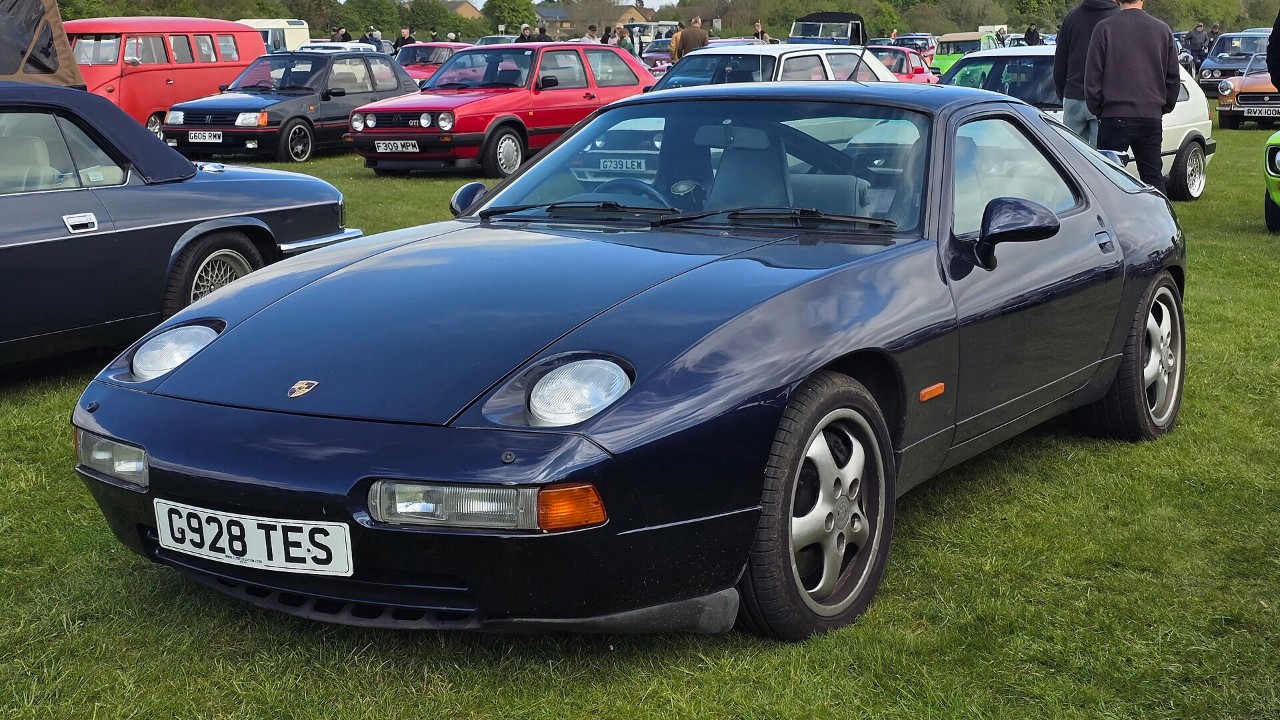
The 928 won European Car of the Year for 1978, and it remains the only sports car to take that award. Its transaxle layout gave it near 50/50 weight distribution. The GTS arrived late in the run, sold from 1992 to 1995.
Its 5.4-liter V8 made 345 hp at 5,700 rpm and 369 lb-ft, according to Stuttcars. Flared rear arches covered a rear track 2.7 inches wider than before. Porsche also fitted 17-inch Cup wheels and claimed a 171 mph top speed.
Porsche built 2,904 GTS cars, and only 407 went to North America. In our view, this is the best 928 to drive, and it shows why the 928 challenged tradition from the start.
11. BMW 850i and 850Ci (E31)
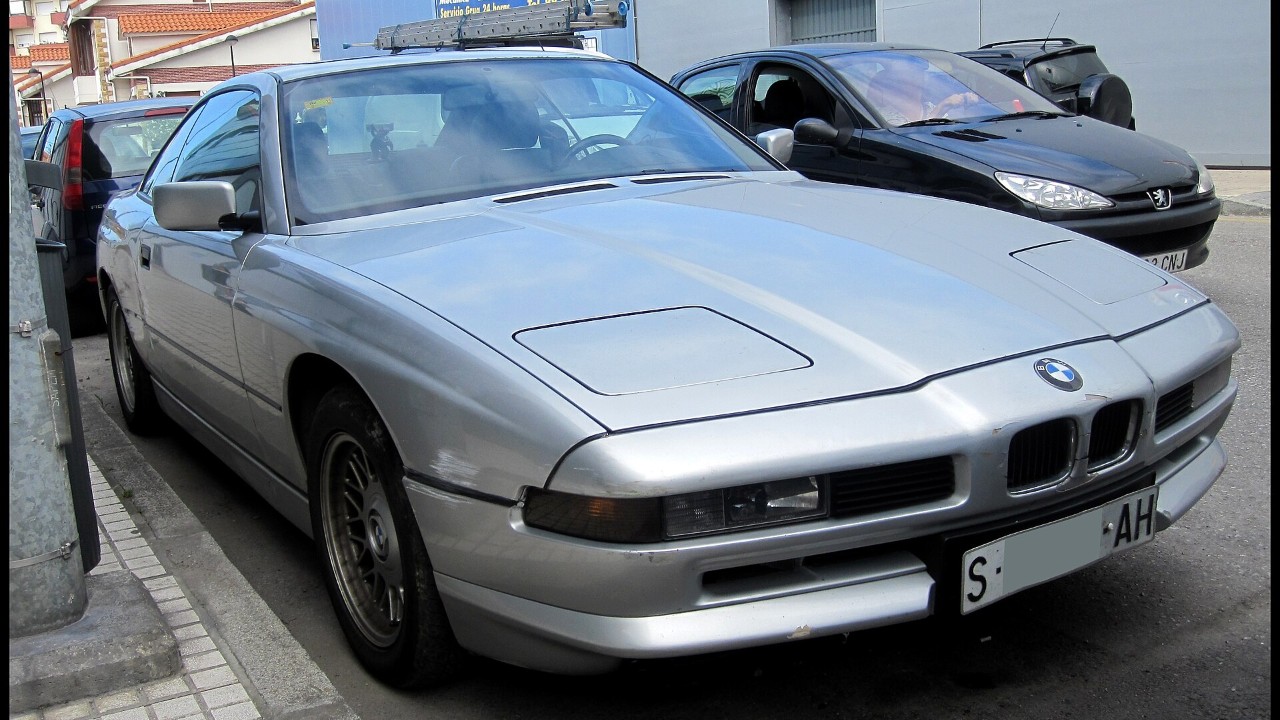
The 8 Series debuted at the Frankfurt show in September 1989, and the 850i went on sale in 1990. At launch, its 5.0-liter M70 V12 made 300 PS. BMW also made history here, because the 850i was the first road car to pair a V12 with a six-speed manual.
Engineers used computer-aided design, which was unusual at the time, along with wind tunnel testing. The result was a drag coefficient of 0.29. The roof had no B-pillar, which kept the side profile clean.
From autumn 1993, BMW sold the car as the 850Ci. Then, in October 1994, a 5.4-liter M73 V12 raised output to 326 PS. In our view, few manual V12 coupes have ever felt this refined. BMW built 20,072 cars with the original M70 engine.
12. Toyota Soarer (Z30)
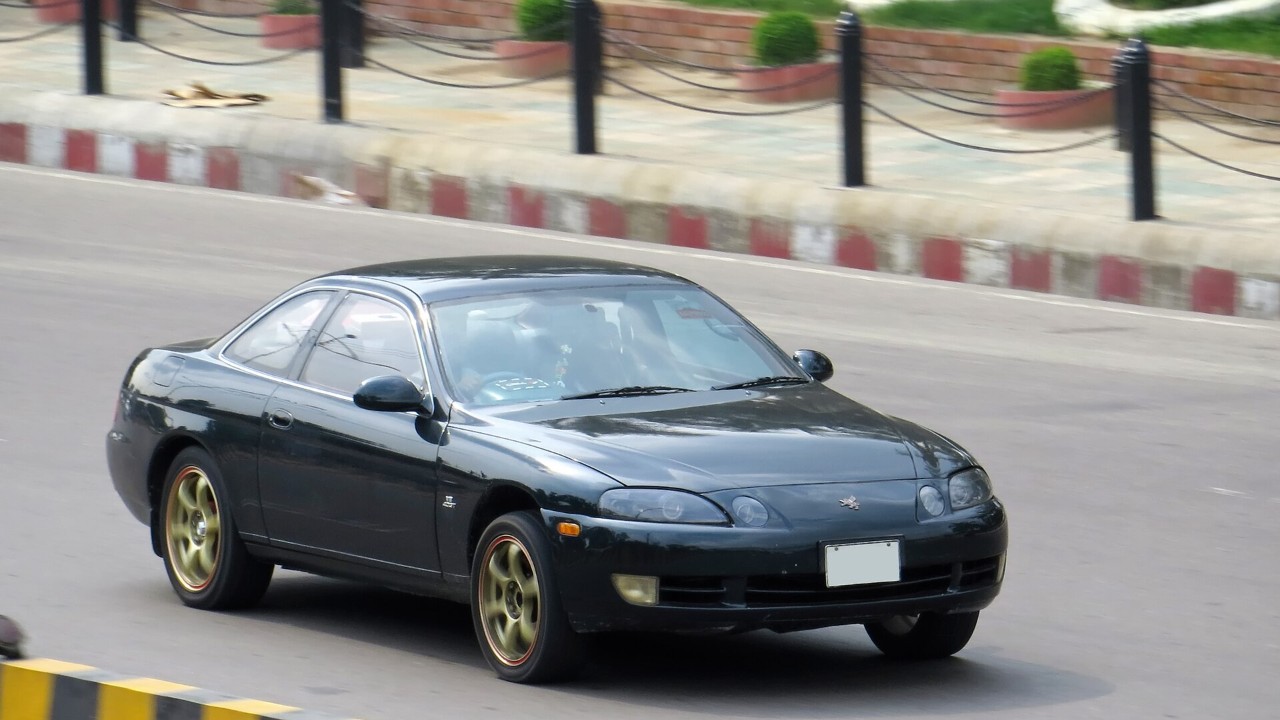
Toyota launched the third-generation Soarer in Japan in 1991. It shared its body and key parts with the Lexus SC, but it offered its own engines and features. Buyers could choose a 4.0-liter 1UZ-FE V8, a 2.5-liter 1JZ-GTE twin-turbo six or, from 1994, a 3.0-liter 2JZ-GE.
First, the V8 made 260 PS at launch and 265 PS after 1994. Meanwhile, the twin-turbo six made about 280 PS.
The top UZZ32 version had Toyota Active Control Suspension and four-wheel steering. In our view, it is the most technical luxury coupe on this list. Toyota made only 873 UZZ32 Soarers between 1991 and 1996.
More from Fast Lane Only