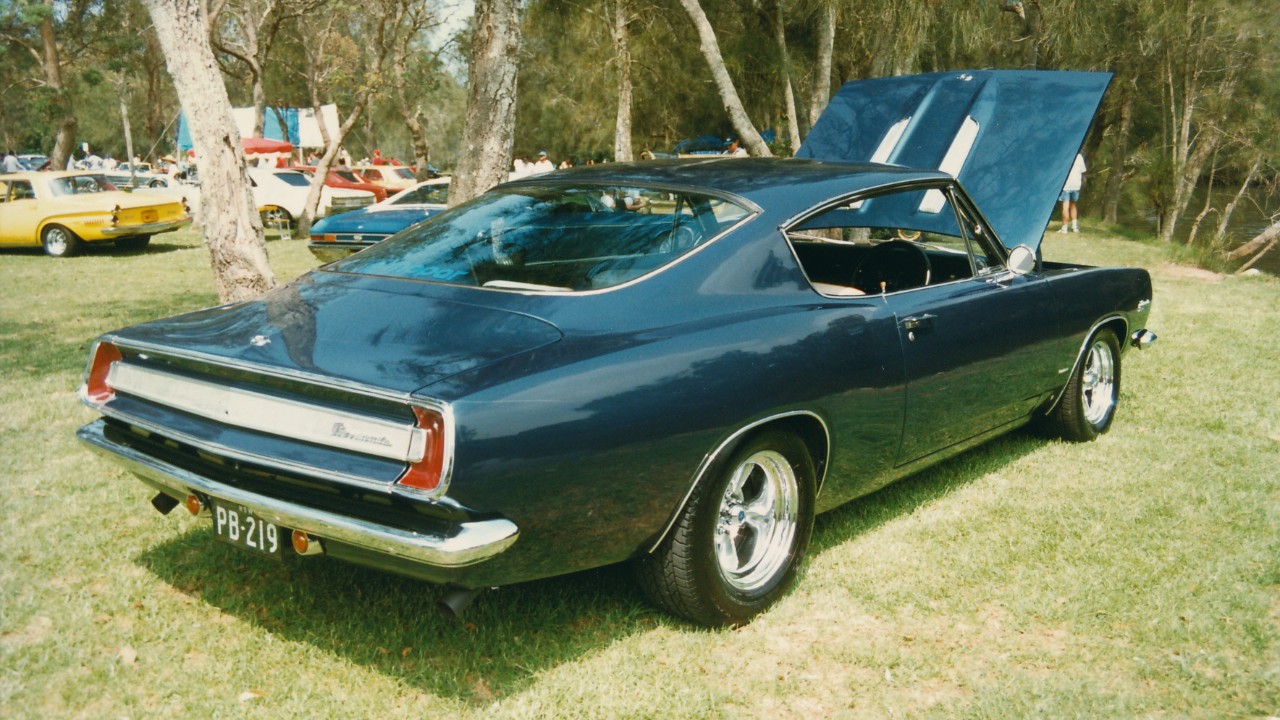
Plymouth redrew the Barracuda fastback for 1967 and swapped its giant wraparound rear window for a small, flush pane. The new Plymouth Barracuda fastback looked longer, lower and far more deliberate. It also proved a sloping roof could make an ordinary compact feel special.
Soon, that idea spread around the world. Toyota, Mazda, Saab and Ford of Europe all built cars with a long roof that ran down to the tail. Some were muscle cars, while others were small coupes with four-cylinder engines. However, every one of them put the driver first.
These are our picks for seven fastbacks that still define fun. As always, the verdicts are our opinion. Even so, the years, engines and numbers come from maker histories, period records and buyer’s guides.
1. 1967 Plymouth Barracuda Fastback
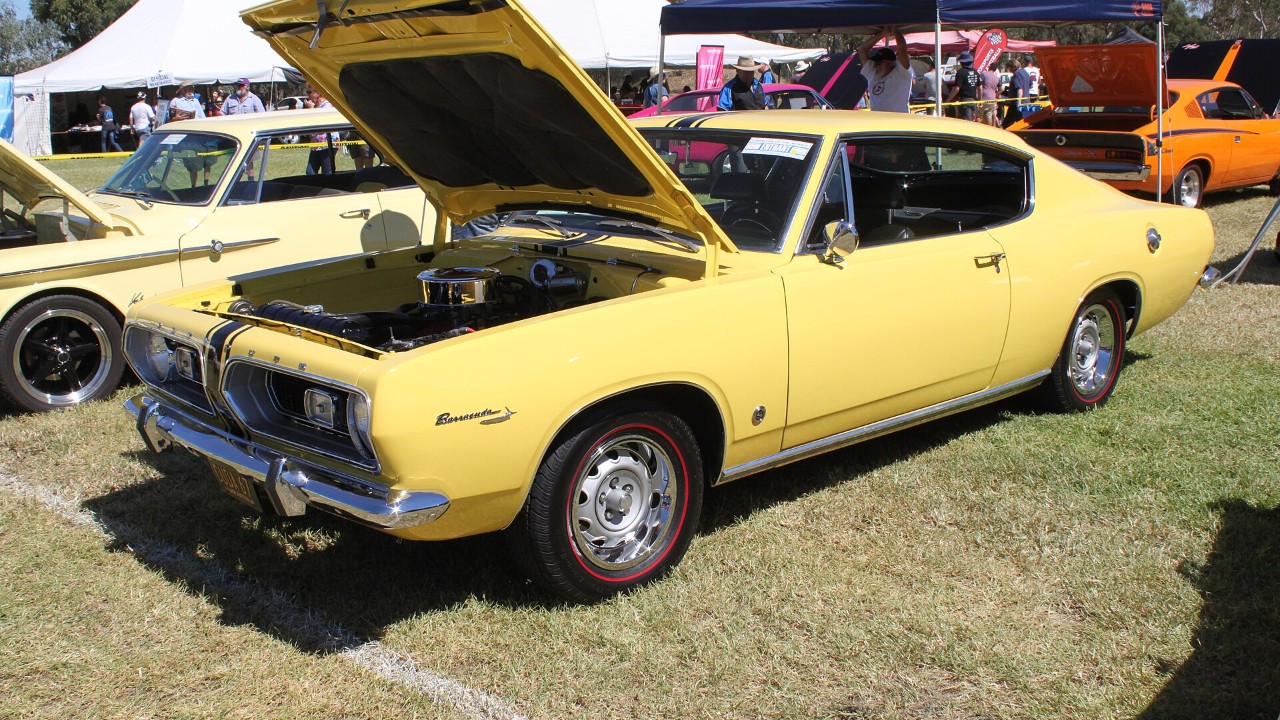
The 1967 car opened the Barracuda’s second generation, which ran through 1969. Plymouth offered it as a fastback, a notchback coupe and a convertible for the first time. The A-body also grew, because the wheelbase went from 106 inches to 108 inches.
The base engine was the 225-cubic-inch slant six, and two- and four-barrel 273 V8s sat above it. At the top, a rarely ordered 383 big-block came only with the Formula S package. That engine carried a 280 hp rating. Meanwhile, Hagerty’s look at the 1967 to 1969 Barracuda calls the fastback “the purest iteration of the Barracuda design.”
Plymouth built 62,534 Barracudas for 1967, across all three bodies. Our take: the fastback is the one we would choose, because the roof makes the car. For more on the nameplate, see our list of Barracudas that made Mopar fans for life.
2. 1976 Toyota Celica GT Liftback
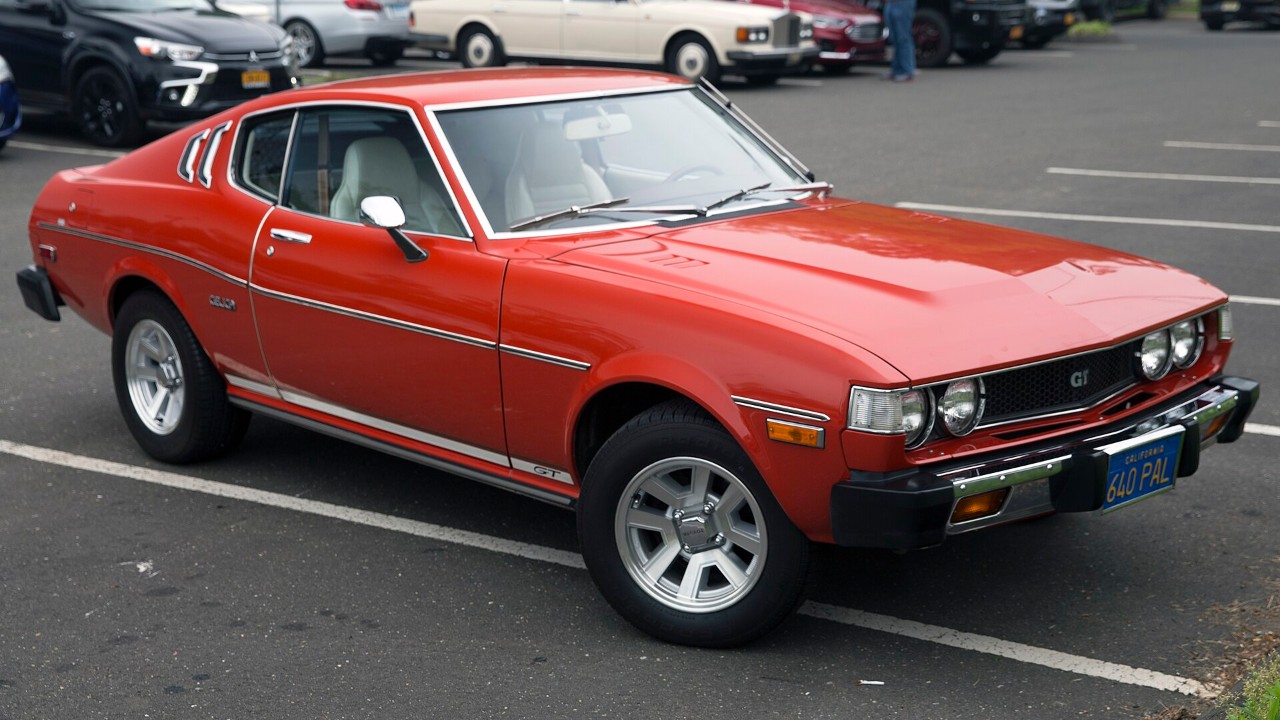
Toyota launched the Celica Liftback in Japan in April 1973. Export buyers, however, had to wait until July 1974. Its styling borrowed openly from the 1969 Ford Mustang fastback, with louvers on the rear pillars and vertical-bar tail lights.
In North America, the 1976 GT Liftback used a single-cam 2.2-liter 20R four-cylinder. It was the only engine for that body in 1976 and 1977, and it made 96 hp. That year, the Liftback GT also won Motor Trend’s Import Car of the Year award. By comparison, buyers in other markets could get a twin-cam 18R-G engine.
In our view, this is the friendliest way into a 1970s fastback. It gives you the pony-car shape with a simple Toyota four up front, and the hatch makes it easy to live with.
3. Toyota Sprinter Trueno GT Apex (AE86)
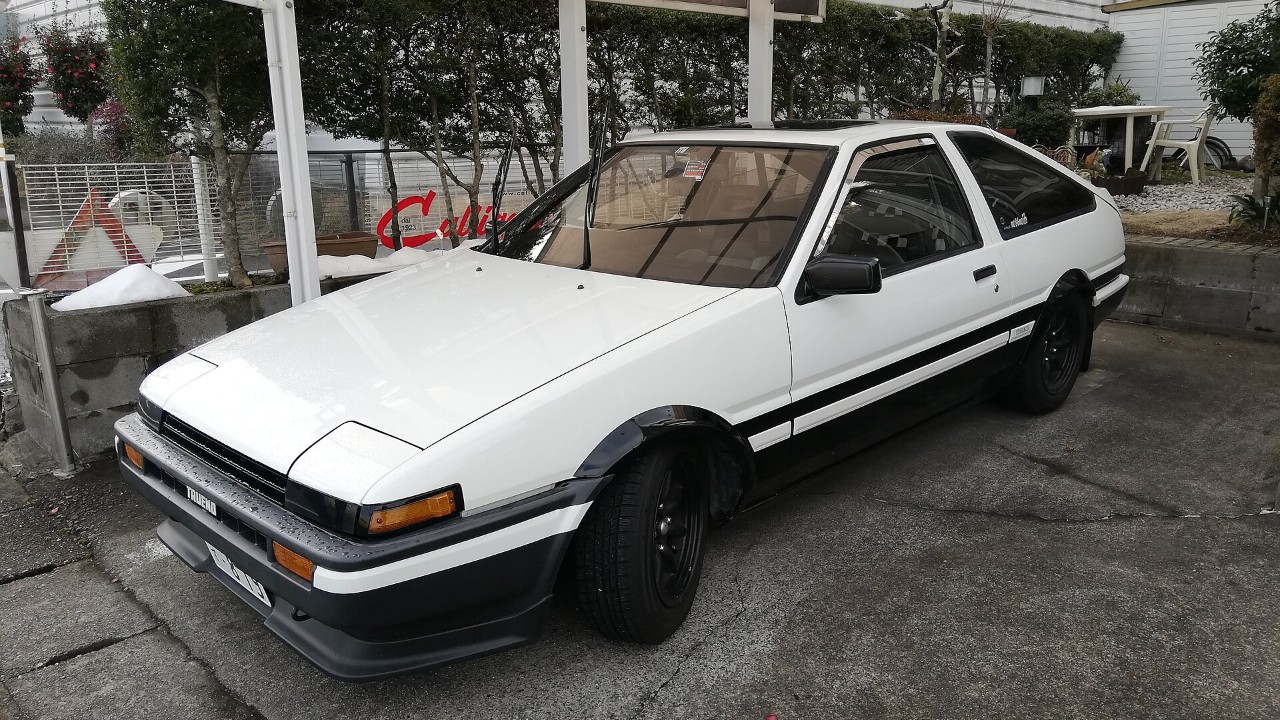
Toyota built the AE86 from May 1983 to July 1987. It came in two versions, the Corolla Levin and the Sprinter Trueno. The Levin had fixed headlights, while the Trueno got pop-up lights. The GT Apex was the top trim, and it was the only one with brown-tinted glass.
At its heart sat the 4A-GE, a 1,587 cc twin-cam four. In Japanese trim, it made 130 PS. It also sent power to the rear wheels, and the AE86 was the last production Corolla to do that. As a result, it became a favorite of Keiichi Tsuchiya, the “Drift King,” who raced an AE86 Levin in Japan.
Later, the Initial D series made a Trueno GT Apex liftback the delivery car of its hero, Takumi Fujiwara. Our take: that fame is earned. A revvy twin-cam engine and rear drive are the recipe for fun.
4. 1968 AMC Javelin SST
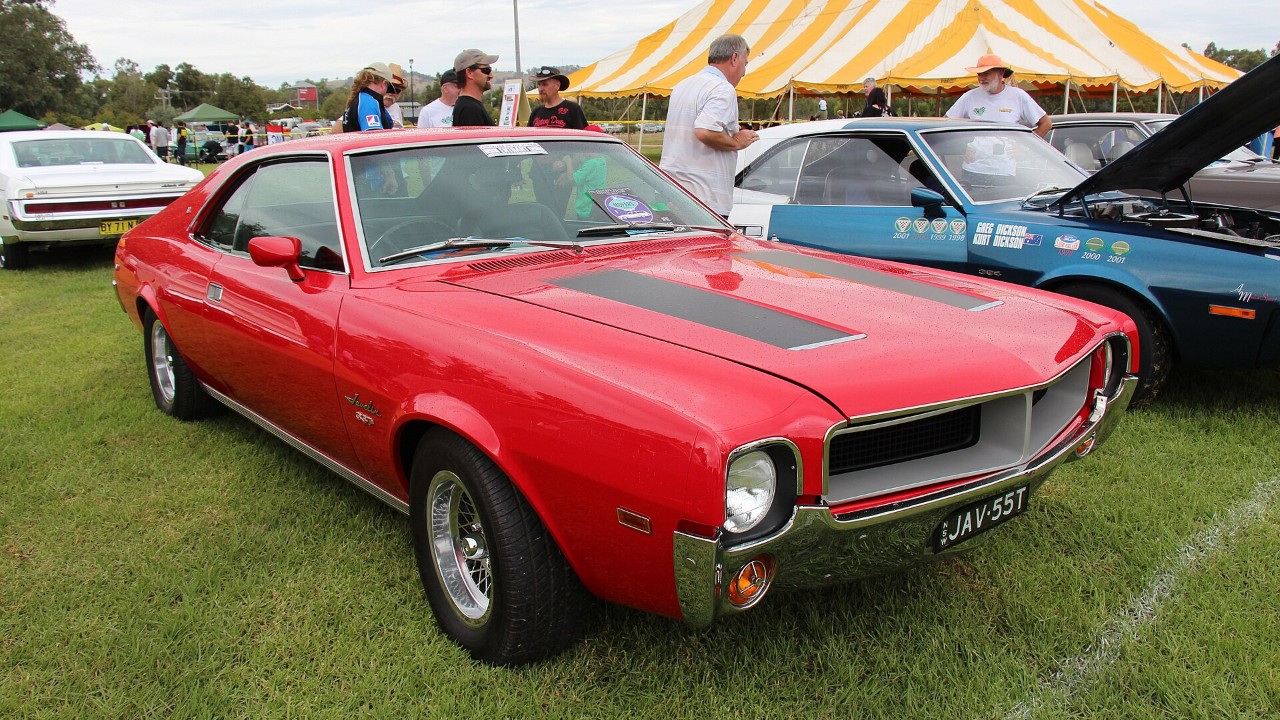
AMC revealed the Javelin on August 22, 1967, for the 1968 model year. It reached showrooms on September 26 with a starting price of $2,743. In fact, the first 1,000 buyers averaged just 29 years old. That was good news, because AMC had a sensible image.
The Javelin was a two-door hardtop with a smooth semi-fastback roofline, which set it apart from other pony cars. The SST added reclining front seats, wood-grain door trim and a sports steering wheel. Then, in mid-1968, AMC added a 390 V8 rated at 315 hp. In the end, AMC built 55,125 Javelins that first year.
The car also went racing straight away. AMC hired Kaplan Engineering to run two Javelins in the 1968 SCCA Trans-Am series, and it finished third in the over-2-liter class. Our take: the SST is the trim to find, because it pairs the shape with the nicer cabin. We also covered forgotten Javelins that pure drivers love.
5. 1991 Saab 900 Turbo 16 3-door
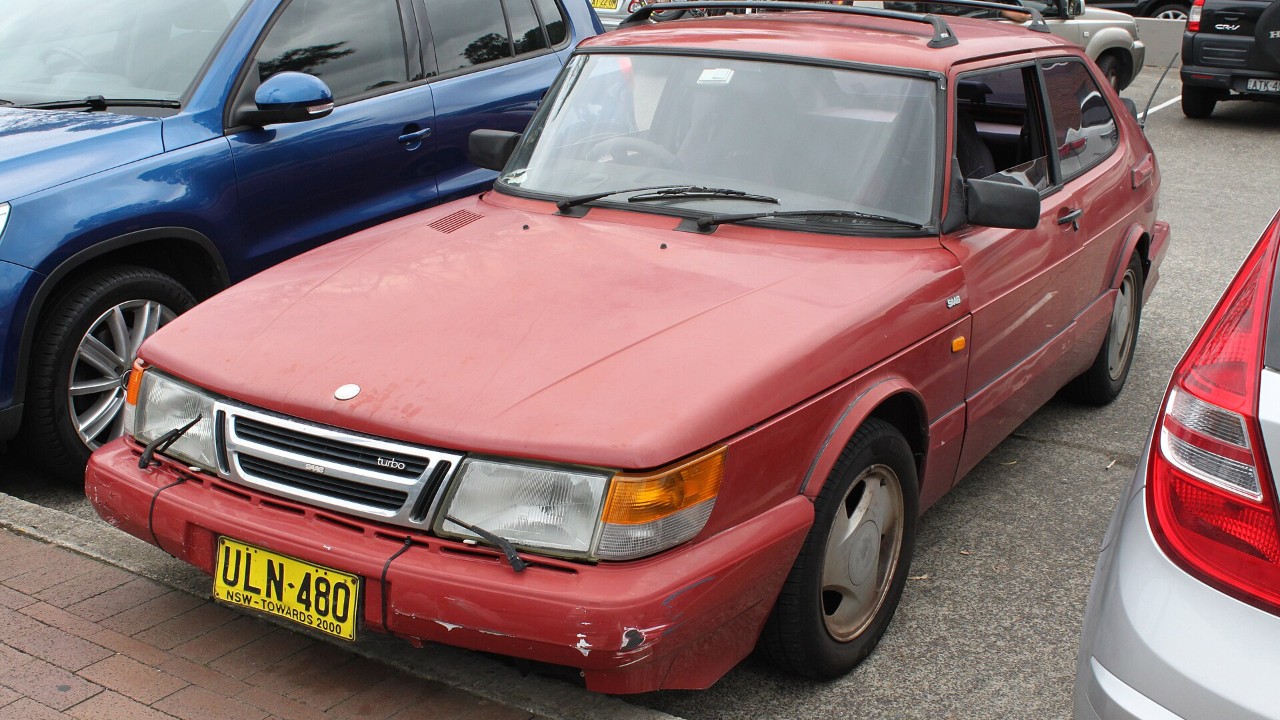
Saab launched the 900 in 1978, and the Turbo followed a year later. Then, in 1984, the Turbo 16S arrived with 16 valves and 175 bhp, up from 145 bhp. A 1991 Turbo 16 three-door comes from the late years of that first generation. Even so, the fastback hatch is the classic Saab shape.
Saab offered the car as a three-door or five-door hatch, two- and four-door sedans and, from 1986, a convertible. By the time the new 900 arrived, Saab had built 202,284 first-generation Turbos. Hagerty’s UK buying guide warns about rust, worn turbos and a failing Bosch APC boost control.
In our opinion, the three-door turbo is the 900 to have. It looks odd to some people, yet it drives like a quick, practical coupe. Check for blue smoke on start-up, which can point to a tired turbo.
6. Ford Capri II
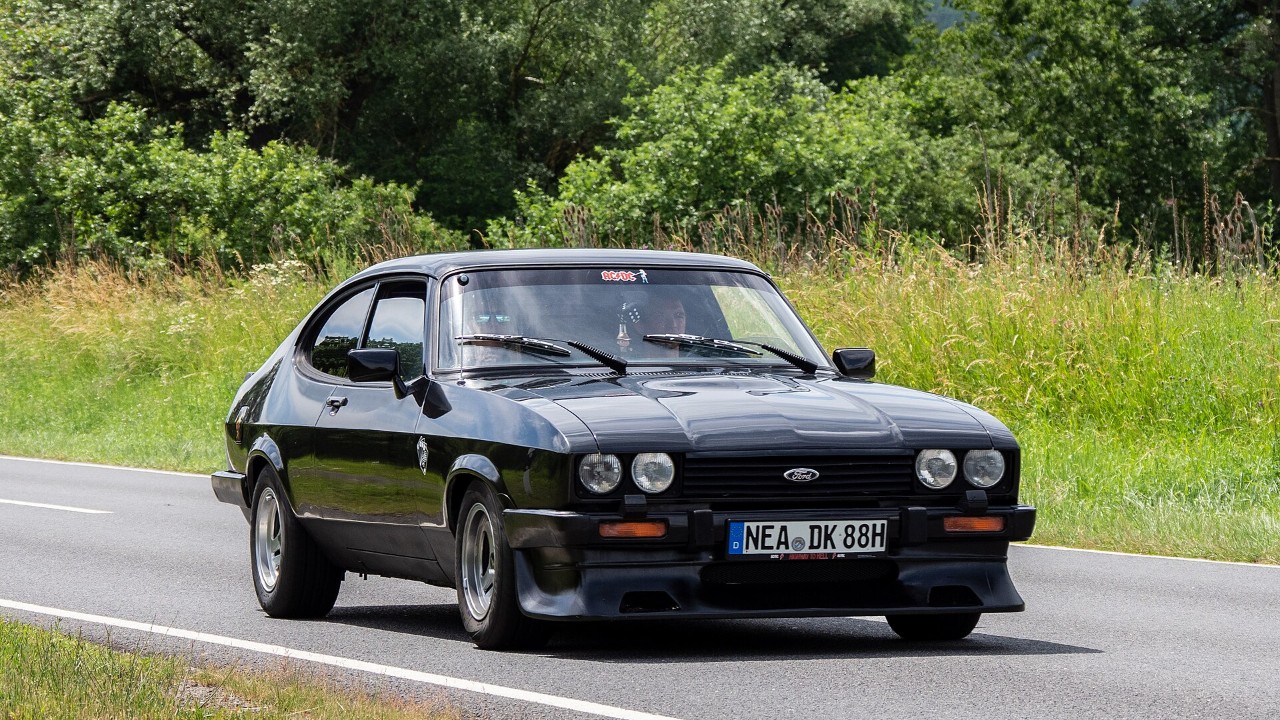
Ford introduced the Capri II at the Brussels Motor Show in February 1974. The biggest change was at the back. A full three-door hatchback replaced the first car’s separate trunk, and a folding rear seat added cargo space.
Engines ran from a 54 bhp 1.3-liter four to a 138 bhp 3.0-liter Essex V6. A Ghia version added leather facings, a vinyl roof and extra chrome. According to Car & Classic’s Capri Mk2 guide, the three-year run was the shortest of any Capri generation. The same guide names the tailgate seal channel as the main rust risk.
Our take: the Mk2 is the forgotten middle child of the Capri story, and that is its appeal. It brings European fastback style with an easy hatch for daily use. If you shop for one, lift the tailgate and check the roof rail above it first.
7. 1978 Mazda Savanna RX-7
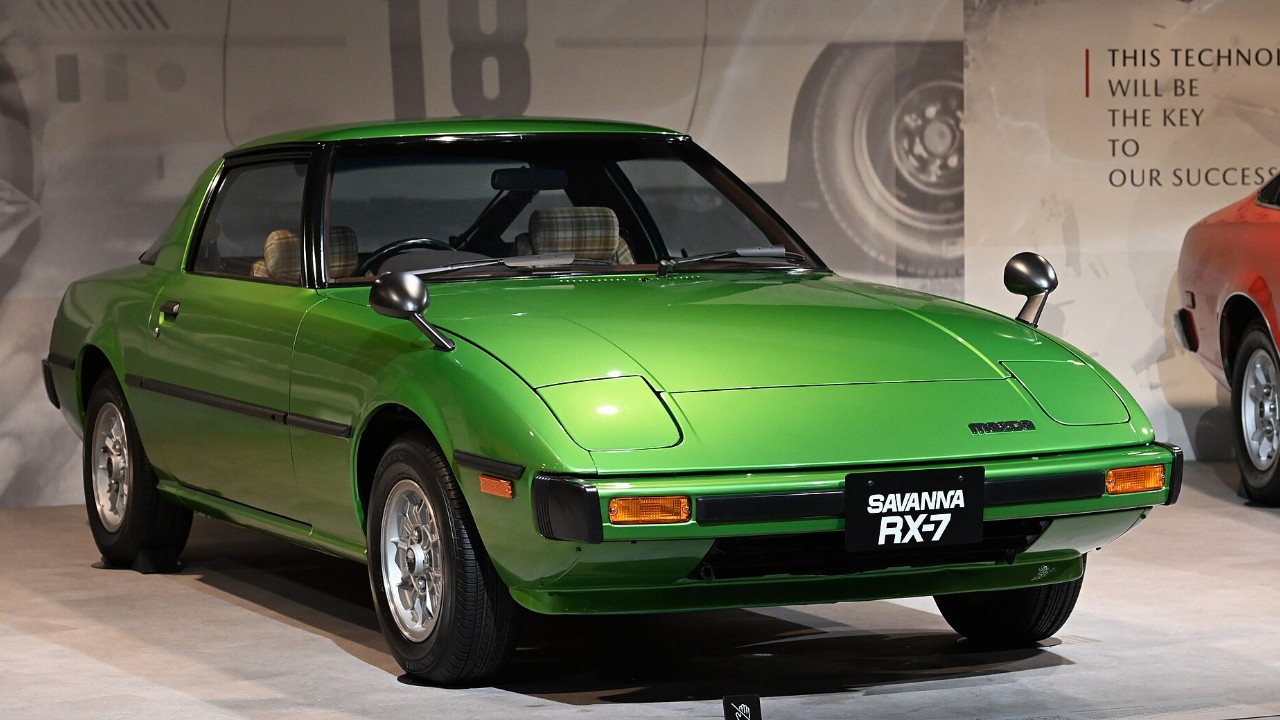
Mazda introduced the RX-7 in Japan in March 1978, where it was sold as the Savanna RX-7. It replaced the Savanna RX-3. The first car was a two-seat coupe with a rear hatch and a 1,146 cc 12A twin-rotor Wankel engine. In Japan, that engine made 130 PS, while North American cars were rated at 100 hp.
The car weighed under 1,100 kg, and it proved itself on track quickly. At the 1979 24 Hours of Daytona, RX-7s finished first and second in the GTU class. Mazda then won the IMSA GTU title seven years in a row. Later, a TWR-entered RX-7 won the 1981 Spa 24 Hours outright.
In our view, the first RX-7 is the purest of the line. Our story on Mazda RX-7 generations covers the later cars. Mazda built 471,018 of the first generation.
More from Fast Lane Only