It started like the most normal kind of commute: bumper-to-bumper traffic, half a coffee left, and that low-level stress that comes from watching the clock while the highway turns into a parking lot. Then the smell hit. Not “someone’s brakes are hot” or “that truck is running rich,” but a sharp, chemical odor that screamed burning plastic.
At first, it was easy to second-guess. Maybe it was outside, maybe it was the car ahead, maybe it was a weird whiff from a construction zone. But within a minute it got stronger, and that’s when the driver did the one thing that matters most in these moments: they trusted their nose and started looking for a safe way to get off the road.
A suspicious smell and a dashboard that didn’t quite feel right
While inching forward in rush hour, the cabin started to feel “off.” The electronics were still on, but a few little cues didn’t add up—an accessory flicker here, a warning chime that seemed a beat late there. Modern luxury sedans have enough sensors and modules to run a small city, and when something in the electrical system gets unhappy, the clues can be subtle before they’re not.
The driver cracked a window, hoping it would clear. It didn’t. If anything, the smell got more concentrated, like it was coming from inside the car rather than the lane next to it.
Traffic finally loosened enough to reach a shoulder and shut the engine off. No smoke poured from under the hood, which was both reassuring and confusing. Burning plastic without visible smoke is the automotive equivalent of smelling toast in an empty house—something’s happening, and it’s probably not nothing.
What they found wasn’t under the hood—at least not at first
When the vehicle was later inspected, the cause didn’t immediately look like a “classic” electrical failure. No obvious melted battery terminal, no alternator drama, no chewed wiring from an ambitious rodent. Instead, the trail led to something most drivers never think about: the panoramic roof drain system.
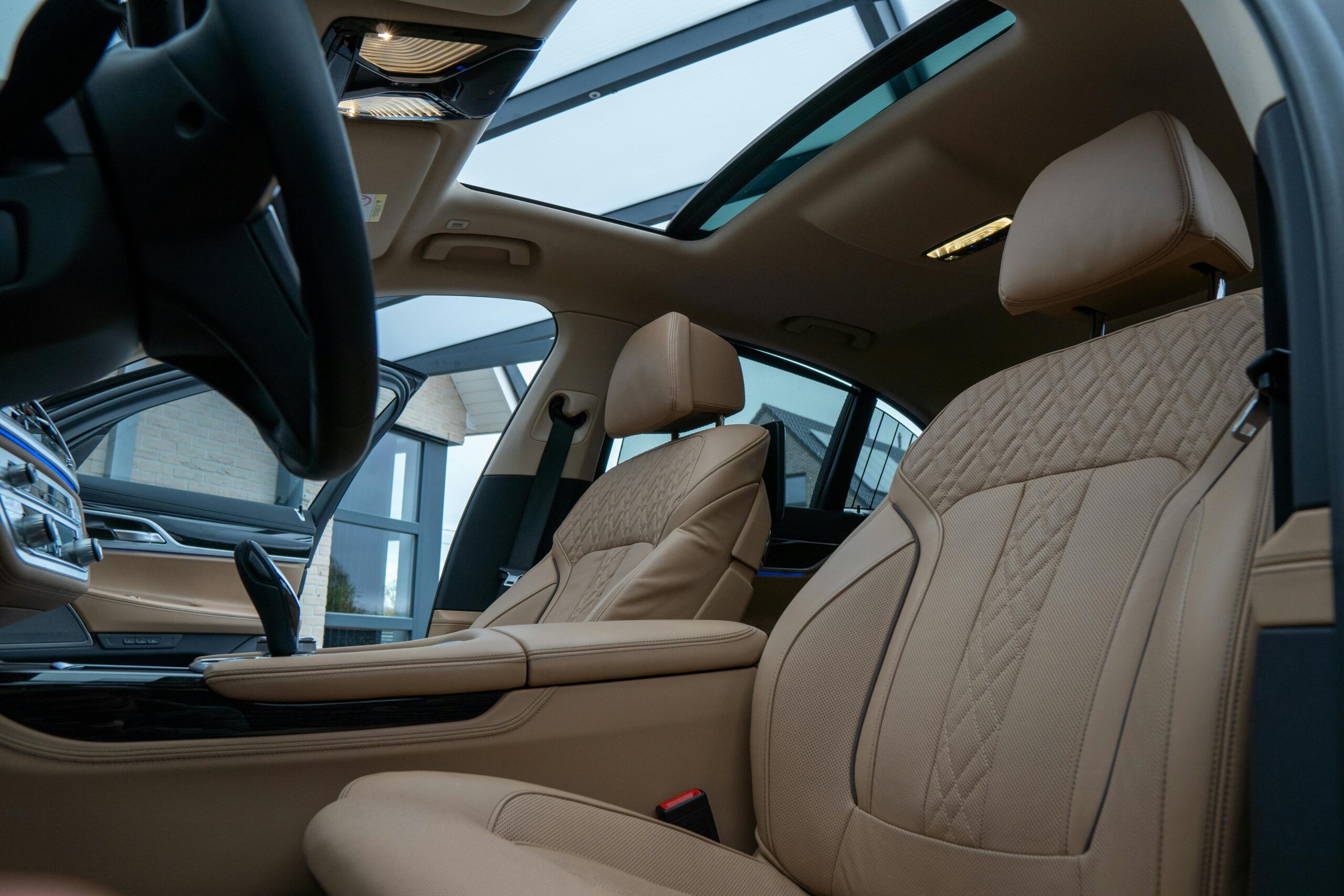
Panoramic roofs are great for sunshine and stargazing, but they come with plumbing. Around the roof opening, there are channels designed to catch water that slips past the outer seals. That water is supposed to drain down tubes and exit under the car, quietly and harmlessly, like rainwater through a gutter.
In this case, a drain path had been compromised—either partially clogged, disconnected, or cracked. And instead of exiting where it should, water had been routed into a place it absolutely didn’t belong: the fuse box area.
The big twist: water met electricity, and rush hour didn’t help
Here’s the part that surprises people: it doesn’t take a flood to cause serious electrical trouble. A slow drip is enough if it lands in the wrong spot for long enough. Water can bridge contacts, corrode terminals, and create resistance that turns normal current flow into heat.
And heat is what produces that burning-plastic smell. Not always flames, not always dramatic smoke—sometimes it’s insulation warming up, a connector cooking, or a fuse panel deforming just enough to make your nose do the warning for the dashboard.
Rush hour makes it worse because the car tends to sit at low speed with lots of systems running: cooling fans cycling, infotainment on, lights, chargers, driver-assist modules, and stop-and-go power demands. If a wet connection is intermittently shorting or heating up, that’s the perfect environment for it to get progressively uglier while you’re stuck between exits.
Why fuse boxes are especially vulnerable
Fuse boxes and power distribution modules are basically mission control for a vehicle’s electrical system. They’re designed to be protected, but they also have tons of exposed terminals and tight packaging. If water finds its way in, it can sit in corners, wick along wiring, and spread corrosion like it owns the place.
Even “just a little moisture” can do three nasty things at once. It can create a short (sudden current where it shouldn’t be), increase resistance (slow heating over time), or confuse control modules (leading to weird intermittent issues). Any one of those can produce hot spots that smell like melting plastic long before you see a flame.
To make it more annoying, the first symptom might not be obvious electrical failure. It can show up as random warning lights, a battery drain that seems mysterious, or a car that occasionally acts like it’s had one too many energy drinks.
Common clues a roof drain is clogged or leaking
This kind of problem rarely announces itself with a polite calendar invite. More often, it leaves clues that are easy to brush off until something expensive happens. A musty odor after rain, damp carpet near the A-pillars, or water stains around the headliner can all be early hints.
Some drivers notice sloshing sounds when turning, especially after heavy rain or a car wash. Others find the front footwell mysteriously wet even though the windows were closed. And if the vehicle’s electronics start acting possessed right after wet weather, it’s worth thinking “drains” before blaming the battery.
What to do if you ever smell burning plastic while driving
The best move is the boring one: take it seriously. If it’s safe, turn off non-essential electrical loads (seat heaters, high fan speed, extra chargers) and get out of traffic as soon as you can. Once stopped in a safe place, shut the engine off and don’t ignore a smell that’s getting stronger.
Resist the urge to “just make it home,” especially if the smell is coming and going. Electrical faults can escalate fast, and a small hot spot can become a bigger meltdown when the right circuit loads up. If there’s any sign of smoke, call for help and keep a safe distance until you know it’s stable.
And yes, it can feel ridiculous calling a tow over a smell. But it’s much less ridiculous than explaining why the fuse box became a toaster oven halfway through your commute.
How shops typically diagnose and fix this kind of leak
In a proper inspection, a technician will usually check the cabin for water paths—pulling trim where needed, inspecting the drain exits, and testing flow with controlled water. They may also look for water tracks or corrosion around electrical modules and fuse panels. If the leak is active, it often leaves a pretty clear “breadcrumb trail.”
Fixing it can be as simple as clearing a clog and re-seating a drain tube. But if water has been dripping into a fuse box for a while, the repair can expand quickly. Corroded terminals, damaged connectors, and heat-deformed plastic may require replacement parts, not just cleaning.
The tricky part is that water doesn’t always stop at the first component it hits. It can travel along wiring insulation via capillary action, meaning the visible damage might not be the only damage. That’s why thorough electrical testing matters after a leak, even if everything seems fine once it dries out.
A small maintenance item with big consequences
Panoramic roofs are one of those features that feel purely “nice to have” until they quietly become “expensive to ignore.” Drain systems are simple, but they live in a world of pollen, dust, tree debris, and whatever else gets tossed onto a roof. Over time, it doesn’t take much buildup to slow the flow and reroute water into places engineers never intended.
The good news is that the scary part—burning plastic in traffic—can be preventable. Periodic drain checks, paying attention to damp smells, and taking weird electrical behavior seriously can keep a luxury sedan from turning into an accidental science experiment. And if your car ever smells like it’s melting from the inside, trust your nose; it’s often the first warning you’ll get.
More from Fast Lane Only
- Unboxing the WWII Jeep in a Crate
- 15 rare Chevys collectors are quietly buying
- 10 underrated V8s still worth hunting down
- Police notice this before you even roll window down
*Research for this article included AI assistance, with all final content reviewed by human editors.