The Chevrolet Camaro survived changing regulations, shifting consumer tastes, and even production cancellations to become one of America’s greatest performance cars. Several Camaro models faced uncertain futures before reaching showrooms. These eight Camaros nearly never happened but ultimately became important chapters in Chevrolet’s performance history.
Chevrolet Camaro Z28
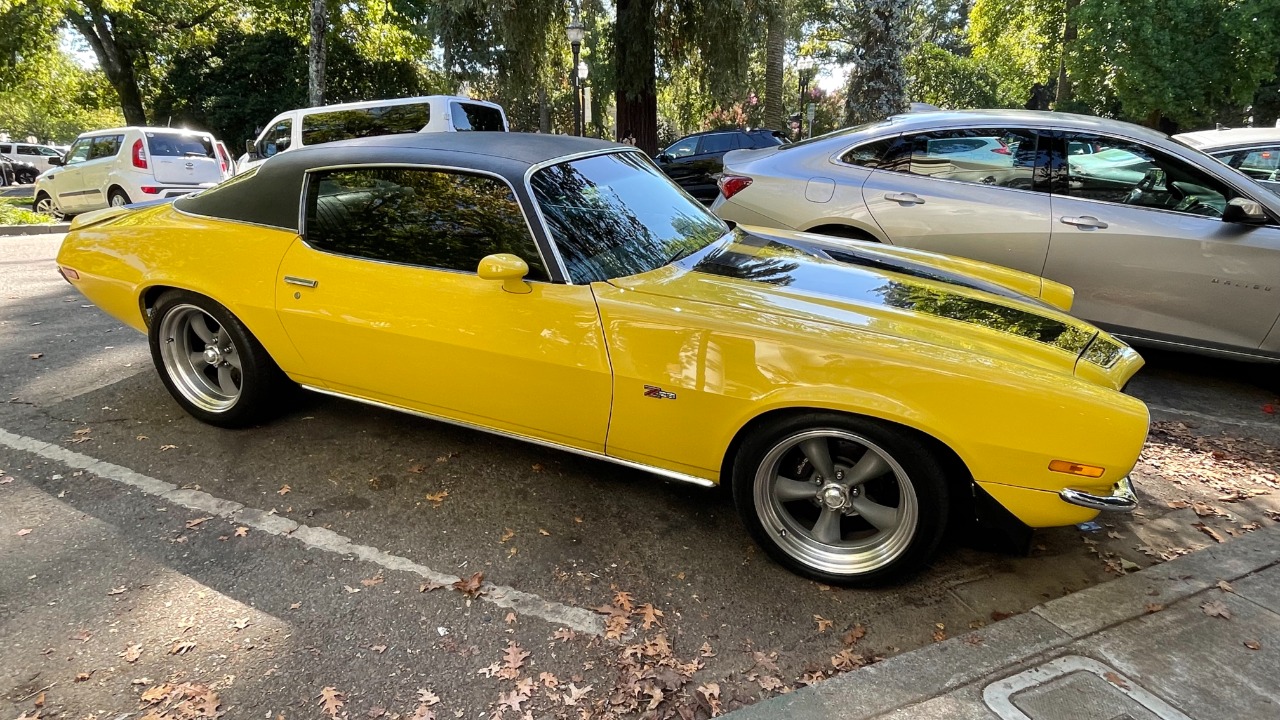
The Chevrolet Camaro Z28 was originally created to meet Trans-Am racing homologation requirements, making it a niche model rather than a mainstream performance car. Chevrolet’s decision to proceed gave enthusiasts one of the most respected handling-focused muscle cars ever produced. The Z28 quickly became a cornerstone of the Camaro legacy.
Chevrolet Camaro SS
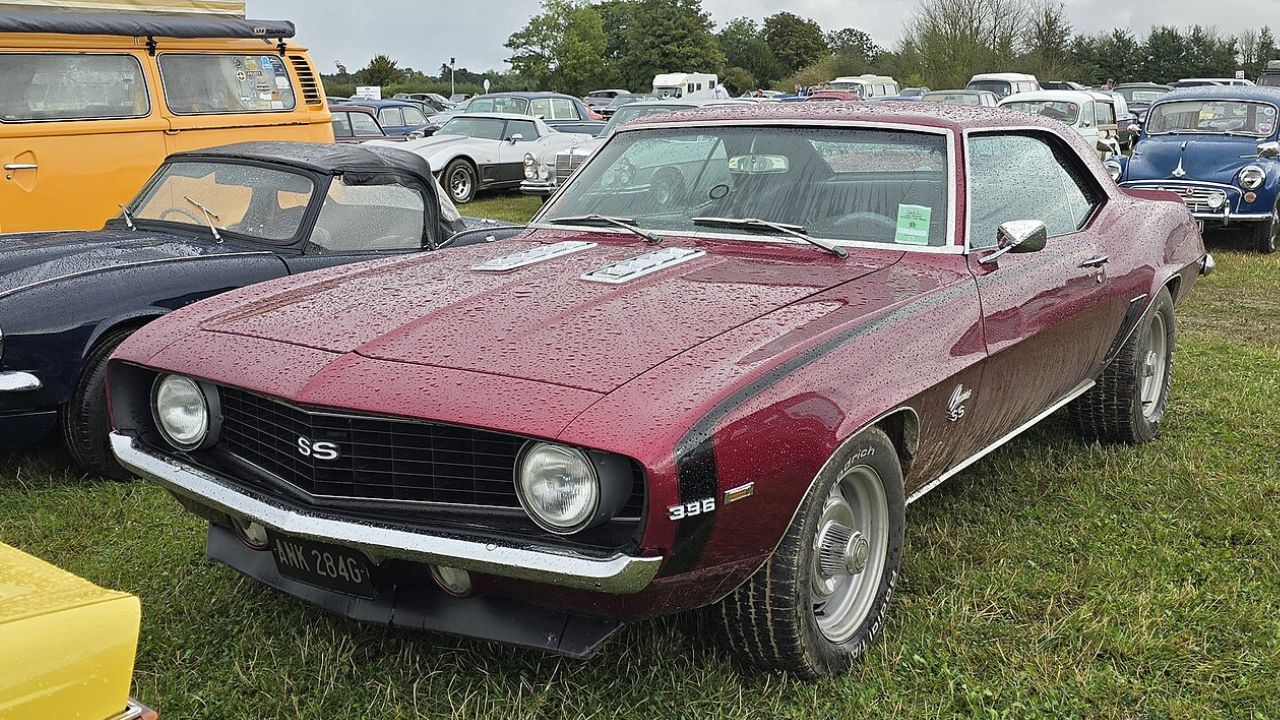
The Chevrolet Camaro SS almost never reached the market as Chevrolet carefully balanced performance with corporate policies during the muscle car era. Once introduced, its powerful V8 engines and aggressive styling made it one of the most recognizable Camaro variants. The SS has remained a performance icon for generations.
Chevrolet Camaro RS

The Chevrolet Camaro RS offered distinctive styling upgrades that gave buyers a sportier appearance without requiring the highest-performance engine. Hidden headlights and unique trim helped it stand out from the standard Camaro lineup. Its popularity proved appearance packages could become just as memorable as performance models.
Chevrolet Camaro IROC-Z

The Chevrolet Camaro IROC-Z was developed through Chevrolet’s partnership with the International Race of Champions series. Featuring improved suspension, fuel-injected V8 power, and aerodynamic styling, it transformed the Camaro’s image during the 1980s. The IROC-Z became one of the defining American performance cars of its decade.
Chevrolet Camaro ZL1
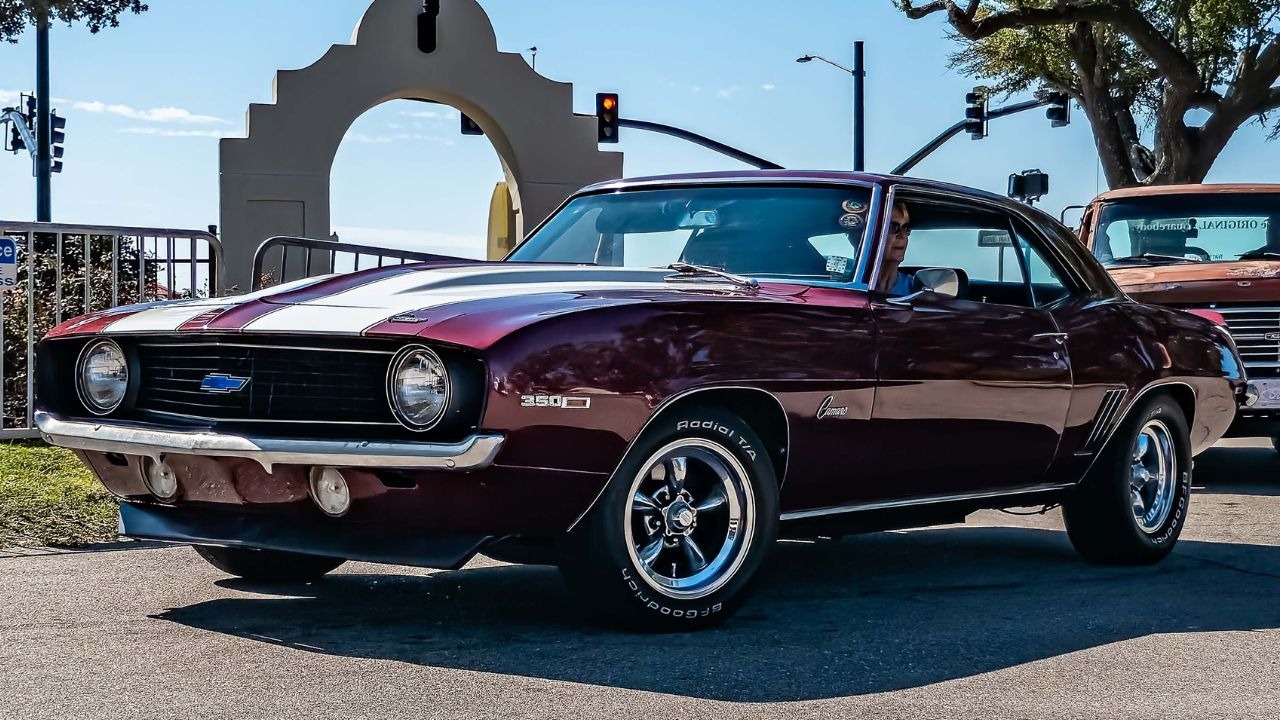
The Chevrolet Camaro ZL1 pushed factory performance to extraordinary levels with advanced engineering and supercharged power. Initially developed as a limited high-performance model, it demonstrated Chevrolet’s commitment to competing with the world’s fastest production cars. Today, the ZL1 stands among the most capable Camaros ever produced.
Chevrolet Camaro Indy Pace Car

The Chevrolet Camaro Indy Pace Car celebrated the model’s role at the Indianapolis 500 with unique graphics, special trim, and limited production. Its exclusive appearance and historical significance made it an instant collector favorite. The Pace Car edition remains one of the easiest special Camaros to recognize today.
Chevrolet Camaro COPO
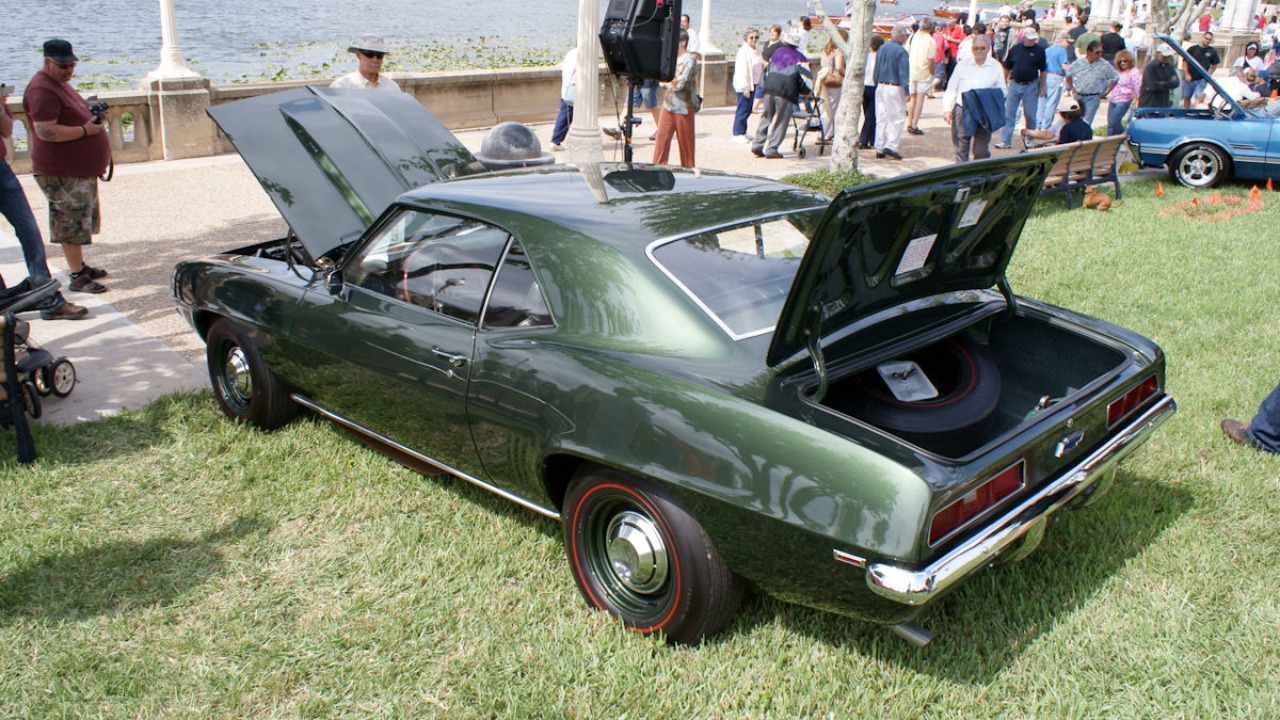
The Chevrolet Camaro COPO originated through a special ordering system that allowed dealers to obtain high-performance engines unavailable through regular production. These purpose-built muscle cars quickly earned legendary status on the drag strip. Their rarity and racing heritage continue making COPO Camaros highly desirable among collectors.
Chevrolet Camaro Berlinetta
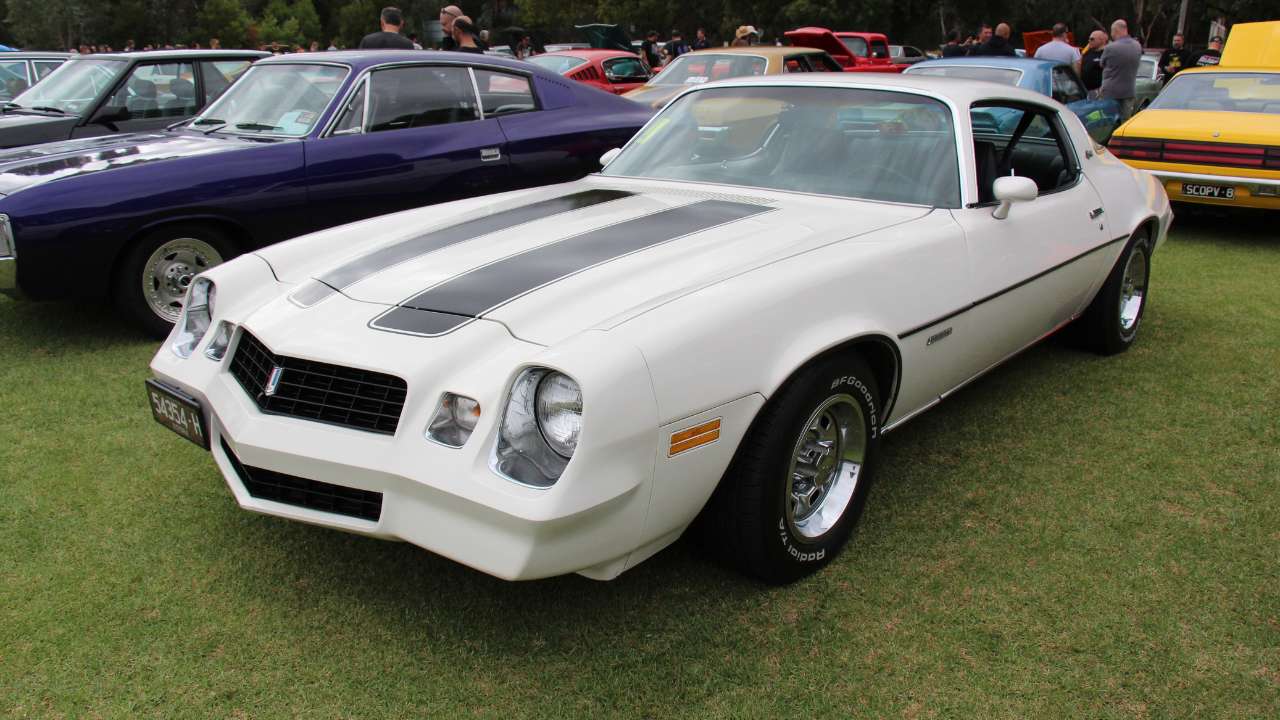
The Chevrolet Camaro Berlinetta focused on luxury and technology at a time when performance cars faced stricter emissions and fuel economy standards. With upgraded interiors and distinctive styling, it appealed to buyers seeking comfort without abandoning the Camaro name. Its unique place in Camaro history makes it an interesting and often overlooked model.
More from Fast Lane Only
- Unboxing the WWII Jeep in a Crate
- 15 rare Chevys collectors are quietly buying
- 10 underrated V8s still worth hunting down
- Police notice this before you even roll window down
*Research for this article included AI assistance, with all final content reviewed by human editors