It started like a lot of “good deal” stories do: a truck needed a routine service, a fuel filter was due, and a cheaper option popped up that looked basically the same as the name-brand part. He figured a filter is a filter, right? Two weeks later, he was on the phone describing a sudden loss of power, rough running, and a dashboard that looked like it had learned new words.
What made it sting was the timing. He says his mechanic had warned him—politely, not dramatically—that one bargain filter in particular had caused trouble before. He went with it anyway, and now he says the injectors completely failed, turning a quick maintenance job into a repair bill that can make anyone sit down for a minute.
The warning that didn’t sound urgent… until it was
According to him, the mechanic’s warning wasn’t the kind that comes with doom-and-gloom theatrics. It was more like, “I’ve seen those collapse” and “If it doesn’t filter well, the injectors pay for it.” The advice sounded cautious, maybe even a little old-school, but not like an emergency.
That’s partly why it’s so relatable. Most people aren’t trying to cut corners for fun—they’re just trying to keep costs predictable. When a cheaper part looks identical and promises the same fit, it’s easy to assume the difference is just packaging and markup.
Two weeks of normal driving, then a fast slide downhill
He says the truck ran fine at first. No immediate warning lights, no obvious stumble, no signs that anything was wrong. Then it started to hesitate under load, especially when accelerating or climbing, the exact moments a diesel needs clean, steady fuel delivery.
Within days, the symptoms got louder. Hard starts, uneven idle, and a “something’s not right” vibration that’s tough to ignore once you feel it. Finally, the truck lost power enough that it had to be parked, and that’s when the injector failure diagnosis landed.
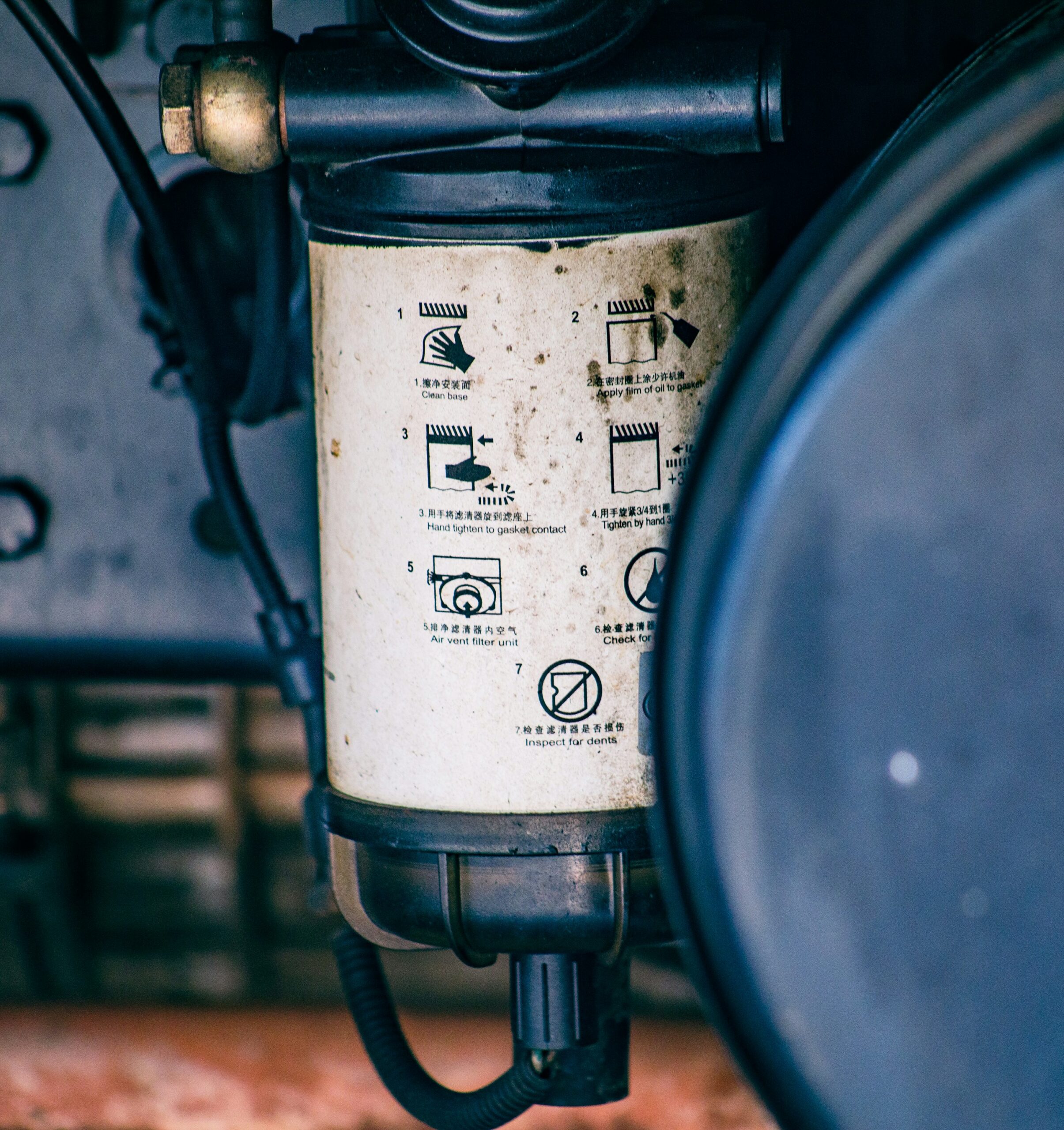
Why fuel filters matter more than people think
A fuel filter’s job sounds simple: trap junk before it hits expensive components. But modern diesel systems aren’t forgiving, especially common-rail setups that run at extremely high pressure with tight tolerances. Tiny particles that would’ve been “no big deal” on older systems can score injector internals, clog precision passages, or wear components just enough to cause misfires and poor atomization.
There’s also water. Diesel can pick up moisture through condensation, poor storage, or contaminated fuel, and many filters are designed to separate water as well as trap debris. If that separation performance is weak—or if seals and media quality are inconsistent—water can move downstream and create corrosion and wear in places you really don’t want it.
What “cheap” can mean in a fuel filter
Not every budget part is junk, but filters are one of those items where manufacturing details matter. The filter media might be thinner, have less surface area, or be made from material that doesn’t hold up under flow and temperature swings. End caps, adhesive, and internal supports can also be weaker, which can let the media deform or allow unfiltered fuel to bypass when pressure changes.
Then there’s the bypass valve calibration on some filter designs. If it opens too easily, fuel can slip past the media during cold starts or heavy throttle, taking the “shortcut” straight to the high-pressure pump and injectors. It’s like having a security guard who clocks out whenever it gets busy.
How a filter problem can snowball into injector failure
He says the shop found signs consistent with contamination moving through the system. Once abrasive particles or water reach injectors, damage can happen fast because everything inside is precisely machined and constantly cycling. Even minor wear can affect spray pattern, which can create knock, poor combustion, smoke, and rising exhaust temps.
And injectors don’t always fail politely one at a time. If the fuel supply is dirty, multiple injectors can suffer together, and the truck’s computer may start compensating until it can’t. By the time the symptoms are obvious, the damage may already be done.
What the repair looked like (and why it got expensive)
Injector replacement is rarely a simple “swap and go” on modern diesels. Depending on the truck, it can involve programming, balance rate checks, and careful cleaning to keep new parts from being contaminated. If contamination is suspected, shops often recommend replacing the filter again, flushing lines, and sometimes inspecting the high-pressure pump too.
That’s where costs balloon. Injectors themselves aren’t cheap, labor can be significant, and diagnostics takes time because shops want to be sure they’re not sending you back out with a fresh set of injectors that’ll get chewed up by the same underlying issue. Nobody wants a comeback job—especially the person paying for it.
Mechanics see patterns, even when owners don’t
The interesting part of this story is how ordinary it is. Mechanics don’t usually warn against one part number because they’re bored; they do it because they’ve seen repeats—filters that don’t seal, media that collapses, or off-brand units that vary from batch to batch. When a tech says, “I’ve seen those cause trouble,” it’s often shorthand for “I’ve watched three people learn this the hard way.”
He admits he discounted the warning because the filter was marketed as compatible and had decent reviews. But reviews don’t always tell you how a filter performs at high flow, in cold weather, or after thousands of miles. A lot of parts look great on day one.
How to avoid this happening to you
If you’re running a diesel—especially one with a high-pressure common-rail system—treat the fuel filter like insurance, not a place to gamble. Stick with OEM filters or reputable brands known for diesel filtration, and be cautious with “too cheap to ignore” deals from unfamiliar sellers. Counterfeit or poorly stored filters are a real thing, and they don’t come with a warning label.
It also helps to buy from a trusted supplier so you know what you’re getting. If a mechanic recommends a particular filter brand, ask why—they’ll usually tell you what they’ve seen in the shop, and that’s better data than a product listing. And if your truck has a water separator, drain it on schedule, because clean fuel isn’t just about dirt.
The takeaway he wishes he’d taken seriously
He says the painful lesson wasn’t that every cheaper part is bad. It was that a fuel filter is one of those “small” purchases that protects some of the most expensive parts on the truck. Saving a little upfront felt smart… right until it didn’t.
Now he tells other owners the same thing his mechanic told him—just with more urgency and a lot less optimism. If someone who works on these trucks every day flags a filter as risky, it might be worth listening. Because two weeks is a very short time for a “deal” to turn into a rebuild-sized headache.
More from Fast Lane Only
- Unboxing the WWII Jeep in a Crate
- 15 rare Chevys collectors are quietly buying
- 10 underrated V8s still worth hunting down
- Police notice this before you even roll window down
*Research for this article included AI assistance, with all final content reviewed by human editors.