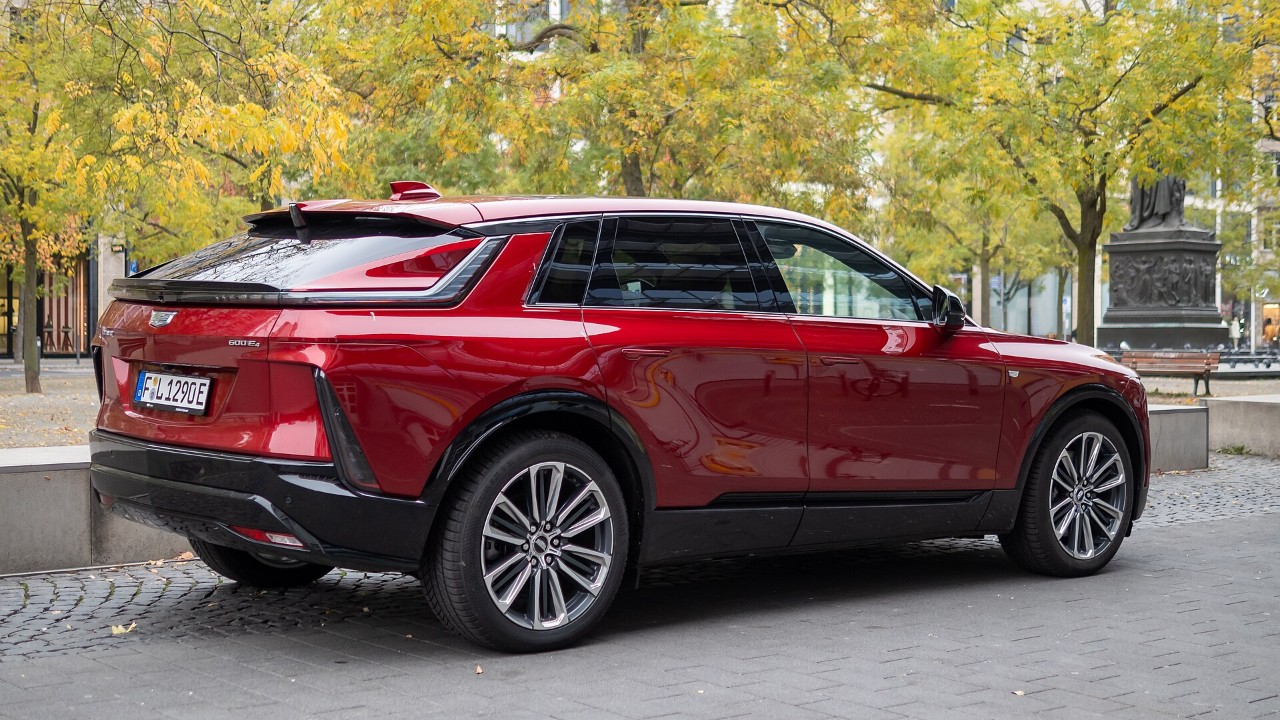
General Motors is recalling 67,380 electric SUVs because a brake software fault can briefly cut braking at low speed. The Lyriq brake recall also covers the Cadillac Celestiq, the Cadillac Vistiq and the Chevrolet Blazer EV. In each case, the problem sits in the code that runs the brake control module, so the fix is a free software update.
This is not the first time Lyriq brakes have drawn a recall. In fact, GM says the new fault survived the update it pushed out for an earlier brake campaign in 2024. That history is part of why the new filing matters to owners.
Here is which vehicles the campaign covers, what goes wrong, how GM found it and when owners will hear about the fix.
Which EVs are in the Lyriq brake recall
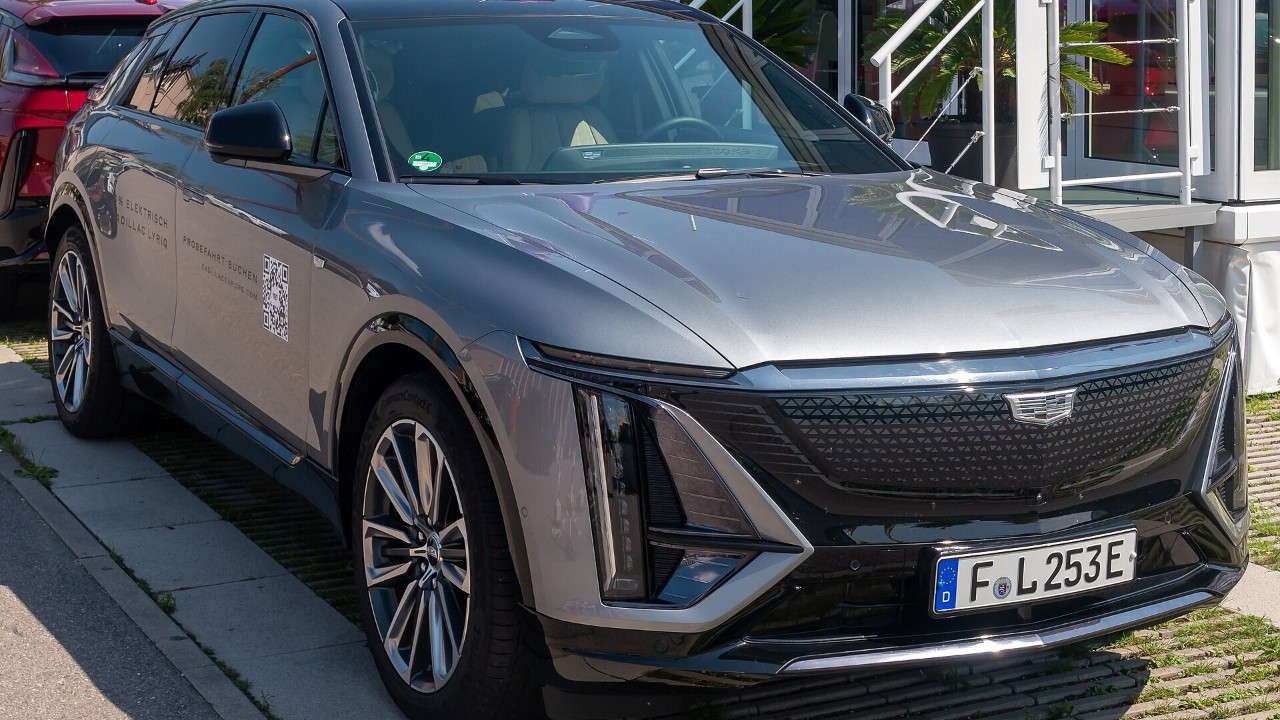
The campaign is NHTSA number 26V717, and GM’s own number for it is N262570900. According to The Brake Report’s summary of GM’s Part 573 filing, GM submitted the report to federal regulators on October 29, 2026. Dealers got notice the same day.
The filing lists four model lines. It covers 2023 to 2027 Cadillac Lyriq, 2024 to 2027 Chevrolet Blazer EV, 2025 and 2026 Cadillac Celestiq, and 2026 and 2027 Cadillac Vistiq. However, it includes only versions with GM’s performance all-wheel-drive setup, coded RPO X0E. On the Blazer EV, that layout comes only on the SS and the police-pursuit PPV trims.
The Lyriq makes up most of the total. By model year, the filing counts 474 Lyriqs from 2023, 22,819 from 2024, 11,926 from 2025, 9,322 from 2026 and 44 from 2027. Meanwhile, the Vistiq adds 13,627 from 2026 and 5,175 from 2027. The Blazer EV accounts for 3,911 across four years, and the hand-built Celestiq adds just 82. Together, those counts come to 67,380.
What goes wrong with the brakes
The fault lives in the brake system control module, or BSCM. That module works out wheel slip, which is how the car decides whether a wheel is locking up. According to the filing, the slip calculation can misread how the wheels are moving in one narrow situation.
Picture a driver easing out of a driveway. The driver rests lightly on the brake, the car creeps along and the wheel sits at a sharp angle. Then a tire drops over a bump or a dip, such as the lip at the end of the drive. At that point, the software can briefly release the brakes and then apply them again.
The result is a short loss of braking at low speed, and GM says that raises the risk of a crash. Normal braking returns the next time the driver presses the pedal. Still, a garage wall or a parked car can be very close in exactly the places this happens.
GM estimates that 100% of the recalled vehicles have the defect. Even so, it did not tell owners to stop driving or to park outside. The filing also does not name a supplier for the module.
How GM traced the fault
The new campaign grew out of an older one. In August 2024, GM filed recall 24V589 for 21,469 all-wheel-drive Lyriqs from the 2023 and 2024 model years. According to the NHTSA record for 24V589, the anti-lock system on those SUVs could activate unexpectedly and release brake pressure. The remedy then was also a free software update for the electronic brake control module, by air or at a dealer.
That update did not cover everything. Between February 28, 2024, and June 11, 2026, GM received 24 field complaints that may tie to the new condition. Those include 20 minor accidents, and two of them involve claims of minor injuries.
Then, on April 10, 2026, a GM technical expert filed a report through the company’s Speak Up for Safety program. That report followed a low-speed incident in which a 2024 Lyriq struck a garage. Notably, that SUV already had the software GM used to fix 24V589.
Next, GM opened a product investigation on August 18, 2026. Its testing reproduced the problem and tied it to specific conditions in certain performance all-wheel-drive setups that the earlier fix missed. As a result, GM’s safety field action committee decided on October 22 to recall the vehicles.
The fix and what owners should do
The remedy is a new BSCM software release at no charge. Owners whose vehicles can take wireless updates, and who have accepted GM’s terms, can install it over the air. Alternatively, any owner can have a GM dealer load it.
The new release also addresses the 24V589 condition. For that reason, GM will close out performance all-wheel-drive SUVs still open under the older recall once they get the new update.
GM has already changed the software on the assembly line. The fix went into the 2027 Blazer EV on August 8, 2026, the 2026 Lyriq on September 7 and the 2027 Vistiq on October 21. GM corrected the 2027 Celestiq as well, although the filing gives no date for it.
If you own one of these EVs, watch for an over-the-air prompt and check your VIN on NHTSA’s recall lookup. Until the update is in, give yourself extra room when braking hard into tight, bumpy driveways. GM expects its owner letters to start going out on December 14, 2026.
More from Fast Lane Only