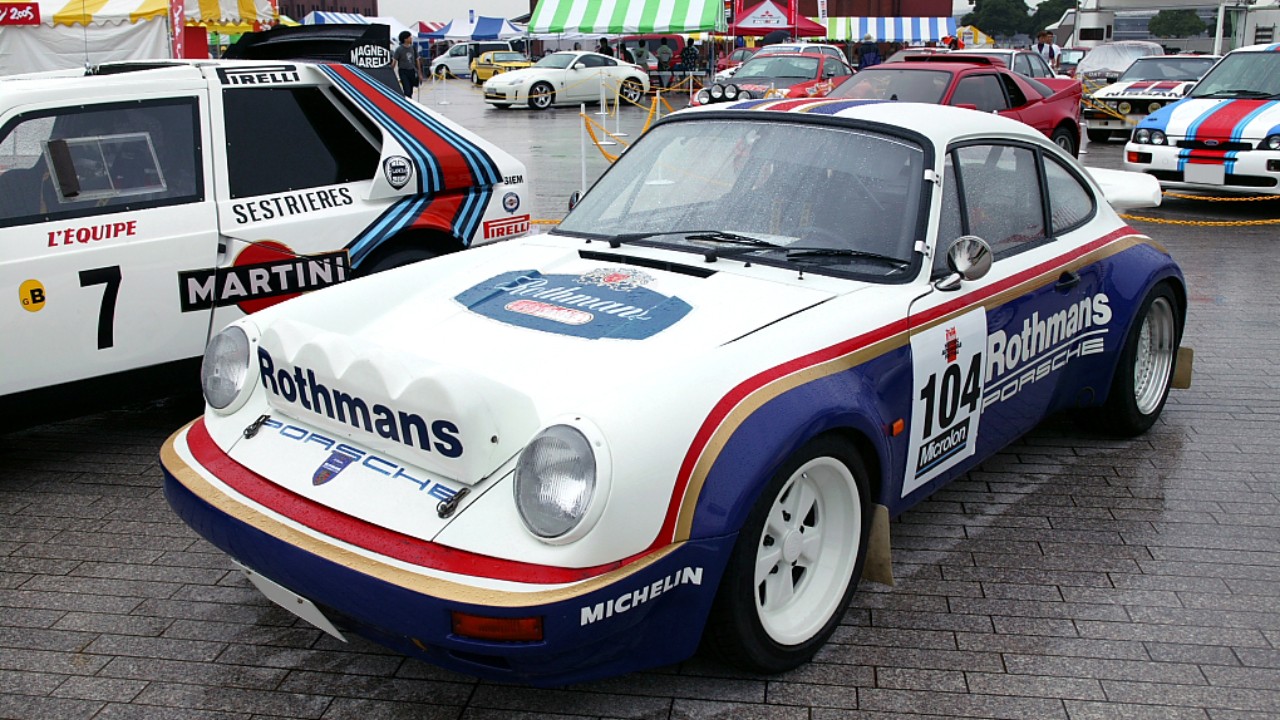
Porsche planned just 20 cars for its 1984 Porsche 911 SC RS, a run built so the 911 could compete in Group B rallying. That’s how homologation worked. A maker had to build a set number of road cars before its rally car could race, and for Group B the floor was 200.
The famous results of those rules, such as the Audi Quattro, are well known. However, the same rules also produced a crowd of smaller, stranger road cars that most people have forgotten. Some were front-wheel-drive hatchbacks turned inside out. Others were Japanese coupes that won in Africa long before Japanese rally cars ruled the world.
These are our picks: seven forgotten rally homologation cars that we think were pure blasts to drive. The verdict is our opinion, so the fun is our call. Every engine, figure and result, on the other hand, comes from the record.
1. 1984 Porsche 911 SC RS
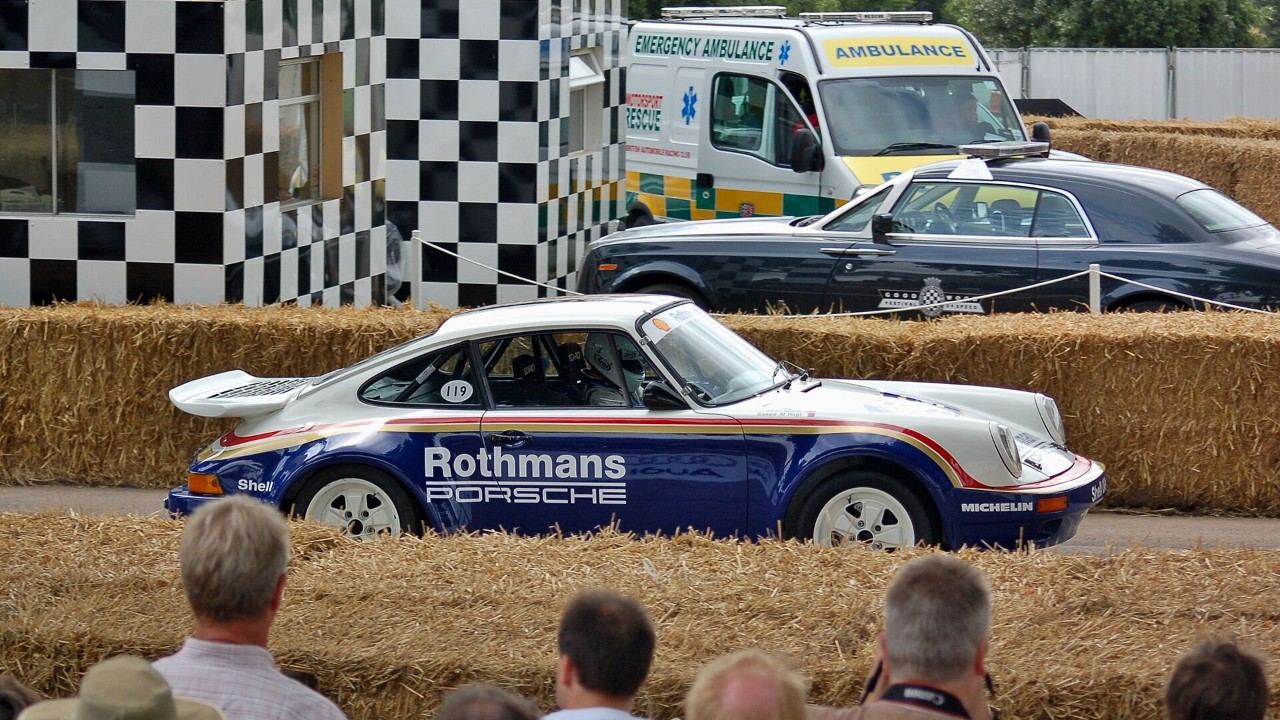
Porsche built the SC RS to homologate the 911 for Group B, in the class for cars under three liters. According to Road Scholars’ history of the car, the plan called for an evolution run of 20 cars, and only six had factory support. Prodrive handled the re-engineering for the Rothmans team, which David Richards owned.
The recipe was simple and serious. The 3.0-liter flat-six used racing cylinder heads from the 935 and a 10.3:1 compression ratio. In street form it made 250 horsepower at 7,500 rpm and 184 lb-ft at 6,500 rpm. Meanwhile, the car weighed 2,116 pounds with empty fuel and oil tanks, and racing tunes reached 280 horsepower. The most successful example, chassis 110-008, took five outright wins in 13 rallies between 1984 and 1987.
Our take: the Porsche 911 SC RS is a lightweight, high-revving 911 with a rally pedigree, and we can’t think of a better recipe for fun. It’s also so rare that most fans will only see one at a historic event. If you ever get the chance to ride in one, take it.
2. 1983 Toyota Celica Twin Cam Turbo (TA64)
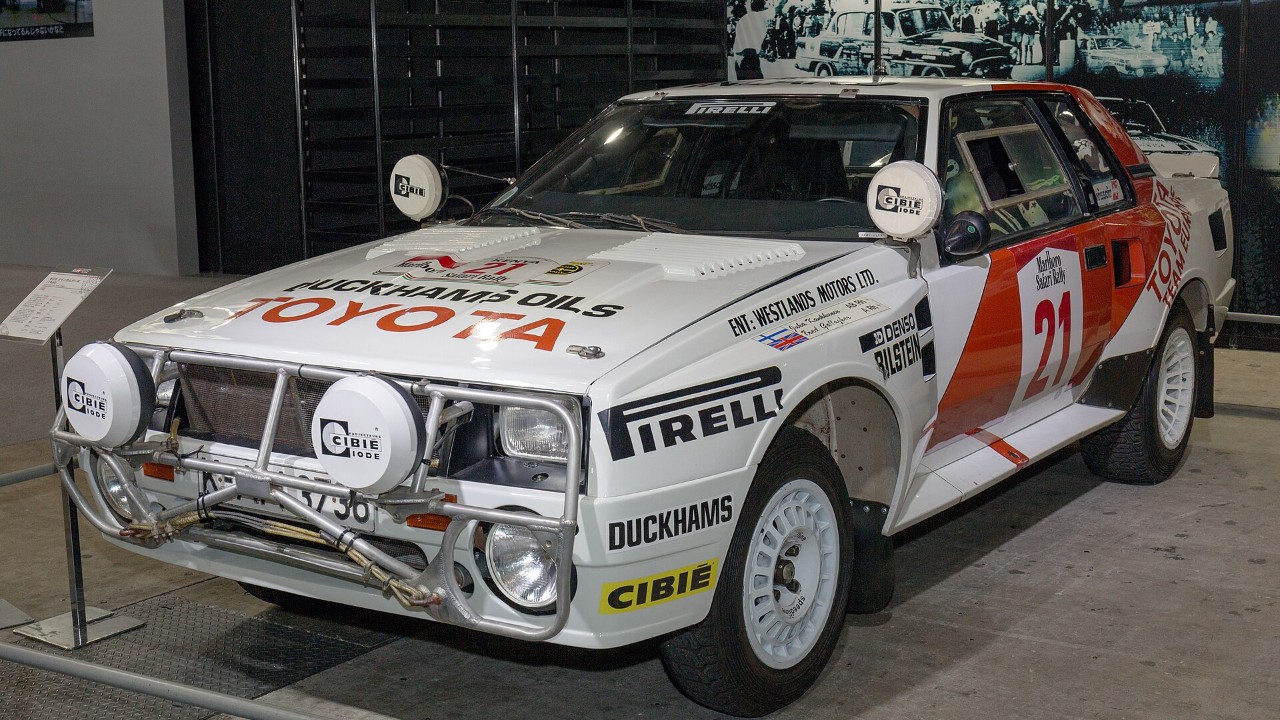
Toyota presented its Celica Twin Cam Turbo rally car in 1983 for Group B, which required at least 200 road cars. Unlike the four-wheel-drive cars that later took over the class, it kept rear-wheel drive. Toyota Team Europe ran the program, and the car found its real home in Africa.
That event was the Safari Rally in Kenya, and the Celica won it three years running. Björn Waldegård and Hans Thorszelius won in 1984. Then Juha Kankkunen and Fred Gallagher won in 1985, before Waldegård returned with Gallagher to win again in 1986. As a result, a boxy Japanese coupe became the car to beat on African roads while Europe’s supercars fought over tarmac and gravel.
Our take: the TA64 shows that a homologation special doesn’t need four-wheel drive to be a blast. A turbocharged, rear-drive coupe built to survive the Safari sounds like our idea of a good weekend. Group B ended after 1986, so this car’s era was short. That makes the road versions an even more appealing piece of Toyota history, in our view.
3. 1970 Lancia Fulvia HF 1.6 Fanalone
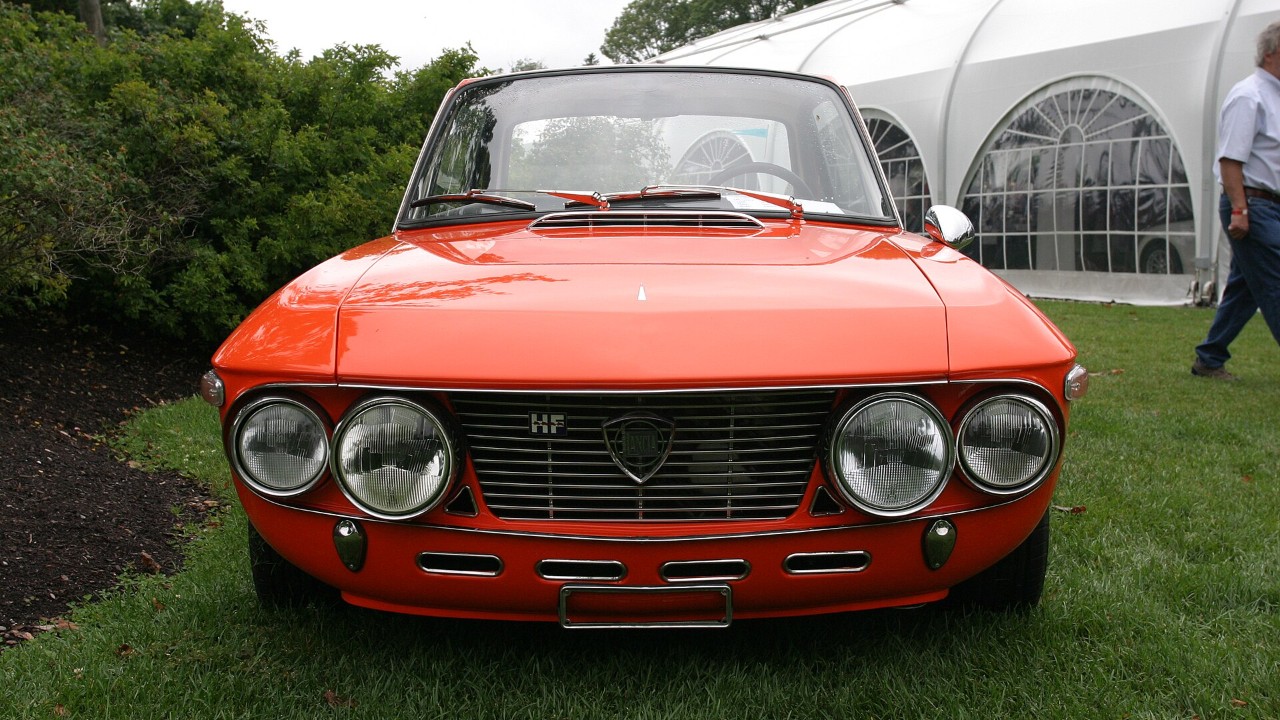
The Fulvia Rallye 1.6 HF, built for 1969 and 1970, earned its nickname from its headlights. Italians called it the Fanalone, or “big lamps,” because the inner pair of headlamps was upsized. Under the hood sat a 1,584 cc Lancia V4, rated at 115 CV, or 113 horsepower, at 6,500 rpm.
That narrow V4 was the heart of a front-drive coupe that punched far above its size. In 1972, Lancia won the International Championship for Manufacturers, clinching it two rounds before the season ended. That same year, Sandro Munari and Mario Mannucci won the Monte Carlo Rally by a margin of 10 minutes and 50 seconds. We covered the earlier Fulvia’s rise in how the 1968 Lancia Fulvia proved itself in competition.
Our take: a Fanalone is the most charming way to own a piece of Lancia’s early rally story. It’s small, light and eager to rev. We think it rewards a good driver on a twisty road more than almost anything else from its era. Buy from a specialist, though, because lookalikes exist and the paperwork matters.
4. 1984 Citroen Visa 1000 Pistes
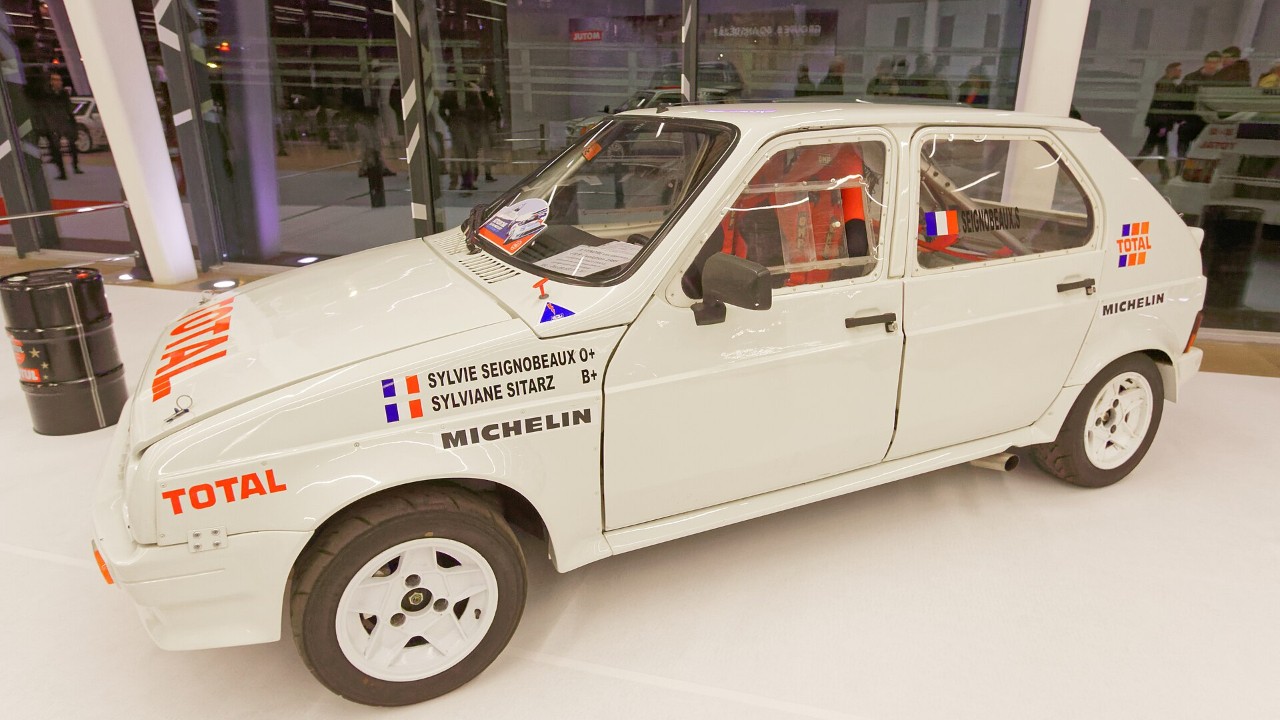
The Visa 1000 Pistes took its name from a win. In 1983, a four-wheel-drive Visa driven by Wambergue and Laverne won the Mille Pistes rally in the experimental category. Citroën then built 200 road cars in 1984 so the car could compete in Group B’s B/10 class.
The production car was a small hatchback with four-wheel drive and a 1,360 cc four-cylinder engine. Two Weber 40 DCOE carburetors helped it make 112 PS, or 110 horsepower, at 6,800 rpm. That’s modest power. Still, the figures show a quick little car: a top speed of 183 km/h, or 114 mph, and 0–100 km/h in 8.7 seconds.
Our take: the 1000 Pistes is the definition of a forgotten homologation car. It looks like an everyday French hatchback, yet it hides four-wheel drive and twin carburetors underneath. In other words, it’s a sleeper in plain clothes. We’d love one for gravel roads, and we suspect few cars of its size are more fun on a loose surface. Finding one, however, will take patience and a good contact in France.
5. 1981 Mitsubishi Lancer 2000 Turbo
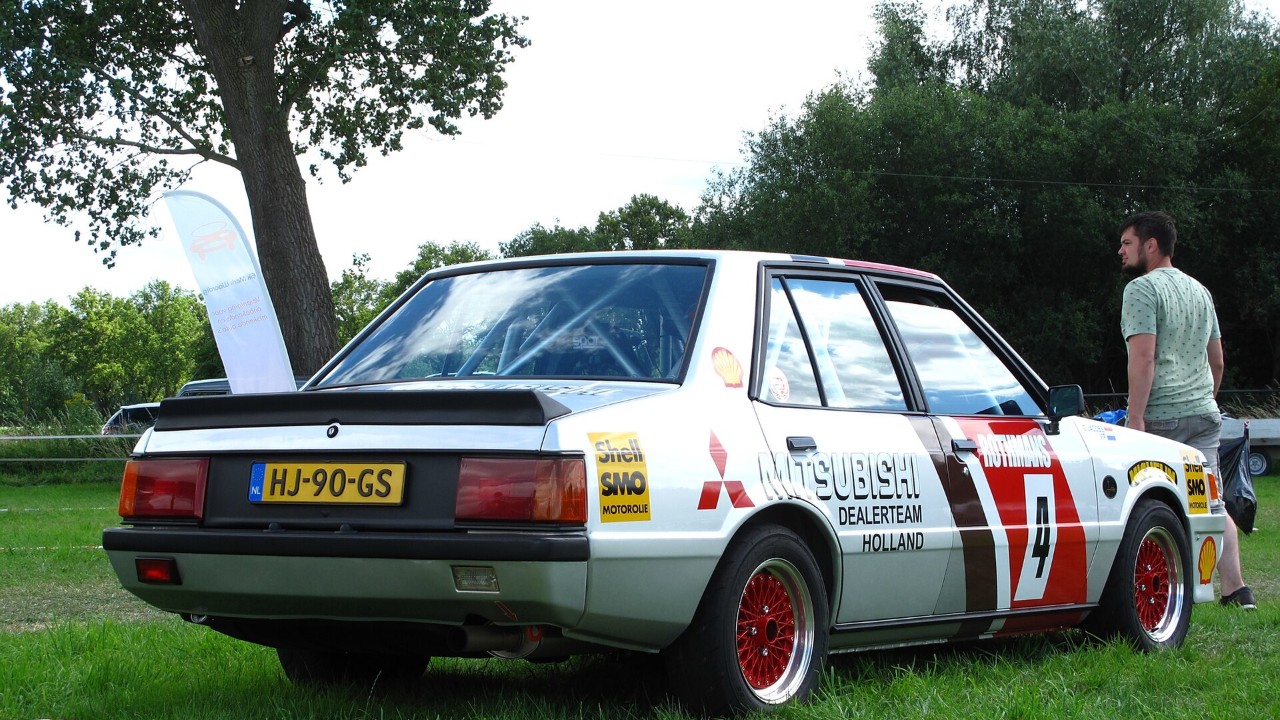
Mitsubishi showed the Lancer EX 2000 Turbo as a prototype at the 1979 Tokyo Motor Show, then entered it in Group 4 rallies in 1981. According to autoevolution, road cars were sold from 1981 to 1987 in select European markets, with about 1,250 built. Its 2.0-liter 4G63 engine used an intercooled turbo and electronic fuel injection.
The road car made 168 horsepower and 181 lb-ft, and it weighed about 2,205 pounds. That was enough for 0–60 mph in 6.5 seconds and a 125 mph top speed. The rally version made close to 300 horsepower and finished third at the 1982 1000 Lakes Rally in Finland. However, Audi’s four-wheel-drive Quattro made rear-drive rally cars like this one obsolete almost at once.
Our take: the Lancer 2000 Turbo matters because autoevolution credits it with paving the way for the Lancer Evolution. Yet the original deserves credit on its own. A light, turbocharged, rear-drive sedan is a fun combination, and we’d take one over many better-known 1980s hot hatches. With so few built, buy the most complete car you can find.
6. Renault 5 Turbo 2
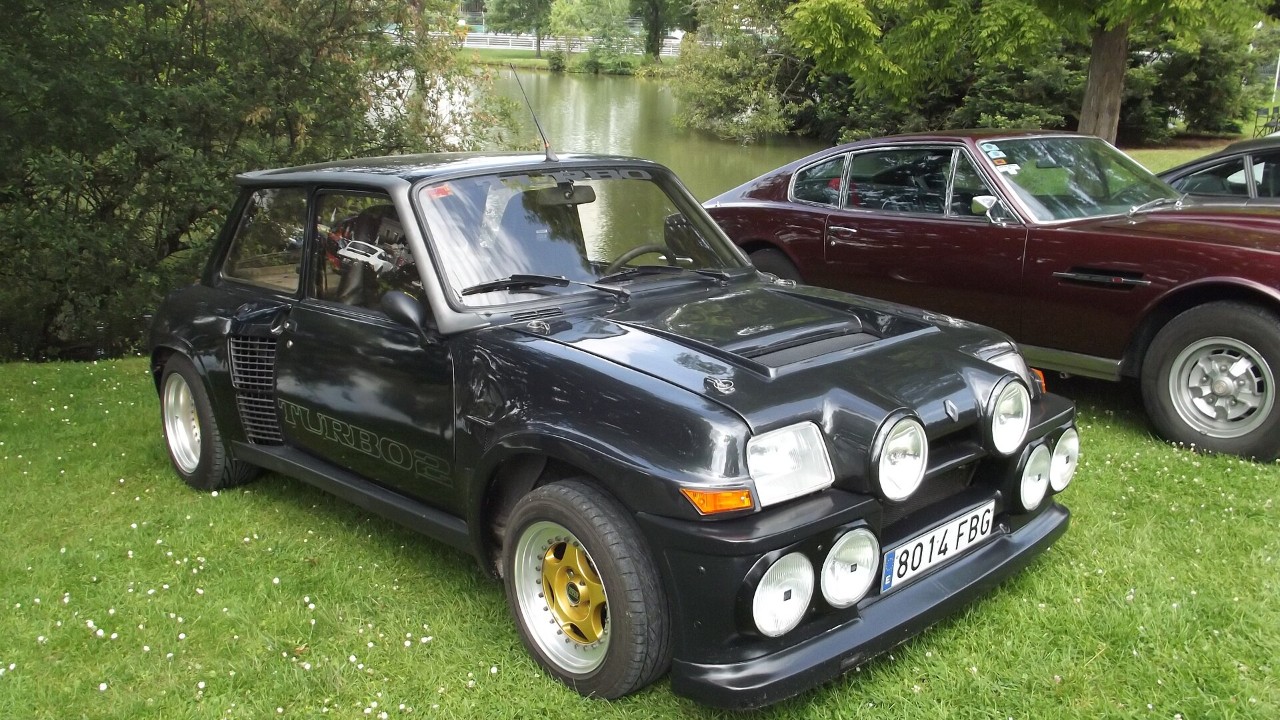
Renault turned its front-drive 5 hatchback inside out to build the 5 Turbo. The engine moved to the middle of the car, and the rear wheels did the driving. Its 1,397 cc turbocharged four made 160 PS, or 158 horsepower, at 6,000 rpm. Renault built 4,987 cars in all, with 1,820 Turbo 1 models and 3,167 Turbo 2 models.
The Turbo 2 was the cheaper version. It used more standard Renault 5 parts in place of many light-alloy pieces, and it swapped the Bertone seats and dashboard for the R5 Alpine interior. The performance stayed strong, though, with a 200 km/h top speed and 0–100 km/h in 6.9 seconds. Meanwhile, the rally car won the 1981 Monte Carlo Rally on its first World Rally Championship start, with Jean Ragnotti driving, and he added the 1982 Tour de Corse.
Our take: the Turbo 2 is the version we’d buy, because it delivers the same mid-engine thrill at a lower cost. It’s a hatchback with the balance of a sports car. For more on its rally career, see our look at the 1983 Renault 5 Turbo.
7. 1991 Toyota Celica GT-Four RC (ST185)
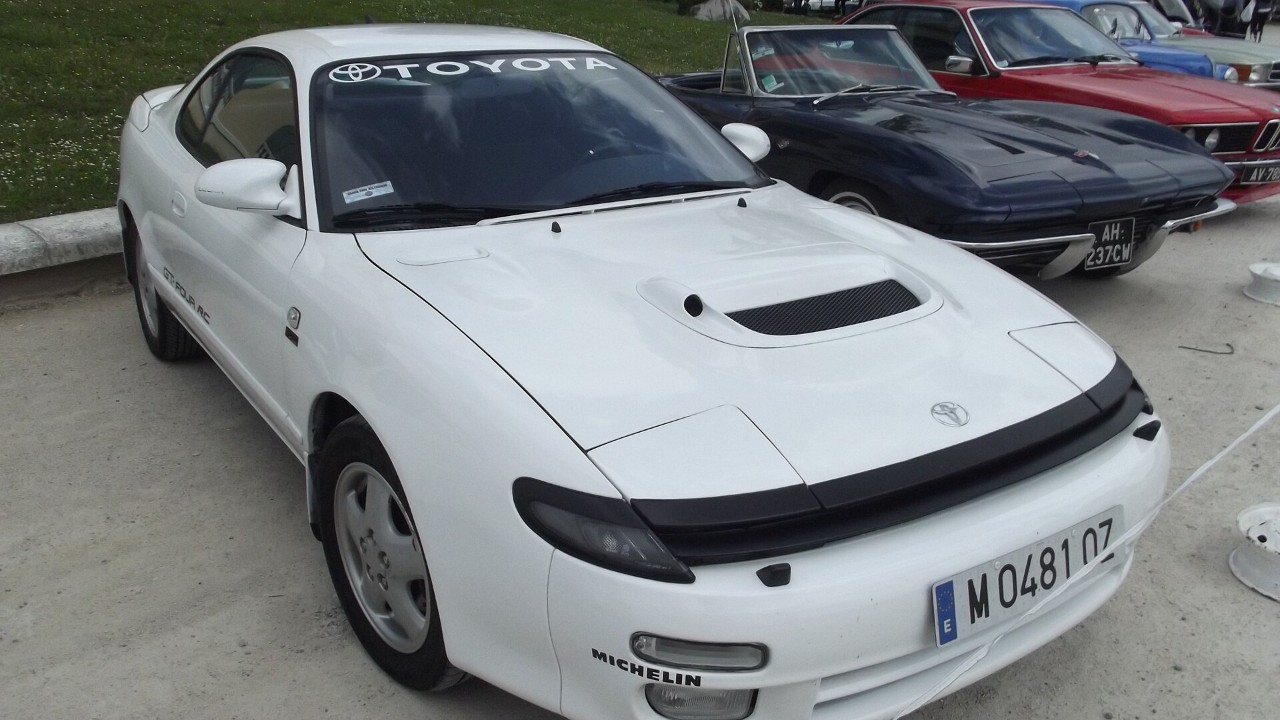
Toyota launched the Celica GT-Four RC in Japan in September 1991 as a special rally edition of 5,000 cars. It existed for one reason: to homologate the ST185 GT-Four for the World Rally Championship’s Group A rules. In Europe and Singapore, export versions carried the name Carlos Sainz Limited Edition.
The ST185 backed up that name on the stages. Carlos Sainz won his second world title in the car in 1992. Then Juha Kankkunen took his fourth title in 1993, and Didier Auriol won the drivers’ crown in 1994. All of them drove an ST185, powered by Toyota’s 3S-GTE engine. By comparison, Group B had required only 200 road cars, so this “special edition” was a much bigger run.
Our take: the GT-Four RC is the most usable car on this list. It’s a practical coupe for daily driving, and it comes with a world-championship story. We think that blend makes it one of the most rewarding 1990s Japanese cars to drive. Have a specialist inspect any car before you buy, and favor one with full records. If you want more Group B context, see our Group B homologation specials.
More from Fast Lane Only