
Modern cars need regular care, but not every service on a shop’s menu is worth your money. Many legacy maintenance habits made sense for carbureted engines and three-speed automatics, yet they linger today even as newer vehicles monitor their own fluids and wear. By separating truly preventive work from outdated or oversold jobs, you can protect your car without draining your budget.
The key is to follow what your specific vehicle actually needs, not what a generic sticker or sales pitch suggests. When you understand which services are optional, redundant, or simply premature, you can say yes to the work that matters and confidently decline the rest.
Engine oil changes that are far too frequent
Oil changes are essential, but changing oil every 3,000 miles on a modern car is usually unnecessary if you use the correct oil and follow the manufacturer’s schedule. Most late-model vehicles are engineered for longer intervals, often 7,500 to 10,000 miles under normal driving, and many use synthetic oil that resists breakdown for far more miles than older conventional blends. Automakers design these intervals based on extensive testing of engine wear, oil chemistry, and real-world driving cycles, so treating every car like a 1995 sedan wastes money without adding protection.
Many newer models, such as recent Honda Civic and Toyota RAV4 generations, include oil-life monitoring systems that track temperature, engine load, and trip length to calculate when the oil actually needs to be changed. These systems are calibrated to the engine’s design and recommended oil grade, so they give a more accurate picture than a fixed 3,000-mile rule. When you follow the oil-life monitor or the interval in your owner’s manual, you align service with real needs instead of a blanket recommendation that benefits quick-lube shops more than your engine. If your driving is unusually severe, such as frequent towing or repeated short trips in very cold weather, the manual will spell out a shorter “severe service” schedule that still tends to be longer than the old 3,000-mile habit.
Transmission flushes that outpace real wear
Automatic transmissions do need clean fluid, but aggressive flushes at short intervals are often oversold. Many manufacturers specify long service intervals for transmission fluid, sometimes 60,000 miles or more, and some sealed units are designed to go much farther before any fluid change is required. A power flush that forces cleaning chemicals and high-pressure fluid through the system can even dislodge debris and push it into delicate valves, which is why several automakers caution against flush machines and instead recommend a simple drain-and-fill when service is due.
For example, late-model Toyota and Honda automatics typically call for fluid changes based on mileage or severe-use conditions, not every time a shop suggests a flush “for peace of mind.” Continuously variable transmissions in vehicles like the Subaru Outback or Nissan Rogue also have specific fluid types and intervals that are spelled out in the maintenance schedule. Sticking to those intervals, and using the exact fluid specification listed in the manual, protects the transmission without the added cost and risk of frequent flushes. If a shop pushes a flush far earlier than your manual suggests, asking for a basic fluid change at the correct mileage is usually the smarter move.
Fuel system cleanings and injector services on healthy engines
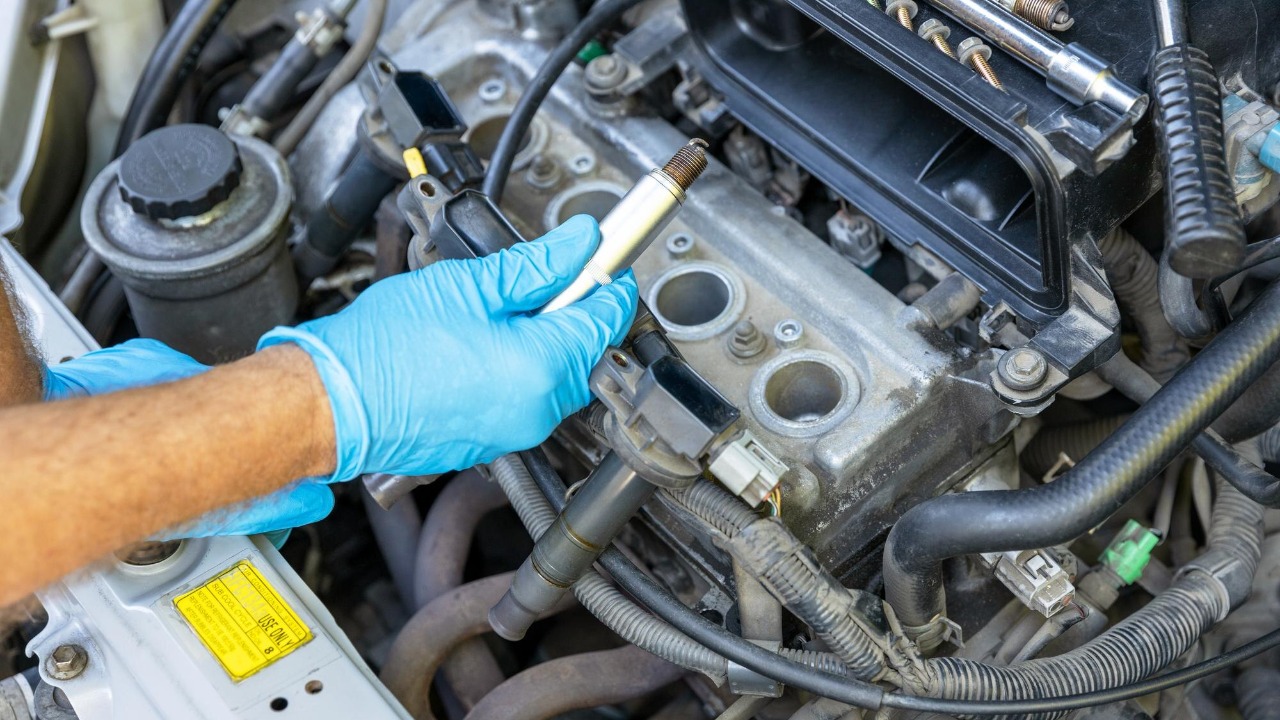
Fuel injector cleanings and “complete fuel system services” are common add-ons, yet most modern engines already keep injectors clean when you use quality gasoline. Top Tier–certified fuels contain detergents that meet higher standards for deposit control, and many automakers explicitly recommend using these fuels to minimize buildup. When you consistently run fuel that meets these standards, the injectors and intake valves in port-injected engines typically stay clean enough that routine chemical cleanings are unnecessary.
Direct-injection engines, such as those in many recent Volkswagen, Hyundai, and Ford models, can be more prone to intake valve deposits because fuel no longer washes over the valves. Even then, manufacturers usually address this with specific maintenance procedures or updated designs rather than generic fuel system cleanings at every oil change. If your engine is running smoothly, fuel economy is stable, and there are no misfire codes, repeated injector services are unlikely to deliver noticeable benefits. Reserving these cleanings for documented issues, such as rough idle, poor acceleration, or diagnostic trouble codes that point to injector performance, keeps your maintenance grounded in evidence instead of upsells.
Coolant and brake fluid changes done too early
Coolant and brake fluid are critical, but many drivers are urged to replace them far more often than the manufacturer requires. Modern long-life coolants can last 5 years or more in many vehicles, and the exact interval is usually listed in both years and miles in the maintenance schedule. Replacing coolant too early does not harm the car, but it does add cost without extending engine life, especially when the system shows no leaks, overheating, or contamination. The same logic applies to brake fluid, which is hygroscopic and does absorb moisture over time, yet most automakers specify multi-year intervals rather than annual flushes.
European brands like BMW and Mercedes-Benz often call for brake fluid changes every 2 years, while many mainstream models from brands such as Toyota or Chevrolet list longer intervals or tie the service to mileage and inspection results. Testing tools that measure brake fluid moisture content or boiling point can help determine whether a change is actually needed instead of relying on a blanket “every year” rule. When a shop recommends coolant or brake fluid service, comparing that advice to the schedule in your owner’s manual gives you a clear benchmark. If the fluid is within its service life and there are no symptoms like spongy brakes or overheating, you can safely defer the work until it is truly due.
Routine alignment checks and tire services without symptoms
Wheel alignments and tire services are vital when there are clear signs of trouble, but they are often sold as routine maintenance even when the car tracks straight and tires wear evenly. A proper alignment is essential after suspension work, a hard curb strike, or when you notice the steering wheel off-center or uneven tire wear. Outside of those situations, repeatedly paying for alignments “just in case” offers little benefit, especially on newer vehicles with robust suspension components and stable geometry.
Similarly, frequent tire balancing or rotation beyond the schedule in your manual is not always necessary. Most manufacturers recommend rotating tires every 5,000 to 7,500 miles, often in sync with oil changes, and balancing is typically needed only when you feel vibration or after installing new tires. Modern tire pressure monitoring systems on cars like the Tesla Model 3, Ford F-150, and Hyundai Tucson also reduce the need for constant manual checks and nitrogen fills that some shops promote as premium services. As long as you maintain the recommended pressure, rotate on schedule, and inspect tread wear, you can skip extra alignments and tire add-ons that are not backed by any real symptom.