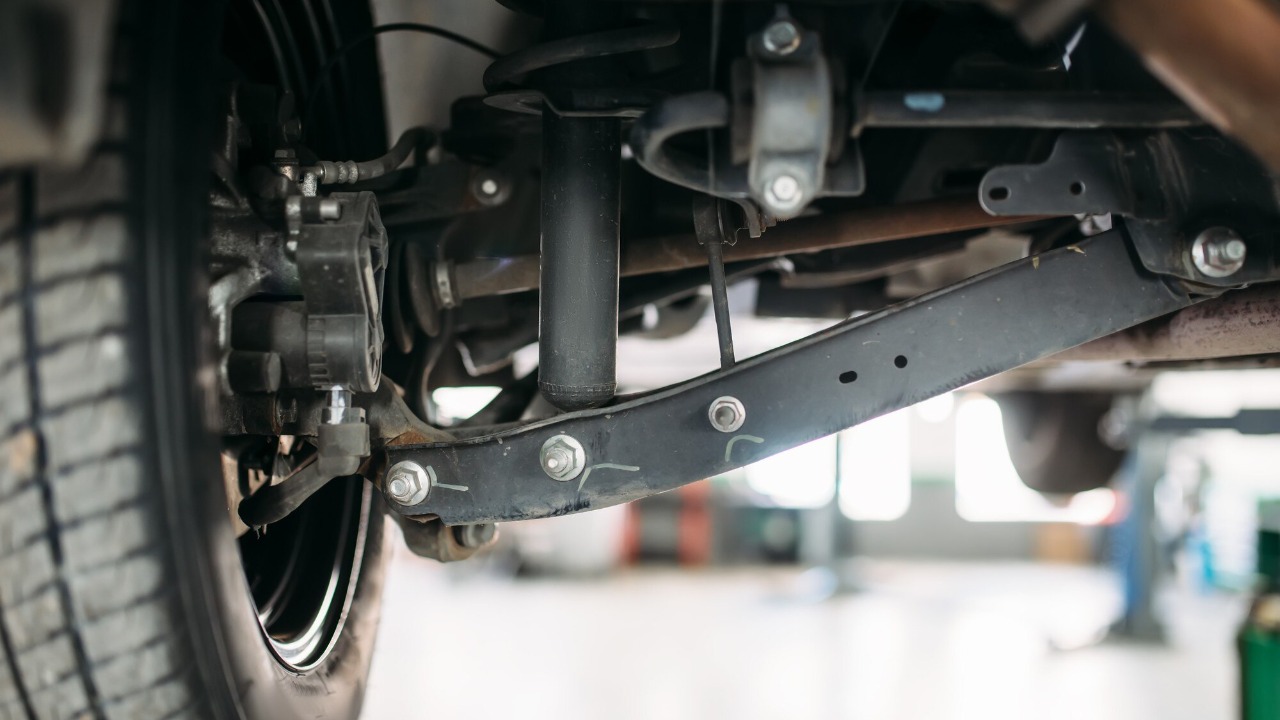
.Your engine can easily run past 200,000 miles if you keep up with oil changes and basic maintenance, but key suspension parts usually give up long before that milestone. When those components wear, the car still moves, yet ride quality, braking stability, and tire life all start to suffer in ways you can feel every day. Understanding which pieces age fastest helps you budget repairs and avoid mistaking a tired suspension for a dying vehicle.
Instead of treating the suspension as a mysterious black box, you can break it down into a handful of parts that routinely wear out well ahead of the powertrain. Bushings, ball joints, shocks, struts, and related hardware all have predictable failure patterns, and many owners only discover them after a failed inspection or a scary highway shimmy. Knowing the usual suspects lets you spot early warning signs, ask better questions at the shop, and decide when a repair is worth it on an older car.
Rubber bushings and mounts that quietly decay
Long before your engine shows serious age, the rubber pieces that isolate it from the chassis and connect suspension arms to the body usually start to crack, compress, and separate. Control arm bushings, sway bar bushings, and engine or transmission mounts live in a harsh environment of heat, oil mist, and constant flexing, so they harden and split over time even if you drive gently. Once that happens, you may notice extra vibration at idle, clunks over driveway lips, or a vague, wandering feel in the steering that is easy to blame on tires instead of worn rubber.
Because bushings and mounts are mostly hidden, they often go untouched for a decade or more until a mechanic points out torn rubber or metal-on-metal contact during an alignment or inspection. When you replace them, the car can feel dramatically tighter and quieter, even if the engine and transmission are unchanged. Many owners of older sedans and crossovers choose to refresh front control arm bushings and engine mounts at the same time, since labor overlaps and the combined effect on ride quality is significant compared with the cost of chasing minor engine upgrades.
Ball joints and tie rods that control steering precision
Steering components sit at the front line of wear because they constantly articulate as you turn the wheel and hit bumps, and they carry the full weight of the vehicle over the front axle. Ball joints and tie rod ends use internal bearings and protective boots that eventually lose lubrication or tear, letting in water and grit that accelerate wear. As those parts loosen, you may feel play in the steering, hear knocking over rough pavement, or notice that the car no longer tracks straight even after you correct the wheel.
Unlike a tired engine that usually gives you months of warning through misfires or oil consumption, a severely worn ball joint or tie rod can become a safety issue if it separates. That is why many technicians recommend replacing these parts in pairs on the same axle once one side shows measurable play, instead of waiting for the second to fail. When you install new joints and follow up with a precise alignment, the steering wheel typically centers more cleanly, response sharpens, and the car feels younger even if the drivetrain is unchanged and the odometer is high.
Shocks, struts, and springs that lose their edge
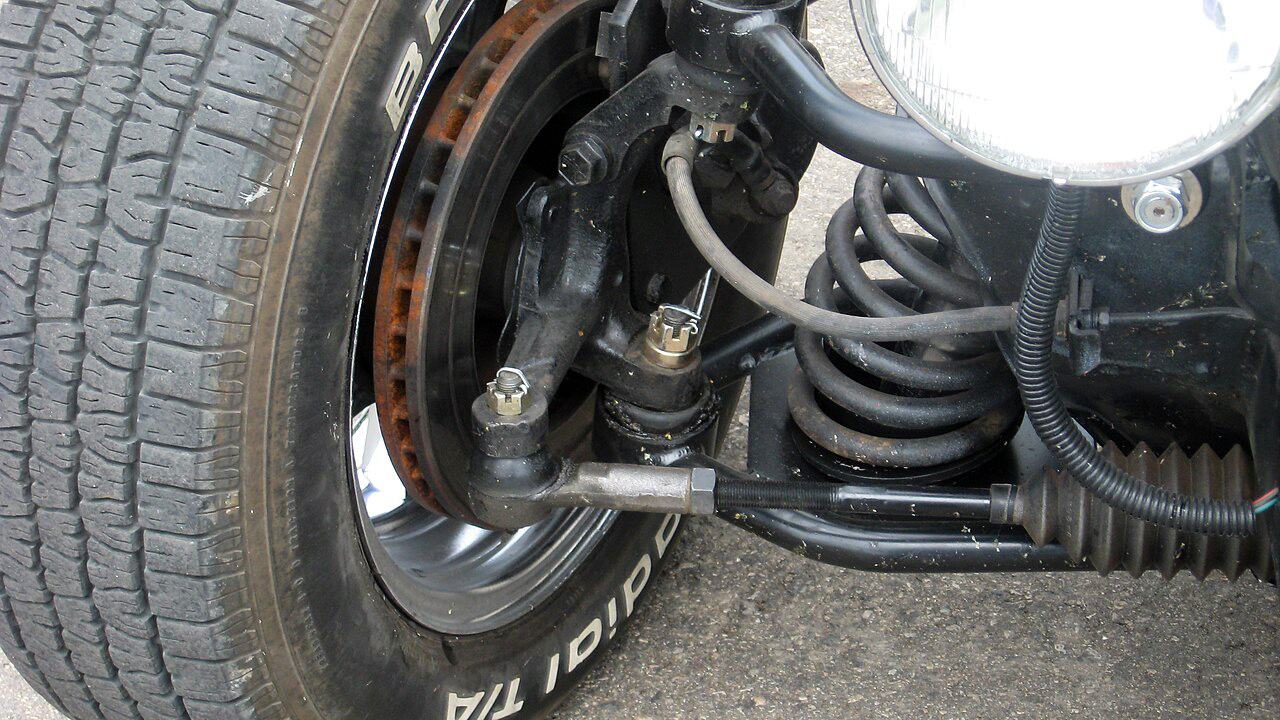
Shocks and struts are classic examples of parts that wear out long before the engine, because their internal valves and seals gradually lose effectiveness with every mile. As damping fades, the body starts to bounce more after bumps, braking distances can creep up, and the tires spend less consistent time in contact with the road. You might not notice the change from one month to the next, but if you compare a 10-year-old crossover on original struts with a fresh set, the difference in body control and comfort is usually obvious.
Springs age more slowly, yet they can sag or even crack on vehicles that regularly carry heavy loads or live in regions with severe corrosion. When ride height drops, alignment angles shift, which accelerates tire wear and can make the car feel darty or unsettled in crosswinds. Replacing worn shocks or struts together with tired springs restores the suspension geometry the engineers intended, so the chassis can still feel composed and predictable even when the engine has already logged well over 150,000 miles.
Sway bars, links, and alignment hardware that amplify wear
Anti-roll bars and their small connecting links rarely get attention until they start to rattle, yet they play a major role in how stable your car feels in corners. The links use tiny ball joints or bushings that can loosen or seize, especially on heavier SUVs that lean more in turns. When those parts wear, you may hear a hollow clunk over speed bumps or feel extra body roll in highway ramps, even though the engine still pulls strongly and the brakes feel fine.
Alignment hardware, including eccentric bolts and camber arms, also ages faster than the powertrain because it is constantly exposed to road spray, salt, and impact loads. Once those pieces seize or bend, it becomes difficult or impossible to set proper toe and camber, which means new tires can wear unevenly in a few thousand miles. Addressing worn sway bar links and freeing or replacing stuck alignment parts at the same time as other suspension work helps you get full value from fresh shocks, bushings, and tires, and it keeps the chassis behaving predictably long after the engine has settled into its middle age.
How to prioritize suspension repairs on a high-mileage car
When you drive a vehicle with a strong but older engine, the real question is not whether the suspension is worn, but which components deserve attention first. A practical approach is to start with safety-critical items such as ball joints, tie rods, and severely leaking shocks, then move to bushings, mounts, and sway bar hardware that affect comfort and precision. By grouping related work, such as replacing front control arm bushings and lower ball joints together, you reduce labor overlap and avoid paying for multiple alignments.
It also helps to think in terms of systems rather than isolated parts. Refreshing only one corner of the suspension can create uneven behavior, so many owners choose to replace shocks or struts in axle pairs and match new components with an alignment and a careful tire inspection. When you treat the suspension as a wear package that naturally ages faster than the engine, you can keep an older car feeling secure and composed for years, instead of assuming that a rough ride or vague steering means it is time to give up on an otherwise healthy powertrain.