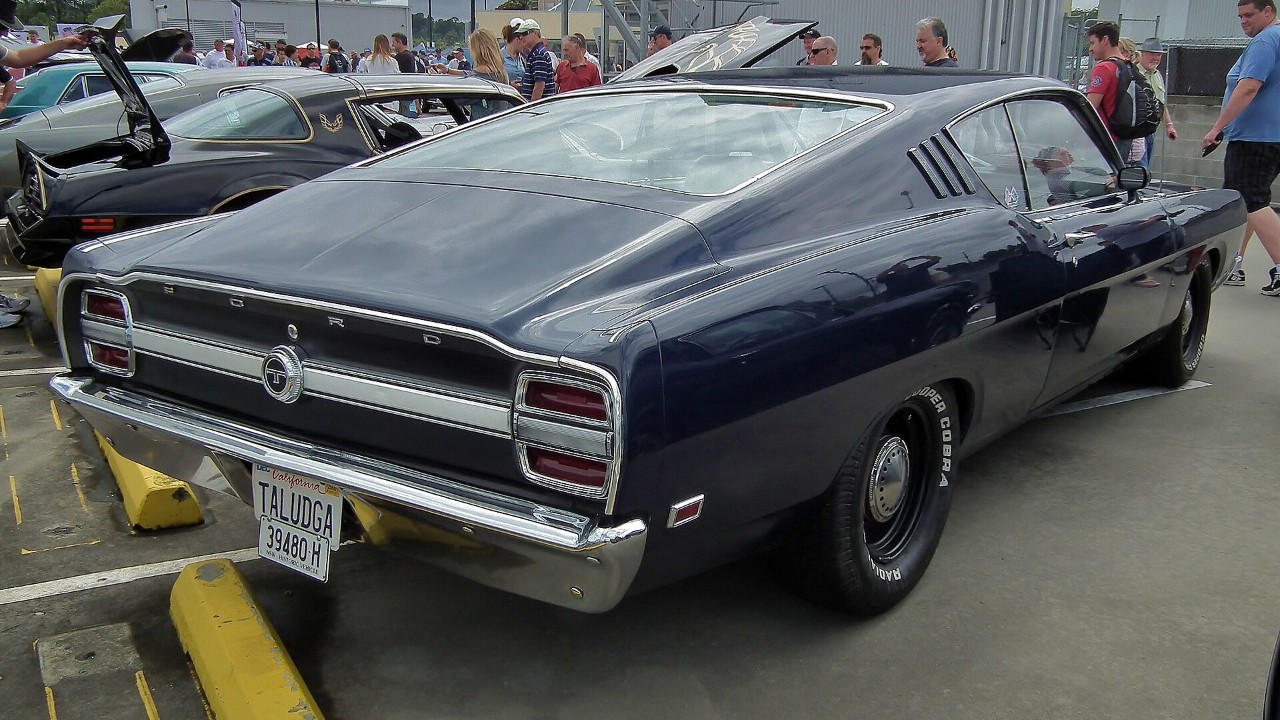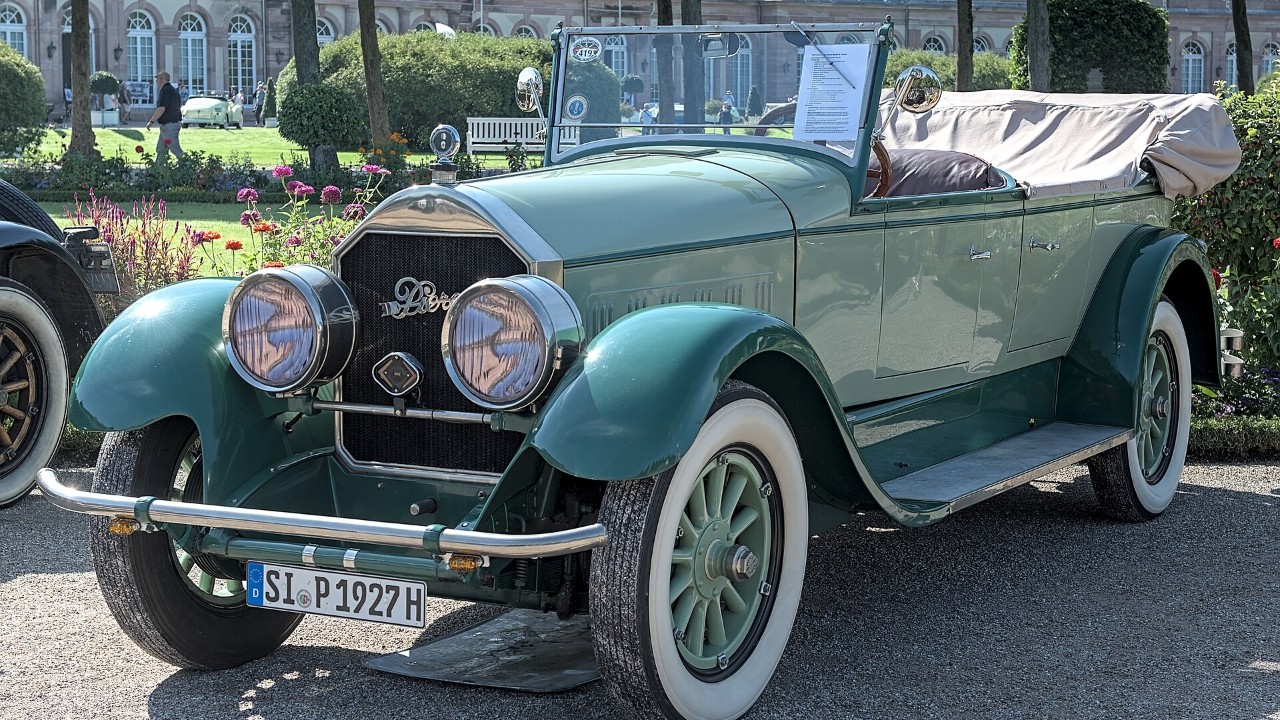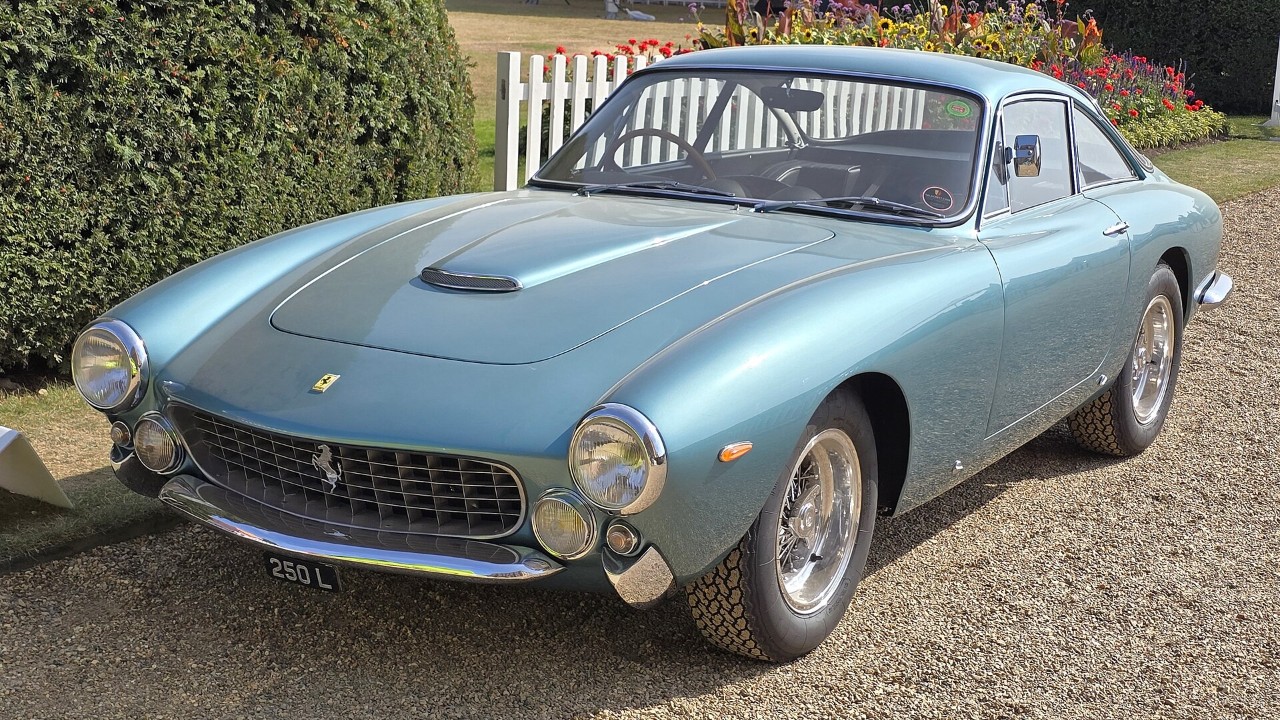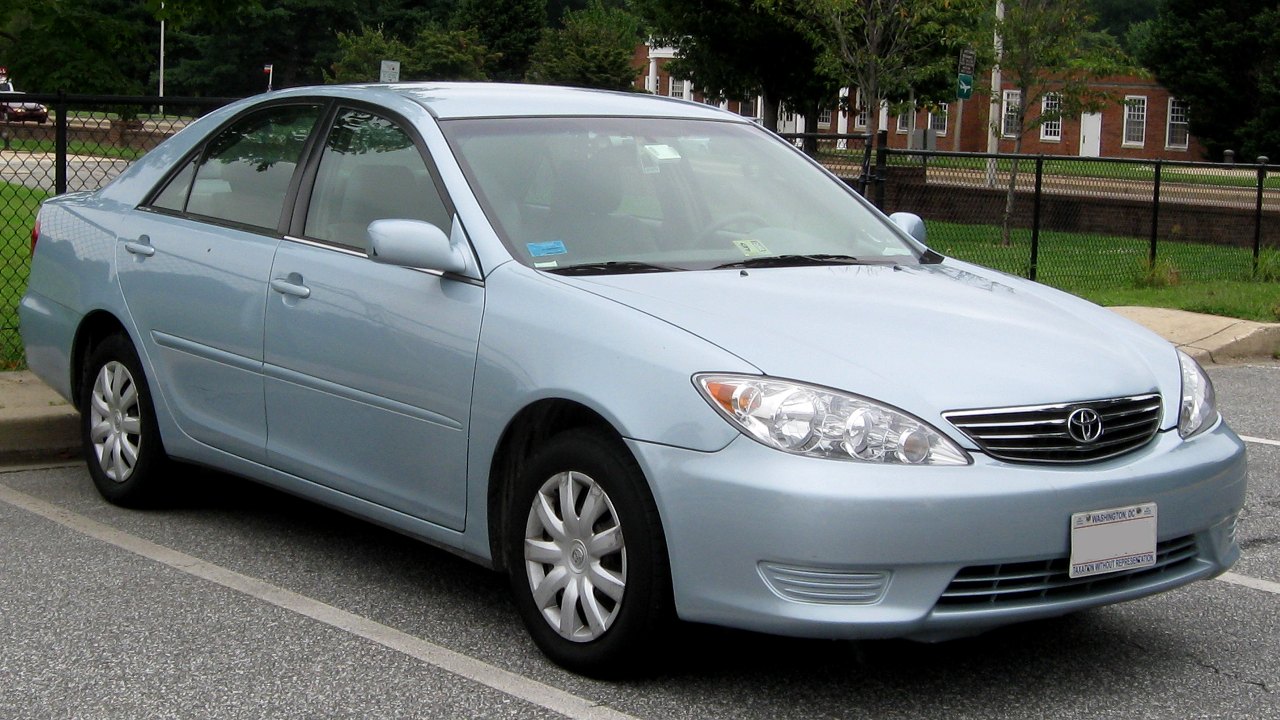
Maryland has drawn a hard line between genuine classics and everyday commuters, and a 2005 Toyota Camry now falls firmly on the wrong side of that divide. By freezing its historic vehicle rules around the late 1990s and moving to strip thousands of cars of their special tags, the state is closing a money saving loophole that had quietly turned “historic” plates into a discount pass for modern drivers.
From rolling cutoff to fixed date
For years, Maryland treated historic status as a moving target, allowing vehicles to qualify once they reached a certain age. That approach meant a steady stream of late 1990s and early 2000s models, including family sedans and workhorses, could slip into a category originally meant for rare or preserved vehicles. The state has now replaced that rolling standard with a fixed cutoff, so only vehicles built in 1999 or earlier can be registered as historic, a change that instantly disqualifies cars like a 2005 Camry that had been treated as classics in name only.
The shift is not a small bookkeeping tweak, it is a structural reset of who gets to avoid regular inspections and fees. Historic registration in Maryland has long come with exemptions from emissions testing and some safety checks, along with lower costs and access to cheaper collector car insurance. Officials concluded that too many relatively modern vehicles were using those benefits, so the new rule draws a bright line at the 1999 model year and ends the quiet expansion of historic tags into the realm of ordinary transportation.
Safety, emissions and a loophole too far
State regulators did not move against historic plates in a vacuum, they were responding to a surge in registrations that raised questions about safety and fairness. Tens of thousands of vehicles with historic tags were still being driven regularly on Maryland roads, even though the category was supposed to be reserved for limited use, such as exhibitions, parades or occasional pleasure drives. Investigators found that the growing number of cars wearing these plates, including early 2000s models, undermined the intent of the program and increased the risk that vehicles would avoid oversight meant to keep traffic safer.
Those concerns were not just theoretical. The historic designation allowed owners to bypass emissions testing and some safety inspections, which meant vehicles that would otherwise be checked for worn brakes, failing lights or outdated pollution controls could stay in circulation without scrutiny. Officials also noted that the tag came with lower fees and often enabled cheaper collector car insurance, turning the program into a financial incentive to misclassify daily drivers. By tightening the rules and cutting off eligibility for post 1999 vehicles, Maryland is trying to reduce opportunities for improper registration and bring more cars back under standard regulatory requirements.
Thousands of drivers caught in the crackdown
The policy shift is landing hardest on owners who treated historic plates as a clever way to cut costs on aging but still practical cars. Maryland’s own figures show the scale of the change, with 72,000 registrations expected to lose their historic status as the new rules take effect. That number represents roughly one third of all historic tags in the state, a sign of how far the program had drifted from its original focus on genuinely old or collectible vehicles and into the realm of everyday transportation.
Behind those statistics are drivers who will now have to pay higher fees, schedule emissions tests and, in some cases, adjust their insurance coverage. Reports indicate that Thousands of Maryland motorists, including owners of early 2000s sedans and SUVs, are receiving notices that their plates will no longer qualify. Many of these vehicles were built well after 1999 but had slipped into the historic category under the previous rolling standard, and their owners are now being told that the grace period is over and that their cars must return to the normal registration system.
Camrys, daily drivers and the meaning of “historic”
The most visible symbol of the new policy is the mid 2000s family car that had been treated as a classic on paper. A 2005 Camry, for example, is old enough to feel dated but not nearly old enough to match the public’s intuitive sense of a historic vehicle, yet it could previously qualify for special plates under Maryland’s age based rules. State officials have now made clear that such models are ordinary used cars, not museum pieces, and that they should be subject to the same inspections and costs as any other commuter vehicle.
That distinction matters because it clarifies what the historic category is supposed to protect. The program was designed for vehicles that are preserved, limited in use and often maintained as part of automotive heritage, not for high mileage sedans that still serve as primary transportation. By cutting off eligibility for cars built after 1999 and moving to revoke historic status from a large share of existing tags, Maryland is trying to restore that original purpose and prevent the label from being stretched to cover anything with a bit of age and fading paint.
Backlash, House Bill 4 and what comes next
The crackdown has not gone unchallenged, and the political response shows how contentious the definition of “historic” has become. Enthusiasts and some everyday drivers argue that the fixed 1999 cutoff is arbitrary and that a rolling age based standard would better reflect the evolving car fleet. In response to the outcry, lawmakers have introduced House Bill 4, a measure that could reset the rules again by modifying how Maryland defines a historic motor vehicle and potentially softening the impact on owners who suddenly find their cars reclassified.
House Bill 4, described in legislative summaries as an effort that Could Reset the Rules, Again, would adjust the statutory language that governs which vehicles qualify and how they may be used. The proposal reflects a broader debate over whether the state should continue to rely on a fixed date, as it does now, or return to a system that moves forward over time while still limiting commercial or daily use. For now, the law on the books keeps the 1999 cutoff in place, meaning that modern classics in the eyes of their owners, from early 2000s Camrys to other once ubiquitous models, must live with standard plates unless legislators decide that Maryland drew the line too sharply.
More from Fast Lane Only