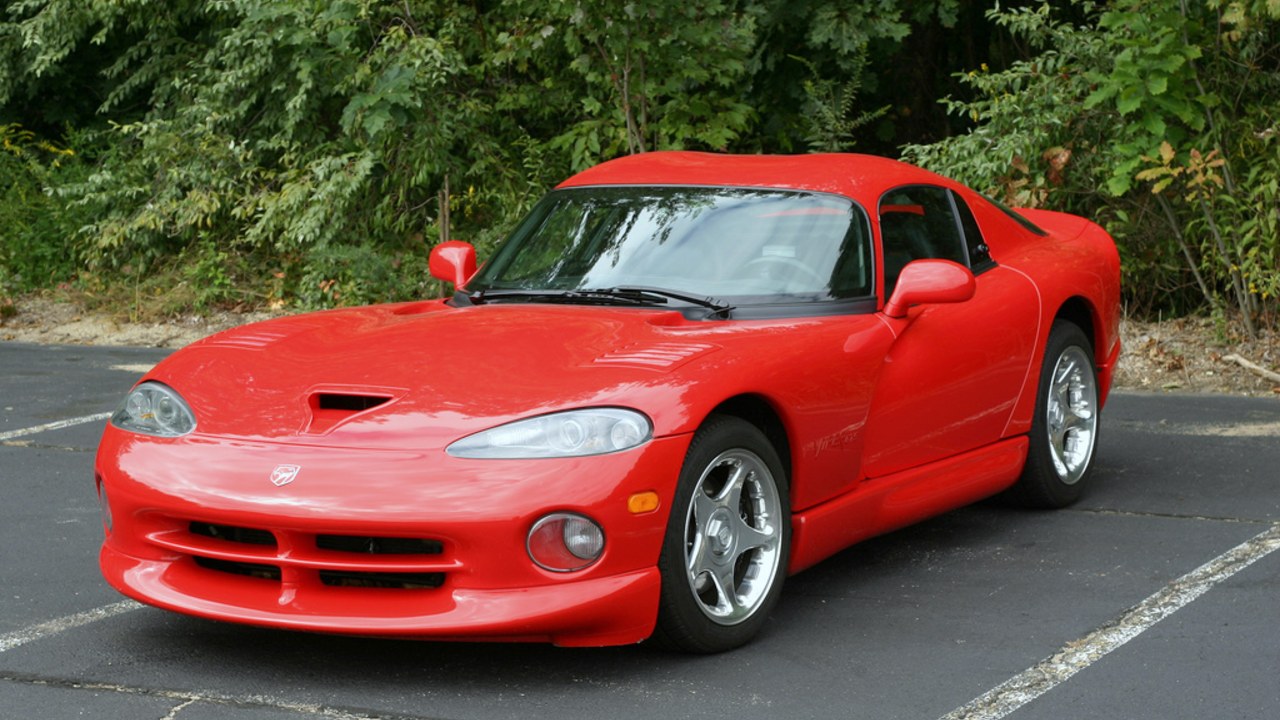
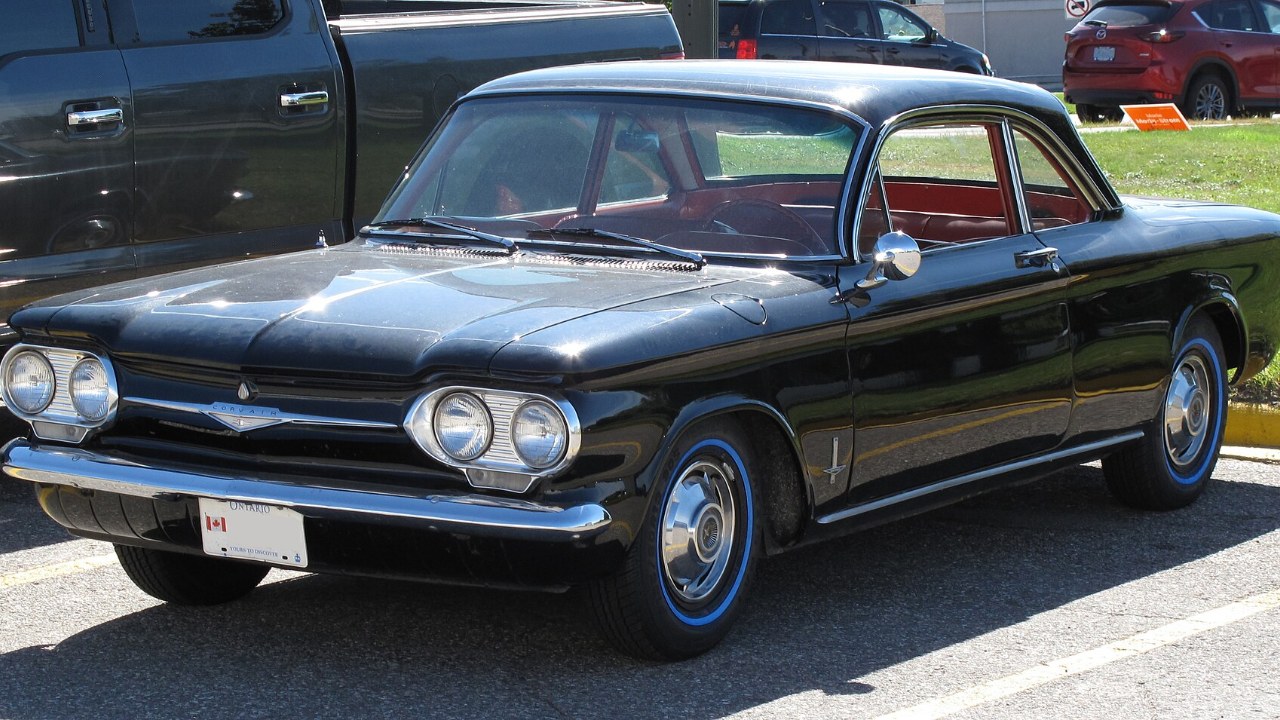
Maryland has quietly rewritten the rules for what counts as a historic car, and the change hits right at the heart of a long‑running loophole. Instead of a rolling 20‑year threshold, the state has locked eligibility to vehicles from model year 1999 and older, cutting off a popular path that let everyday commuters dodge inspections and higher fees with classic tags. I see a policy that tries to balance safety and revenue with genuine car culture, and the fallout is already reshaping driveways and club parking lots across the state.
From rolling 20 years to a hard 1999 cutoff
For years, Maryland let any vehicle at least 20 years old qualify for historic plates, a rule that turned the definition of “classic” into a moving target. That rolling standard is now gone, replaced by a fixed definition that limits historic registration to model years of 1999 or older, a shift spelled out in an official bulletin on Class L registration. That means a 2000 Honda Civic or a 2004 Ford F‑150, which would have aged into “historic” status under the old rule, is now permanently excluded from the program.
The change did not arrive in a vacuum, it is part of a broader package of fee and registration updates that the state’s motor vehicle agency began rolling out earlier this year. In a notice that framed the shift as part of a larger policy reset, the Effective July changes were described as an attempt to modernize how the state treats older vehicles. In practice, the fixed 1999 cutoff draws a bright line between true antiques and the aging daily drivers that had been slipping into the historic category.
Why officials say the loophole had to close
State officials have been blunt about one core concern, safety. Under historic registration, tens of thousands of vehicles were able to avoid regular inspections, even as they racked up commuter miles on crowded highways. Investigators found that tens of thousands of cars were driving with tags that signaled “no safety inspection required,” even though many of those vehicles were not garage‑kept collectibles but aging workhorses. When I look at that number, I understand why regulators saw the old rule as more than a harmless perk for enthusiasts.
The state’s broader identity as a dense, fast‑growing corridor along the East Coast also shapes the debate. In a place like Maryland, where suburban arterials and interstates carry heavy traffic every day, the idea of thousands of uninspected vehicles weaving through rush hour is a hard sell. Officials have framed the 1999 cutoff as a way to keep genuinely historic cars on the road for shows and parades while nudging high‑mileage commuters back into the standard system that requires inspections and full fees.
How many cars lose their “historic” shield
The scale of the shift is not small, and that is where the politics get complicated. Enthusiast advocates have pointed out that roughly 72000 cars, about one‑third of all historic‑tagged vehicles in the state, are affected by the new definition, a figure highlighted in a video that opens with a blunt “Attention car guys & collectors!” warning. When I hear that about one in three historic plates is on the chopping block, it is clear this is not a niche tweak but a structural reset.
On the ground, that translates into thousands of owners being told to re‑register and pay more, a reality captured in coverage that followed Mallerie Safaste in Talson as she reported on Maryland drivers facing higher costs. Many of those vehicles are the late‑1990s and early‑2000s sedans and pickups that had slipped into Class L status under the old rolling rule, and now must convert to standard registration with full fees and inspection requirements. For owners who built their budgets around the cheaper historic category, the new bills feel like a sudden tax on age.
Enthusiasts push back on a “FIXED DATE” rule
Among car people, the reaction has been a mix of resignation and anger, especially over how the change was communicated. In one widely shared discussion thread, members fumed that “This is a FIXED DATE, NOT the previous progressive 20 year eligibility,” arguing that there was little warning before the cutoff locked in and urging each other to “Get this law changed!” in the same breath. That Facebook debate, which unfolded in a local cars‑and‑coffee group, captured how a technical tweak in statute can feel like a personal slight when it lands in a tight‑knit community of owners who plan projects years ahead, a mood that comes through clearly in the FIXED DATE comments.
Some of the sharpest criticism has focused on the idea that the state is punishing responsible hobbyists for the behavior of a subset of drivers who abused the loophole. In a detailed explainer, Jason from a Maryland‑based DIY channel walks through how owners of legitimately preserved vehicles now face the same scrutiny as those who slapped historic tags on rusty commuters. I share that frustration to a point, because a blanket cutoff does not distinguish between a carefully restored 2001 sports car that sees a few sunny weekends a year and a worn‑out sedan that has been using Class L plates to dodge inspections.
Lawmakers are not done tinkering with “historic”
Even with the 1999 line in place, the legal definition of a historic motor vehicle in the state is still in motion. A measure labeled HB4 in the current Introduced Session would further refine how Maryland treats these cars, tightening language around their use so that vehicles registered as historic are not supposed to be part of daily transportation, employment, or commercial activities. When I read that, it is clear lawmakers are trying to close not just the age loophole but also the gray area around how often and for what purpose these cars can be driven.
At the same time, state investigators have kept up public pressure by highlighting how the old system was exploited. In a video report that opens with the line that in Maryland old no longer automatically means historic, reporters walk through cases where vehicles with classic tags were being used as everyday transportation, far outside the spirit of the law. That kind of storytelling gives political cover to legislators who want to go even further, and it signals to owners that enforcement will not just be on paper.
More from Fast Lane Only