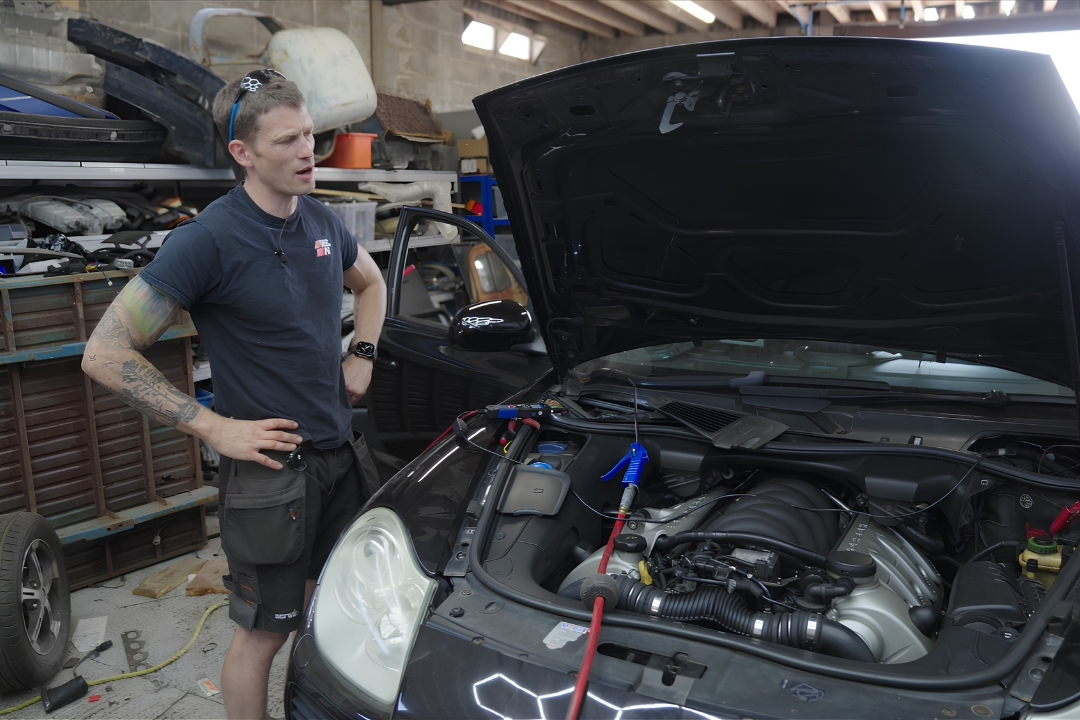
It started like a totally normal shop visit: a little noise, a little worry, and the hope that it was “just something loose.” The kind of appointment where you’re already rehearsing the line, “If it’s expensive, I can live with it for a while.” Then the drain pan told a different story.
When the oil came out, it didn’t just look dark. It glittered. Not in a fun way, either—more like the automotive version of finding sand in your sandwich. The mechanic held up the evidence, frowned, and asked a question that always lands with a thud: when was the last oil change done?
What the Mechanic Actually Saw
Metal shavings in oil can show up as tiny sparkles, silvery dust, or bigger flakes that catch the light. Sometimes they’re trapped in the oil filter, sometimes they settle in the drain pan, and sometimes they’re stuck to the drain plug magnet like fuzzy metallic lint. It can look subtle until you know what you’re looking for—and then it’s hard to unsee.
Not all metal in oil means instant disaster, but it’s never “nothing.” Engines do wear over time, and microscopic particles can be normal in small amounts, especially in a fresh rebuild or an early break-in period. The red flag is quantity, size, and whether the engine’s symptoms match the mess in the oil.
Why That Oil-Change Question Matters So Much
Oil isn’t just there to stop parts from squeaking. It’s a lubricant, a coolant, a cleaner, and a protective barrier that keeps metal from grinding on metal at thousands of revolutions per minute. When oil gets old, low, contaminated, or broken down, it can’t hold up its end of the deal.
That’s why “When was it last changed?” isn’t small talk—it’s triage. If the oil has been overdue by a lot, the mechanic’s trying to figure out whether this is neglect, a sudden failure, or something that’s been quietly happening for months. The answer changes what they check next and how worried they need to be right now.
The Usual Suspects Behind Metal Shavings
One common source is bearing wear—think crankshaft or rod bearings starting to break down. Those can shed fine metallic material that turns the oil into an unwanted science experiment. If the wear gets worse, the engine can start knocking, oil pressure can drop, and things can go from “hmm” to “oh no” pretty quickly.
Another possibility is valvetrain wear, like camshaft lobes or lifters. That can show up with ticking noises, rough idle, or misfires, depending on the engine design. Timing components can also contribute, especially if a chain, guides, or tensioner are wearing abnormally and sending debris downstream.
Piston rings and cylinder walls can shed material too, though that often comes with smoke, oil consumption, loss of power, or poor compression. And sometimes it’s not the big scary internals at all—it can be damage from debris, coolant contamination, or an oil filter that failed and let particles circulate. Engines are basically complicated metal ecosystems, and oil is the river that carries everything around.
What the Color and “Type” of Metal Can Hint At
Mechanics don’t just see “metal” and stop there. The look can matter: shiny silver is different from coppery or bronze flakes. Copper or bronze can point toward bearing material, which tends to get attention fast because bearings are mission-critical.
Steel-like glitter might suggest wear from cams, crank journals, or other hardened components. Aluminum-looking particles can sometimes hint at piston or timing cover-related wear, depending on the engine. None of this is a perfect diagnosis by eyeballing, but it’s a helpful first clue—like smoke that tells you where to start looking for fire.
What Happens Next at the Shop
After spotting shavings, a careful mechanic usually won’t just toss in fresh oil and send someone on their way with a cheery thumbs-up. They’ll likely cut open the oil filter to see what it caught, check the drain plug magnet, and look for signs of coolant mixing with oil (that milky, latte-like look nobody wants). They may also check oil pressure, listen for knocking, and scan for codes if the car’s throwing any.
In some cases they’ll recommend an oil analysis, which is basically lab work for your engine. A sample gets tested for specific metals and contaminants, and the report can show whether wear is trending up, which parts might be involved, and whether fuel dilution or coolant is part of the problem. It’s not instant, but it can turn guesswork into something more actionable.
Can You Still Drive It?
This is the part everyone asks, sometimes while already holding their keys. The honest answer is: it depends on the amount of metal, the symptoms, and what the follow-up checks show. A little glitter with no noise and good oil pressure might mean “drive gently and investigate,” while flakes plus a knock can mean “don’t start it again unless you enjoy expensive surprises.”
If the engine is making new noises—knocking, deep tapping, grinding—or the oil pressure light is on, driving it can turn a repairable issue into a full replacement. That’s not drama, it’s mechanics. Once lubrication breaks down, parts can overheat and weld themselves together in creative, wallet-draining ways.
How People End Up Here (It’s Not Always Neglect)
Sure, overdue oil changes can contribute, and low oil is a classic cause of accelerated wear. But plenty of people end up with shavings even when they’re trying to do the right thing. A cheap filter that collapses, the wrong oil viscosity for the engine, repeated short trips that never fully warm the oil, or an existing issue like fuel dilution can all stack the odds against you.
There’s also the “I bought it used and trusted the sticker” problem. That little windshield tag might’ve been optimistic, or it might’ve been accurate for someone else’s driving habits. And sometimes an engine just has a known weak point, and you’re the lucky winner of the timing and mileage lottery.
What a Smart Next Step Looks Like
If metal shows up, the best move is to slow down and get clarity, not to panic-buy parts. Ask what kind of metal they’re seeing, whether the filter was cut open, and if the drain plug magnet was loaded. Also ask about oil pressure readings and whether any noises match typical bearing or valvetrain issues.
From there, the path usually splits into a few options: monitor with a short-interval oil change and an analysis, investigate further with mechanical tests, or plan for a bigger repair if the signs are pointing that way. None of those options are fun, but knowing which lane you’re in beats guessing. And if you’re not sure, it’s completely fair to ask for photos of the drain pan or the filter contents—this is one of those moments where seeing really is believing.
A Small Reminder That Pays Off Later
The odd thing about oil is how boring it feels when everything’s fine. Nobody brags about a perfectly normal oil change. But when something’s wrong, oil is often the first place the engine confesses.
So if a mechanic finds shavings and asks about the last change, it’s not a gotcha. It’s the quickest way to figure out whether this is a one-time warning flare or the start of a bigger story. Either way, it’s better to catch it now—before the glitter turns into chunks.
More from Fast Lane Only
- Unboxing the WWII Jeep in a Crate
- 15 rare Chevys collectors are quietly buying
- 10 underrated V8s still worth hunting down
- Police notice this before you even roll window down
*Research for this article included AI assistance, with all final content reviewed by human editors.