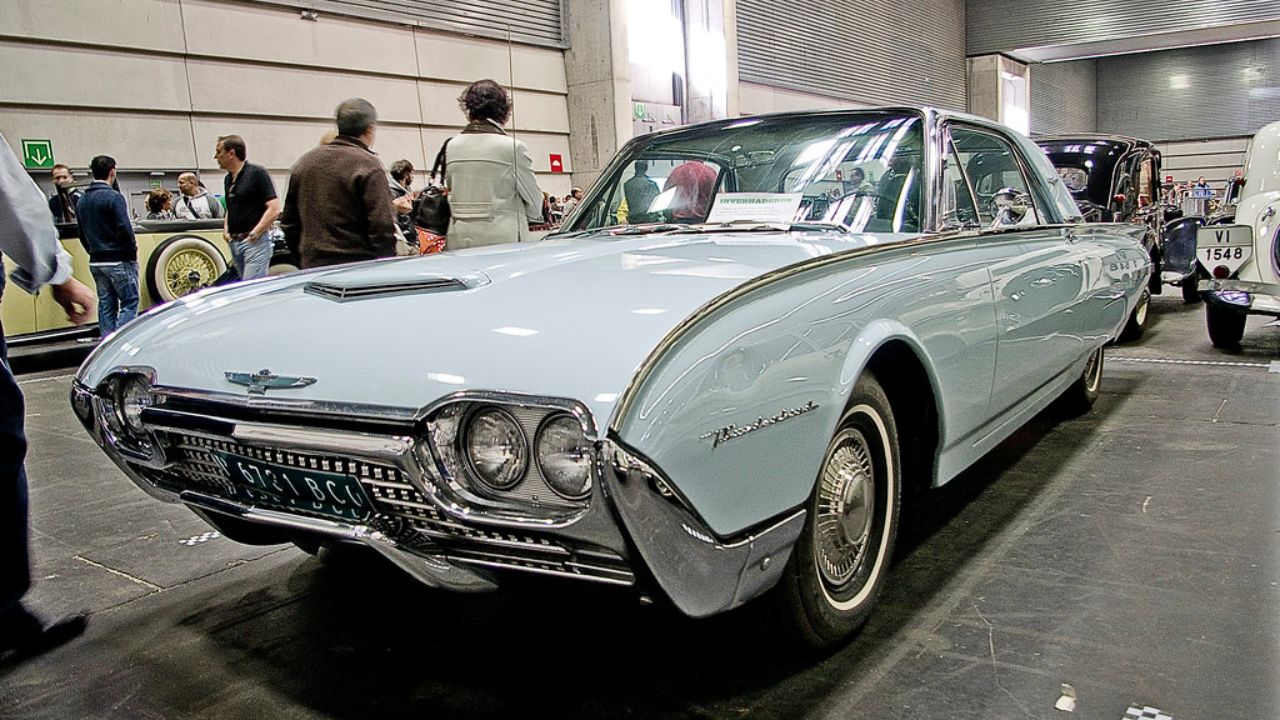
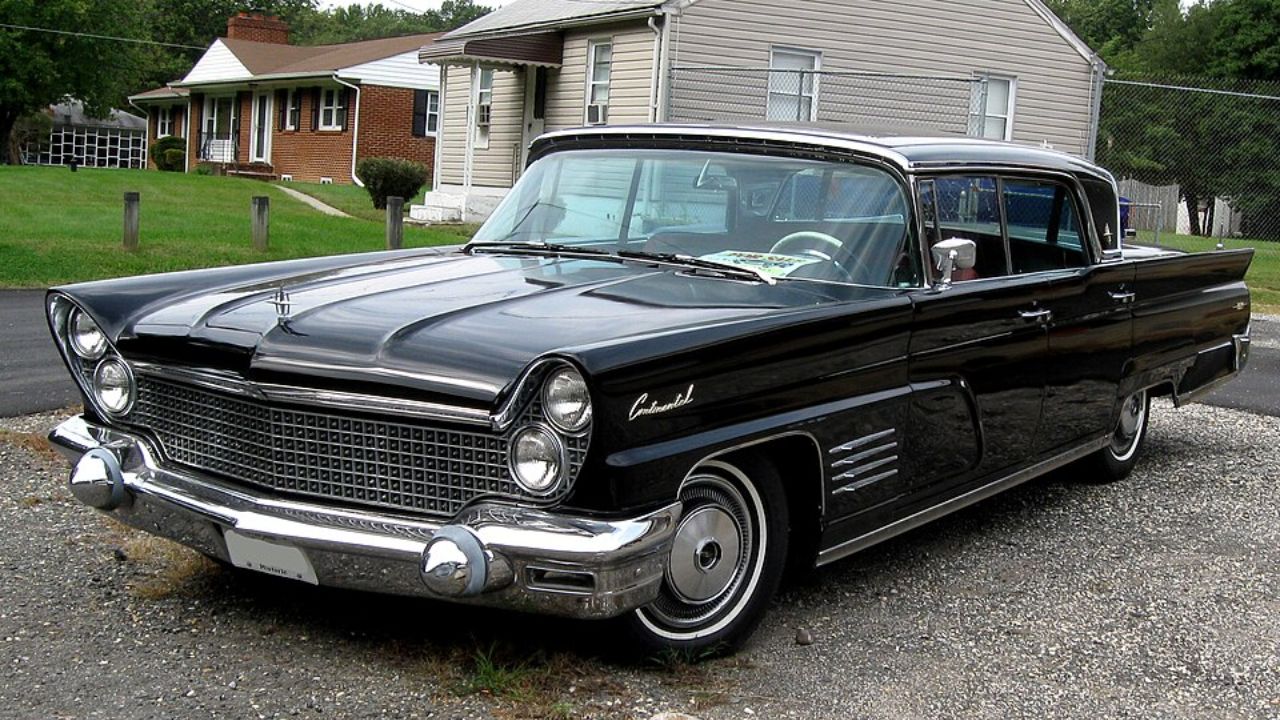
Some classic cars transformed the automotive world without becoming household legends. Overshadowed by more famous contemporaries, they introduced new engineering ideas, influenced future designs, or quietly created entirely new market segments. Their contributions remain significant, even if they rarely receive the recognition they truly deserve.
Nash Rambler

The Nash Rambler proved there was strong demand for practical compact cars long before imports dominated the segment. Its efficient size and sensible design encouraged American manufacturers to reconsider the industry’s focus on ever-larger automobiles. The Rambler quietly helped reshape Detroit’s thinking about compact transportation.
Studebaker Avanti
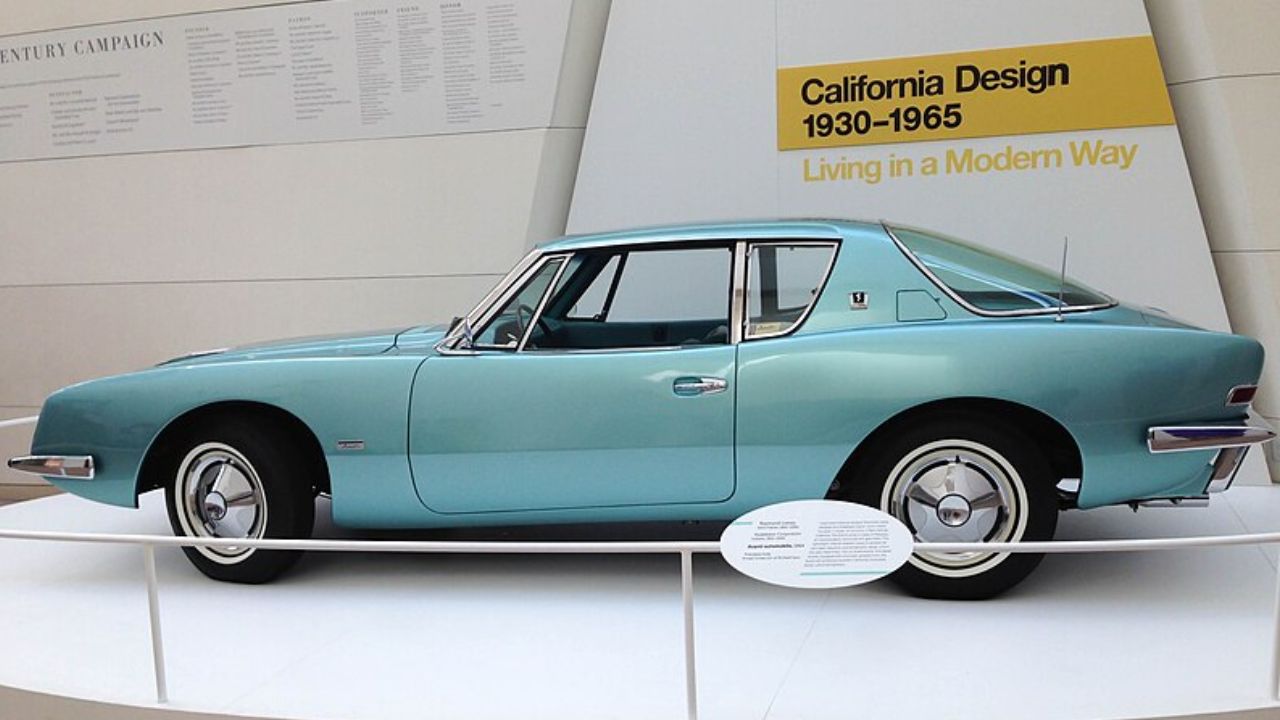
The Studebaker Avanti featured streamlined fiberglass construction, advanced safety engineering, and styling unlike anything else on American roads. Although commercial success was limited, its bold design influenced future performance coupes. The Avanti demonstrated that innovation could come from smaller manufacturers as well as Detroit’s giants.
Oldsmobile F-85 Jetfire
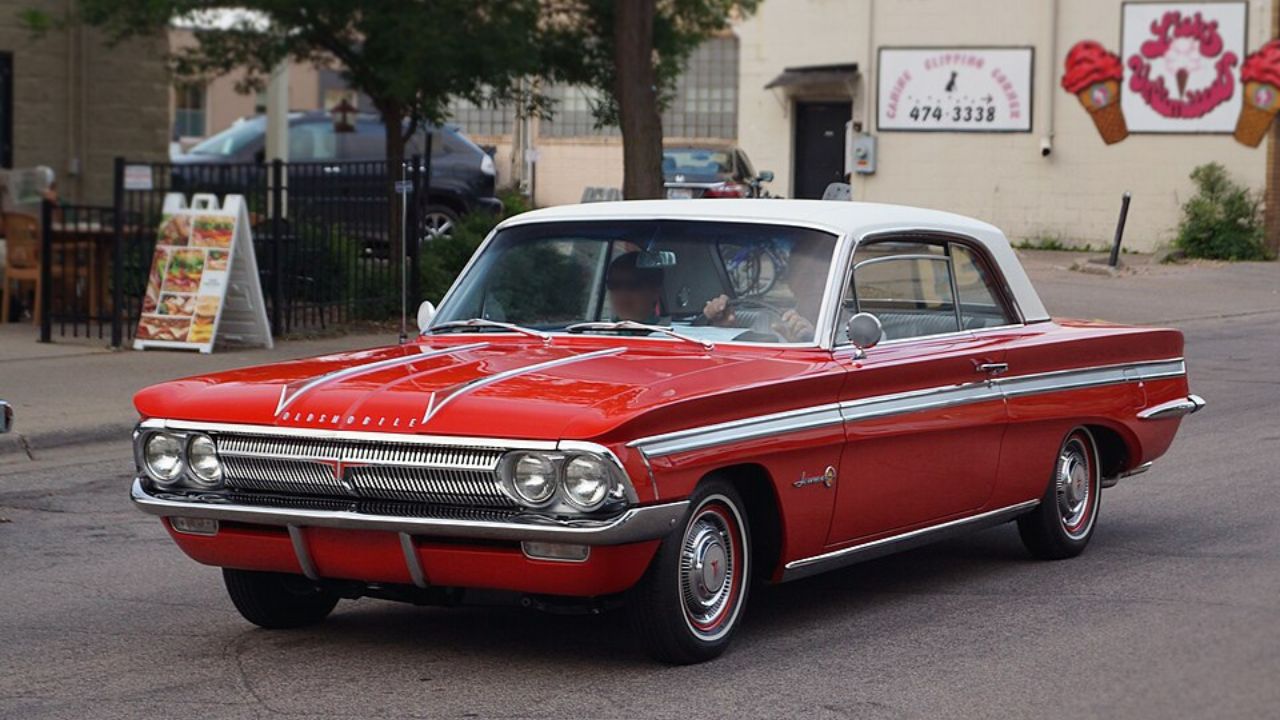
The Oldsmobile F-85 Jetfire became one of the world’s first production cars with a turbocharged engine. While the technology was unfamiliar to many buyers, it demonstrated the potential of forced induction decades before turbocharging became an industry standard for improving performance and efficiency.
AMC Eagle
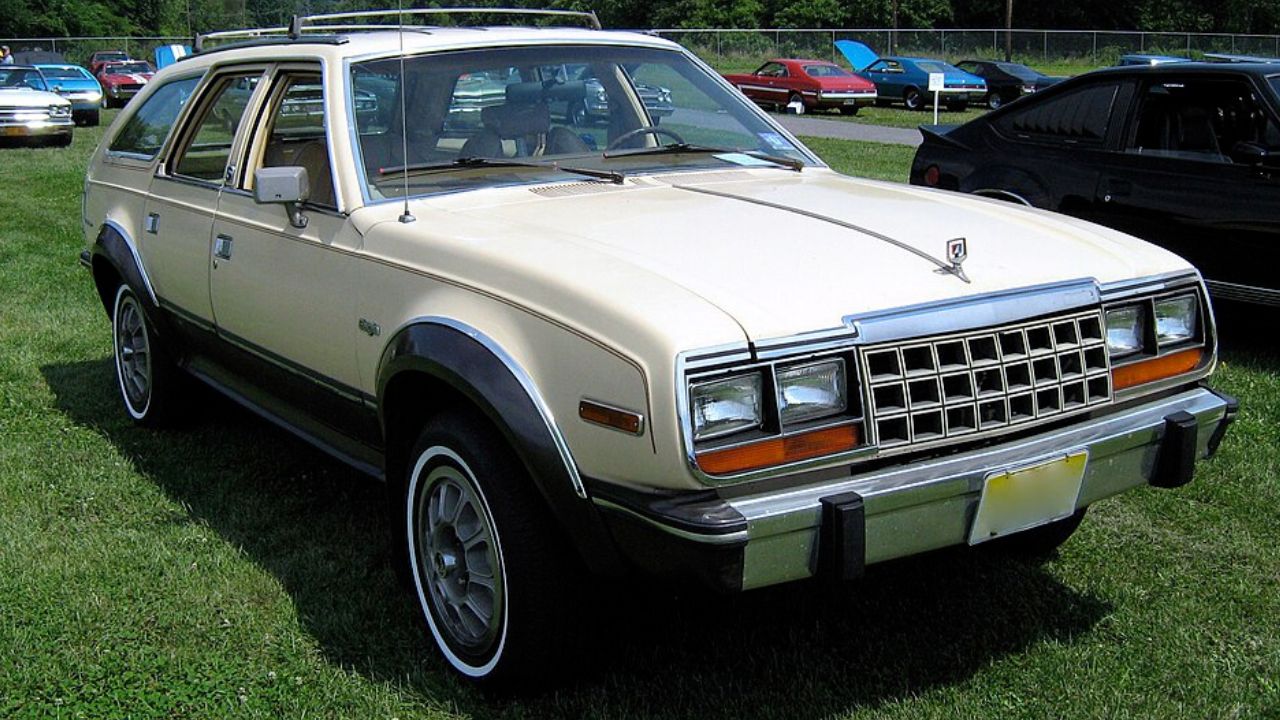
The AMC Eagle combined passenger-car comfort with full-time four-wheel drive years before crossover vehicles became mainstream. Initially viewed as an unusual compromise, it ultimately introduced a concept that would evolve into one of the automotive industry’s most successful vehicle categories.
Chevrolet Corvair

The Chevrolet Corvair challenged conventional American engineering with its rear-mounted air-cooled engine and fully independent suspension. Beyond its mechanical innovations, the debates surrounding the Corvair significantly influenced vehicle safety awareness and encouraged manufacturers to place greater emphasis on occupant protection.
Chrysler Airflow
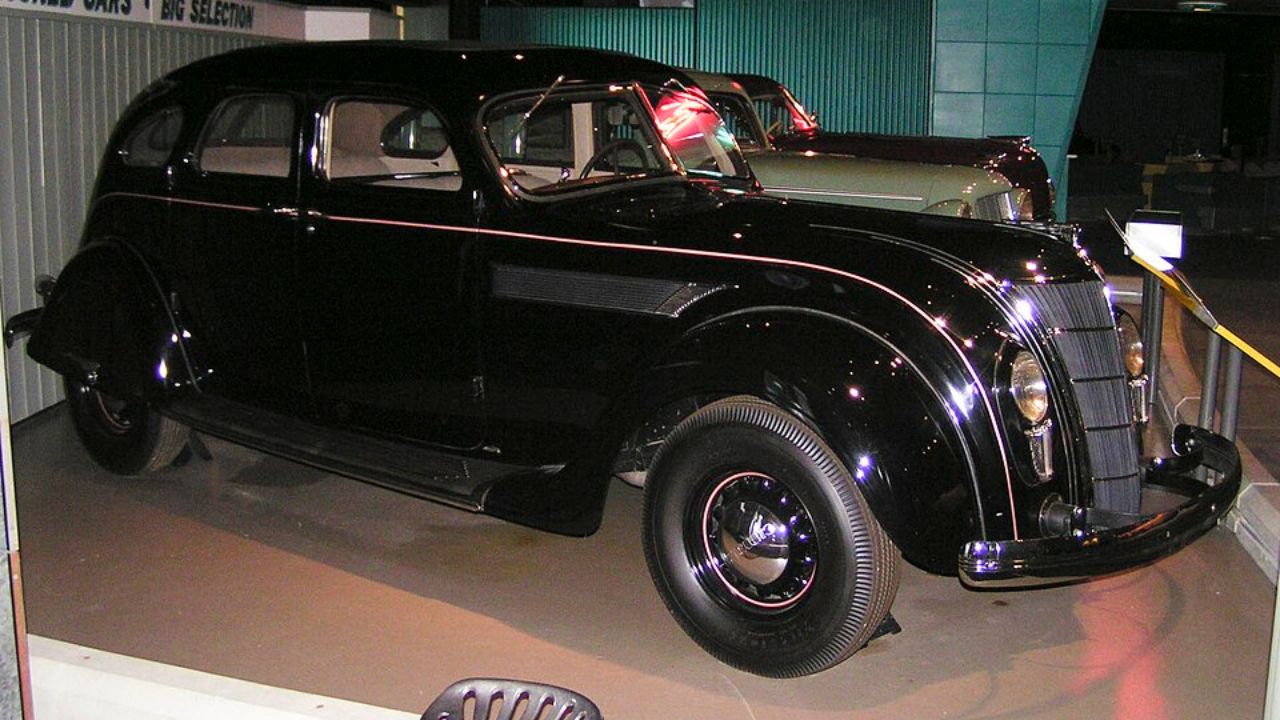
The Chrysler Airflow embraced aerodynamic styling and advanced unibody-inspired construction at a time when most automobiles followed traditional design practices. Although buyers were slow to accept its appearance, its engineering principles influenced future automotive development around the world.
Kaiser Darrin
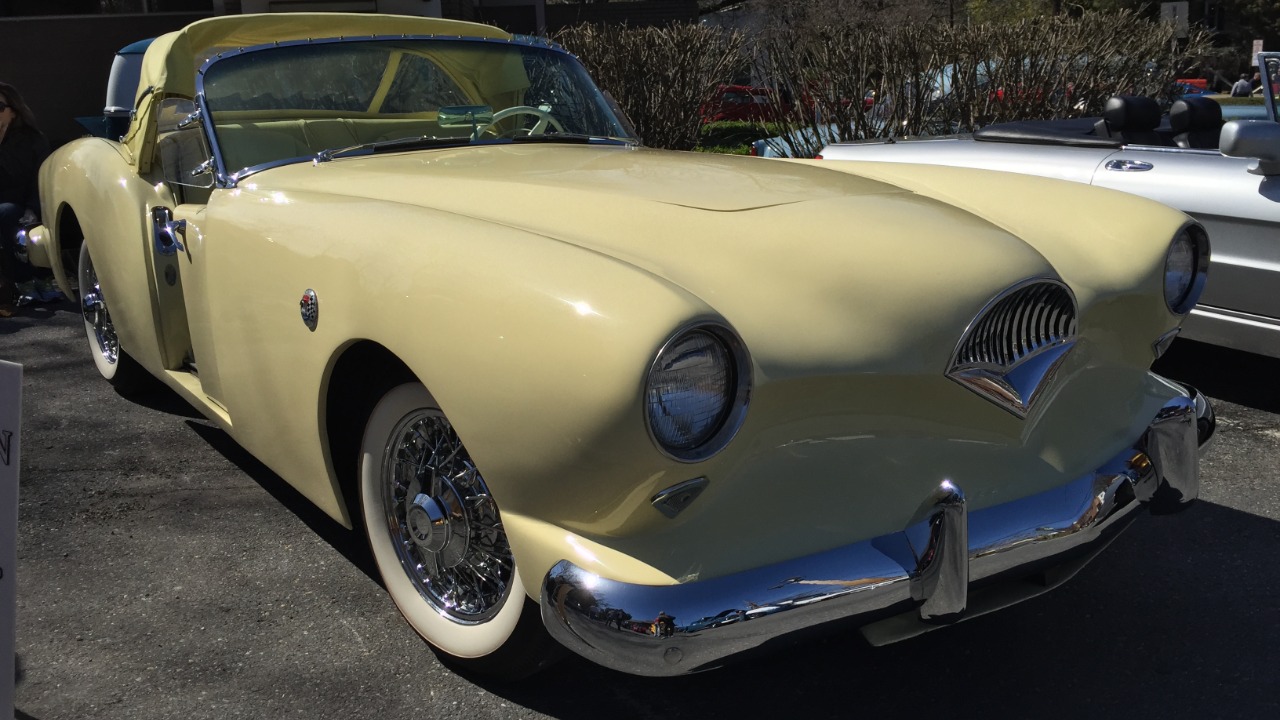
The Kaiser Darrin introduced lightweight fiberglass body construction and distinctive sliding pocket doors in a stylish American sports car. Produced in limited numbers, it showcased innovative thinking that anticipated later experimentation with lightweight materials and unconventional body designs.
Jeep Wagoneer
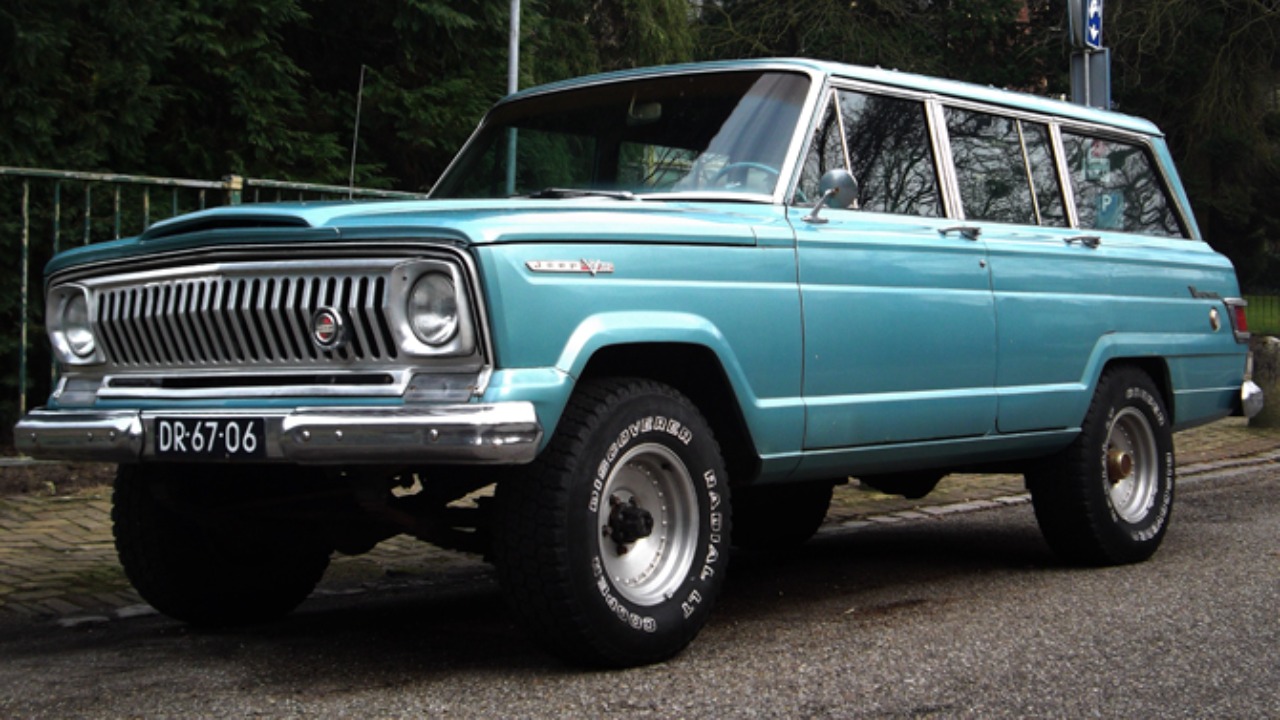
The original Jeep Wagoneer successfully blended passenger-car comfort with genuine four-wheel-drive capability. It demonstrated that utility vehicles could also serve as refined family transportation, establishing a formula that would eventually shape the modern luxury SUV market.
Ford Falcon
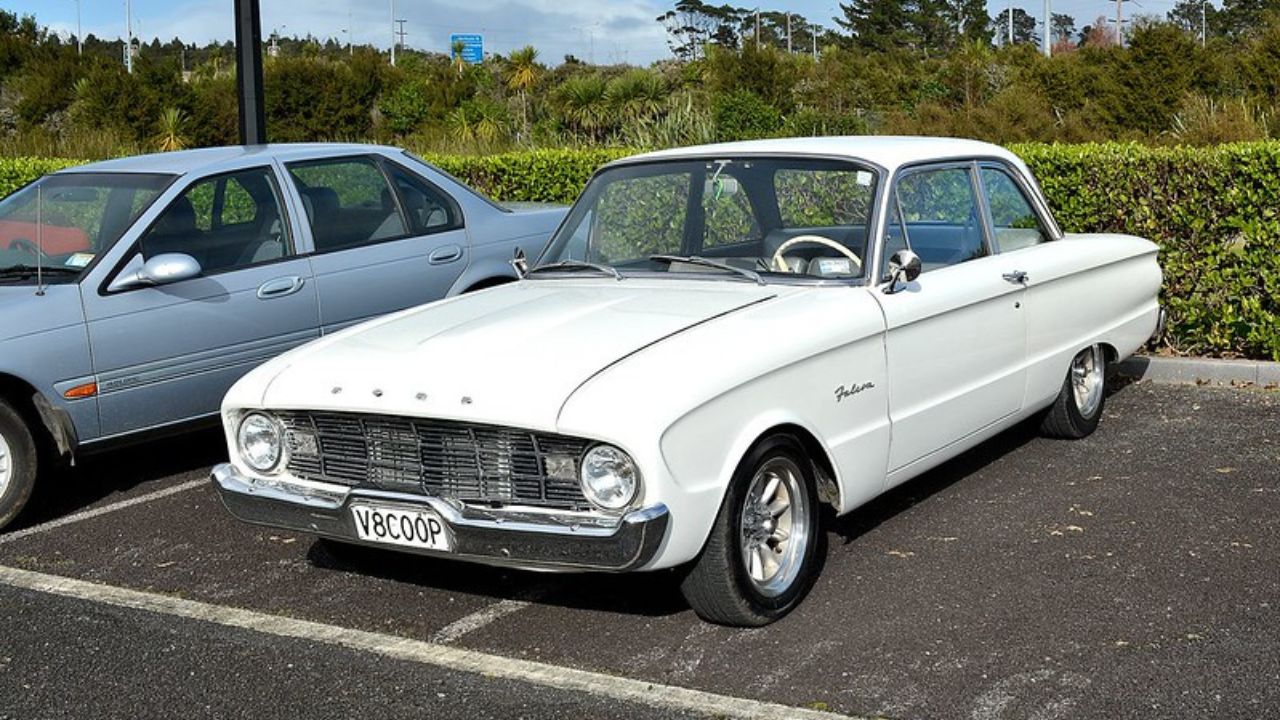
The Ford Falcon provided simple, dependable, and affordable compact transportation while also serving as the foundation for numerous future Ford models. Its versatile platform influenced vehicle development throughout the 1960s and directly contributed to the creation of one of America’s most famous performance cars.
Volvo 240
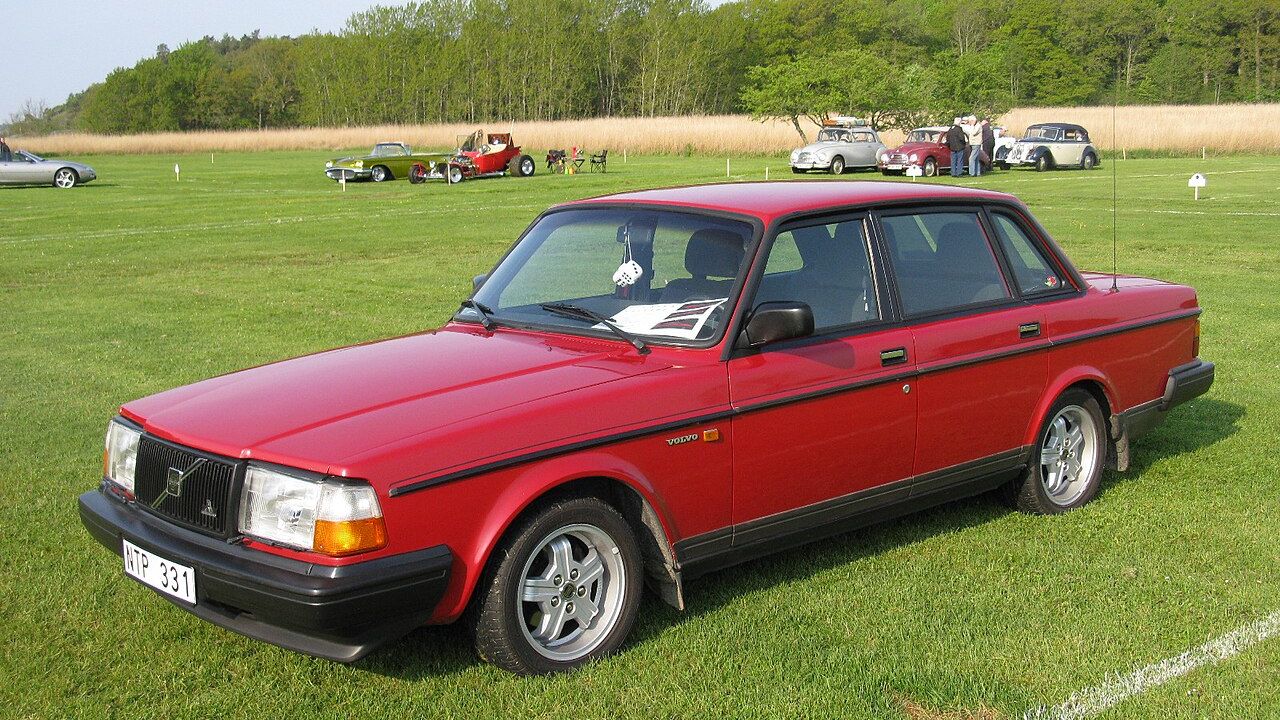
The Volvo 240 quietly established new expectations for automotive safety, durability, and long-term reliability. Its engineering innovations and occupant protection features influenced safety standards across the industry. Though rarely celebrated as a revolutionary vehicle, its impact can still be seen in modern automobile design.
More from Fast Lane Only
- Unboxing the WWII Jeep in a Crate
- 15 rare Chevys collectors are quietly buying
- 10 underrated V8s still worth hunting down
- Police notice this before you even roll window down
*Research for this article included AI assistance, with all final content reviewed by human editors