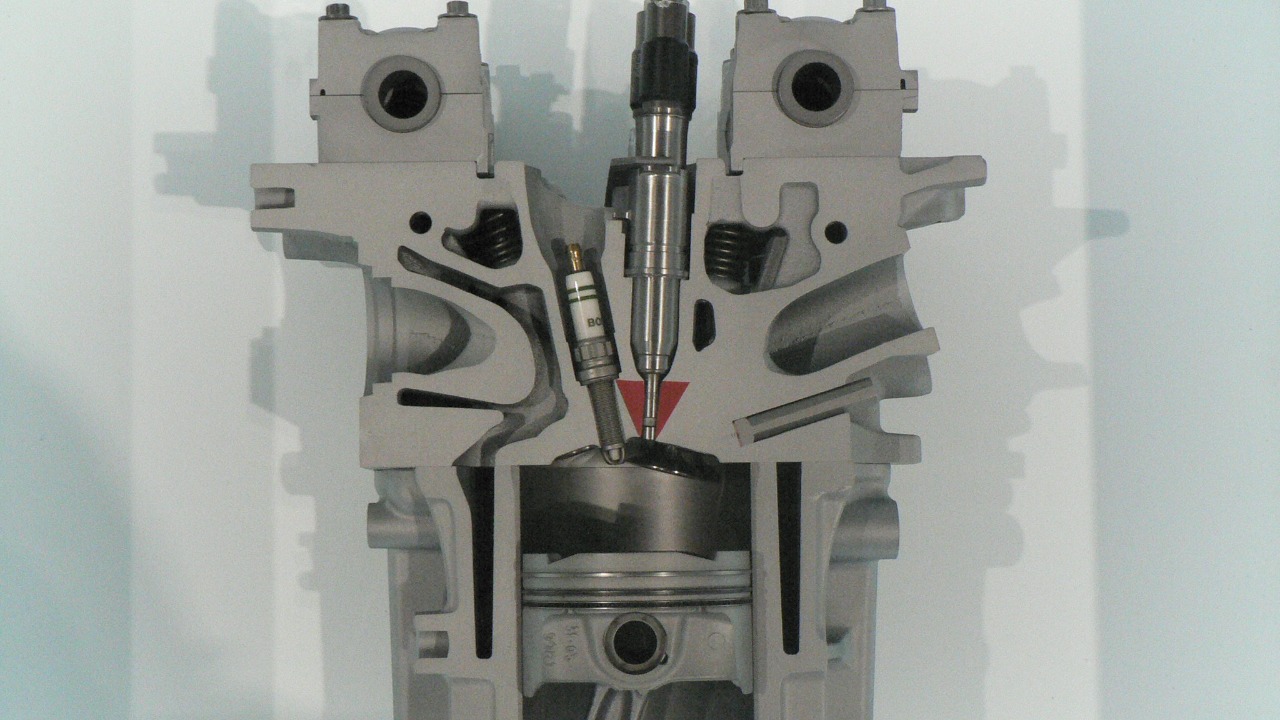
Direct-injected engines helped modern vehicles produce better fuel economy and stronger performance, but mechanics are increasingly warning that carbon buildup has become a serious long-term reliability issue. Many drivers ignore the problem until rough idling, power loss, or expensive repairs appear, allowing deposits to slowly damage engine efficiency and drivability over time.
Direct injection changed how modern engines deliver fuel
When manufacturers like Toyota, Volkswagen, and Ford Motor Company adopted direct injection technology, the goal was improving fuel efficiency, emissions performance, and power output. Instead of spraying fuel into the intake manifold, direct injection systems deliver fuel directly into the combustion chamber.
This design improves combustion precision and allows engines to produce more power from smaller displacement platforms. However, mechanics say the system also introduced a major side effect involving carbon accumulation on intake valves, especially in turbocharged direct-injected engines driven under normal commuting conditions.
Carbon buildup forms because intake valves no longer receive fuel cleaning
In older port-injected engines, gasoline regularly washed across intake valves and helped reduce deposit formation. With direct fuel injection systems, that cleaning effect largely disappears because fuel bypasses the intake valves entirely.
As oil vapors and combustion contaminants move through the intake system, carbon deposits gradually accumulate on valve surfaces. Mechanics working on vehicles from Volkswagen and Ford Motor Company frequently encounter engines suffering from severe buildup after years of normal driving.
Mechanics say performance problems appear gradually
One reason the problem becomes dangerous is that carbon buildup often develops slowly enough that drivers fail to notice the symptoms immediately. The carbon buildup may initially cause mild roughness, occasional hesitation, or slight reductions in fuel economy before progressing into more severe drivability issues.
Over time, mechanics report that excessive deposits can disrupt airflow, reduce combustion efficiency, and create misfires. In some direct-injected engines produced by Toyota and Volkswagen, heavy carbon accumulation may eventually trigger check engine warnings and noticeable power loss.
Turbocharged engines are especially vulnerable to deposits
Modern turbocharged direct-injected engines often experience more severe carbon buildup because they operate under higher pressure and heat levels. Turbocharger systems can increase blow-by gases and oil vapor circulation, contributing to faster deposit formation inside intake passages.
Mechanics frequently observe this issue in turbocharged vehicles from Ford Motor Company and Volkswagen, where performance-focused smaller-displacement engines rely heavily on direct injection technology. Without periodic cleaning, deposits may eventually interfere with engine efficiency and long-term reliability.
Preventive maintenance can reduce long-term damage
Technicians often recommend proactive maintenance strategies to manage carbon buildup before severe symptoms appear. High-quality oil changes, proper driving habits, and periodic intake cleaning services may help slow deposit accumulation inside direct-injected engines.
Some owners of Toyota and Ford Motor Company vehicles also use specialized cleaning procedures such as walnut blasting to remove stubborn intake valve deposits. Mechanics say addressing buildup early is far less expensive than repairing major drivability or engine damage later.
Mechanics warn the problem is becoming more common
As direct injection technology spreads across the automotive industry, mechanics are seeing more vehicles affected by long-term carbon buildup issues. While direct injection provides real efficiency and performance advantages, technicians emphasize that these engines require more careful maintenance awareness than many older designs.
For owners of modern vehicles from Volkswagen, Toyota, and Ford Motor Company, mechanics say ignoring carbon buildup can eventually shorten engine life and reduce performance significantly. What begins as minor deposits can slowly turn into major repair bills if left untreated for too long.
More from Fast Lane Only