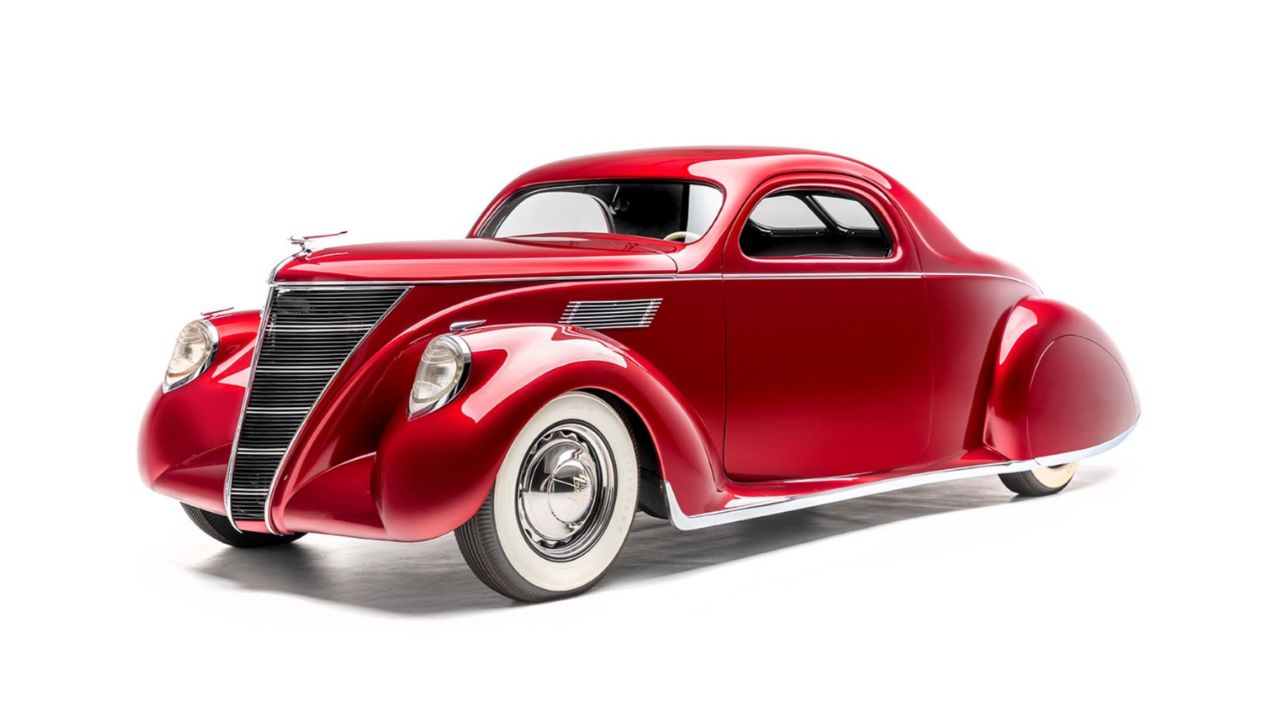
James Hetfield isn’t just the frontman of Metallica—he’s a serious gearhead with a deep love for custom coach-built cars. One of his most talked-about creations is a 1937 Lincoln Zephyr known as Voodoo Priest. This isn’t your typical resto or mild build. It’s a full-on transformation—an Art Deco time capsule reimagined with attitude, craftsmanship, and just the right amount of menace.
Built in collaboration with custom builder Rick Dore, Voodoo Priest blends the drama of classic prewar design with modern drivability and tailored details throughout. Here are ten features that make it one of the most unforgettable customs in Hetfield’s collection.
1. Acquisition and History

The journey of the Voodoo Priest began with Hetfield acquiring a 1937 Lincoln Zephyr that had a unique backstory. The car previously belonged to a Vietnam veteran who, upon returning from service, left it parked in his mother’s driveway for decades. This long period of dormancy added to the vehicle’s mystique and appeal.
Recognizing the car’s potential, Hetfield saw an opportunity to transform this neglected classic into a custom masterpiece. The Zephyr’s storied past provided a solid foundation for the ambitious project that lay ahead.
2. Collaboration with Rick Dore

To bring his vision to life, Hetfield collaborated with renowned custom car builder Rick Dore of RD Kustoms. Dore’s expertise in crafting bespoke vehicles was instrumental in reimagining the Zephyr. The partnership aimed to blend the car’s original Art Deco aesthetics with contemporary custom elements.
The result was a seamless integration of classic lines and modern flair, showcasing the combined talents of Hetfield and Dore. Their shared passion for automotive artistry is evident in every aspect of the Voodoo Priest’s design.
3. Chassis and Suspension Modifications
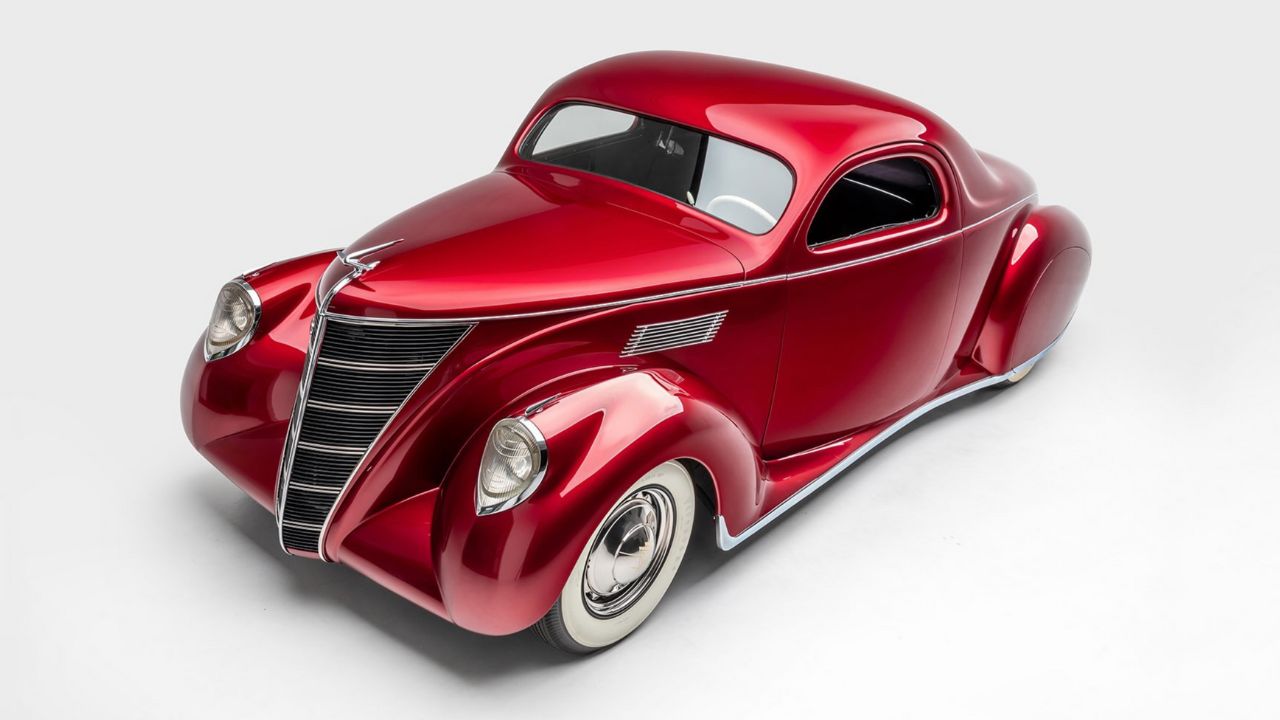
The foundation of the Voodoo Priest underwent significant enhancements to improve its performance and stance. A Mustang II independent front suspension was installed, providing better handling and ride quality. At the rear, a Ford 9-inch axle was paired with a RideTech airbag setup, allowing for adjustable ride height and improved comfort.
These modifications ensured that the Zephyr not only looked stunning but also delivered a smooth and responsive driving experience. The updated suspension system was crucial in transforming the vintage vehicle into a reliable and enjoyable ride.
4. Bodywork and Custom Fabrication
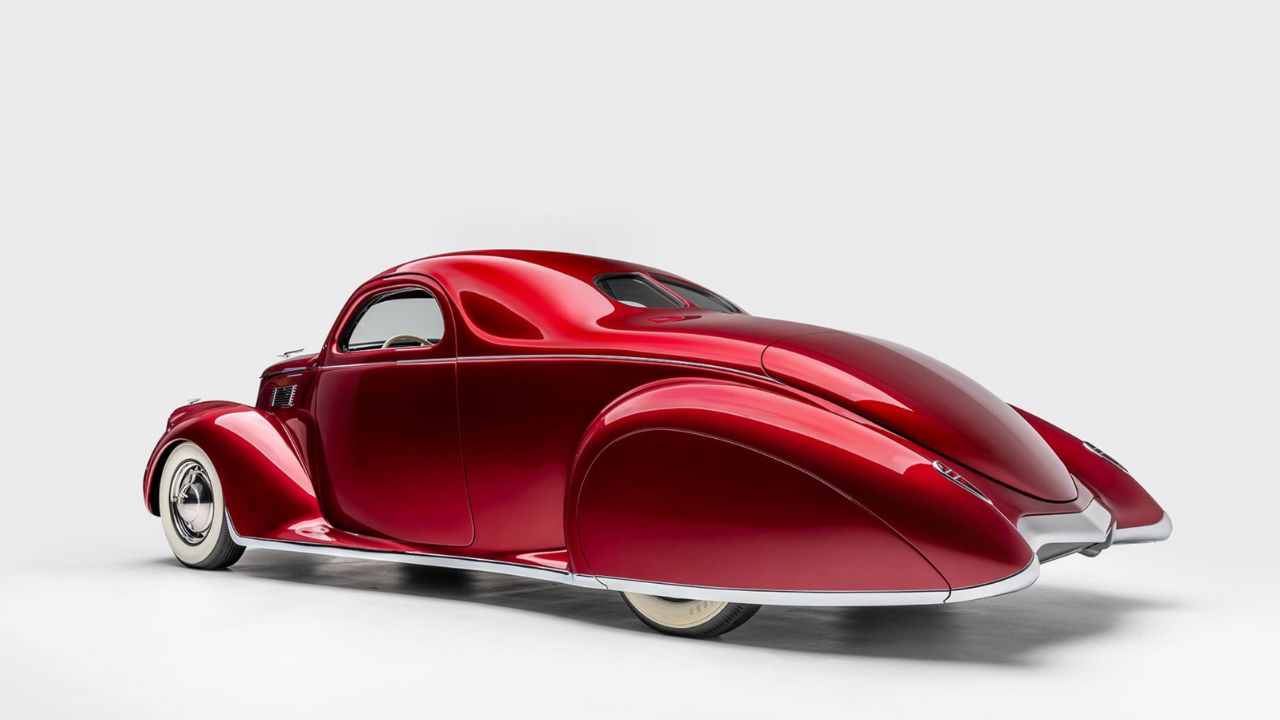
Extensive bodywork was carried out to achieve the Voodoo Priest’s sleek appearance. Keith Dean, son of legendary customizer Dick Dean, led the efforts in reshaping the car’s exterior. The deck lid was lowered, rockers reworked, and rear quarter panels from a 1938 Lincoln were integrated. Additionally, the rear edge of the doors was leaned forward, and custom taillights were crafted.
These alterations contributed to the car’s streamlined silhouette, enhancing its visual appeal while maintaining the essence of the original design. The meticulous craftsmanship is evident in the seamless blending of new and existing elements.
5. Paint and Finish
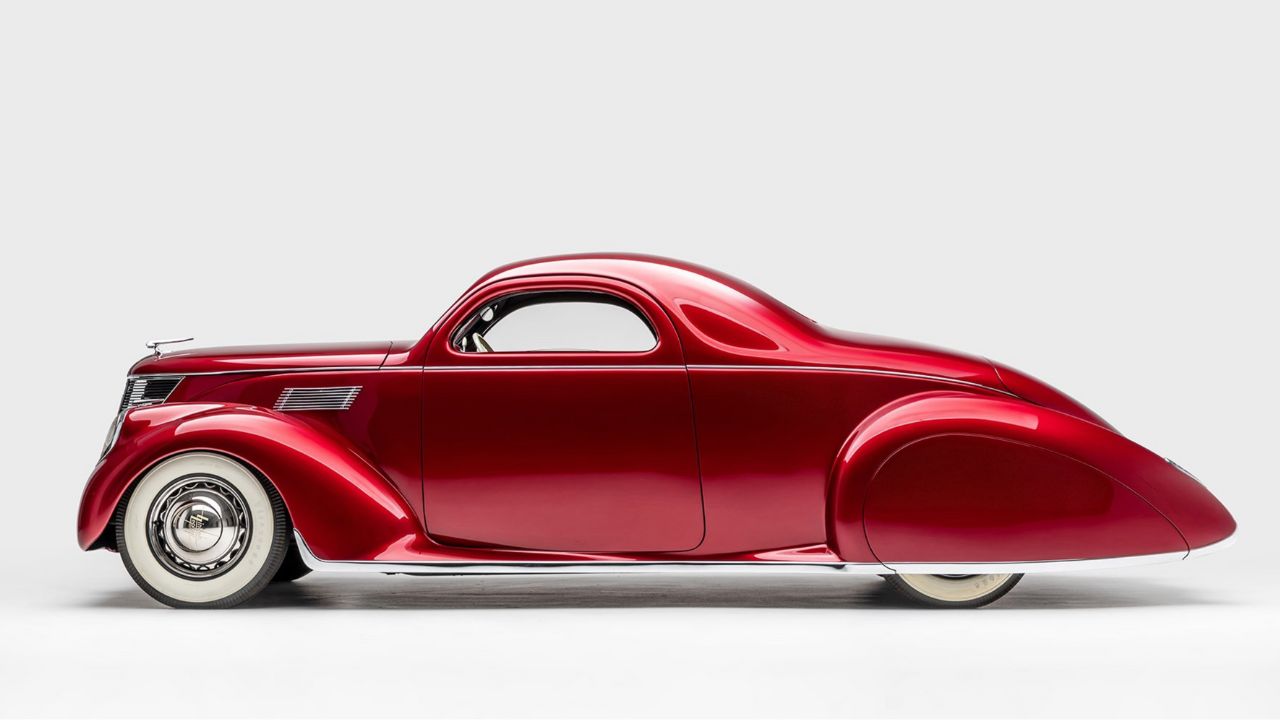
The Voodoo Priest’s striking exterior is the result of meticulous paintwork by Darryl Hollenbeck. A Candy Apple red finish was applied over a raspberry base, creating a deep, lustrous color that accentuates the car’s curves. This choice of paint not only highlights the vehicle’s design but also adds a touch of modern flair to the classic body.
The attention to detail in the paintwork ensures that the Voodoo Priest stands out in any setting, reflecting the high standards upheld throughout the customization process.
6. Engine and Performance
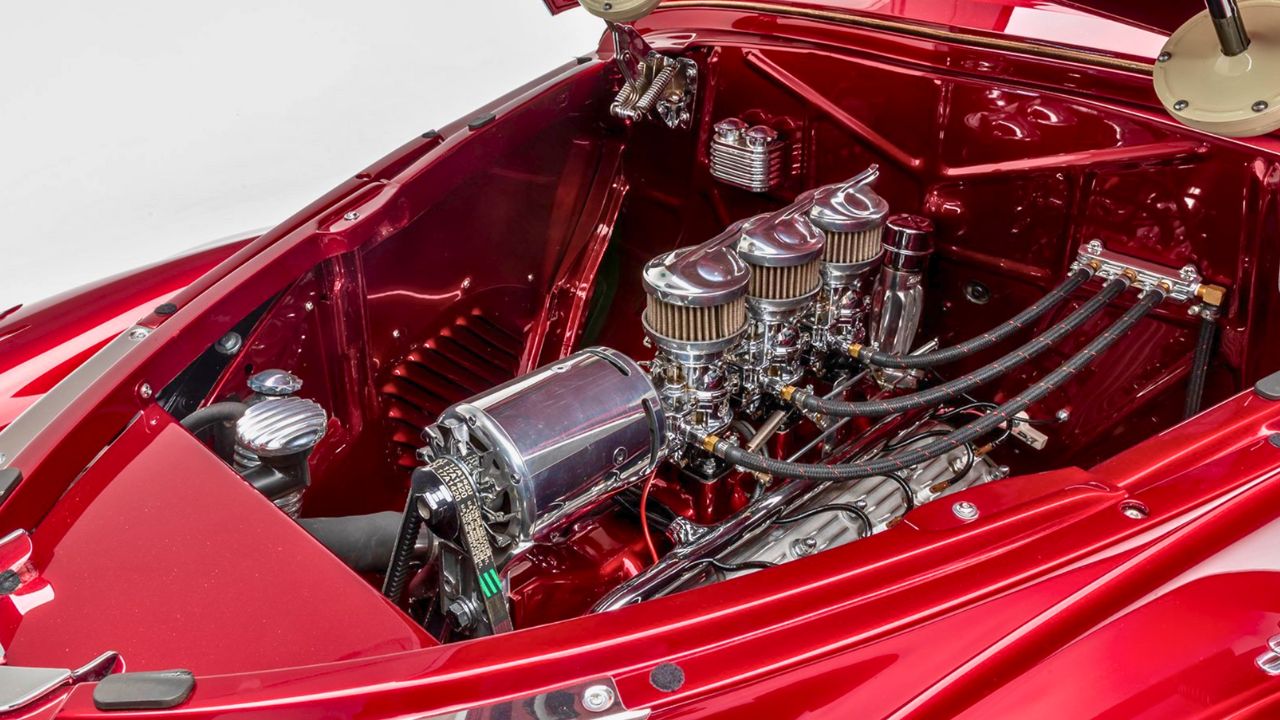
Under the hood, the original V12 engine was revitalized by H&H Flatheads. Equipped with three Stromberg 97 carburetors and a polished PowerGen alternator, the engine balances classic aesthetics with reliable performance. To enhance drivability, a C-4 automatic transmission was installed, providing smooth and efficient power delivery.
These mechanical upgrades ensure that the Voodoo Priest offers a driving experience that matches its impressive appearance, combining vintage charm with modern reliability.
7. Interior Design
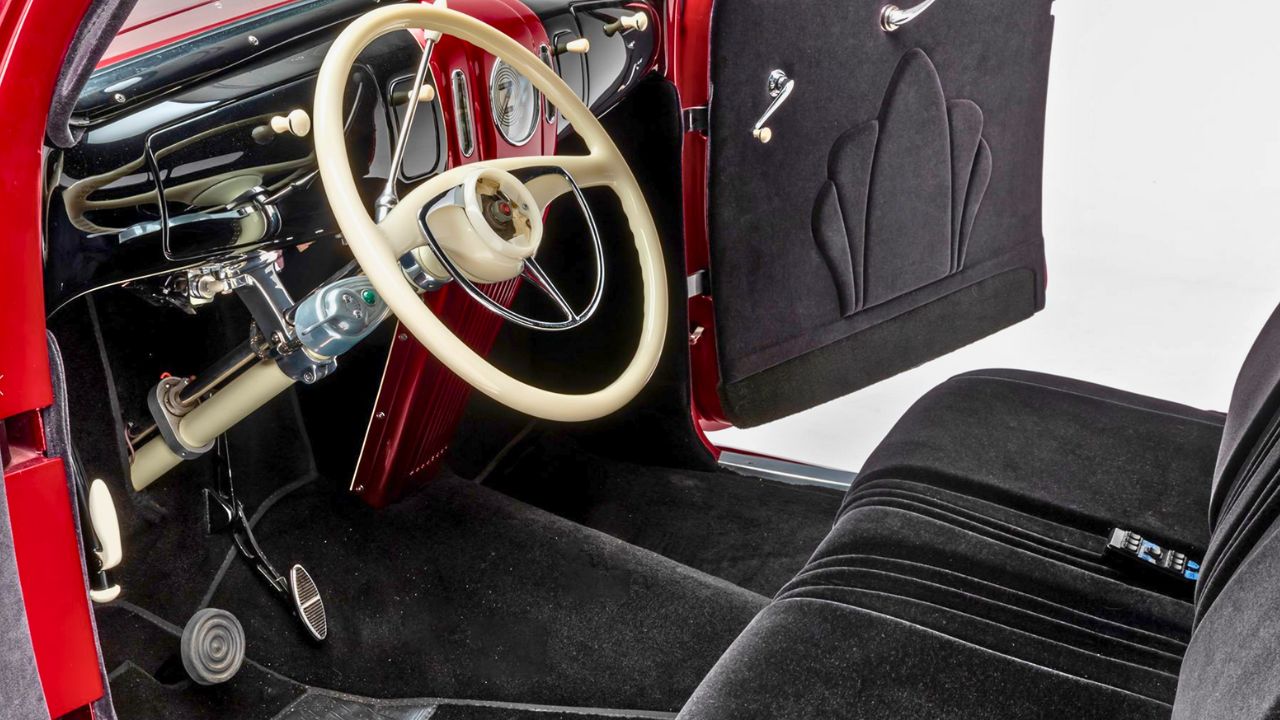
Inside, the Voodoo Priest features a custom interior designed by Craig Hopkins. Black mohair upholstery adorns the cabin, offering a luxurious and period-appropriate ambiance. The Art Deco-inspired design elements pay homage to the Zephyr’s origins, while modern comforts are subtly integrated.
A 1941 Lincoln steering wheel and a 1940 Ford column were incorporated, blending seamlessly with the overall aesthetic. The result is an interior that reflects both the car’s heritage and the owner’s personal style.
8. Wheels and Tires
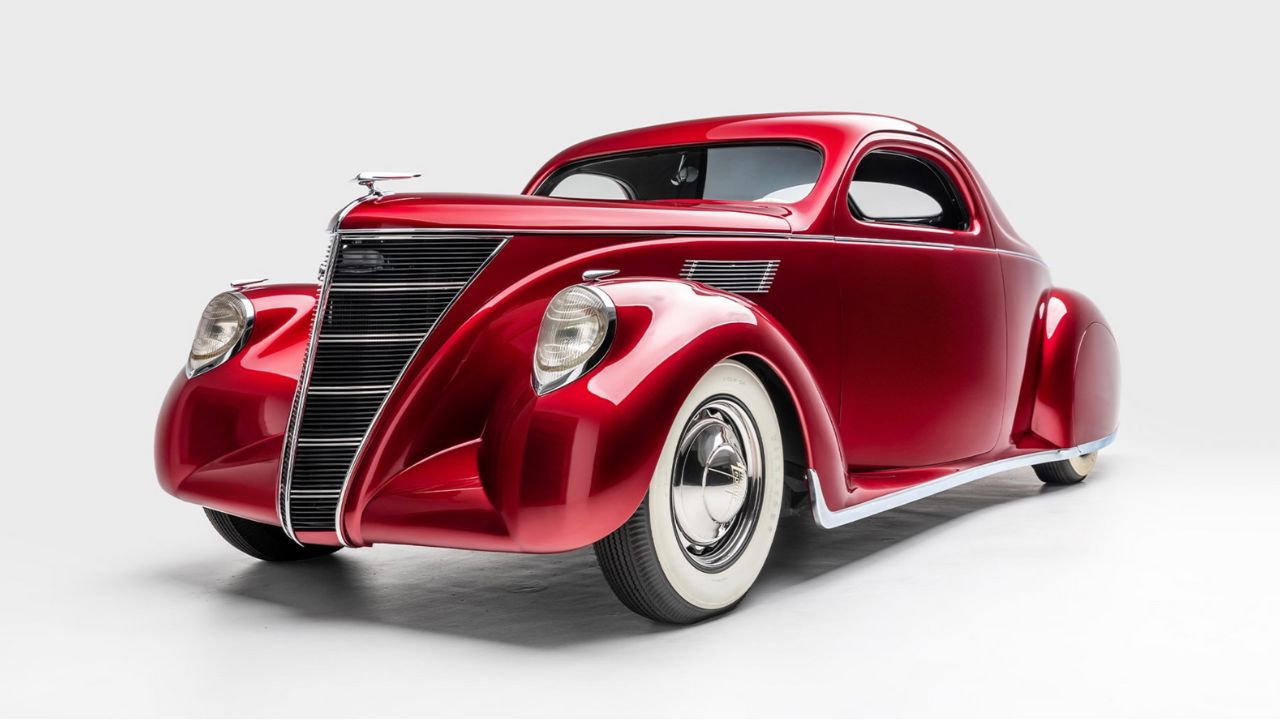
Custom 16-inch rims were crafted by Wheel Vintiques to complement the Voodoo Priest’s design. These wheels are fitted with Firestone 6.00-16 tires, maintaining a period-correct appearance while ensuring modern performance. Re-chromed Zephyr hubcaps complete the look, adding a touch of vintage elegance.
The choice of wheels and tires not only enhances the car’s visual appeal but also contributes to its overall performance and handling characteristics.
9. Exhibition and Recognition
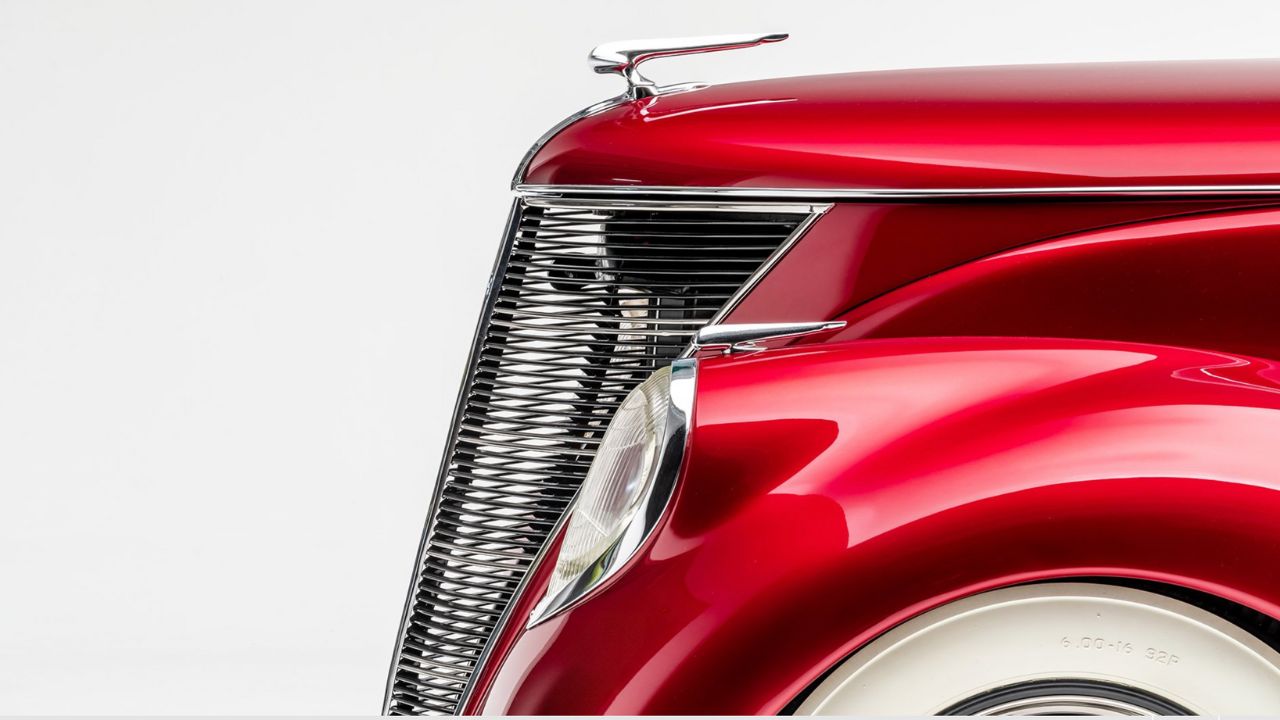
The Voodoo Priest has been showcased at various prestigious events, including the 2013 Custom Motor Show in Elmia, Sweden. Its presence at international exhibitions highlights the global appreciation for its design and craftsmanship. The car has garnered attention from enthusiasts and critics alike, solidifying its status as a standout custom build.
Its participation in such events underscores the impact and significance of the Voodoo Priest within the custom car community.
10. Donation to Petersen Automotive Museum
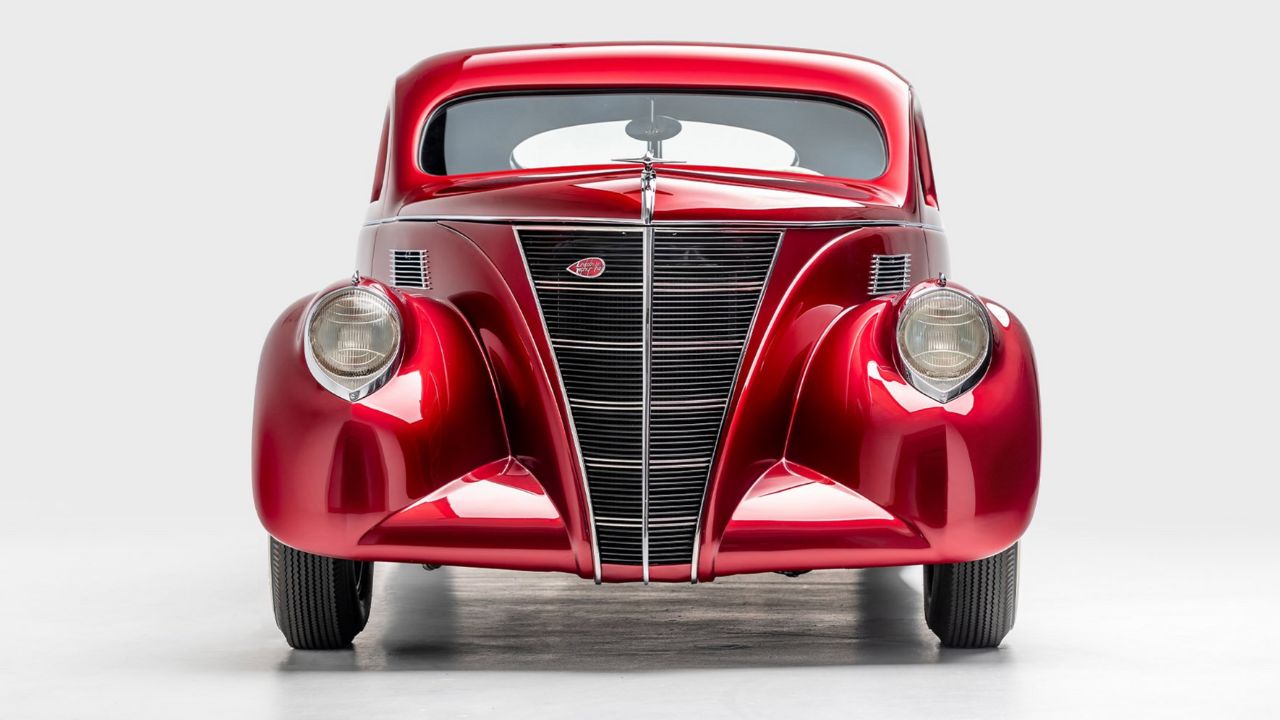
In 2019, James Hetfield donated the Voodoo Priest—alongside nine other custom builds—to the Petersen Automotive Museum in Los Angeles. The move wasn’t just about preserving the car; it was about sharing it with the public. Hetfield’s donation now lives as part of the museum’s permanent collection, giving fans a chance to see the craftsmanship up close.
The Zephyr is displayed among other pieces from Hetfield’s personal world, including guitars and Metallica memorabilia. It’s a fitting home for a car that blends artistic expression with mechanical soul—and a reminder that Hetfield’s creativity doesn’t stop at the stage.
*This article was hand crafted with AI-powered tools and has been car-fully, I mean carefully, reviewed by our editors.