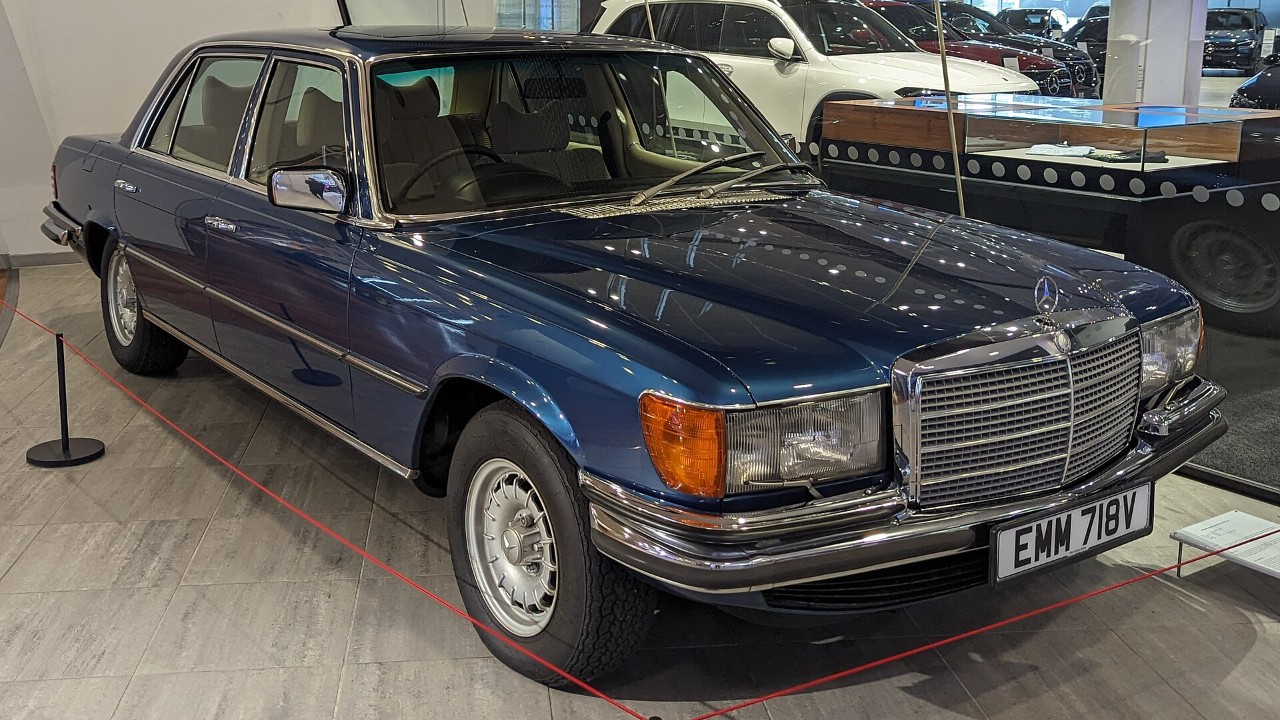
The Mercedes-Benz 450 SEL 6.9 cost twice as much as the entry-level 280SE when it reached buyers in 1975. Yet it drove like a sports sedan in a business suit. That mix of comfort and real pace is rarer than it sounds, and many of the best examples slipped out of the conversation once newer models arrived.
Luxury cars usually get remembered for wood, leather and chrome. However, a handful of them were built by people who clearly cared about steering feel, engine response and how the car took a fast bend. Those are the ones that keep winning over drivers decades later, even when most shoppers have forgotten the badge.
These are our picks for 10 forgotten luxury cars that pure drivers love. The choices and verdicts are our opinion. That said, every year, engine and figure below comes from road tests, maker histories, auction records and buyer guides we checked.
1. 1979 Mercedes-Benz 450 SEL 6.9
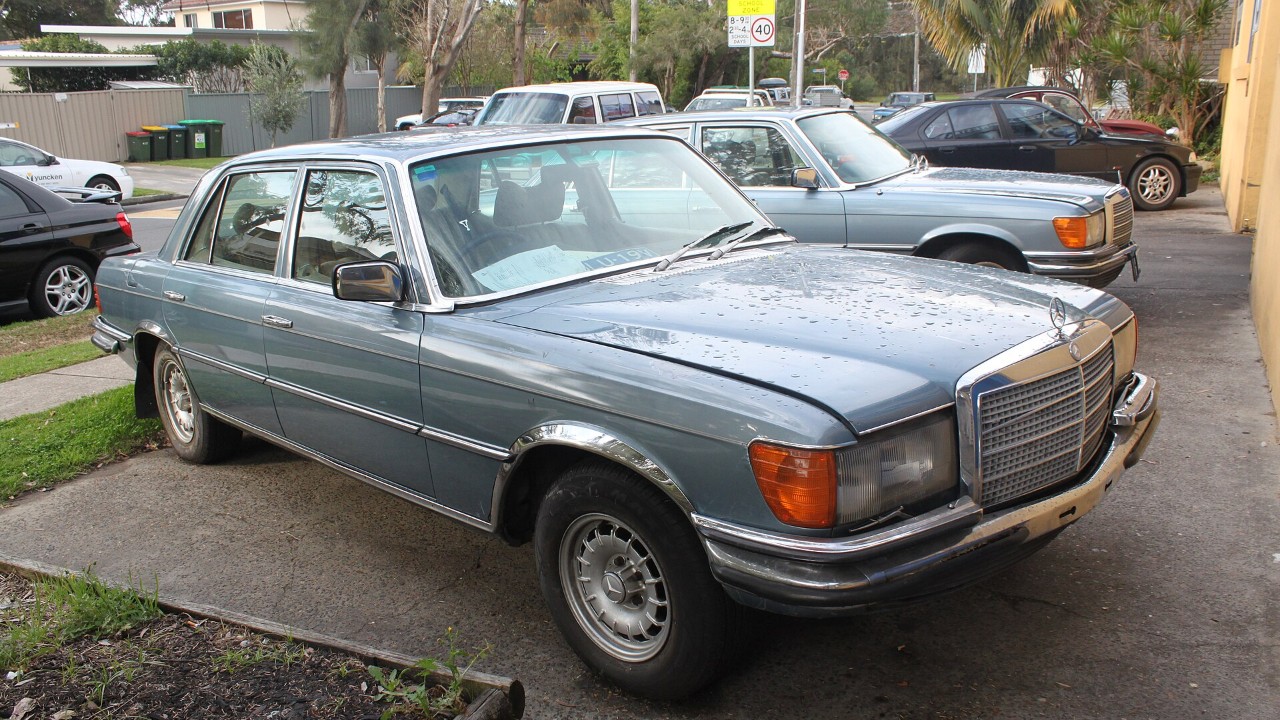
Mercedes launched the 6.9 in May 1975 on its own assembly line, and it used only the long-wheelbase W116 body. Despite the badge, the dry-sump V8 displaced 6,834cc. According to Octane’s history of the car, it made 286bhp and 405lb ft in European form, good for a 140mph top speed.
The clever part sat underneath. In fact, the Mercedes 450 SEL 6.9 was the first model from the brand with self-levelling hydropneumatic suspension. A push-pull knob on the dash also raised the ride height by 50mm for rough roads. Car magazine’s Ronald Barker called it “a genuine four-door four-seater hard-topped air-conditioned racing car.” Racing drivers agreed with their wallets, because James Hunt and Emerson Fittipaldi both owned one.
Mercedes built only 7,380 of them, out of nearly half a million W116s. In our view, that makes the Mercedes 450 SEL 6.9 the purest driver’s luxury sedan of the 1970s. It is big, fast and calm all at once, and nothing about it shouts.
2. 1985 BMW M 635 CSi
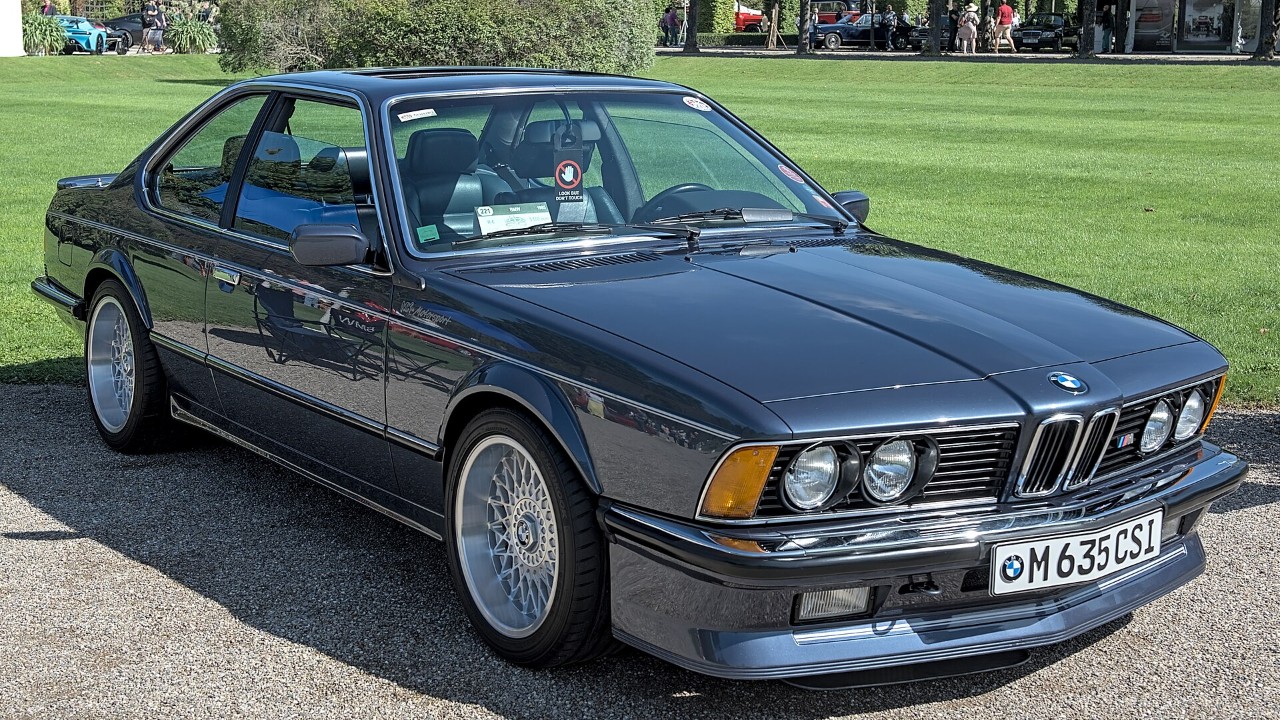
BMW showed the M 635 CSi at the 1983 Frankfurt Motor Show. Its 3.5-liter straight-six came from the M1 supercar, and the European car made 282 hp. North American buyers got it as the M6 with 256 hp, according to BMWBLOG’s history of the E24.
Those numbers feel lively even today. The European car ran 0-60 mph in 6.2 seconds and reached 158 mph. Meanwhile, the long, low shark-nose body kept the elegance of the regular 6 Series. BMW built 5,855 of them worldwide between 1983 and 1989, so you will not see one at every cars-and-coffee.
We think the M 635 CSi is the best kind of grand tourer. It has a race-bred engine, four real seats and a body that ages better every year. For more of that breed, see our look at BMW performance coupes that blended luxury with serious speed. If you find one with a solid service history, it is a car you could drive across a continent and then take to a track day.
3. 1985 BMW M535i
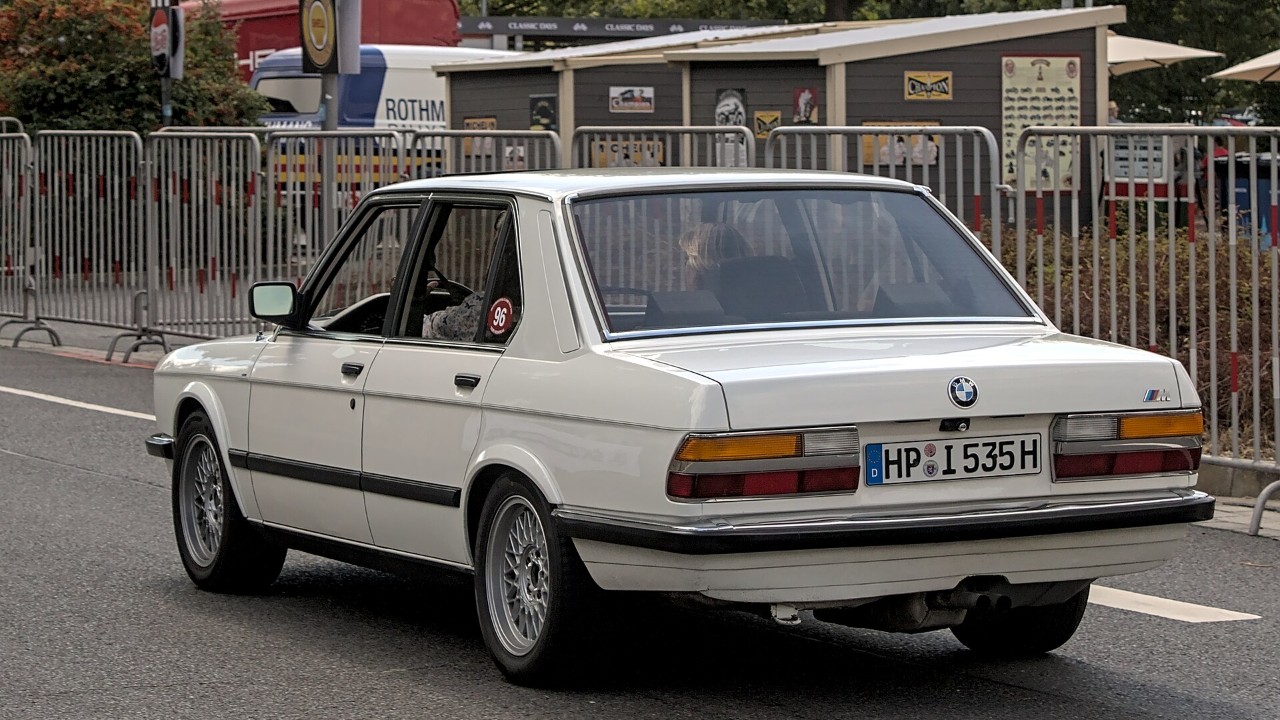
The E28 535i range reached Europe in January 1985, and the M535i sat at the top of it. Its 3,430cc Motronic six came from the 635CSi and made 218bhp, up from 184bhp in the 528i. That detail comes from BMWBLOG’s E28 history.
So what made it an M535i? Mostly the M Technic body kit, with plastic sills and bumpers in place of the plain car’s chrome. The gearbox and limited-slip choices matched the regular 535i. Even so, buyers loved the look. In fact, the M535i proved to be the bigger seller of the two.
That makes it a fascinating middle child. It has the boxy E28 shape that enthusiasts adore, a strong six and a sharper face, without the M5’s price. In our view, it is a sleeper with a little swagger. A clean one makes a fine daily classic, because the mechanicals are shared with the mainstream 535i and the cabin is pure 1980s BMW: driver-angled dash, thin pillars and a view out that modern cars cannot match.
4. 1987–1989 Mazda 929 hardtop
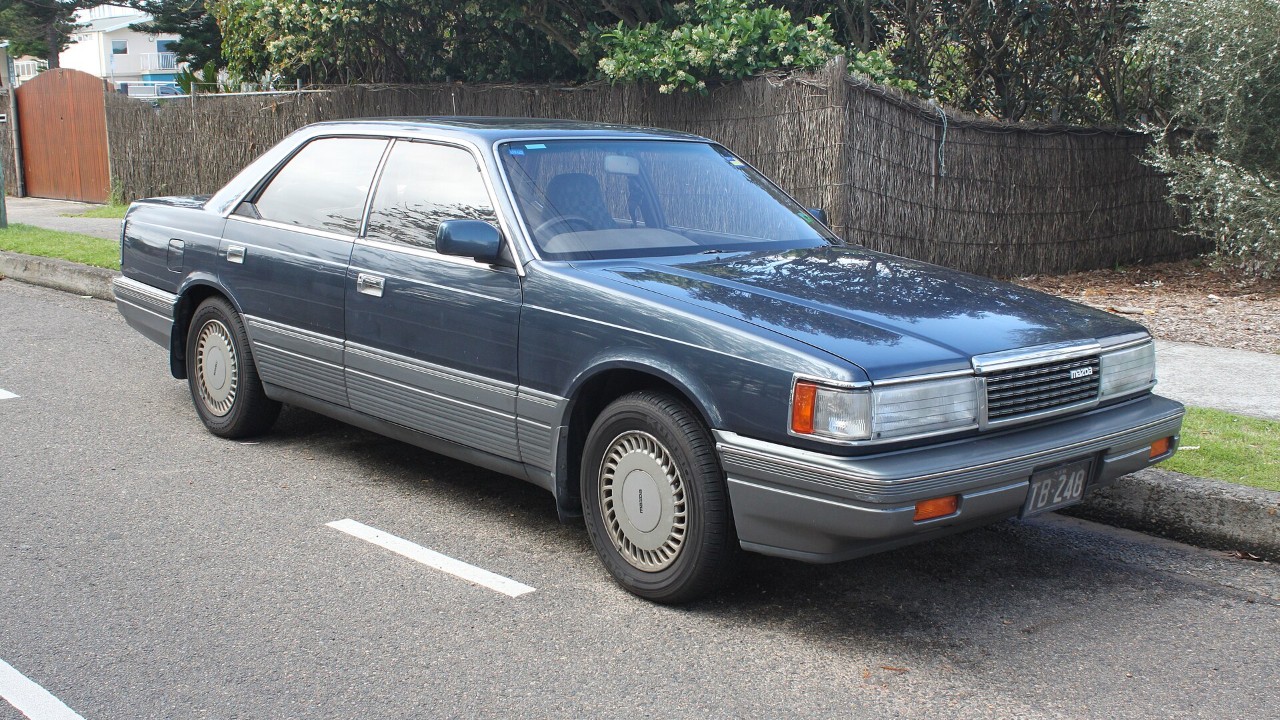
Mazda launched the HC-series 929 in Australia and North America in late 1987. It came as a sedan or a hardtop. According to Curbside Classic, the hardtop had frameless door glass, smoked taillights and a roof about 1.18 inches lower than the sedan’s.
Under the hood sat Mazda’s first V6, a 3.0-liter single-cam unit. In Japan, the hardtop could also be had with a 13B turbocharged rotary. North America never got the hardtop at all, only the sedan. Sales were slow there anyway, because a Mazda badge struggled against the hot-selling Acura Legend.
That is exactly why we love the hardtop. It is lower, sleeker and far rarer than the sedan most Americans remember, and it shows how seriously Mazda took the luxury market before Lexus and Infiniti arrived. Later, the design lived on in South Korea as the Kia Potentia. If you want a Japanese luxury car that nobody else at the show will have, this is it.
5. 1991 Lotus Carlton
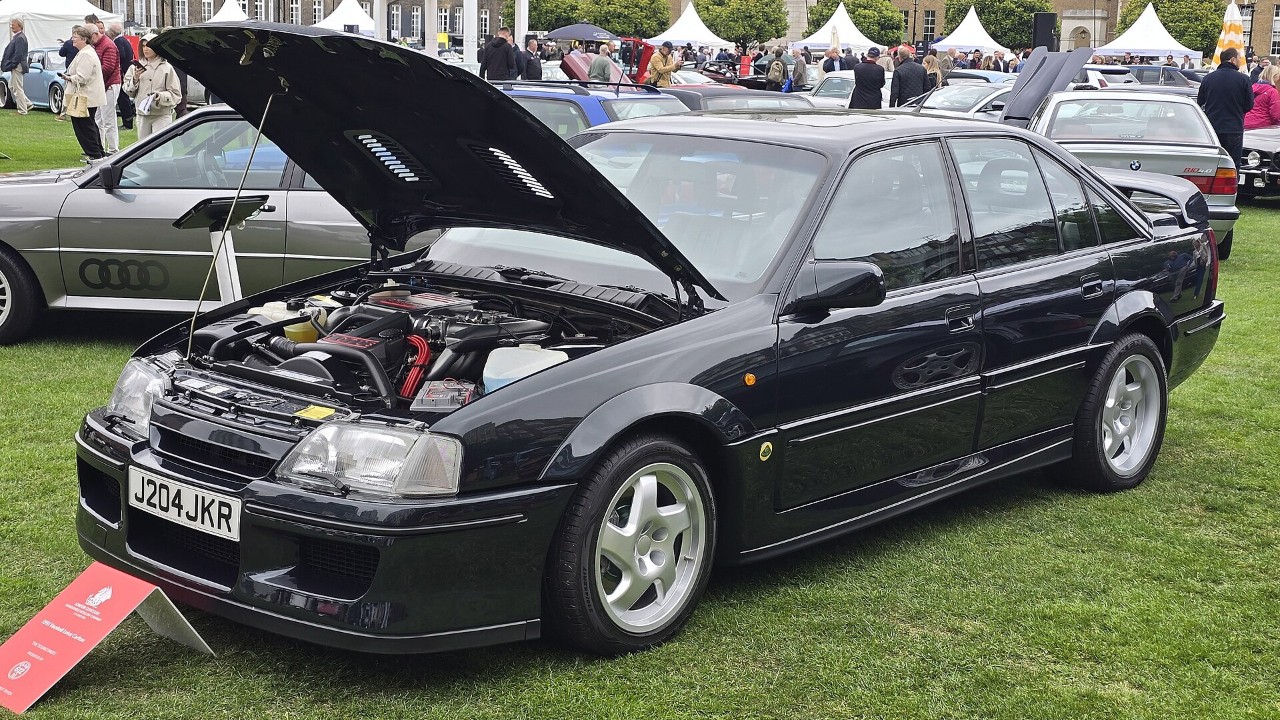
Lotus took a Vauxhall Carlton and gave it a 3,615cc twin-turbo straight-six with two Garrett T25 turbos. The result made 377bhp and 419lb ft. Then Lotus bolted on a ZF six-speed manual borrowed from GM’s Corvette ZR-1, according to evo’s history of the car.
The numbers were outrageous for a family-size sedan. It hit 60 mph in 4.8 seconds and reached 176 mph. As a result, parts of the British press wanted it banned. The campaign failed, but the car never shook the outlaw image. It cost £48,000 new, and the run ended at about 950 cars, split between Carlton and Opel Omega badges.
Our take: this is the luxury car for drivers who want the luxury to be the speed. The cabin is plain executive-car fare, and that is part of the charm. Few cars have ever hidden so much performance behind such an ordinary face. Most of them never left Europe, which explains why so few American drivers have seen one up close.
6. 1993 Saab 9000 Aero
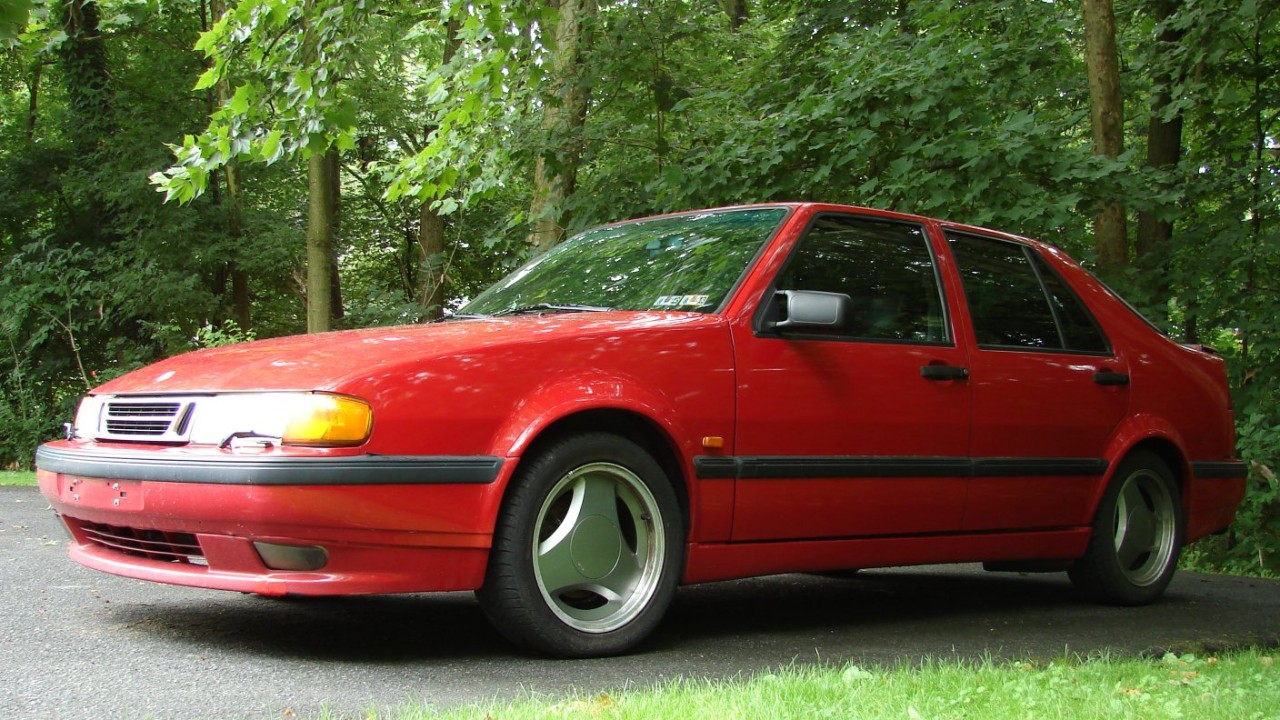
The Saab 9000 Aero arrived in 1993 with a 2.3-liter turbo four running 1.08 bar of boost. With the five-speed manual it made 225 hp, versus 200 hp in the regular turbo. Hagerty’s owner story also lists a Recaro interior, a lowered sport suspension and 16-inch Aero-only wheels.
The real magic was mid-range punch. The torque curve peaked below 2,000 rpm, so the Aero surged in any gear. In fact, magazine tests reportedly found it could out-pull a Lamborghini Diablo from 50 to 70 mph in top gear. Meanwhile, 0-60 mph took a hair over six seconds in a five-door hatchback.
We would call it the thinking driver’s luxury car. It is roomy, loaded with climate control and a moonroof, and devastating on a highway on-ramp. Saab’s story started long before this, as our piece on how the 1969 Saab 99 shaped the brand explains. Early Aeros also came in an exclusive Eucalyptus Green, a color worth hunting for.
7. 1995 Mercedes-Benz E 500 Limited
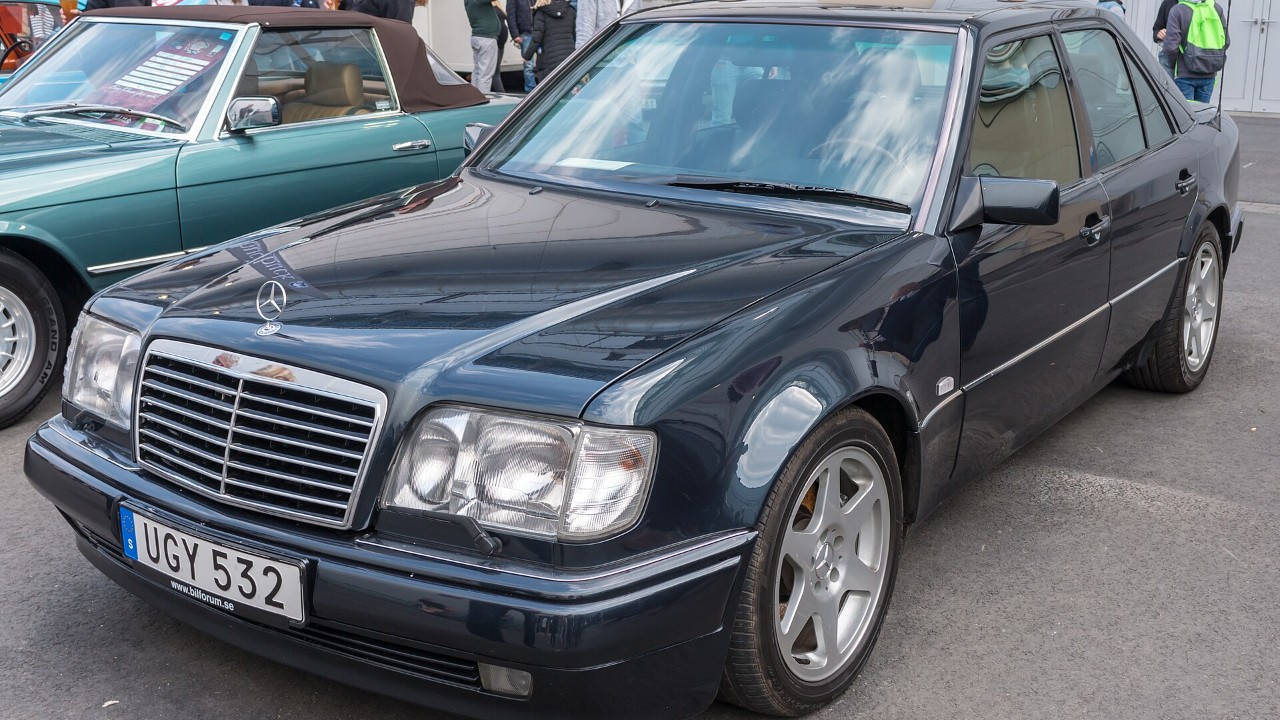
Mercedes did not build the 500 E alone. Instead, it hired Porsche in 1988, and Porsche handled about 90% of the development work. According to Porsche’s own history of the project, it built bodies in Zuffenhausen and finished the cars in its Rössle Bau. Each car took 18 days to complete, and production reached 10,479 by April 1995.
The E 500 Limited came right at the end. Mercedes made only 500 of them, in Sapphire Black or Brilliant Silver. Each got Recaro sport seats, black-stained bird’s-eye maple and 17-inch wheels from the 190 E 2.5-16 Evolution II. The 5.0-liter V8 from the 500 SL made 315 hp in late cars, per Carscoops.
We think this is the finest version of the best-built sedan of its era. It looks like a taxi-rank W124 with flared fenders, and that restraint is the point. The very last one built sits in the Mercedes-Benz Museum with only 262 miles on it.
8. 1997 Infiniti J30
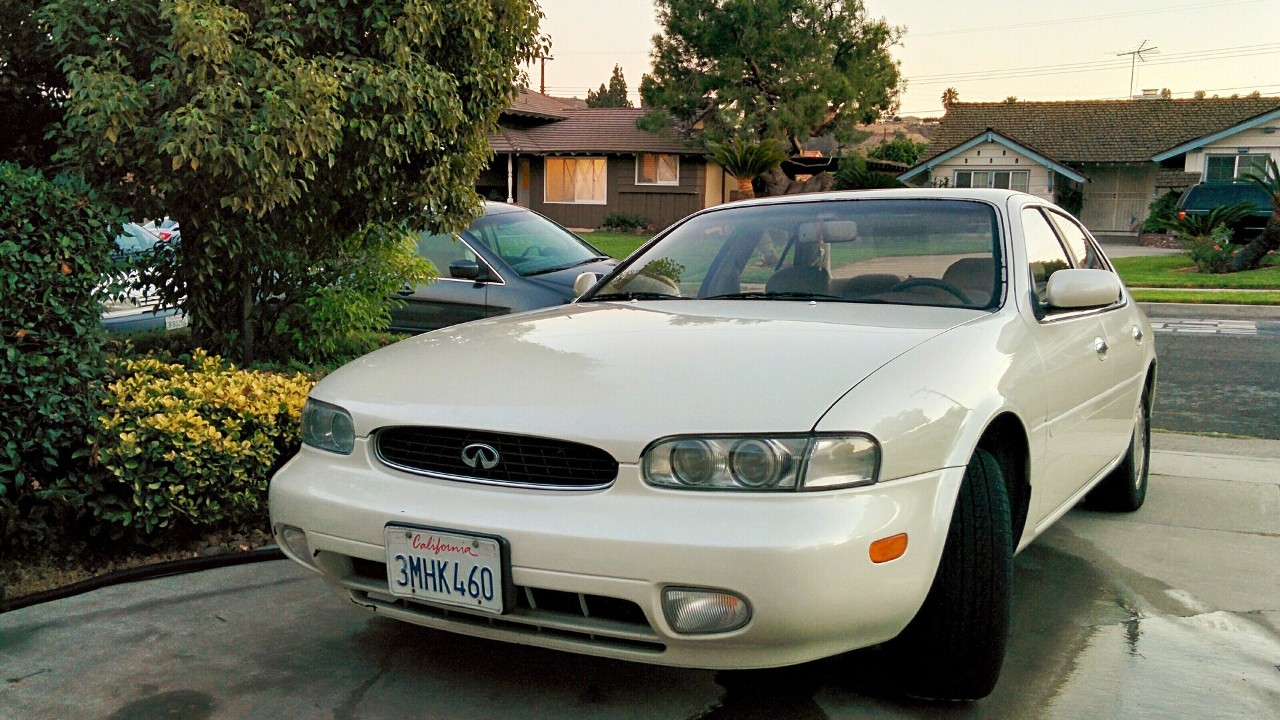
Infiniti launched the J30 as an early 1993 model and dropped it after 1997. It used one powertrain: a dual-cam 3.0-liter V6 with 210 hp and 193 lb-ft, paired with a four-speed automatic. That comes from Consumer Guide’s used-car review, which also notes that $4,000 price cuts failed to save it.
The J30 was never roomy. Consumer Guide rated its rear space 3 out of 10 and measured just 10.1 cubic feet of trunk space. Even so, the rear-drive chassis and the richly appointed cabin earned it fans. The optional Touring package, badged J30t, even added Super HICAS four-wheel steering and a firmer suspension.
In our view, the J30 is the forgotten driver’s choice from the first wave of Japanese luxury. It is small, curvy and rear-wheel drive, with a smooth V6. Prices remain low, with Consumer Guide listing good-condition cars at $1,400 to $3,300. Before you buy, check the throttle body, since varnish there can cause a rough idle on 1993–1997 cars.
9. 1998 Lincoln Mark VIII LSC
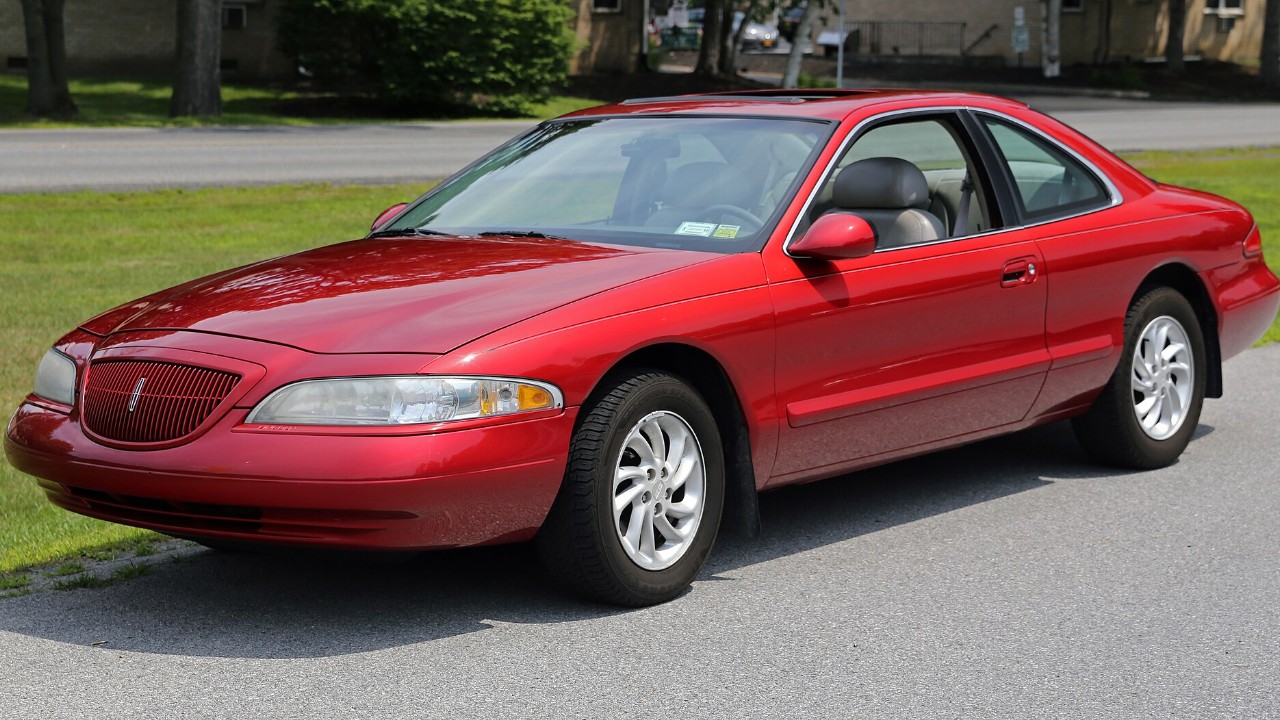
Lincoln built 14,357 Mark VIIIs for 1998, the final year before the Wixom plant ended the run. The LSC was the sporting version. Its 4.6-liter V8 made 290 hp and 290 lb-ft with a true dual exhaust, up from 280 hp on the regular car, according to Consumer Guide’s Mark VIII review.
The LSC also got a firmer suspension, perforated leather and a monochrome exterior. Meanwhile, every Mark VIII rode on computer-controlled air springs that lowered the car at speed for better aerodynamics. The 1997 update then added a “power dome” hood, a bigger grille and a full-width neon light bar across the tail.
Our take: the last LSC is the most complete Mark VIII. It pairs a twin-cam V8 with a long, sleek coupe body that looks nothing like the boxy Lincolns before it. Good examples are cheap, too. If you go shopping, ask about the transmission, because Consumer Guide notes shudder and slip complaints on earlier cars.
10. 1998–2000 Lexus GS 400
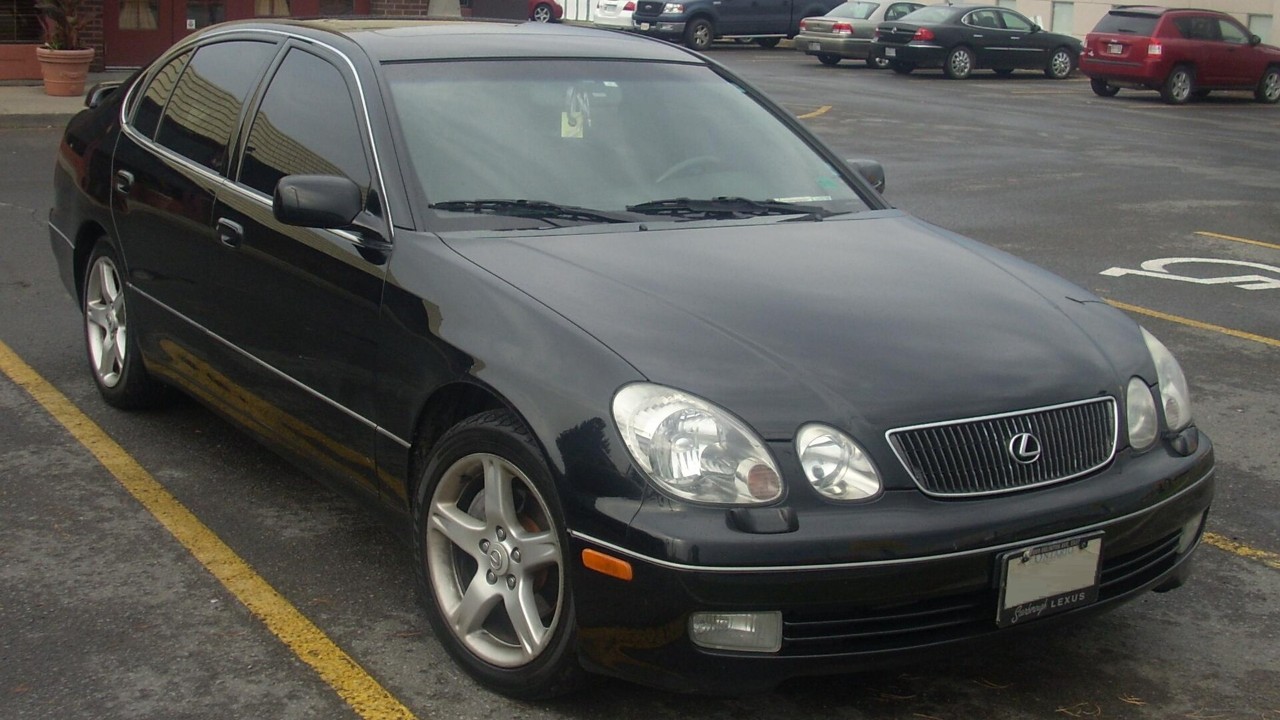
The Lexus GS 400 arrived for 1998 with a 4.0-liter, 32-valve V8 making 300 hp and 310 lb-ft. Even better, 80% of that torque came in at only 1,800 rpm. MotorWeek’s 1998 road test timed it to 60 mph in six seconds flat.
Lexus also gave it a five-speed automatic with E-shift buttons on the steering wheel, a novel touch for the time. The body sat on a platform six inches shorter than before, with short overhangs and wraparound triangular headlights. Its drag coefficient was just 0.29.
We think the GS 400 is the Lexus that proved Toyota’s luxury brand could build a genuinely fast car without losing its famous calm. It is the same philosophy that made the flagship sedan so trusted, as our story on the Lexus LS400’s reliability reputation shows. When new, the GS 400 listed at $45,295, while the six-cylinder GS 300 started at $37,295.
More from Fast Lane Only