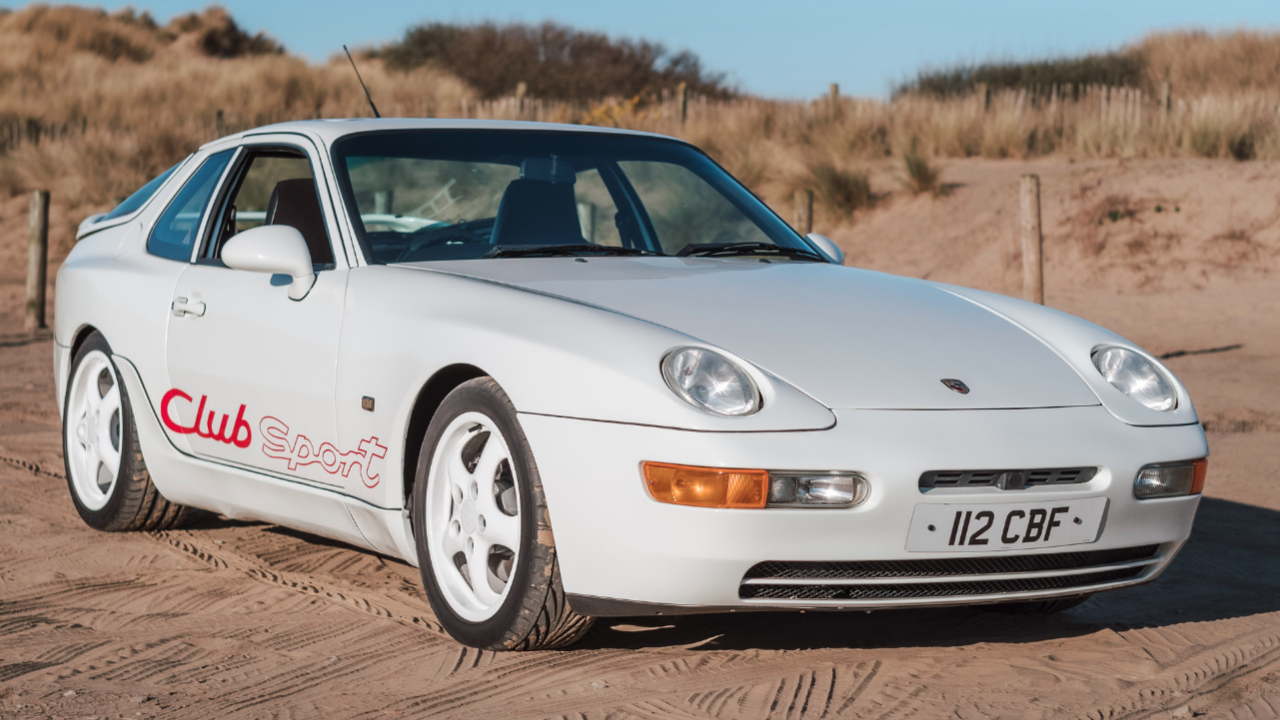
Not every great sports car gets the recognition it deserves. Some fly under the radar, overshadowed by more famous rivals, while others never got the hype they should have when they were new. But that doesn’t mean they aren’t worth your attention.
These are the cars that delivered serious performance, sharp handling, and a driving experience that still holds up today—but without the overblown price tags and collector craze. Whether it’s a forgotten Porsche, a misjudged Maserati, or a classic that never quite got its due, these ten sports cars prove that sometimes, the underdogs are the real winners.
Porsche 924
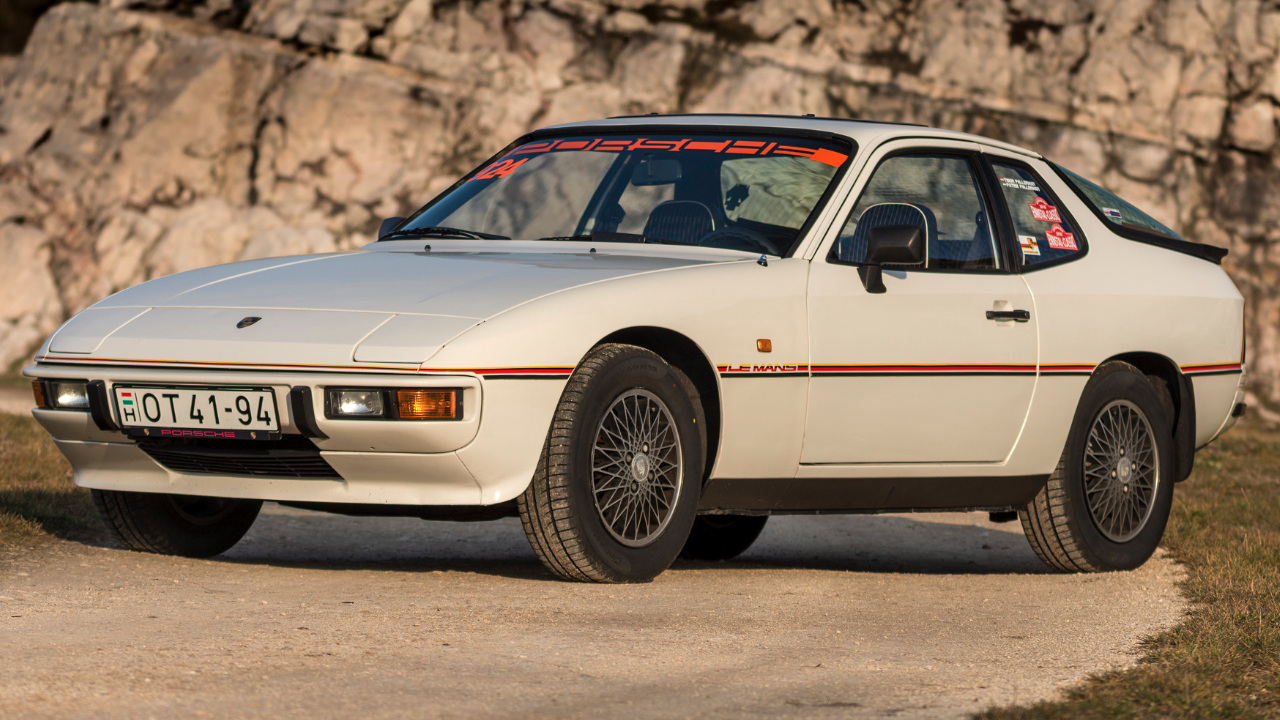
The Porsche 924 often gets lost in the shadow of the 944 and the legendary 911, but it’s a sports car that deserves more attention. Built from 1975 to 1985, the 924 was Porsche’s attempt at an entry-level model, and while it didn’t replace the 911 as intended, it still delivered an engaging driving experience.
Its four-cylinder engine may not have set the world on fire, but the rear-mounted transaxle gave the 924 near-perfect weight distribution. The result? Fantastic handling that made it a joy to drive, proving that Porsche knew how to build a balanced, accessible sports car.
Porsche 968
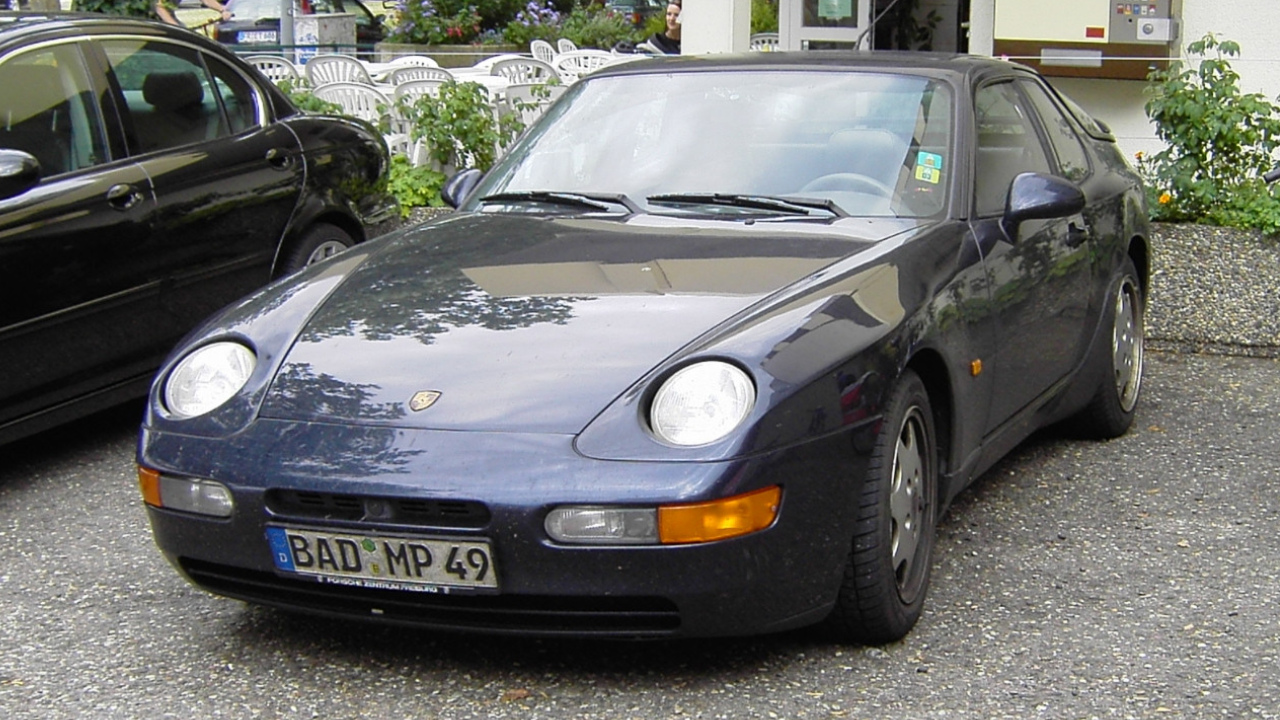
The Porsche 968 is one of the most overlooked sports cars of its era. Technically a heavily updated 944, the 968 was about 80% different from its predecessor and offered a refined experience that was just as capable as the 911 of the time.
Its 3.0-liter four-cylinder engine produced 240 horsepower and 225 lb-ft of torque, delivering solid performance. With years of development behind it, the 968 handled brilliantly, benefiting from Porsche’s constant refinement of the front-engine, rear-wheel-drive layout. It’s a forgotten gem that deserves more appreciation.
Alfa Romeo SZ
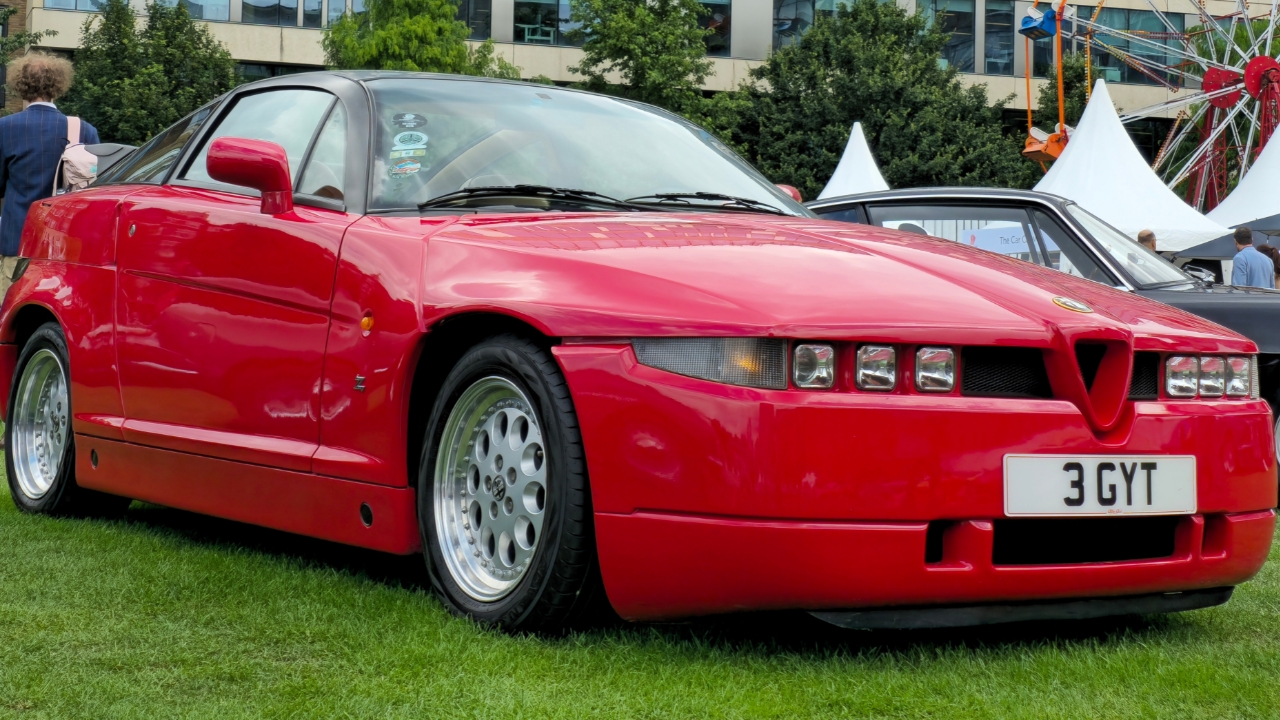
Even dedicated car fans tend to forget the Alfa Romeo SZ existed. Launched in the early 1990s, the SZ was rare and expensive, making it an elusive sight on the road. However, it packed some serious performance underneath its unconventional design.
Powered by a 3.0-liter Busso V6 producing 210 horsepower, the SZ could sprint from 0 to 60 mph in under seven seconds. It featured De Dion rear suspension for exceptional grip and an adjustable ride height to handle rough roads. It may not be well-remembered, but the SZ was a true driver’s car with plenty of character.
Nissan 300ZX Z32
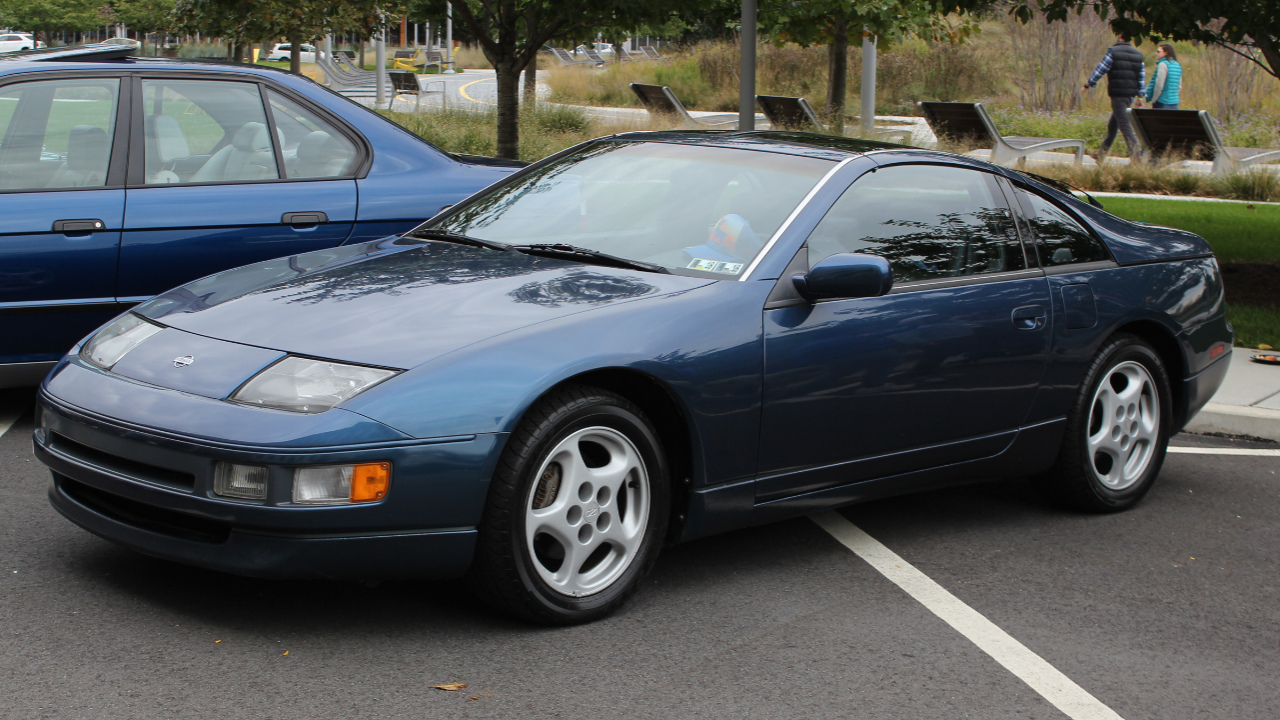
The Nissan 300ZX Z32 doesn’t always get the recognition it deserves, despite being one of the best performance cars of the 1990s. When the 300ZX first launched in the early 1980s, it struggled, but the 1989 refresh transformed it into a serious contender.
Offered with both naturally aspirated and twin-turbocharged 3.0-liter V6 engines, the Z32 was a powerhouse. Officially rated at 276 horsepower due to Japan’s gentleman’s agreement, real-world figures were closer to 300. Alongside the Toyota Supra, it helped define Japanese performance in the ’90s, yet it still flies under the radar.
TVR Tuscan
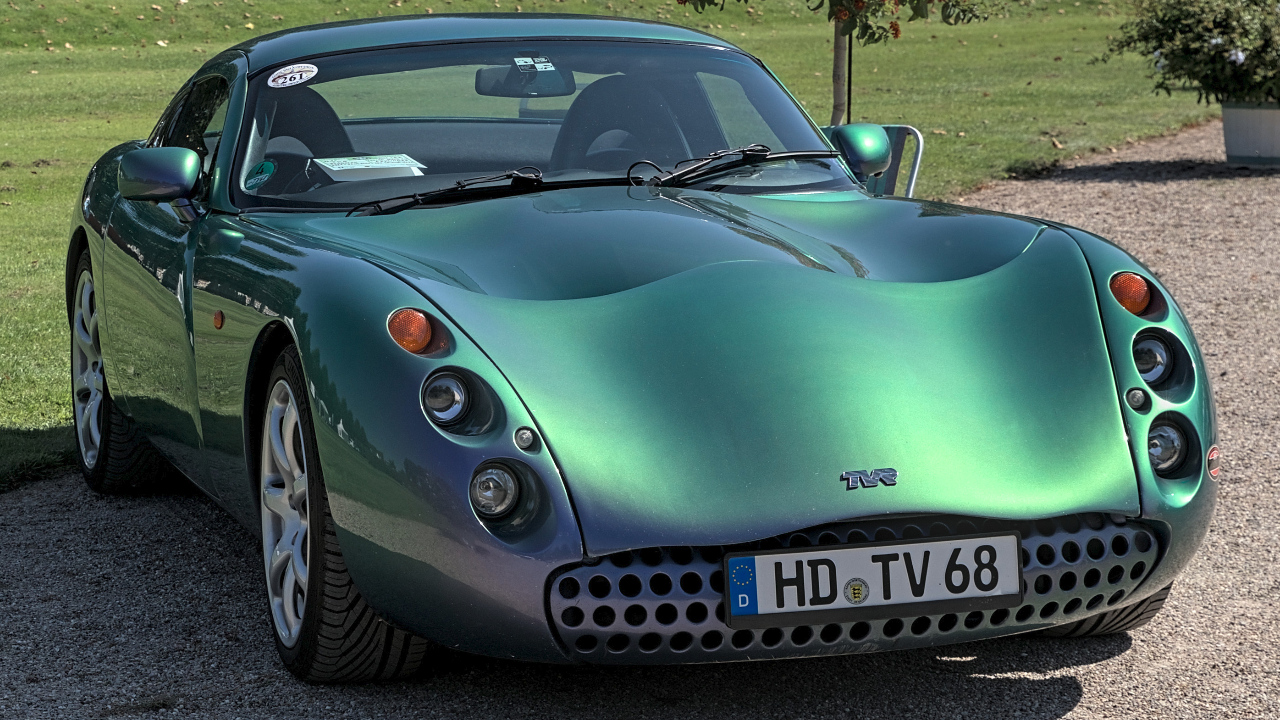
TVR has always been known for doing things differently, and the Tuscan was proof of that. Debuting in 1999, it featured a wild design, a lightweight chassis, and an in-house 4.0-liter Speed Six engine cranking out over 400 horsepower.
The Tuscan was as raw as sports cars get. With no ABS, no traction control, and no airbags, it put all the control in your hands. It wasn’t perfect—early models had reliability issues—but its aggressive styling, thrilling power delivery, and fighter-jet cockpit made it one of the most exciting cars to come out of the UK.
Chevrolet C4 Corvette
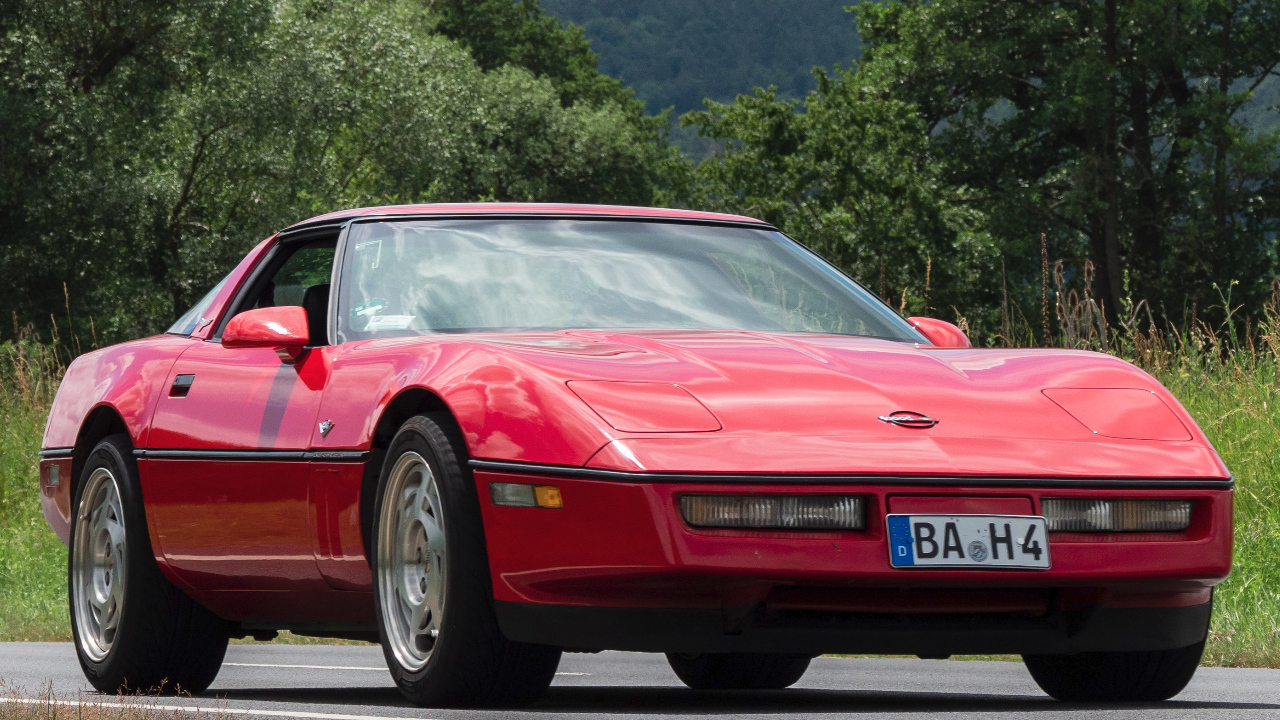
The Chevrolet C4 Corvette often gets overlooked, thanks to the more celebrated later generations. But when it arrived, it was the car that dragged the Corvette into the modern era, proving that America could still build a proper sports car.
The C4 ZR1 was the real highlight, packing a Lotus-engineered V8 that cranked out up to 405 horsepower. It was lighter, sharper, and faster than the aging C3, and while newer Corvettes have stolen the spotlight, the C4 remains an important piece of Corvette history that deserves more respect.
Honda S2000
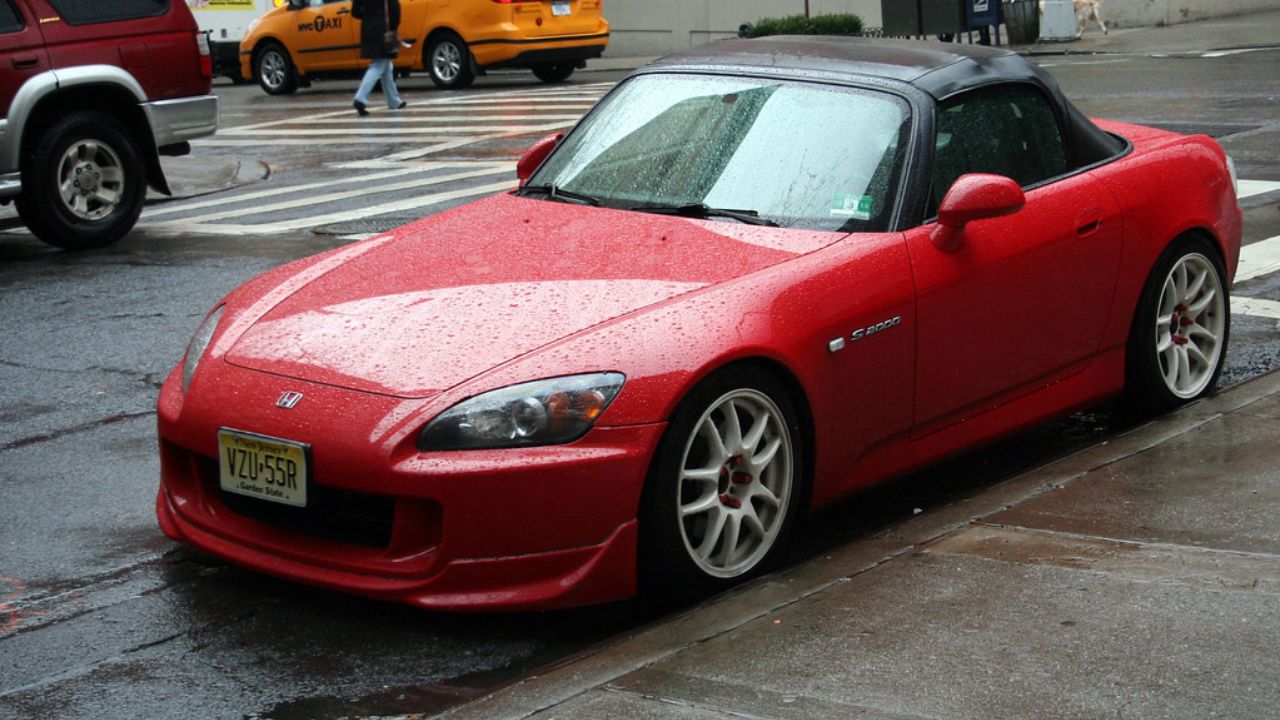
The Honda S2000 has always been a driver’s car, but it still doesn’t get all the credit it deserves. Introduced in 1999, it featured a six-speed manual transmission that was one of the best ever put in a sports car.
Its high-revving 2.0-liter F20C engine produced up to 247 horsepower, later upgraded to a 2.2-liter F22C1 in the AP2 model. With razor-sharp handling and a balanced chassis, the S2000 is a lightweight performance machine that rewards skill behind the wheel.
Maserati Shamal
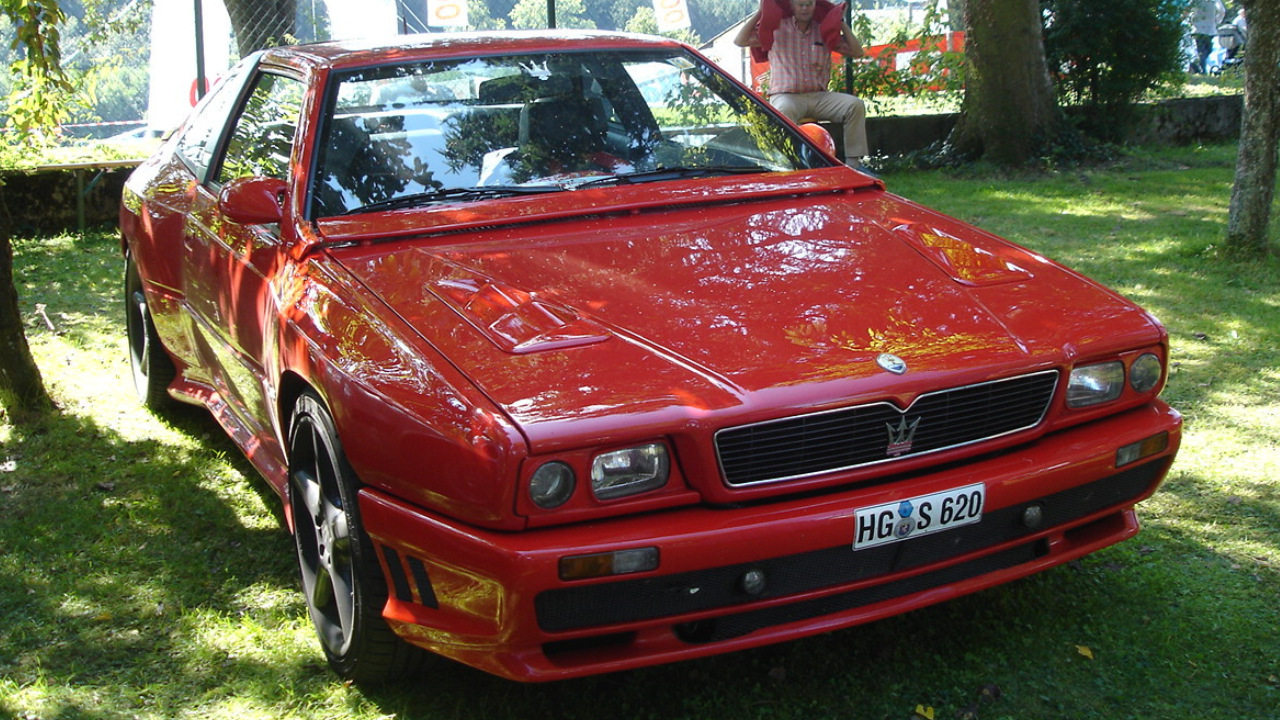
The Maserati Shamal is a car that proved Maserati could still build a serious sports car, even after the Biturbo disaster. While it shared some architecture with its infamous predecessor, the Shamal was a completely different beast.
It packed a twin-turbocharged 3.2-liter V8 pushing out 320 horsepower and 320 lb-ft of torque. Backed by Fiat’s investment, Maserati gave the Shamal proper engineering attention, turning it into the sports car the Biturbo should have been. It may not be well known, but it’s a true underdog in Maserati’s lineup.
Alfa Romeo Montreal
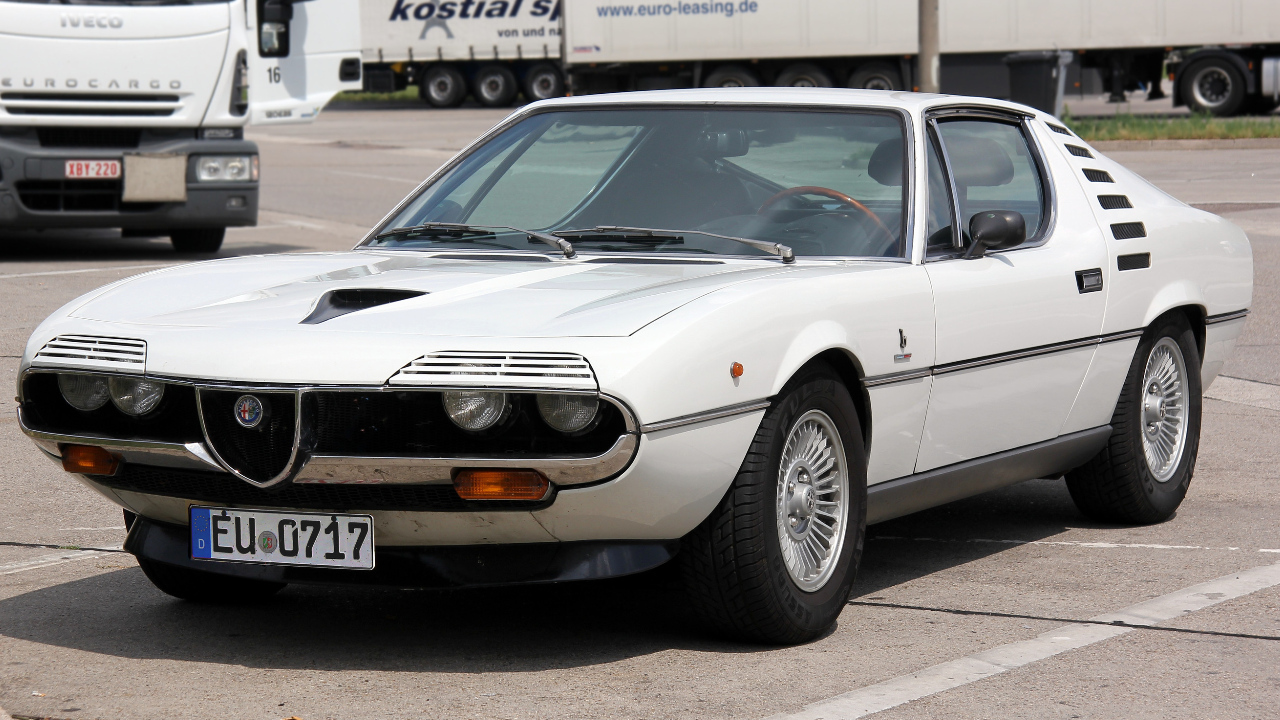
The Alfa Romeo Montreal is one of those cars that deserved more recognition. Borrowing its chassis from the Giulia GT and its V8 from the 33 Stradale, the Montreal had serious performance credentials.
Its 2.6-liter V8 delivered 200 horsepower, making it one of Alfa’s more exciting offerings. With stunning Bertone styling and a dry-sump setup that screamed motorsport influence, the Montreal was a proper driver’s car that never got the attention it deserved.
BMW Z1
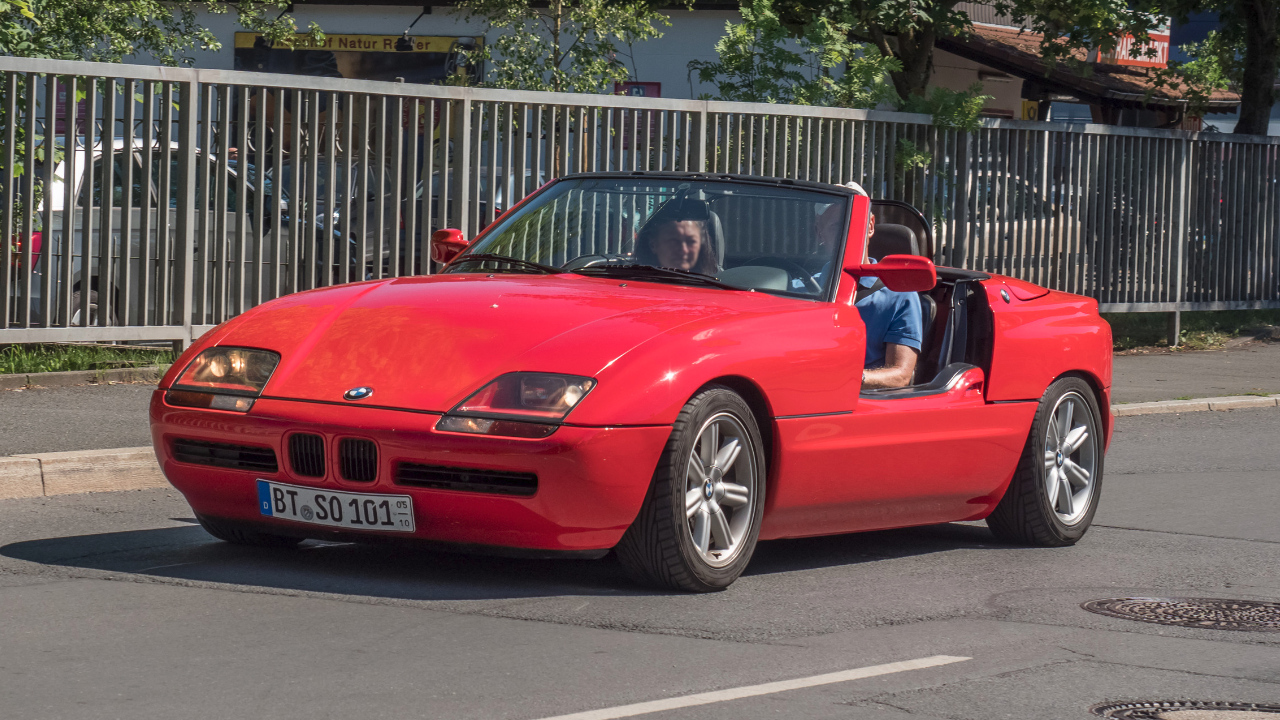
The BMW Z1 is often forgotten thanks to its successors, but this little roadster was way ahead of its time. Built in limited numbers from 1989 to 1991, the Z1 featured a 2.5-liter inline-six producing 170 horsepower.
Its multi-link rear suspension and low drag profile made it a joy to drive, but its most unique feature was its disappearing doors, which retracted into the bodywork. While its performance wasn’t groundbreaking, the Z1 was a bold experiment that set the stage for the later Z3 and Z4.
Like what you read? Here’s more by us:
*Created with AI assistance and editor review.