NASCAR is entering a strange moment when the past suddenly feels as urgent as the future. As new technology, shifting leadership and changing viewing habits reshape the sport, a vocal slice of the fan base is rallying around one familiar name: Busch. Their calls for a return to something more “old school” are colliding with the reality of a series that has already moved on, yet cannot quite outrun its own history.
That tension is playing out on two fronts at once. Kurt Busch is being celebrated, cleared to race again and elevated into the NASCAR Hall of Fame, while Kyle Busch weighs his next move and publicly questions whether the sport has lost touch with the culture that once filled grandstands. Together, their stories have turned the Busch name into shorthand for a broader argument about what NASCAR should be.
The Busch name at the center of a fan identity crisis
When fans chant for “Busch” today, they are not just asking to see a familiar car back on track, they are pushing back against a version of NASCAR they barely recognize. The sport that once revolved around rough‑edged stars and mechanical ingenuity is now defined by spec parts, corporate polish and a constant push toward digital engagement. In that environment, the Busch brothers represent a bridge to an era when drivers were allowed to be prickly, outspoken and unmistakably individual, and that is exactly what many long‑time fans feel is missing.
Kyle Busch has been explicit about that disconnect. In comments highlighted by Adam Stern, he argued that NASCAR did not successfully carry over the supporters who once followed icons like Dale Earnhardt and Jeff Gordon, saying he does not feel the series “was able to transition a lot of the fans that were fans of those drivers” into the current era. In a separate appearance, Kyle Bush described what he sees as a “culture problem,” pointing to how NASCAR’s glory years in the 1980s and 1990s regularly drew 6 to 7 million viewers and warning that the sport has drifted away from the raw appeal that powered those numbers. For fans who share that view, backing a Busch is a way of voting against a future they never asked for.
Kurt Busch’s ‘old-school’ rallying cry
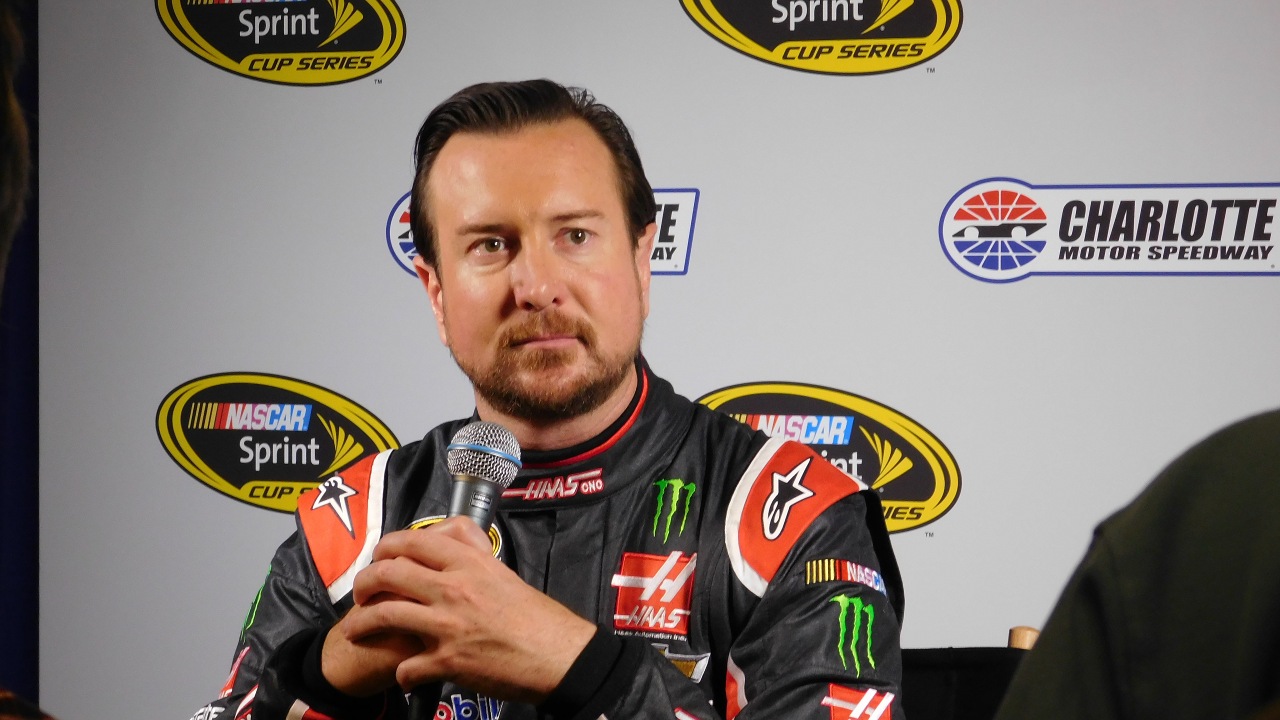
Kurt Busch has become an unlikely standard‑bearer for those nostalgic instincts. After injuries forced him to step away from full‑time competition, he was widely expected to transition quietly into retirement. Instead, he has leaned into a public role as an advocate for what he calls an “old school” NASCAR, aligning himself with core fans who are skeptical of the sport’s rapid embrace of new technology and data‑driven decision making. His message is simple: the heart of stock car racing lives in the stands, not in screens, and the series risks losing that if it forgets where it came from.
That stance has landed at the exact moment his own story has taken a dramatic turn. Busch previously took a hiatus from racing after a major crash in qualifying at Pocono during the 2022 NASCAR Cup Seri season, a concussion that effectively ended his full‑time career. Earlier this year, he was medically cleared to race again, a development that set social media buzzing as fans celebrated that “Kurt Busch cleared to race” and framed it as proof that “Nascar returning to old style” might be more than a slogan. His advocacy for an “Old, School, NASCAR, Return” has given frustrated supporters a concrete figure to rally around, and it has put pressure on the sport’s leadership to show it is listening.
Hall of Fame honors and the weight of legacy
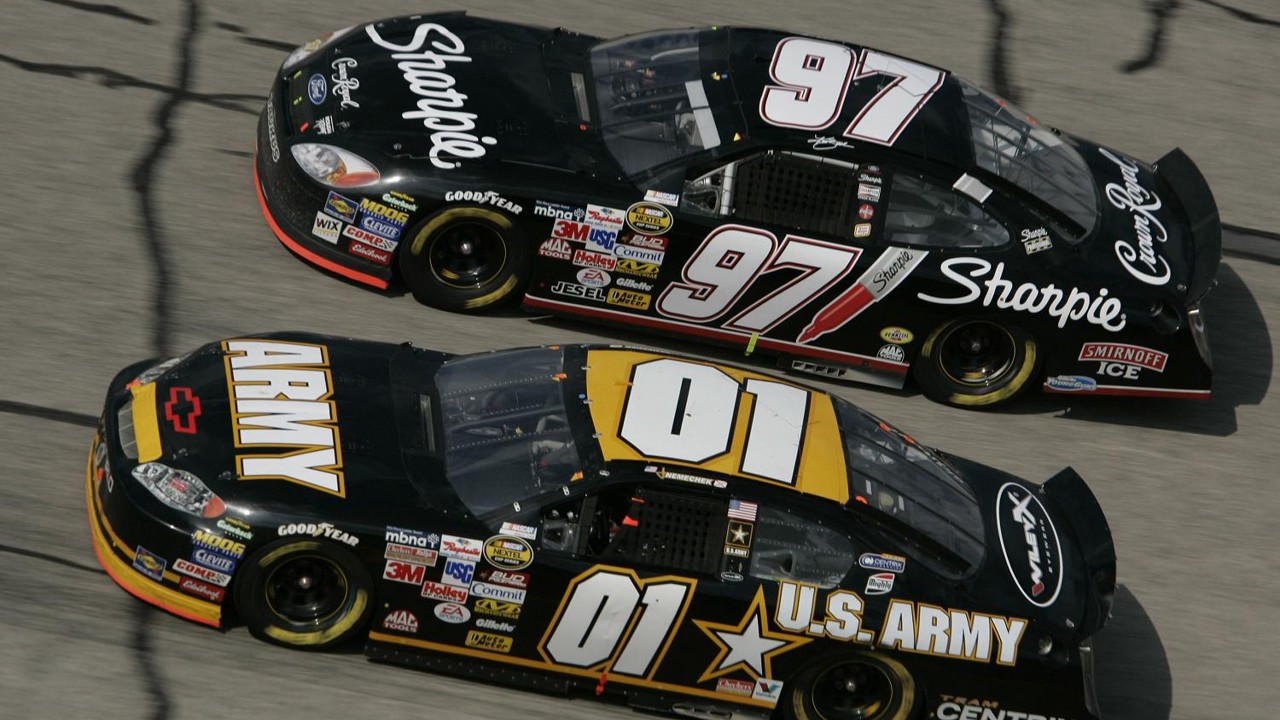
The timing of Kurt Busch’s resurgence is not just about medical clearances and fan petitions, it is also about how NASCAR itself is choosing to remember him. He headlines the NASCAR Hall of Fame Class of 2026, an honor that formally recognizes his long, winding career as an “Outlaw Journeyman” who won at the highest level while bouncing between teams and eras. By placing Kurt Busch in the Hall of Fame, the series is effectively canonizing a driver whose persona was built on pushing back against authority and racing with an edge that sometimes made officials uncomfortable.
That institutional embrace of a once‑rebellious figure sends a complicated message. On one hand, it validates fans who argue that the sport’s golden years were driven by personalities like Kurt Busch, not by uniform cars and tightly scripted broadcasts. On the other, it risks turning that rough‑cut identity into a museum piece, something to be celebrated on Tuesday induction ceremonies while the modern product moves in a very different direction. When NASCAR highlights Kurt Busch as a Hall of Fame headliner at the same time that it faces criticism over leadership decisions and competitive balance, it underscores how much of the current debate is really about legacy and who gets to define it.
Kyle Busch’s uncertain future and the business of change
While Kurt Busch’s story is about legacy and return, Kyle Busch’s situation is a live test of how much room modern NASCAR still has for a polarizing star. He is set to enter a contract year with Richard Childress Racing in the 2026 NASCAR Cup Series season, and at the conclusion of that campaign he will technically be a free agent. Analysts are already sketching out three possible landing spots, plus a longshot, for where Kyle Busch might end up in 2027, treating his next move as one of the defining business questions of the upcoming cycle.
The stakes go beyond one driver’s paycheck. Kyle Bush has publicly tied his own frustrations to broader concerns about the sport’s direction, arguing that the culture around NASCAR has shifted in ways that drive fans away rather than pulling them in. His critique lands differently because it comes from someone still in the middle of the garage, not from a retired legend looking back. When he points to the 6 to 7 million viewers that races averaged in the 1980s and 1990s and contrasts that with today’s fragmented audience, he is effectively asking whether the current model is working. If a driver with his résumé and name recognition finds limited options or diminished leverage in 2027, it will be hard for fans not to see that as confirmation that the sport has changed in ways that leave even its biggest personalities exposed.
Leadership, technology and the fight over what comes next
Hovering over all of this is a leadership transition that has sharpened the debate about where NASCAR is headed. The end of Steve Phelps’ time in charge has prompted a wave of assessments about what worked and what did not, with critics arguing that the push toward a more controlled, entertainment‑driven product came at the cost of authenticity. In that context, the celebration of the NASCAR Hall of Fame Class of 2026, with Kurt Busch front and center, feels less like a routine ceremony and more like a referendum on the kind of racing and personalities the series wants to elevate.
Technology sits at the heart of the argument. Kurt Busch’s call for an “Old, School, NASCAR, Return” explicitly backs core fans who are wary of the sport’s increasing reliance on data, standardized parts and digital engagement strategies that prioritize screens over grandstands. At the same time, NASCAR’s leadership has treated those tools as essential to competing in a crowded sports marketplace and reaching younger viewers who may never attend a race in person. The result is a collision between nostalgia and change that plays out every weekend: on one side, fans chanting for Busch and sharing clips that celebrate his clearance to race as proof that the old ways are not dead; on the other, executives and teams betting that the only path to long‑term survival runs through innovation, even if it means leaving some of that past behind.
More from Fast Lane Only: