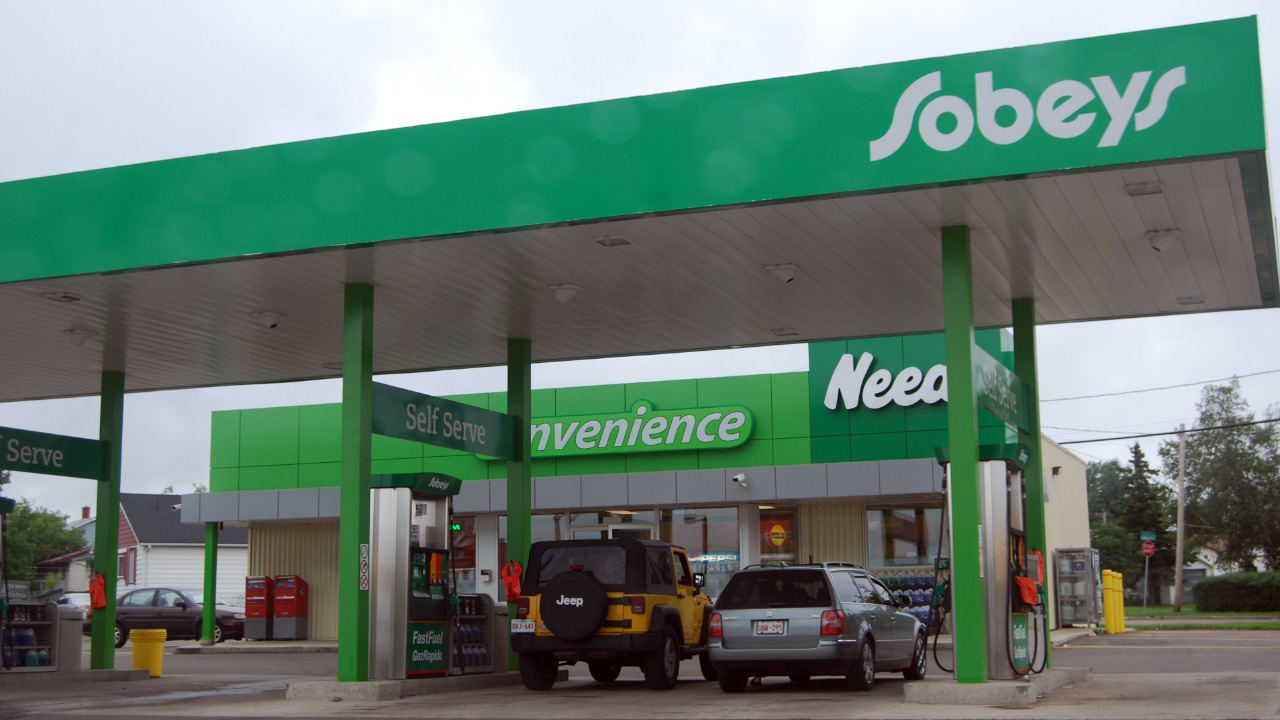
California’s long‑planned overhaul of underground fuel tanks has finally hit the streets, and the impact is exactly what drivers feared: steep fines, shuttered stations, and pumps wrapped in plastic. A law that was supposed to quietly modernize aging infrastructure has instead turned into a daily stress test for commuters and small business owners. The promise of cleaner groundwater is now colliding with the reality of $5,000 tickets and neighborhoods suddenly stripped of their usual fill‑up spots.
From my vantage point, the story is not just about a technical upgrade to buried tanks, it is about how a state tried to fix a real environmental risk and ended up jolting the everyday ritual of buying gas. The new rules were years in the making, yet the grace period has expired and the scramble to comply is playing out in real time at the corner station.
The law that took a decade to arrive
The current turmoil traces back to a California law signed in 2014 that required gas stations to upgrade underground storage systems to tougher, double‑walled standards. Regulators framed it as a basic safeguard for groundwater, since older single‑wall tanks are more vulnerable to leaks that can seep into soil and drinking supplies. The law did not land overnight, though, and lawmakers built in a long runway so station owners could plan for expensive excavation and construction work instead of facing an immediate shutdown.
That long runway effectively ended when the state set a final compliance deadline and attached daily penalties for anyone still running outdated equipment. One report describes how Goodbye to older systems now comes with fines of up to $5,000 per day, a figure that instantly turned procrastination into an existential threat for small operators. The same reporting notes that California’s enforcement push is expected to sweep away hundreds of non‑compliant stations, a scale that helps explain why drivers are suddenly finding empty forecourts where pumps used to hum.
How $5,000 tickets became part of filling up
The enforcement teeth in the new rules are what transformed a technical regulation into a daily headache. Once the grace period ended, inspectors gained the power to hit station owners with penalties that quickly stack up, and the headline number is stark: a single violation can trigger a $5,000 hit. For a family‑run station that lives on thin fuel margins and snack sales, that kind of daily exposure is not a nudge, it is a flashing red light to shut the pumps off until the work is done.
Another account of the rollout underscores that the state had already extended a lifeline by giving gas stations until December 31, 2025 to meet the new requirements before the fines kicked in. That grace period, described in coverage of the new California law, was meant to soften the blow, but it also lulled some owners into waiting until the last possible season to schedule construction. Now that the calendar has flipped, the same law that once felt distant is arriving in the form of certified letters, inspection visits, and the very real prospect of $5,000 tickets piling up day after day.
Empty pumps, fuel shortages, and neighborhood chaos
The most visible sign of the crackdown is not a notice on a government website, it is the “no fuel” bags hanging from pump handles. As non‑compliant stations go offline to avoid penalties, drivers are encountering the ripple effects in the form of longer lines at the remaining open sites and pockets of outright fuel shortages. Reporting on the rollout describes how the New Gas Station Law Causes Fines, Fuel Shortages, Chaos, and that phrase captures what it feels like when your usual stop is suddenly dark and the next closest option is already jammed with cars.
From my own perspective, the chaos is not just about running low on gas, it is about how fragile the local network of stations turns out to be. When several small operators in a corridor shut down at once to dodge $5,000 fines, the remaining outlets are forced to absorb all that demand, which can mean temporary outages as deliveries struggle to keep up. One detailed account of the enforcement wave notes that the disruption is directly related to upgrading storage tanks, a process that can keep a station offline for weeks while crews dig up concrete and swap out hardware tied to the Fuel Shortages drivers are now feeling.
Small businesses squeezed between upgrades and survival
Behind every shuttered forecourt is an owner doing math that rarely works in their favor. Upgrading to double‑walled tanks is a six‑figure project for many sites, and that is before you factor in lost revenue while the station is closed. When the alternative is a $5,000 per day penalty, the choice is brutal: either take on debt and hope customers come back after the construction dust settles, or walk away from a business that might have been in the same family for decades.
One analysis of the law’s impact spells out that California’s enforcement regime is effectively telling smaller operators “upgrade or disappear,” since the $5,000 per day fines are calibrated to be impossible to ignore. The same reporting, framed around the idea of California saying Goodbye to hundreds of gas stations, makes clear that the casualties will not be the big freeway chains with corporate financing. It will be the corner stations that sponsor local Little League teams and rely on regulars who buy coffee along with their fuel.
Environmental payoff versus everyday pain
For regulators, the upheaval is the price of finally closing a long‑recognized gap in environmental protection. State water officials have argued that once the retrofit cycle is complete, California’s underground gas supply will be doubly secured, with outer shells designed to catch leaks before they contaminate aquifers. One detailed report quotes leaders at the state water board expressing confidence that, in due time, the new standards will leave them far less worried about the kind of slow, invisible spills that can cost taxpayers millions to clean up, a point underscored in coverage of California’s retrofit deadline.
From where I sit, that long‑term payoff is real, but so is the short‑term pain. The law’s architects, including figures referenced as Jan, But, and While the in one account of the legislative process, tried to balance environmental urgency with economic reality by phasing in the rules and delaying full enforcement until the end of 2025. Yet the experience on the ground suggests that even a long runway is not enough when upgrades are this costly and the penalty for missing the deadline is a $5,000 hammer. The challenge now is whether state leaders can smooth the transition with targeted aid or flexibility, or whether drivers and small businesses will simply have to ride out the chaos until every last tank is dug up and replaced.
More from Fast Lane Only