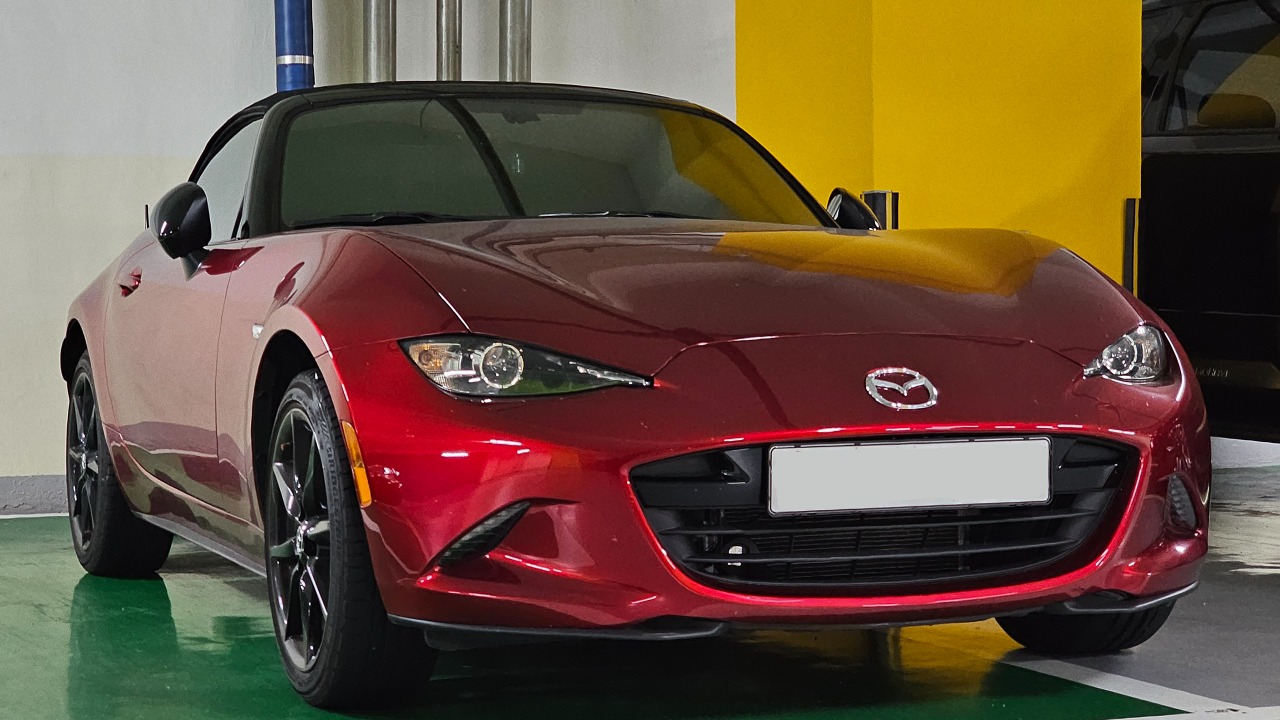
The next Mazda MX-5 Miata is being developed in the space between tightening emissions rules and an enthusiast base that prizes a light chassis and a manual shifter above all else. Early indications suggest Mazda is preparing some form of hybrid assistance while working to keep the car’s trademark balance and analog feel intact. The result is likely to be a sports car that nods to electrification without surrendering the qualities that made the Miata an icon.
Instead of chasing outright power or full battery propulsion, Mazda appears focused on subtle electrified support that can coexist with a traditional gearbox and a rev-hungry combustion engine. That approach positions the next Miata as a test case for how small sports cars can survive stricter regulations while still feeling mechanical, playful, and approachable on the road.
The Miata formula under pressure
From its first generation, the Miata has been defined by low weight, modest power, and a manual transmission that invites the driver to participate in every shift. Recent reporting on the upcoming model describes Mazda Miata MX engineers returning to that core brief, with the next car expected to keep a compact footprint and a traditional three-pedal layout that favors engagement over straight-line speed. One detailed preview frames the project as the Next-Generation Mazda Miata MX, emphasizing that minimal weight and simple controls remain core priorities for the model.
That purist formula now faces regulatory and market headwinds. Emissions standards are tightening, and rival brands are moving toward heavier platforms with large battery packs or complex plug-in systems. Mazda has publicly discussed broader sustainability goals, which puts pressure on the Miata program to contribute to lower fleet emissions without abandoning its character. In that context, the company’s emphasis on keeping the car light and focused looks less like nostalgia and more like a deliberate engineering stance that will shape how any electrification is integrated. The tension between these priorities sets the stage for the hybrid and fuel strategies Mazda is now exploring.
Hybrid assistance without losing the stick
Hints from internal planning suggest that Mazda is considering mild electrification as a way to square regulatory demands with enthusiast expectations. One analysis of the upcoming model raises the possibility of mild electrification, noting that Mazda aims for a small hybrid system to improve efficiency and enhance throttle response without diminishing driver feel. In that scenario, a compact electric motor and battery would assist the gasoline engine during launch and low-speed driving, while tuning would prioritize linear response and predictable feedback through the accelerator.
Crucially for fans, these reports indicate that the manual gearbox remains central to the program. Coverage of the Next-Generation 2027 Mazda Miata MX portrays Mazda as committed to a traditional manual transmission, preserving the car’s lightweight, driver-focused character even as other segments shift to automatics with larger hybrid systems. By keeping the hybrid hardware modest in size and power, Mazda can package it in a way that preserves a rear-drive layout, a low seating position, and the sort of shift feel that rewards every perfectly timed heel toe downshift.
Engine choices, synthetic fuels, and the 2.5-liter question
Alongside hybrid assistance, Mazda is also weighing how far it can push internal combustion itself. European reports indicate that executives confirmed Mazda is developing the next-generation Miata with potential hybridization and synthetic fuels, viewing alternative fuels as a way to extend the viability of a small gasoline engine. A related report on the same program states that Mazda is working on a next-generation MX-5 Miata but that it will not arrive for at least a few years, reinforcing that the company has time to refine these powertrain decisions before launch.
At the same time, separate technical briefings point toward a larger engine under the hood. One detailed breakdown of the next-generation Mazda MX-5 Miata cites plans for a 2.5-liter SkyActiv Z engine, delivering stronger midrange torque while remaining light and compact through careful materials and packaging. Other enthusiast-focused previews emphasize that The Naturally Aspirated Engine Lives, portraying Mazda Miata MX engineers as determined to keep a free revving, naturally aspirated character rather than defaulting to turbocharging. Taken together, these signals point to a strategy built around a relatively large displacement four cylinder paired with light hybrid assistance and potentially compatible with synthetic fuels, a combination that aims to satisfy both emissions targets and driver appeal.
Weight targets and what hybrid means for the driving experience
Any electrification raises fears of extra mass, yet Mazda appears unusually aggressive about controlling weight. A technical summary of the project reports that Mazda targets a curb weight under 1,000 kg while retaining a manual transmission, keeping the new car comparable in weight to the current model despite added hybrid components. That target is consistent with a broader message from Apr Perhaps Mazda Miata communications that the brand is committed to making the next Miata even lighter than the current ND generation, resisting the industry trend toward heavier and more complex vehicles.
More from Fast Lane Only