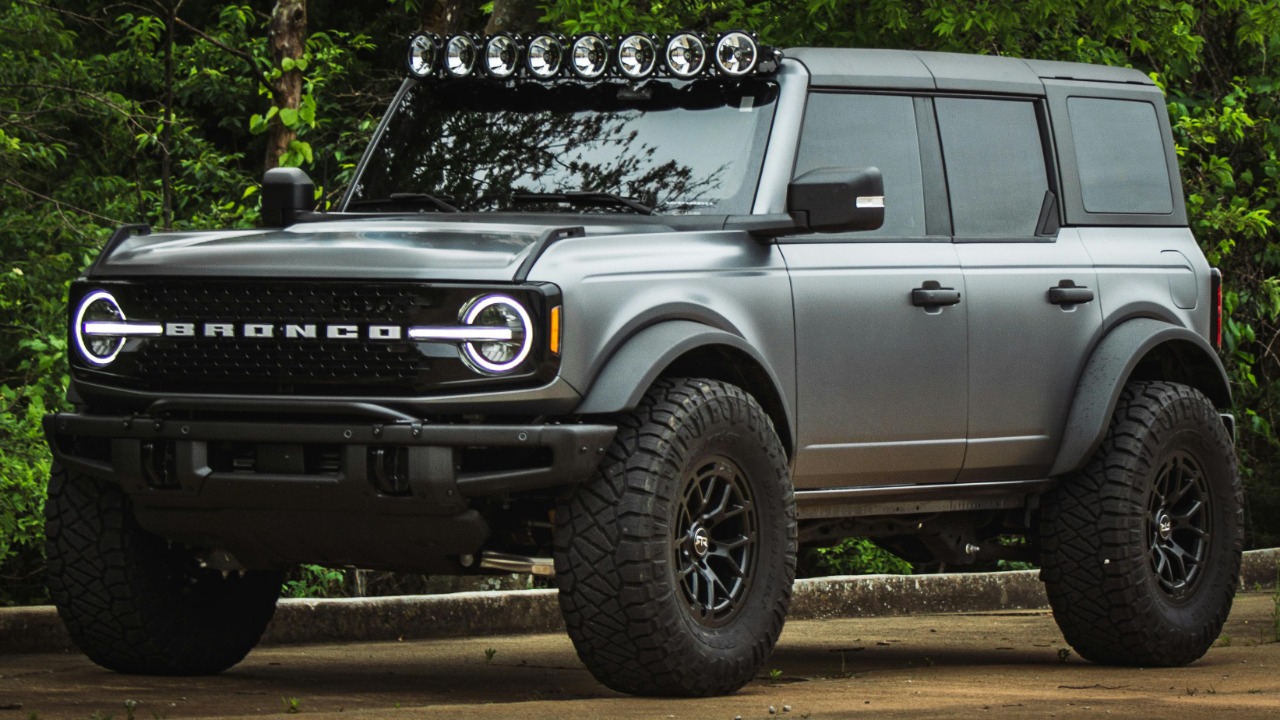
Ford is tapping the brakes on a traditional midcycle update for the Bronco, opting to stretch the current formula rather than rush a styling and technology overhaul. Strong demand for the sixth-generation SUV has convinced the company that incremental upgrades can keep the model fresh until a more visible change arrives later in the decade.
The move reshapes expectations for shoppers who had been waiting for a classic midcycle refresh and underscores how valuable the Bronco has become inside Ford’s portfolio. Instead of a quick cosmetic reboot, the automaker is betting that steady improvements and a carefully timed future update will keep the Bronco competitive against its fiercest rivals.
Bronco demand rewrites the midcycle playbook
The modern Bronco has become one of Ford’s most visible nameplates, generating the kind of interest usually reserved for long-running icons. A review of Ford Bronco search trends shows strong interest from shoppers and enthusiasts, explaining why the company feels little pressure to rush a styling update. When a vehicle is selling at a brisk pace, the risk of confusing buyers or undermining residual values with a sudden styling shift grows larger.
Inside Ford, that confidence has been expressed directly by engineers. Bronco engineer Seth Goslawski, in a recent interview, confirmed that the lineup will not follow the traditional pattern of a dramatic midcycle makeover. The company is effectively rewriting its own playbook for the model, leaning on existing demand to justify a slower, more deliberate cadence of change rather than a single, headline-grabbing refresh.
Incremental changes instead of a full refresh
Rather than a clean break between early and later model years, Ford has been layering updates into the Bronco almost every year. Reporting notes that the sixth-generation SUV, introduced in 2021, has already received multiple meaningful updates, with changes applied in nearly every model year. This pattern allows the company to respond to customer feedback and competitive pressure without committing to a single, expensive midcycle overhaul.
The incremental philosophy extends beyond small feature adjustments and into how Ford positions the Bronco in performance and off-road circles. Coverage of Ford’s racing and development work shows that engineers have tested new Bronco variants in competition since 2021, as part of a broader plan to evolve the SUV without a conventional refresh. By treating motorsport and special trims as rolling laboratories, Ford can introduce new hardware and tuning in stages, softening the absence of a single, midcycle turning point.
What Bronco buyers get now and next
For shoppers focused on the near term, the most tangible changes arrive through specific model-year updates rather than a sweeping redesign. Discussion among owners and fans of the 2025 Bronco highlights updates including a new instrument display, the option for a body-color hardtop, and a factory matte film option listed between $500 and $5,000. These kinds of features signal Ford’s willingness to enhance perceived quality and customization even while the core body and interior architecture remain familiar.
Separate reporting on the 2025 lineup has also focused on expanded off-road capability and branding. One preview describes how the 2025 Ford Bronco Goes Sasquatch and frames a Mid Cycle Refresh Inbound for the broader family, while also noting that The Ford Bronco Sport, affectionately referred to as the Baby Bronco, has already followed a more traditional update path, as outlined in the Ford Bronco Goes coverage. The contrast between the more conservative main Bronco and the refreshed Bronco Sport helps clarify Ford’s segmentation: the larger SUV leans on its existing identity and demand, while the smaller crossover adopts earlier styling and feature changes to keep pace in a crowded compact segment.
How long the current Bronco formula can last
The central question for many buyers is how long Ford can rely on incremental updates before a more obvious change becomes necessary. Reports indicate that a 2027 model-year update is planned, described by executives as a noticeable change, but still short of a full redesign. That timing effectively stretches the first generation of the revived Bronco across much of the decade, especially when combined with the decision to skip a classic midcycle refresh earlier in the run.
In the meantime, Ford appears content to let the Bronco’s current momentum carry it, supported by a steady stream of minor upgrades, special trims, and performance-focused variants. Social media clips comparing the Ford Bronco with the Bronco Sport highlight that the 2025 Bronco update is less comprehensive than the Bronco Sport refresh, reinforcing that the larger SUV is being managed as a long-term product. For shoppers who had been waiting on a dramatic midcycle reveal, the message is clear: the Bronco they see today is largely the Bronco they will get for several more years, and the decision to buy now or wait will hinge less on styling cycles and more on individual preferences for specific features and trims.
More from Fast Lane Only