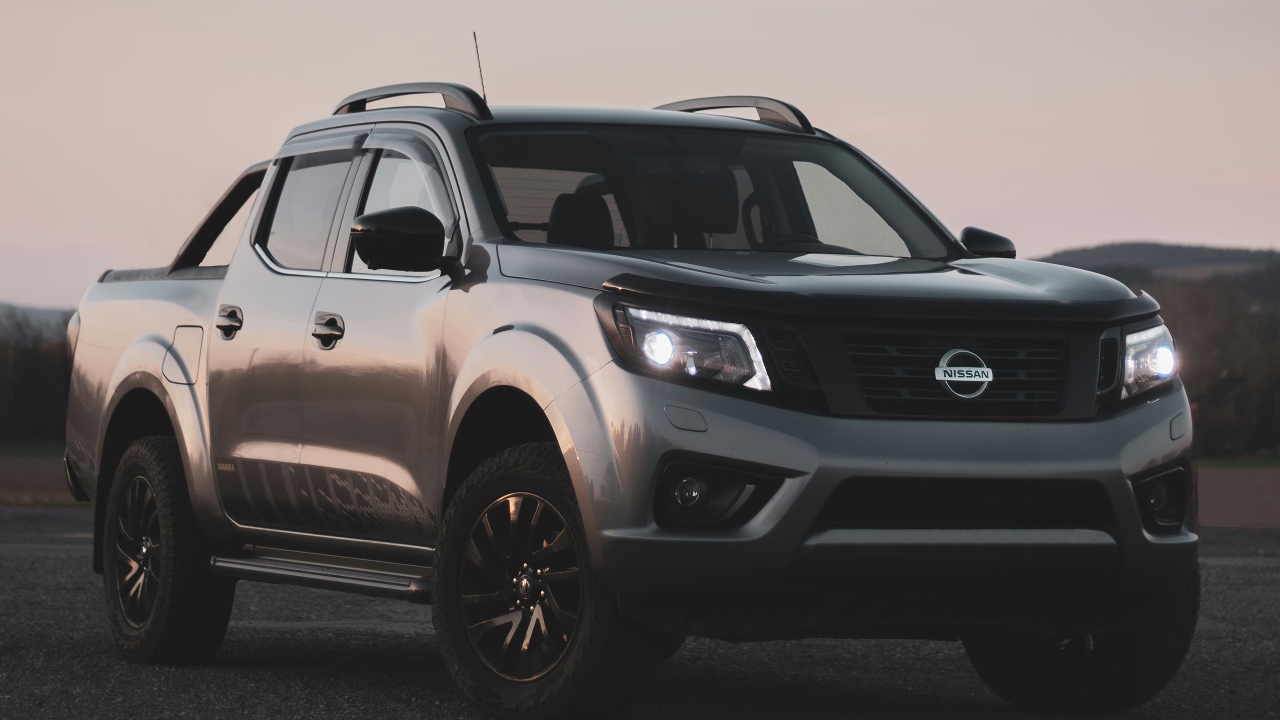
Nissan is handing control of its flagship South African factory to China’s Chery, closing a chapter in Japanese vehicle manufacturing in the country while opening the door to a new wave of Chinese-led expansion. The deal will see Nissan exit local production at its Rosslyn plant near Pretoria, even as it keeps selling cars and services in the market, while Chery prepares to turn the site into a regional hub for its fast‑growing brand. The shift captures a broader realignment in the global auto industry, as Chinese manufacturers use overseas plants to extend their reach and accelerate the rollout of new energy vehicles.
What Nissan is selling, and why it is stepping back
Nissan has agreed to sell its manufacturing assets in Rosslyn, South Africa, to Chery, drawing a line under decades of vehicle assembly in the country. The transaction covers the main factory in Rosslyn and a nearby stamping facility, with Chery South Africa set to acquire both sites as part of a single package. Nissan has confirmed that vehicle production at Rosslyn is scheduled to stop in May, subject to regulatory approvals, marking the end of its role as a local manufacturer even though it will continue to operate as a sales and service company in South Africa.
The decision is tied to a wider restructuring plan in which Nissan is exiting several plants around the world that no longer fit its profitability targets. The Rosslyn facility is described in Japanese reporting as the last of seven factories that Nissan had earmarked for closure or sale under this program, underscoring how strategic the move is for the company’s global footprint. By transferring the plant to Chery, Nissan reduces fixed manufacturing costs in South Africa while keeping a presence in the market through imports and planned new model launches, a balance it has highlighted as key to improving the profitability of its industrial base.
How Chery plans to use Rosslyn as a launchpad
For Chery, taking over Rosslyn is less a defensive move and more an aggressive bet on growth in Africa and beyond. Chery South Africa has already built a strong position in the local market with sport utility vehicles that have gained popularity among buyers, and the company now intends to use the Rosslyn plant as a production base to support further expansion. Reports describe the acquisition as part of Chery’s rapid climb in South Africa, with the factory expected to underpin both domestic sales and potential exports into the wider region once operations are fully transitioned.
The plant is also slated to play a role in Chery’s strategy for new energy vehicles, a category that includes battery electric and hybrid models. Nissan has stressed that the Rosslyn site is well suited for the production of new energy vehicles, and Chery is expected to leverage that capability as it localises more advanced models for African customers. Industry analysis notes that South Africa’s automotive landscape is changing as Chinese brands, including Chery, invest in local manufacturing to shorten supply chains and respond more quickly to demand, positioning Rosslyn as a cornerstone of that shift.
What happens to workers and suppliers
The fate of employees and suppliers around Rosslyn has been a central concern as Nissan steps back and Chery steps in. Nissan has indicated that a majority of the workers associated with the plant will transfer to Chery South Africa under similar terms, limiting immediate job losses and preserving much of the site’s industrial know‑how. The agreement between Nissan and Chery SA explicitly covers both the main factory in Rosslyn and the nearby stamping plant, which suggests that a significant portion of the existing supplier relationships and technical capabilities will remain in place under the new owner.
Even with those assurances, the transition represents a profound change for the local ecosystem that has grown up around Nissan’s presence. Component makers and logistics providers that have long served Nissan will now be tied to a Chinese automaker’s product plans and sourcing strategies, which may alter volumes, specifications, and investment priorities over time. Analysts of the South African auto sector have pointed out that such shifts can be disruptive in the short term but may also create new opportunities if Chery ramps up production and introduces a broader range of vehicles, including new energy models that require different parts and skills.
Implications for South Africa’s auto industry
Nissan’s exit from manufacturing in South Africa and Chery’s arrival as plant owner crystallise a broader trend in which Chinese automakers are gaining ground in markets once dominated by Japanese and European brands. South Africa has long been a production base for global companies, but the balance is tilting as Chinese firms use acquisitions and greenfield investments to secure capacity and market access. The Rosslyn deal is being interpreted by industry observers as a landmark moment that signals how Chinese manufacturers intend to anchor themselves in Africa not just as importers, but as local producers with deep industrial roots.
The shift also intersects with South Africa’s policy ambitions for its automotive sector, which include maintaining jobs, boosting exports, and preparing for a gradual transition to cleaner technologies. By selling the plant rather than shutting it down, Nissan has helped avoid an abrupt loss of capacity, while Chery’s commitment to expand production and introduce new energy vehicles aligns with the country’s desire to stay relevant in a decarbonising global market. At the same time, the change raises questions about how domestic suppliers and workers will adapt to Chinese management practices and product strategies, and whether other multinational automakers might follow Nissan’s lead in rebalancing their local manufacturing footprints.
What the deal reveals about global carmakers’ strategies
The Rosslyn transaction illustrates how global carmakers are reconfiguring their networks in response to cost pressures, shifting demand, and the rise of Chinese competitors. For Nissan, selling the South African plant to Chery is consistent with a strategy that concentrates manufacturing in fewer, more profitable locations while relying on imports to serve smaller or more volatile markets. The company has framed the sale as part of a broader effort to improve the profitability of its industrial base, and the fact that Rosslyn is the last of seven plants to be exited under its restructuring plan shows how far it has gone in pruning its footprint.
For Chery and other Chinese manufacturers, acquiring existing facilities abroad offers a faster route to global scale than building entirely new plants from scratch. The Rosslyn site gives Chery an established workforce, supplier network, and regulatory approvals in South Africa, which can shorten the timeline for launching locally built vehicles and expanding into neighbouring markets. As Chinese brands continue to grow their presence in regions like Africa, Latin America, and Eastern Europe, similar deals are likely to become more common, reshaping the geography of auto production and intensifying competition for legacy players that are still adjusting to the new balance of power in the industry.
More from Fast Lane Only