A viral dashcam clip from a New York City highway has turned a routine commute into a case study in how quickly an ordinary driver can be pulled into an alleged insurance scam. The footage, which appears to show a car cutting off an SUV before slamming into reverse, has now been folded into a broader criminal investigation into staged crashes on some of the region’s busiest roads. Prosecutors say the video is more than internet spectacle, describing it as a rare, clear window into a type of fraud that usually unfolds in a blur of screeching brakes and conflicting stories.
Investigators in Brooklyn and Queens are now treating the incident as part of a pattern in which drivers allegedly engineer collisions, then seek payouts by falsely blaming innocent motorists. The dashcam, mounted on the victim’s vehicle, captured the sequence in real time, undercutting the narrative that the SUV had rear-ended the other car and instead suggesting a deliberate maneuver designed to trigger a claim.
The viral Belt Parkway collision that changed the story
The turning point in the case came on the Belt Parkway in Queens, where a driver’s dash camera recorded a car swerving in front of an SUV, stopping short, then reversing hard into the front bumper. The clip, which spread rapidly on social media, shows the SUV boxed in with no room to escape before the impact, a sequence that contradicts the typical pattern of a rear-end crash caused by inattention. In the immediate aftermath, the driver who had reversed reportedly tried to frame the collision as the SUV’s fault, a claim that might have been plausible without video.
Instead, the footage gave investigators a frame-by-frame account of what happened, supporting allegations that the crash was staged as part of an insurance fraud scheme on the Belt Parkway in Queens. Local coverage described how the video, widely labeled an “insurance scam” clip, prompted closer scrutiny of similar incidents on the same stretch of highway and helped authorities identify a Brooklyn man who was later charged with insurance fraud in connection with a staged crash caught on dashcam on the Belt Parkway in Queens. The case illustrated how a single recording can flip the presumption of blame and turn an apparent victim into a suspect.
From one clip to a pattern of alleged staged crashes
Once prosecutors had the Belt Parkway video, they began to connect it to a broader pattern of alleged “cash for crash” activity on New York City highways. In Queens, Queens District Attorney Melinda Katz announced charges against two Brooklyn residents, Jaime Huiracocha and Victor Murillo, accusing them of staging multiple collisions on New York City roads as part of an insurance scheme. According to the charging documents, the pair allegedly orchestrated crashes by abruptly stopping or maneuvering in ways that left other drivers little chance to avoid impact, then sought payouts by claiming to be the injured parties.
Further reporting identified Jaime Huiracocha, 53, of Milford Street, and Victor Murillo, 34, of Bushwick Avenue, who were arraigned in Queens Crimin court on allegations that they arranged staged crashes involving several vehicles. Prosecutors linked their activity to incidents on the Belt Parkway and the Nassau Expressway, describing a pattern in which cars were deliberately positioned to create collisions that could later be presented to insurers as unavoidable accidents. Additional suspects were later charged in connection with the 2024 Belt Parkway insurance scheme, with authorities characterizing the case as part of a wider crackdown on staged car crashes on NYC highways.
How “cash for crash” schemes work on crowded city roads
Staged collisions rely on the chaos of traffic and the assumptions built into insurance rules, particularly the presumption that the rear driver is usually at fault in a crash. In urban areas like NYC, where lanes are tight and traffic is dense, scammers can exploit that presumption by cutting sharply in front of a target vehicle, then braking or reversing in a way that makes a collision almost inevitable. Video shared by drivers and local broadcasters has shown suspected fraudsters intentionally backing into cars after cutting them off, then emerging from their vehicles to accuse the other driver of causing the crash.
According to guidance circulated by consumer advocates and the National Insurance Crime Bureau, scams like these are more prevalent in cities with heavy traffic, where there are more potential targets and where confusion at the scene can work in a fraudster’s favor. Some reports note that scammers often target women drivers, assuming they may be less likely to challenge an aggressive confrontation at the roadside or may feel pressured to accept blame to resolve the situation quickly. In the NYC cases, investigators say the alleged schemes were designed to generate fraudulent insurance claims for vehicle damage and medical treatment, with staged crashes on the Belt Parkway and other routes feeding into a pipeline of paperwork that, on its face, looked like routine fender benders.
Dashcams as quiet witnesses in insurance disputes
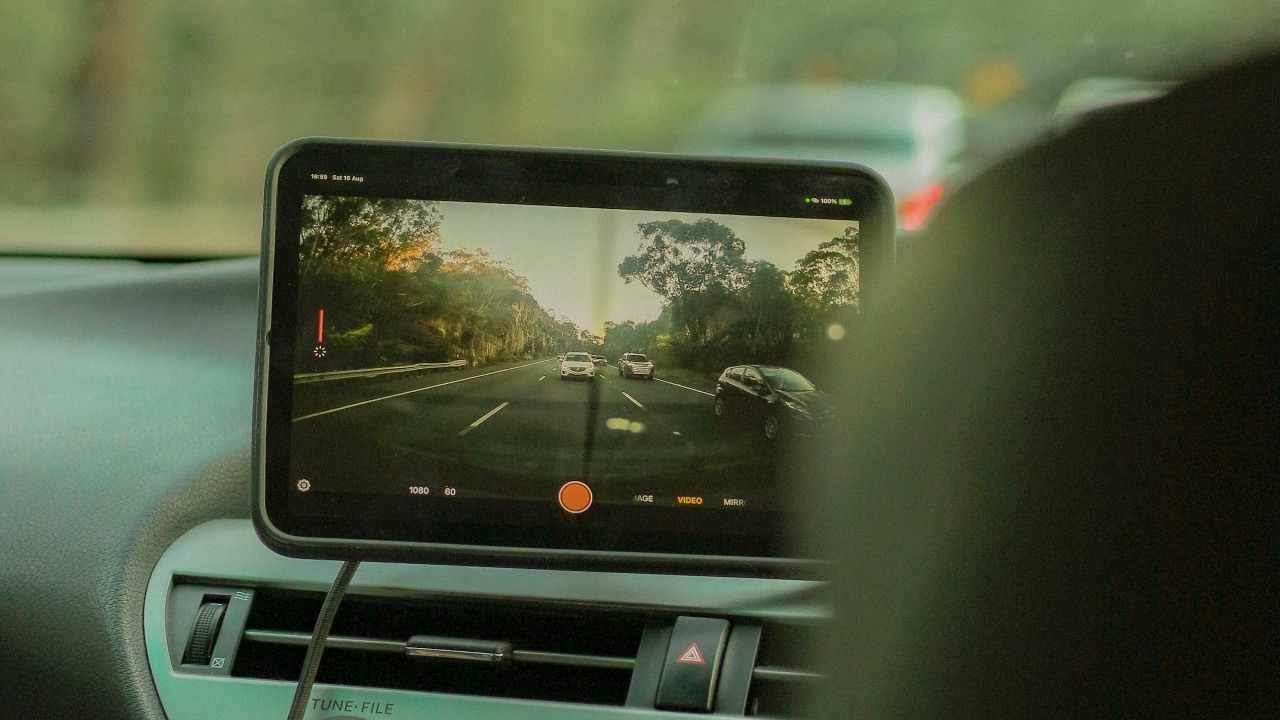
The Belt Parkway video has become a textbook example of how a small device on a windshield can upend an entire fraud narrative. Without the recording, the crash could easily have been logged as a standard rear-end collision, with the SUV’s driver facing higher premiums and potential liability. Instead, the dashcam provided a neutral account that prosecutors say supports the allegation that the other driver reversed intentionally, a detail that is nearly impossible to prove through eyewitness recollection alone.
Consumer advocates and law enforcement officials have seized on the case to urge drivers to consider installing dash cameras, particularly in high-traffic regions like NYC. In televised explainers, analysts have walked viewers through the Belt Parkway footage and similar clips, emphasizing that clear video can be the difference between being wrongly blamed and being recognized as a victim of a scam. They advise motorists who suspect they have been targeted to preserve any dashcam files, contact their insurance company promptly, and share the footage with the local district attorney’s office if a staged crash is suspected, echoing the steps taken in the Brooklyn and Queens investigations.
Legal fallout and the growing deterrent effect
The legal consequences for those accused in these schemes are significant, a fact prosecutors have highlighted as they seek to deter copycats. In the Queens cases, Jaime Huiracocha and Victor Murillo each face charges that carry potential prison terms of five to 15 years on the most serious counts, reflecting the view that staged crashes are not minor hustles but serious financial crimes that also endanger public safety. Separate proceedings against a Brooklyn man tied to the Belt Parkway dashcam incident in Queens involve a “litany of charges” related to insurance fraud, according to local summaries of the case.
Authorities have also emphasized that the alleged scams did not occur in isolation but as part of a broader pattern of staged crashes on NYC highways, including the Belt Parkway and the Nassau Expressway. By publicly detailing the charges and the role of dashcam evidence, prosecutors and regulators hope to send a message that the combination of video technology and coordinated enforcement makes it far riskier to attempt a “cash for crash” scheme. For everyday drivers, the viral clip that first shocked viewers online has become a cautionary tale, a reminder that a routine lane change can suddenly turn into a confrontation with someone who is not just reckless, but allegedly running a criminal playbook.
More from Fast Lane Only