The captivating journey of turbine-powered concept cars represents a unique chapter in automotive history, marked by both excitement and skepticism. These vehicles, with their futuristic designs and innovative propulsion systems, promised to revolutionize the way we think about car engines. Despite their potential, turbine engines ultimately remained a fascinating detour in automotive development, leaving behind a legacy of innovation and lessons learned.
The Birth of Turbine-Powered Cars
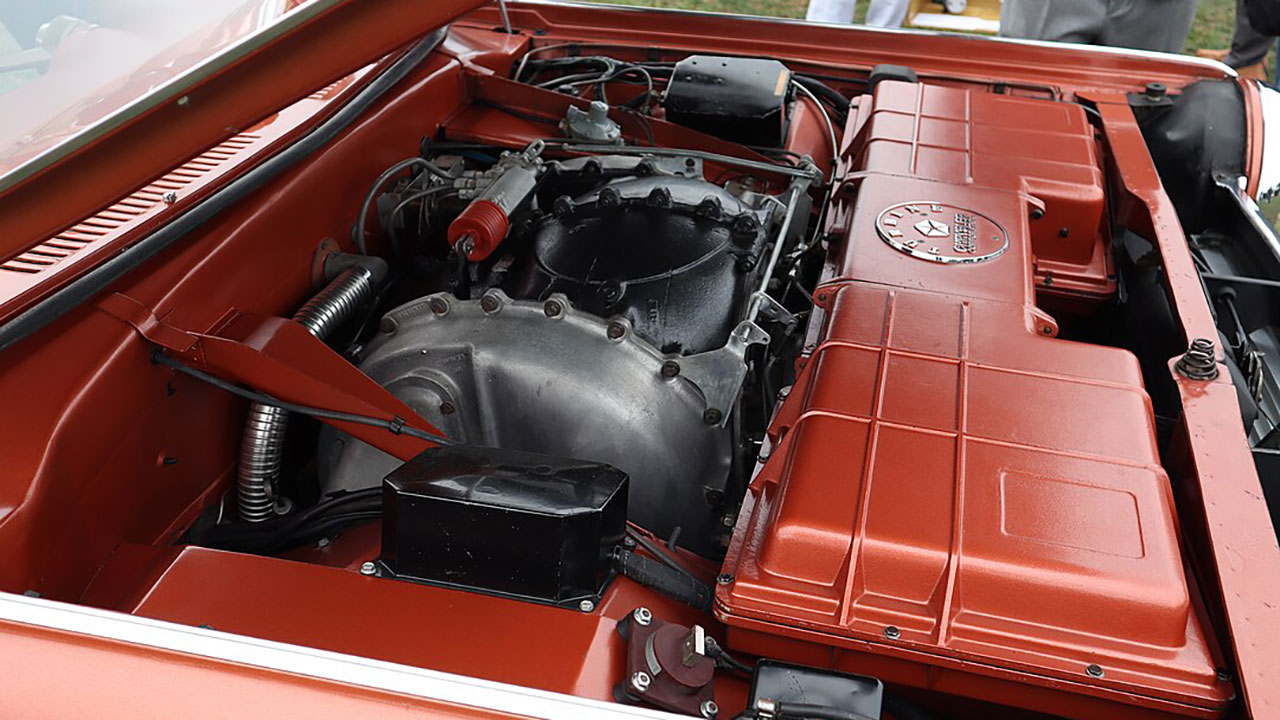
The concept of turbine-powered cars dates back to the early 20th century, when engineers began experimenting with turbine engines as a potential alternative to traditional internal combustion engines. The allure of turbines lay in their ability to run on a variety of fuels and their promise of smoother operation due to fewer moving parts. However, it wasn’t until the mid-20th century that major car manufacturers began to seriously explore this technology.
Chrysler was one of the first major automakers to invest heavily in turbine technology. In the 1950s and 1960s, Chrysler’s engineering team, led by George Huebner, made significant strides in developing turbine engines for automobiles. Huebner’s vision was to create a car that could run on anything from diesel to vegetable oil, offering unprecedented flexibility in fuel choice. Other manufacturers, such as General Motors and Ford, also dabbled in turbine technology, but Chrysler’s commitment was unmatched.
Key figures in the development of turbine-powered vehicles included engineers and visionaries like Huebner, who believed in the potential of turbines to transform the automotive landscape. Their work laid the groundwork for a series of concept cars that would capture the public’s imagination and push the boundaries of automotive engineering.
Iconic Turbine Concept Cars
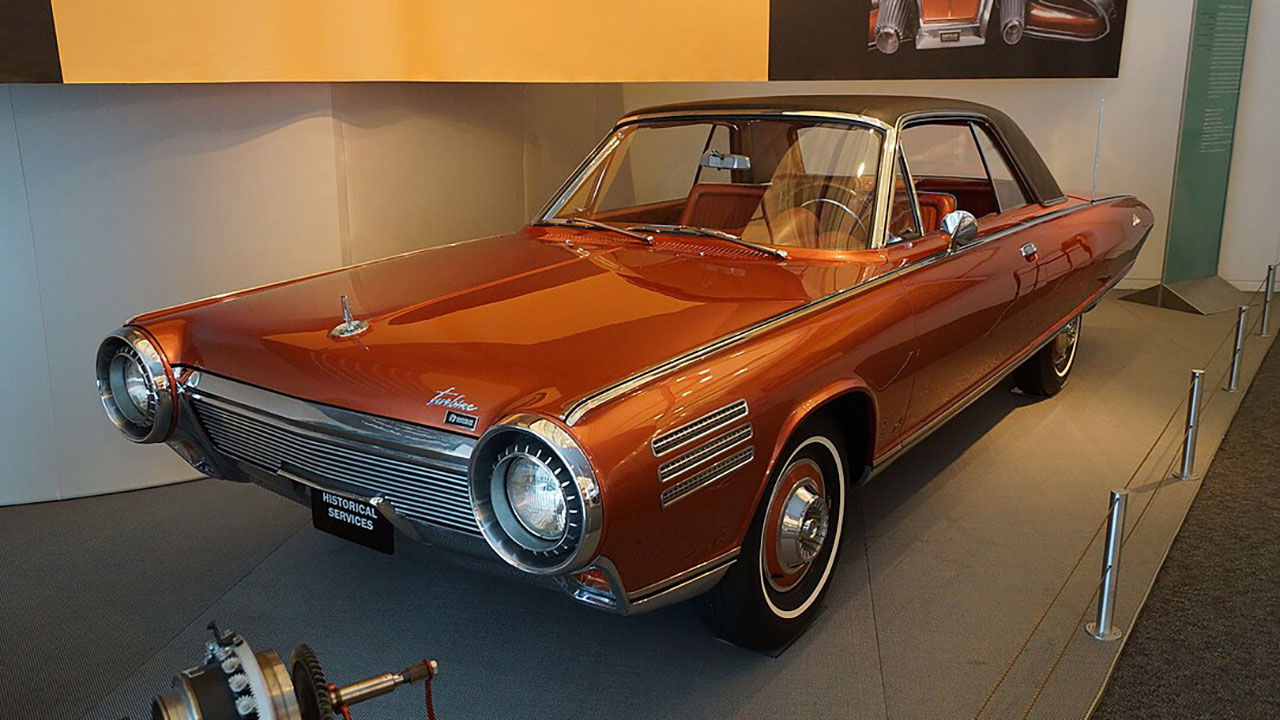
The Chrysler Turbine Car, introduced in 1963, is perhaps the most famous example of a turbine-powered vehicle. With its sleek, futuristic design and distinctive sound, the Turbine Car was a marvel of engineering. Chrysler produced 55 of these cars, which were distributed to the public for testing. The feedback was mixed; while many praised the car’s smooth ride and unique styling, others were concerned about its fuel consumption and noise levels.
General Motors also made significant contributions to the world of turbine-powered cars with its Firebird series. The GM Firebird I, II, and III were unveiled between 1953 and 1959, each showcasing advanced turbine technology and futuristic designs. These concept cars were not intended for mass production but served as a testament to GM’s commitment to innovation and exploration of alternative propulsion systems.
In addition to Chrysler and GM, other manufacturers experimented with turbine technology. Ford, for example, developed the Ford Turbine Truck in the 1960s, which demonstrated the potential of turbines in commercial vehicles. Although these lesser-known concepts never reached the production stage, they contributed to the broader understanding and development of turbine technology in the automotive industry.
Technical Challenges and Limitations
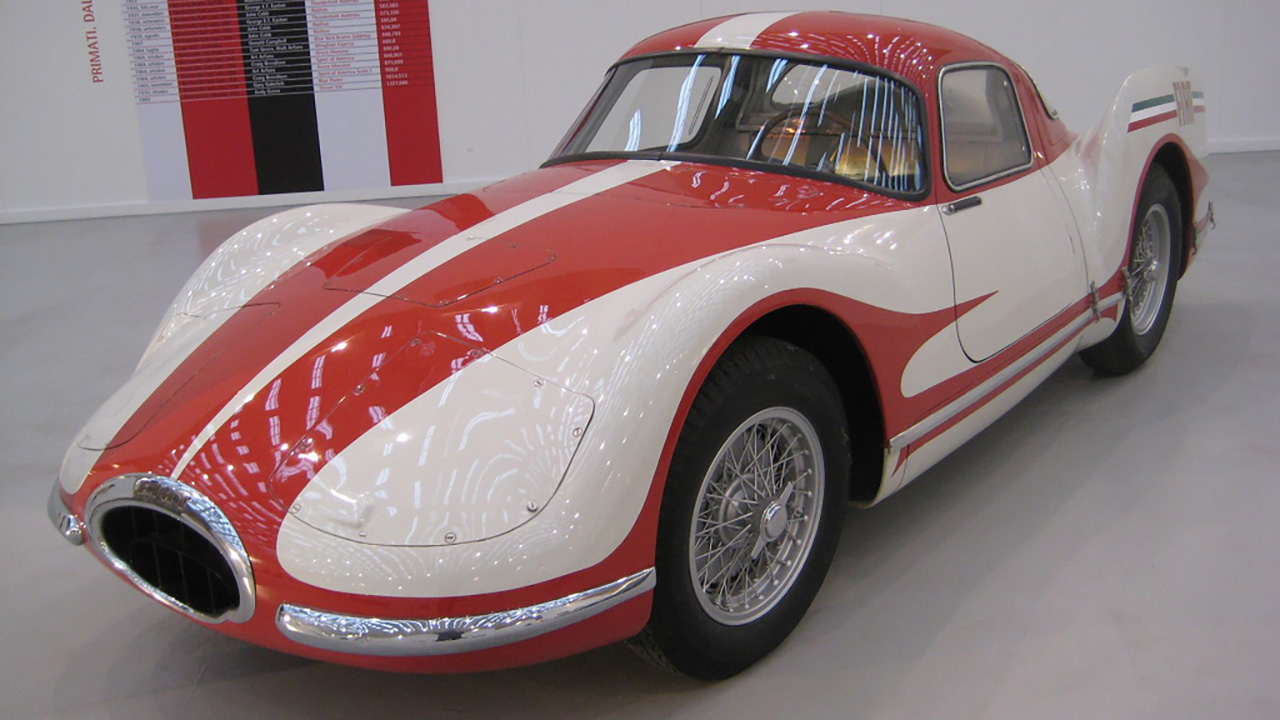
Despite the promise of turbine-powered cars, several technical challenges hindered their widespread adoption. One of the primary issues was efficiency. Turbine engines, while capable of running on various fuels, were not as fuel-efficient as traditional internal combustion engines. This inefficiency was compounded by the high operating temperatures of turbine engines, which required advanced materials and cooling systems to manage heat effectively.
Consumer concerns also played a significant role in the limited success of turbine cars. The noise produced by turbine engines was notably different from that of conventional engines, which some drivers found off-putting. Additionally, the fuel economy of turbine cars was generally poorer, making them less practical for everyday use. These factors, combined with the higher cost of production, made turbine cars a tough sell to the average consumer.
The regulatory and economic climate of the time further complicated the adoption of turbine technology. Emission standards and fuel economy regulations were becoming increasingly stringent, and the economic viability of producing turbine cars on a large scale was questionable. These challenges ultimately led manufacturers to abandon turbine technology in favor of more conventional propulsion systems.
The Legacy and Influence of Turbine Cars
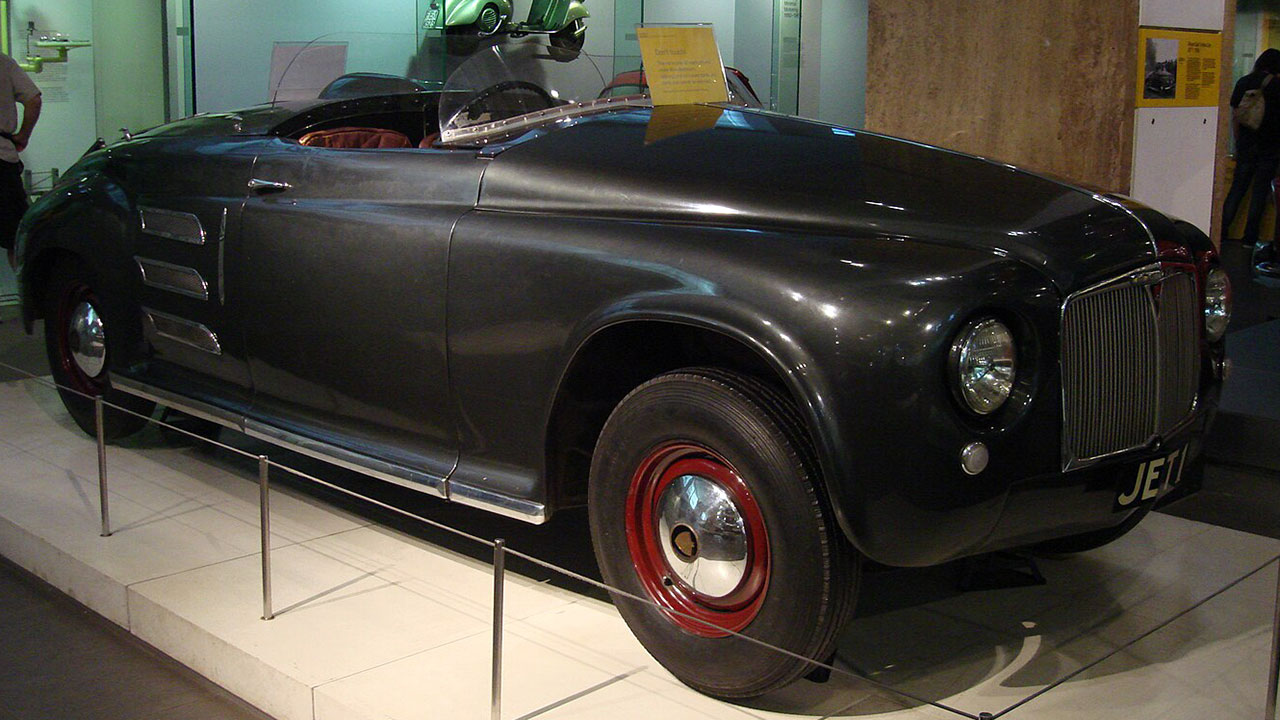
While turbine-powered cars never achieved commercial success, their legacy continues to influence modern automotive engineering and design. The experimentation with turbine technology pushed the boundaries of what was possible in car design, leading to advancements in materials science and aerodynamics that are still relevant today.
The public’s fascination with turbine cars also left a lasting impact on automotive culture. These vehicles captured the imagination of car enthusiasts and the general public alike, symbolizing a future where cars could be powered by anything from jet fuel to peanut oil. This vision of versatility and innovation continues to inspire engineers and designers as they explore new propulsion systems.
Lessons learned from the turbine experiment have been applied to other areas of automotive technology. The focus on efficiency, fuel flexibility, and emissions reduction has informed the development of modern engines and alternative propulsion systems. As the automotive industry continues to evolve, the influence of turbine technology can still be seen in the pursuit of sustainable and efficient vehicles.
The Future of Alternative Propulsion Systems
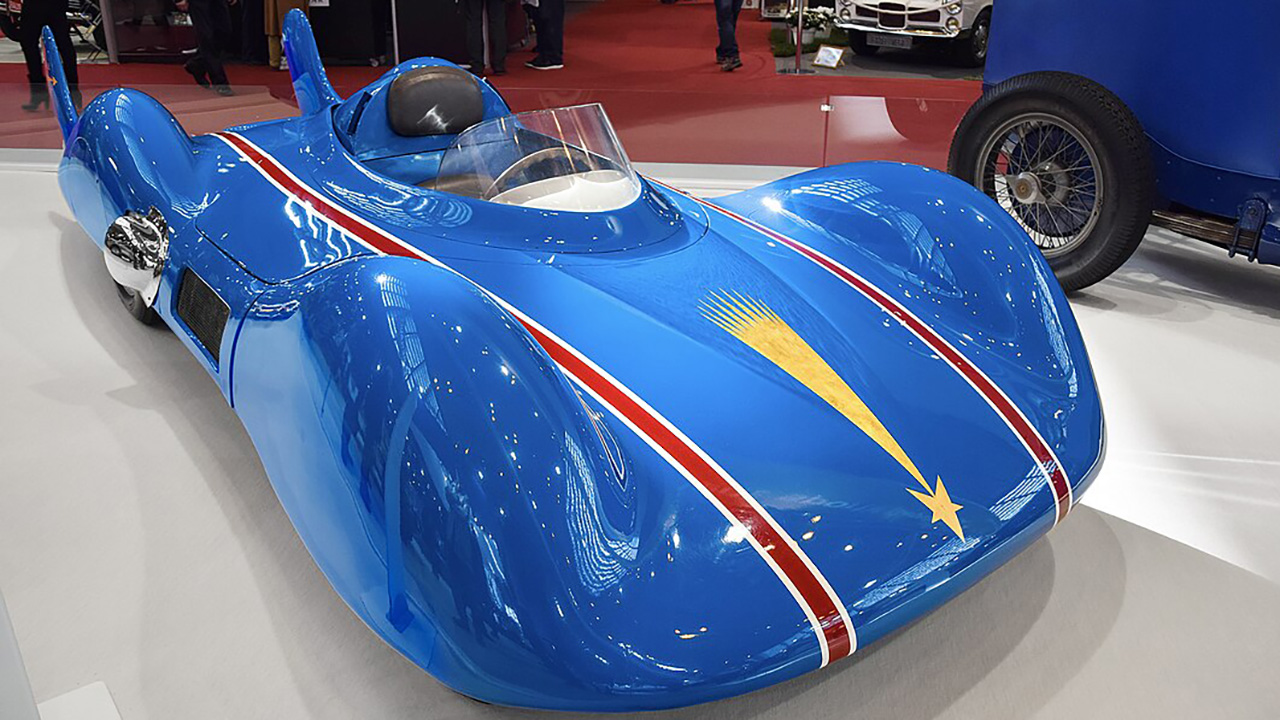
Today, the quest for alternative propulsion systems continues, with electric and hydrogen fuel cell vehicles leading the charge. However, there is still potential for a revival of turbine technology in modern vehicles. Advances in materials science and engineering could address some of the challenges that plagued earlier turbine cars, making them a viable option for certain applications.
When compared to other emerging propulsion systems, turbines offer unique advantages, such as the ability to run on multiple fuel types and potentially lower emissions. As the automotive industry seeks to reduce its environmental impact, the versatility of turbine engines could make them an attractive option for future vehicles.
The ongoing quest for innovation in creating sustainable and efficient vehicles is a testament to the enduring influence of turbine-powered concept cars. As engineers and designers continue to push the boundaries of what’s possible, the lessons learned from the turbine experiment will undoubtedly play a role in shaping the future of automotive propulsion.
Like Fast Lane Only’s content? Be sure to follow us.
Here’s more from us:
*Created with AI assistance and editor review.