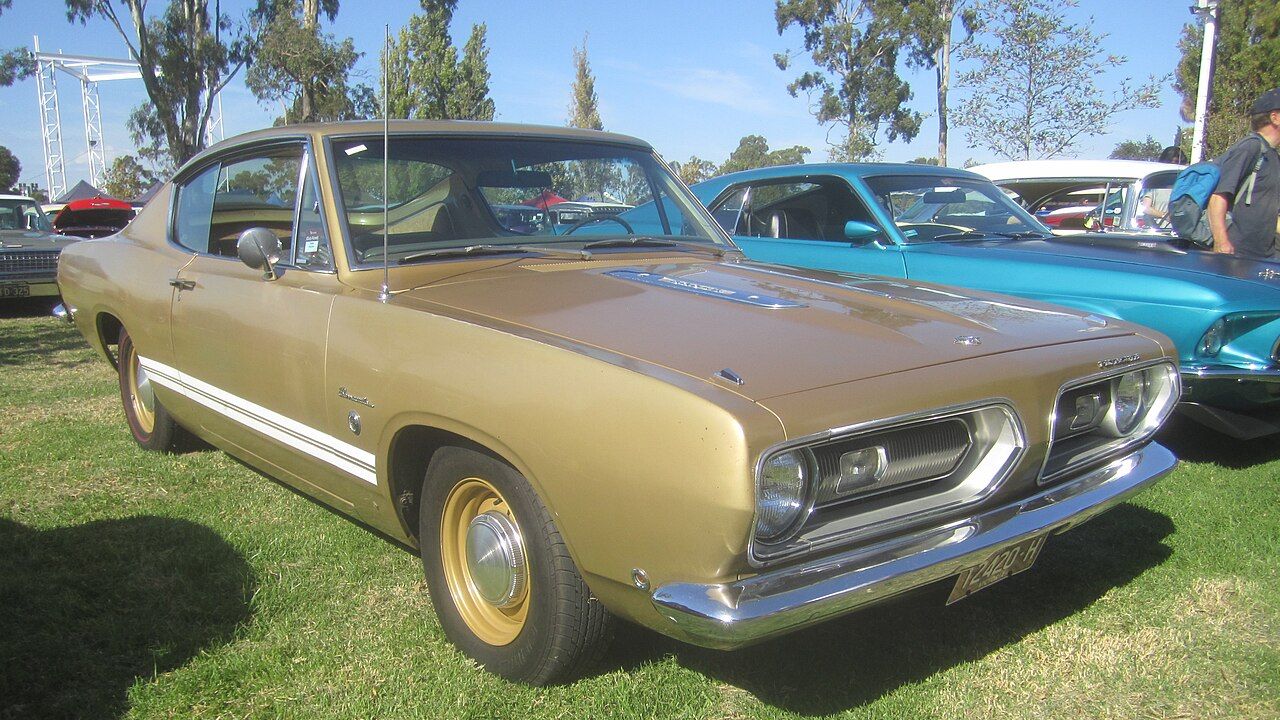
The 1968 Plymouth Barracuda, often overshadowed by its contemporaries, carved a unique niche in the muscle car landscape with its bold design and impressive performance. Equipped with a powerful 383 V8 engine, this classic vehicle not only turned heads but also delivered mid-14-second quarter-mile times, making it a formidable contender on the street and the drag strip.
Overview of the 1968 Plymouth Barracuda
The Plymouth Barracuda made its debut in 1964 as one of the first true pony cars, designed to compete with the likes of the Ford Mustang and Chevrolet Camaro. In its early years, the Barracuda was known for its distinct fastback design and its innovative use of fiberglass in some models. By 1968, the Barracuda had evolved significantly, showcasing a more aggressive stance and a focus on performance that appealed to a growing audience of muscle car enthusiasts.
The significant changes in the 1968 model year included a complete redesign that featured a longer hood and a more pronounced front grille, which gave the car a bolder, more muscular appearance. This year marked the introduction of the iconic 383 cubic-inch V8 engine, which set the Barracuda apart from its earlier iterations and made it a serious contender in the muscle car segment of the late 1960s. The Barracuda positioned itself as a stylish yet powerful option for buyers looking for performance without sacrificing design.
Engineering and Specifications
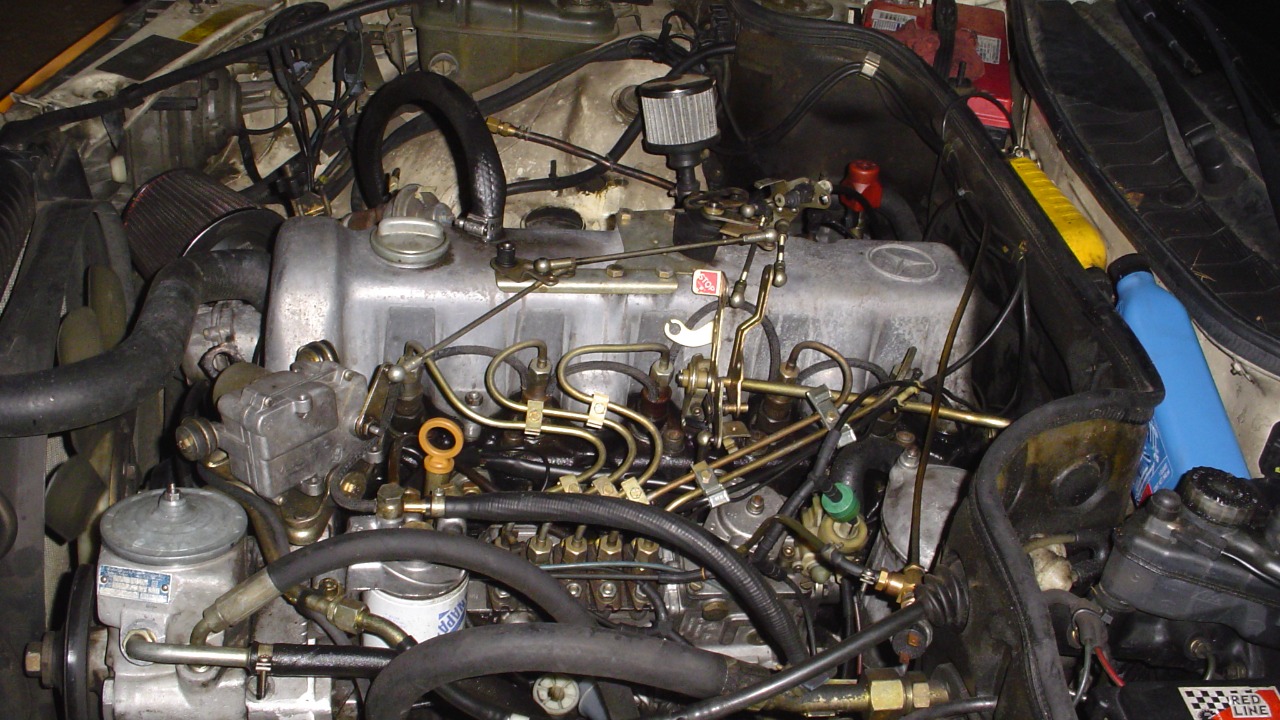
The 1968 Barracuda’s heart was the formidable 383 cubic-inch V8 engine, which produced an impressive 335 horsepower and 425 lb-ft of torque. This engine was known for its robust performance, allowing the Barracuda to accelerate rapidly and achieve those mid-14-second quarter-mile times. The 383 was complemented by a Holley carburetor, which contributed to its responsive throttle and exhilarating driving experience. For enthusiasts, this engine offered the perfect blend of power and reliability.
Transmission options for the 1968 Barracuda included a three-speed TorqueFlite automatic and a four-speed manual, catering to both casual drivers and performance purists. The car’s overall weight was around 3,200 pounds, which, combined with its powerful engine, contributed to its impressive acceleration and handling capabilities. The Barracuda’s suspension system was designed to provide a balance between comfort and performance, making it suitable for both everyday driving and high-performance applications.
Performance Metrics
When it came to performance, the 1968 Plymouth Barracuda was a force to be reckoned with. The mid-14-second quarter-mile time showcased its capability on the drag strip, allowing it to compete effectively against its contemporaries. Acceleration from 0 to 60 mph was achieved in just over six seconds, a remarkable feat for a car of its time. The Barracuda’s performance was not merely about speed; it also excelled in handling, thanks to its well-engineered suspension that provided stability during sharp turns and aggressive driving.
Comparing the Barracuda to other muscle cars of the same era, such as the Ford Mustang and Chevrolet Camaro, reveals its competitive edge. While the Mustang offered a variety of engine options and the Camaro was known for its sleek design, the Barracuda’s unique combination of style and performance made it stand out. The Barracuda’s ability to deliver powerful acceleration and confident handling solidified its reputation among muscle car enthusiasts, ensuring its place in automotive history.
Design and Aesthetics
The exterior design of the 1968 Plymouth Barracuda was a departure from its earlier models, featuring a more aggressive front end with a prominent grille and elongated body lines. The car was available in various striking color options, including the eye-catching “Plum Crazy” and “Sassy Grass Green,” which appealed to buyers looking for a vibrant and distinctive look. The fastback silhouette not only enhanced its sporty appeal but also contributed to improved aerodynamics, making it a visually captivating choice for muscle car fans.
Inside, the Barracuda was designed with the driver in mind, featuring a driver-focused cockpit that combined functionality and comfort. The dashboard was equipped with clear, easy-to-read gauges and a sporty steering wheel, while the seats offered a comfortable ride, even during spirited driving. The use of quality materials and thoughtful design choices helped the Barracuda maintain its appeal, ensuring it was not only a performance car but also a stylish and comfortable vehicle for daily use.
Market Position and Pricing
When the 1968 Barracuda was launched, its pricing was competitive within the muscle car market. Base models started at approximately $2,500, making it an accessible option for young buyers seeking performance without breaking the bank. In comparison, the Ford Mustang and Chevrolet Camaro had similar price points, but the Barracuda offered a unique combination of style and power that resonated with a specific segment of car enthusiasts. The marketing strategies at the time emphasized the Barracuda’s performance capabilities and distinctive design, helping to carve out a dedicated customer base.
Sales figures for the 1968 Barracuda reflected its popularity, with over 14,000 units sold by the end of the model year. The car’s appeal to younger buyers and those looking for a blend of performance and practicality played a significant role in its market success. Despite the fierce competition in the muscle car segment, the Barracuda managed to establish itself as a desirable option, showcasing Plymouth’s commitment to delivering exciting vehicles that met consumer demands.
Restoration and Collectibility
Restoring a 1968 Plymouth Barracuda can be a rewarding but challenging endeavor. Given the car’s age, finding original parts can be difficult, but the aftermarket support for the Barracuda has grown significantly over the years. Enthusiast groups and forums, such as those on Facebook, provide valuable resources for collectors looking to source parts and share restoration tips. Additionally, many companies specialize in reproduction parts, making it easier for owners to restore their vehicles to their former glory.
Current market values for a 1968 Barracuda can vary widely based on condition, originality, and performance modifications. Well-maintained examples with the 383 engine can fetch prices well into the $30,000 range or even higher at auctions. For collectors, factors such as matching numbers and original paint can significantly impact a car’s desirability. As interest in classic muscle cars continues to grow, the Barracuda has become an increasingly sought-after model, making it a solid investment for automotive enthusiasts.
Impact on Pop Culture
The 1968 Plymouth Barracuda has made notable appearances in movies and television shows, contributing to its status as a cultural icon. One of its most famous appearances was in the classic film “Bullitt,” where a Barracuda was featured in a thrilling chase sequence that highlighted its performance capabilities. This kind of exposure has solidified the Barracuda’s place in automotive pop culture, inspiring generations of car enthusiasts to appreciate its unique design and powerful performance.
Beyond film, the Barracuda has significantly influenced the muscle car culture. Owners often share personal stories and experiences surrounding their Barracudas, highlighting the emotional connection that many have with this classic vehicle. The car’s legacy continues to thrive as it inspires a new generation of enthusiasts who appreciate its blend of style, power, and history. For many, owning a Barracuda is not just about the car itself, but the stories and memories that come with it.
Legacy and Modern Appreciation
The 1968 Plymouth Barracuda’s influence on modern muscle cars and automotive design is undeniable. Its bold styling and performance capabilities have inspired countless designs in the years since its release, with modern muscle cars often drawing from its legacy. The revival of interest in classic muscle cars has led to a resurgence in appreciation for vehicles like the Barracuda, as collectors and enthusiasts seek to own a piece of automotive history.
As the collector car market continues to evolve, the future of the Plymouth Barracuda appears bright. With its distinct character and strong performance credentials, it remains a desirable model among collectors. Events like car shows and auctions frequently feature the Barracuda, allowing enthusiasts to celebrate its legacy and share their passion with others. As appreciation for classic muscle cars grows, the Barracuda stands poised to maintain its status as a beloved icon in automotive history.
More from Fast Lane Only