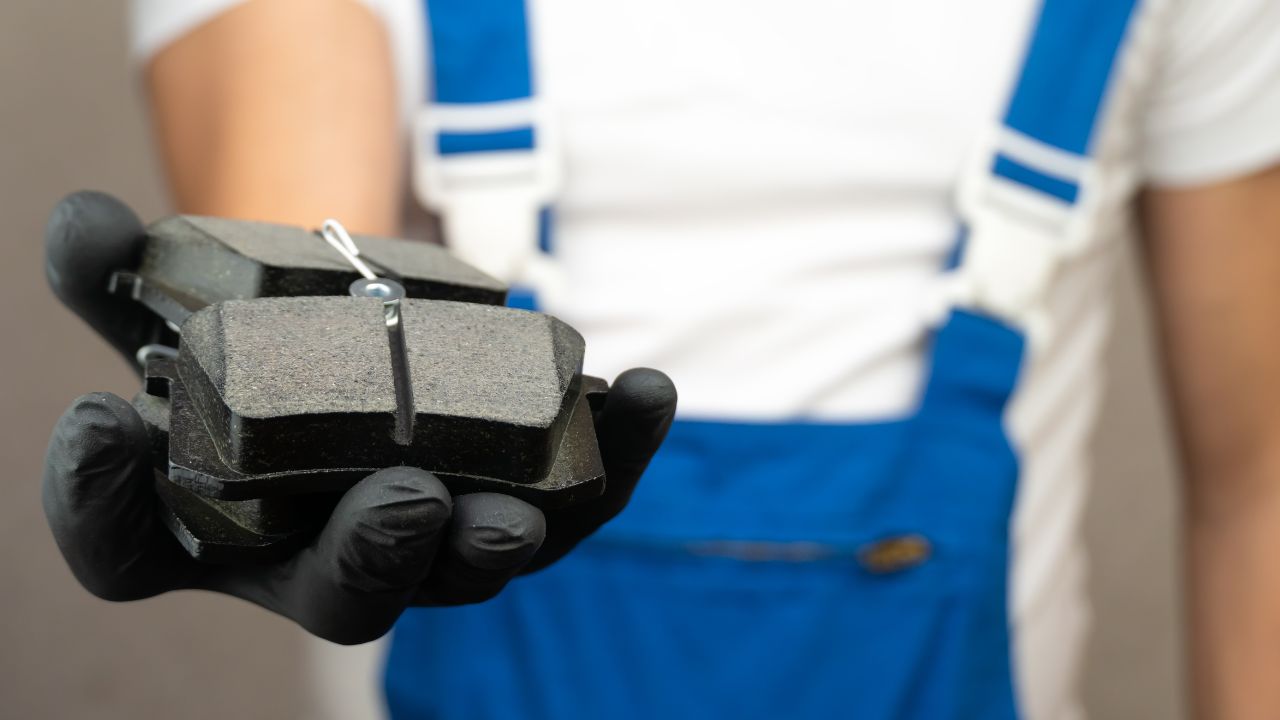
When Alex Moreno pulled into a neighborhood auto shop for a routine brake check, he expected the usual: a quick look, maybe a note about wear, and a plan for the next service interval. Instead, he says he got an urgent warning that his brake pads were “basically gone” and needed replacing immediately. The surprise came later, when the old pads were handed back to him and, in his words, “they still looked new.”
Moreno’s story has been bouncing around local group chats and car forums this week, partly because it’s relatable and partly because it hits a nerve. Almost everyone who drives has had that uneasy moment at the counter: Is this repair truly necessary, or am I being upsold? In Moreno’s case, the mismatch between the mechanic’s insistence and the apparent condition of the parts made people curious—sometimes amused, sometimes annoyed, and often a little worried.
A Routine Visit That Suddenly Felt Urgent
Moreno says he brought his sedan in after hearing a faint squeal he couldn’t place. “I figured it might be dust, or maybe I just needed a quick inspection,” he said. After a short wait, he recalls being told the front pads were worn down and the rotors were at risk, and that driving further could be unsafe.
That kind of language tends to flip a mental switch for drivers. Nobody wants to gamble on brakes, and most people don’t want to argue with a professional while standing next to a coffee machine that’s seen better days. Moreno agreed to the replacement, but asked to keep the old parts—a request that, depending on the shop, can either be normal or treated like you’ve just asked for the secret menu.
“These Look Fine”—So What’s the Catch?
After the work was done, Moreno says he looked at the removed pads in daylight and felt his stomach drop. The friction material didn’t look wafer-thin, and the wear seemed fairly even. “I’m not a mechanic,” he said, “but I’ve seen truly worn pads. These didn’t look like that.”
Photos he shared show pads with visible material remaining, not down to bare metal. That doesn’t automatically mean the shop was wrong, but it does raise questions. Brake wear is measurable, and “looks new” can be subjective—yet most drivers can tell the difference between “nearly gone” and “still has life.”
How Brake Pads Are Actually Judged
Brake pads aren’t evaluated by vibes, even if the service desk sometimes makes it feel that way. The key measurement is pad thickness, usually in millimeters, and many technicians will recommend replacement around 3–4 mm, depending on the vehicle and driving habits. New pads often start around 10–12 mm, give or take.
It’s also not just the pad: shops may flag uneven wear, heat damage, glazing, or contamination from grease or brake fluid. A pad can have thickness left and still be noisy or perform poorly, especially if it’s hardened or cracked. But when a shop says “they’re gone,” most customers hear “there’s basically nothing left,” and that’s a much more specific claim.
Possible Explanations That Aren’t a Scam (But Still Feel Bad)
There are a few ways a situation like this can happen without anyone twirling a mustache behind the service counter. One is miscommunication: the mechanic might’ve meant the pads were “getting low” or “close to the limit,” and the message turned into “gone” by the time it reached the customer. Another is a quick visual check from an awkward angle, where the tech sees the inner pad (often thinner) and assumes both are equally worn.
It’s also possible the shop uses a conservative policy—replacing earlier to avoid comebacks or complaints. That can be defensible, but only if it’s explained clearly and backed up with measurements. Nobody likes paying for “peace of mind” when they thought they were paying for “necessary right now.”
And Yes, It Can Also Be an Upsell
Moreno’s claim has people talking about the less charitable possibility: that the shop pushed a brake job that didn’t need to happen yet. Consumer advocates have long warned that brakes are a common upsell category because the parts are familiar, the safety angle is powerful, and most customers can’t easily verify wear on the spot. If a customer won’t see the pads until after the job, the leverage is gone.
That doesn’t mean every shop that recommends brakes is being shady. Plenty of technicians are careful and honest, and brakes do wear out—often faster than people expect. The problem is that a small number of aggressive sales practices can make everyone feel suspicious, even when the recommendation is legitimate.
What Drivers Can Do in the Moment
If you’re told your pads are “gone,” asking for specifics is fair and normal. “What’s the pad thickness in millimeters?” is a simple question that changes the conversation from opinion to measurement. A shop that’s on solid ground should be able to answer quickly or show you on the invoice.
You can also ask to see the pads before authorizing the work, especially if the wheels are already off. Some shops will bring you into the bay (with safety rules), others will take a photo or video. It’s not about being difficult—it’s about understanding what you’re paying for.
Red Flags vs. Green Flags at the Service Counter
A red flag is urgency without evidence: “You have to do this today” paired with vague explanations and no measurements. Another is pressure tactics, like implying you’re reckless if you want to think about it. And if the estimate keeps growing in a hurry, that’s usually a sign to pause and ask for a printed breakdown.
Green flags are surprisingly simple: clear numbers, old parts offered without drama, and an explanation that matches what you see. A good shop will tell you the threshold they use and why. Even better, they’ll say something like, “You’ve got a few thousand miles left, but you’ll start hearing noise soon,” which is both honest and useful.
Moreno’s Next Steps—and Why This Resonates
Moreno says he’s planning to get a second opinion, partly for peace of mind and partly because he wants a professional to tell him whether those pads were truly near the limit. He’s also considering leaving a review, but he’s torn. “I don’t want to torch a business if it was just a miscommunication,” he said, “but I also don’t want someone else to feel tricked.”
The story resonates because it’s a modern little mystery with an everyday price tag. Brakes are one of those things you don’t want to ignore, yet you also don’t want to replace early just because someone sounded confident. And if you’ve ever stared at a used part in your hand thinking, “Wait… that’s it?” you’re definitely not alone.
A Small Tip That Can Save a Big Headache
One practical habit drivers swear by is writing down the last brake service date and mileage, then snapping a quick photo of invoices. That way, if a shop recommends pads again suspiciously soon, you’ve got context. It doesn’t turn you into a mechanic, but it does turn you into a harder target for confusion—accidental or otherwise.
For now, Moreno’s photos are making the rounds, and they’ve sparked a familiar takeaway: trust matters, but verification is cheap. A quick measurement, a quick look, and a quick question can keep a routine brake check from becoming an expensive surprise.
More from Fast Lane Only