Studebaker produced far more interesting vehicles than its eventual disappearance from the American market might suggest. Beyond the familiar Hawks and Avanti, the company built unusual sedans, wagons, convertibles, trucks, and special editions that have become increasingly interesting to collectors. These 20 Studebakers stand out because they combine distinctive styling, limited production, unusual features, or a place in the company’s remarkable final years.
Studebaker Speedster

The Studebaker Speedster was a short-lived special that gave the company’s full-size lineup a much sportier personality. Its distinctive two-tone paint, special trim, leather interior, and upgraded presentation helped separate it from ordinary Studebakers. The Speedster also helped set the stage for the Hawk family that followed. Today, collectors appreciate it because it combines classic 1950s styling with relatively limited production and a strong connection to one of Studebaker’s most interesting design periods.
Studebaker Starlight Coupe
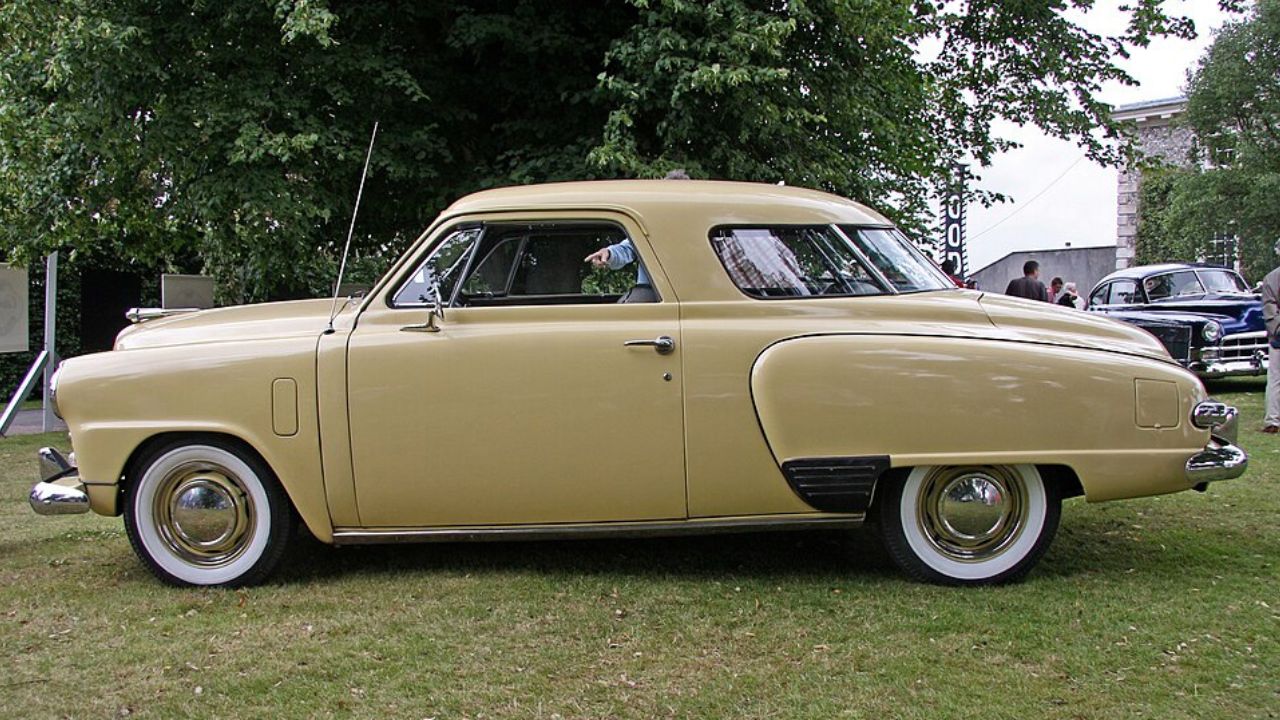
The Starlight Coupe is one of the Studebakers that can stop a collector simply because of its unusual roofline. The large rear window wrapping around the passenger compartment created a distinctive appearance that looked unlike most American coupes of its time. It came from the company’s early postwar design period, when Studebaker was experimenting with shapes that would influence its later styling. Surviving examples have become increasingly appealing to collectors who want something different from the usual Detroit offerings.
Studebaker Starliner

The Starliner took Studebaker’s dramatic postwar styling even further. Its low roof, smooth bodywork, and unusually clean profile gave it a modern appearance that still looks distinctive today. The model is particularly interesting because it came from the Raymond Loewy-associated design era that produced several of Studebaker’s most memorable shapes. Collectors seeking an American classic that does not look like every other 1950s car often find the Starliner particularly attractive.
Studebaker Conestoga
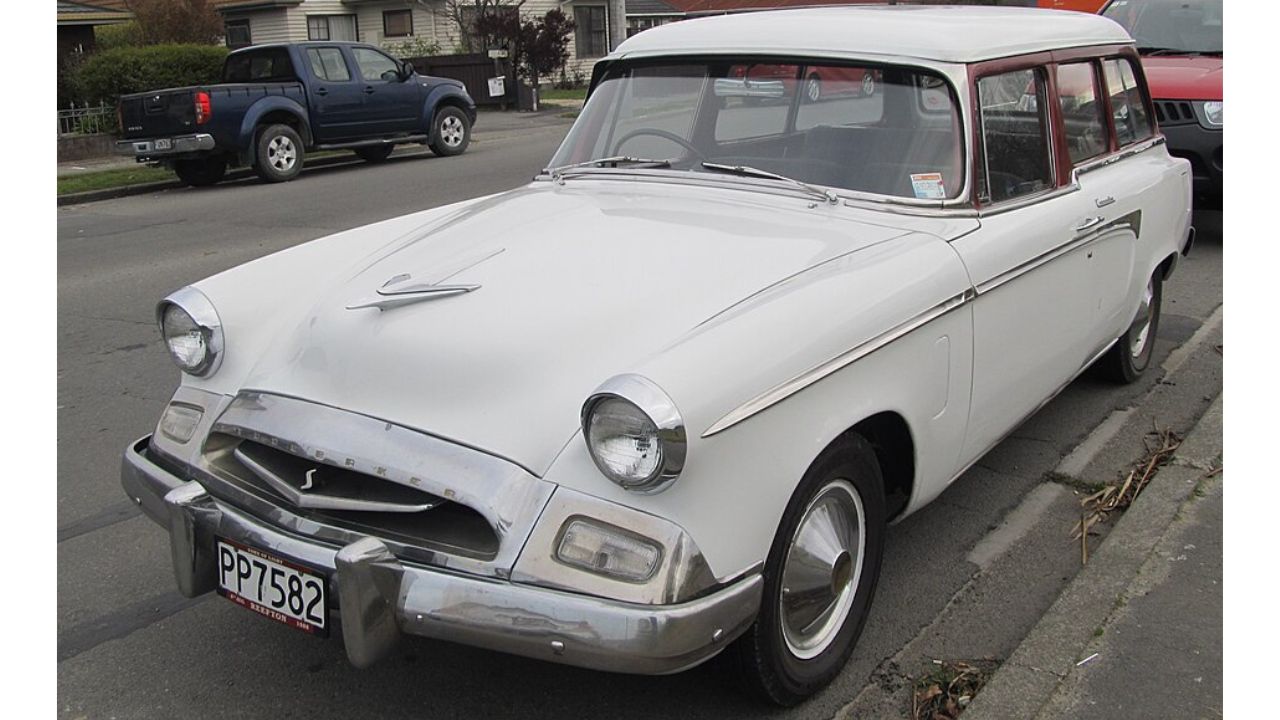
The Conestoga was a station wagon that demonstrated how different Studebaker could be from the major American manufacturers. Its two-door wagon configuration gave it a compact and useful character while retaining the company’s distinctive styling. The model was produced for only a short period, making surviving examples far less common than the better-known Studebaker sedans. Its combination of practicality and rarity gives it a strong appeal today, especially among collectors who enjoy unusual American wagons.
Studebaker Commander Regal
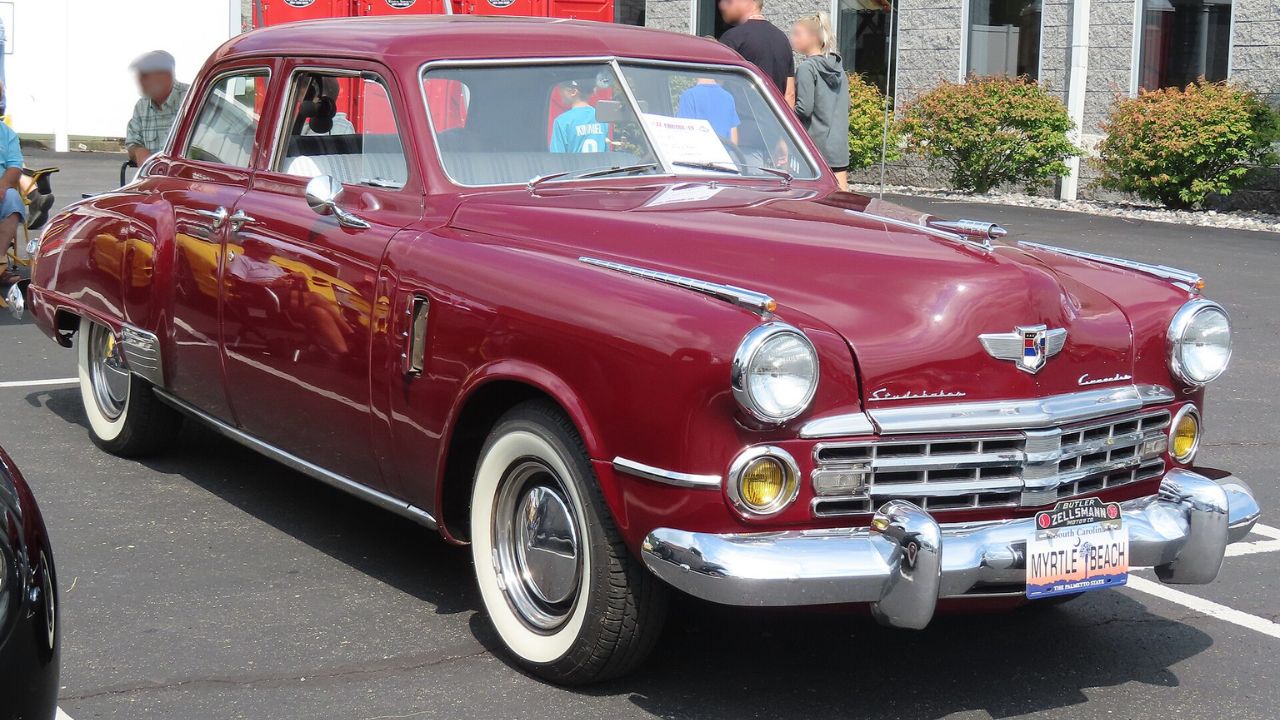
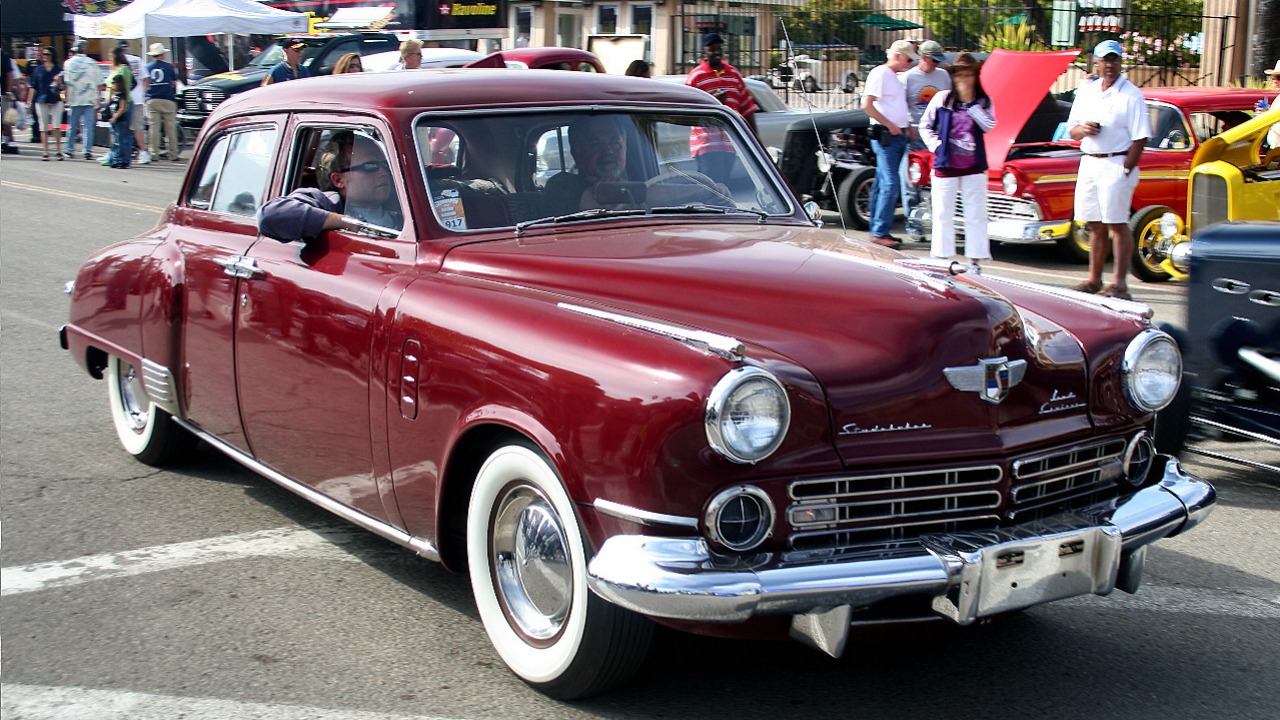
The Commander Regal represents the kind of Studebaker that can easily disappear beneath the company’s better-known names. It offered upscale trim and a more substantial presentation while retaining the distinctive styling associated with Studebaker’s postwar cars. Commanders were produced across several generations, giving collectors plenty of variations to explore. A well-preserved Regal can therefore provide an interesting alternative to more predictable 1950s American classics while still being recognizable as a genuine Studebaker.
Studebaker Champion Starlight

The Champion Starlight combined one of Studebaker’s more accessible model lines with its distinctive coupe body. The Starlight treatment gave the car a dramatic roof and rear-window design that made it much more memorable than an ordinary family car. Studebaker’s Champion name remained in use for many years, but early examples are particularly interesting because of their styling. Collectors appreciate these cars because they offer a genuine postwar Studebaker experience without requiring one of the company’s famous high-performance models.
Studebaker Land Cruiser
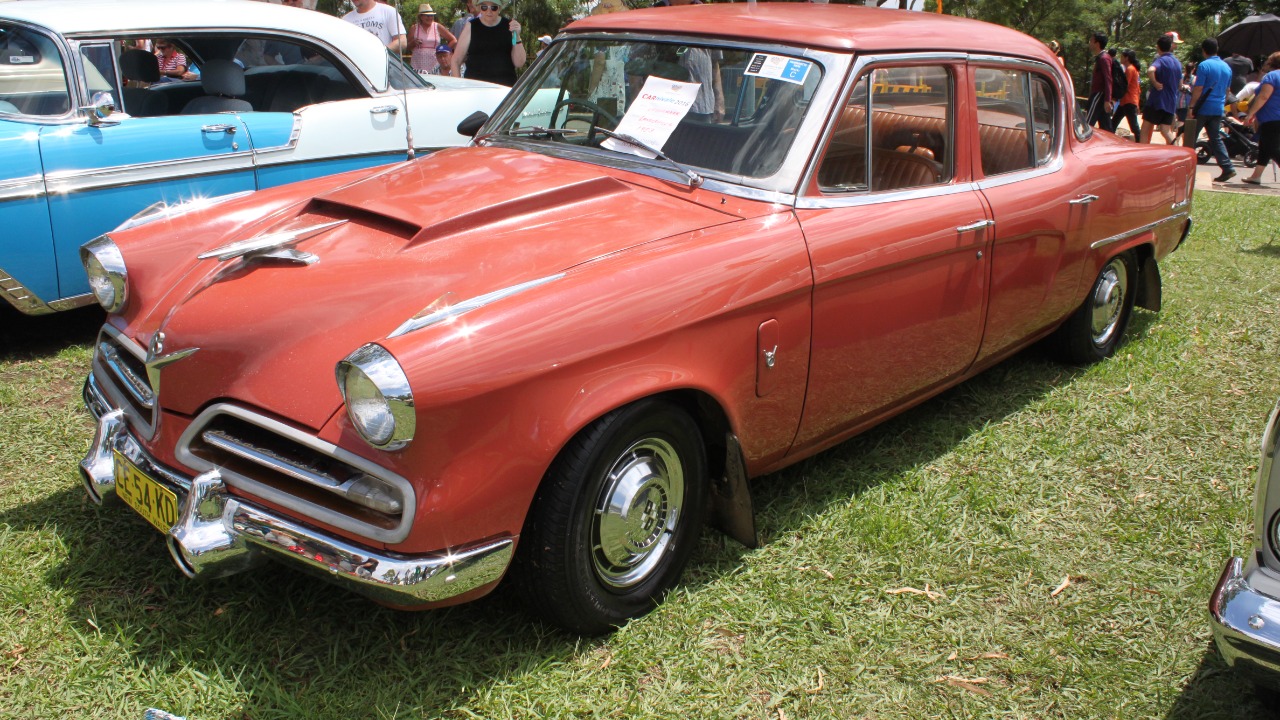
The Land Cruiser was Studebaker’s answer to buyers looking for a more substantial and prestigious automobile. Despite its name, it was a passenger car rather than an off-road vehicle, with an emphasis on space, comfort, and upscale equipment. The model appeared in several periods of Studebaker history and became one of the company’s recognizable full-size offerings. Today, an early Land Cruiser can be an intriguing find because its name can cause confusion while its styling remains unmistakably classic Studebaker.
Studebaker Scotsman
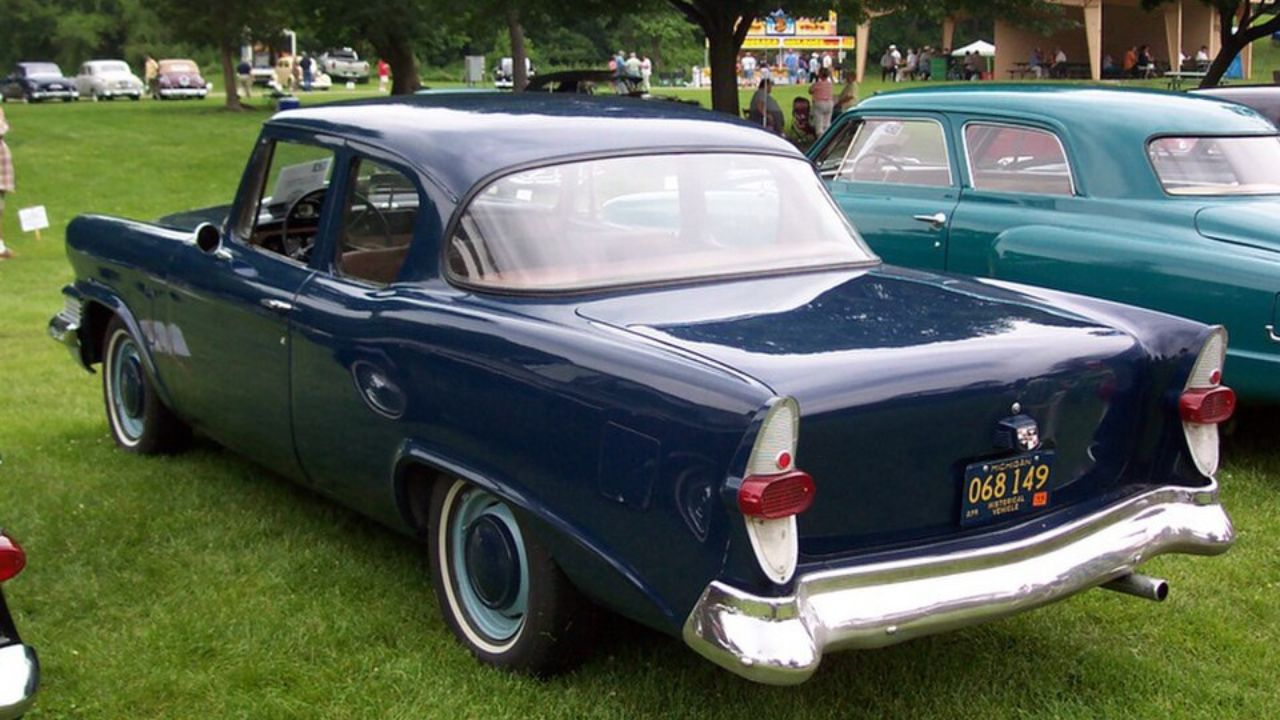
The Scotsman took a completely different approach from the company’s flashy 1950s offerings. It was deliberately stripped down and inexpensive, with simple equipment and restrained styling designed to keep the purchase price low. That makes surviving examples especially interesting today because collectors can see just how different an American car could be when manufacturers prioritized basic transportation. The Scotsman also has an unusually distinctive place in Studebaker history. Its simplicity has become part of its charm.
Studebaker Silver Hawk

The Silver Hawk became one of Studebaker’s most recognizable names, but good examples are increasingly interesting to collectors because of the model’s place in the company’s declining years. It offered the dramatic Hawk body with a choice of powertrains and trim levels. Although the Golden Hawk tends to receive more attention, the Silver Hawk has its own following. Its combination of sleek styling, relatively compact dimensions, and unmistakable Studebaker character makes it one of the easier rare Studebakers to appreciate.
Studebaker Flight Hawk
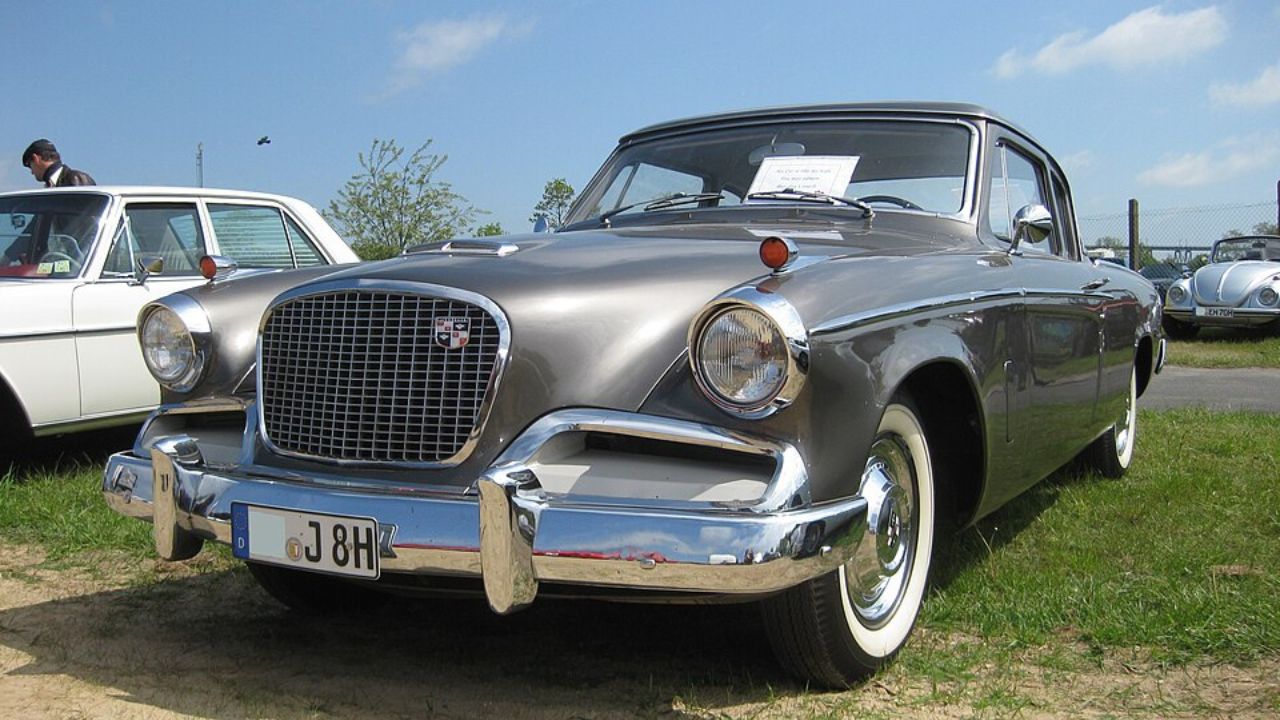
The Flight Hawk was part of the original four-model Hawk lineup introduced for 1956. It occupied the entry-level position in that range, using a six-cylinder engine rather than the larger V8s found higher in the lineup. That makes it particularly interesting to collectors because it provides the dramatic Hawk shape without being another familiar Golden Hawk. Its relatively modest mechanical specification is part of what makes an original example unusual today.
Studebaker Power Hawk
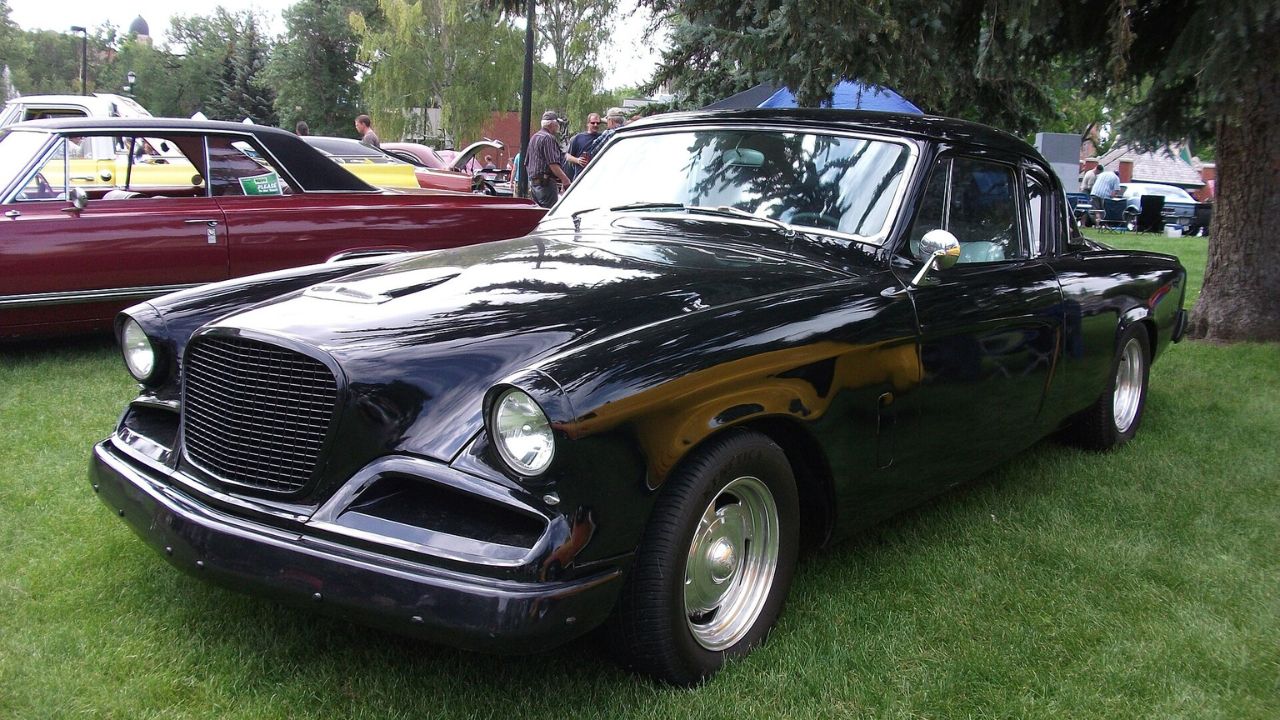
The Power Hawk offered a middle ground in Studebaker’s first Hawk lineup. It used the company’s V8 power while retaining the sleek two-door body that made the Hawk series so distinctive. Compared with the better-known Golden Hawk, the Power Hawk tends to receive far less attention from casual enthusiasts. Serious Studebaker collectors, however, recognize the significance of these early Hawk variations. Finding an original example gives enthusiasts a chance to own one of the company’s more interesting performance-oriented designs.
Studebaker Sky Hawk
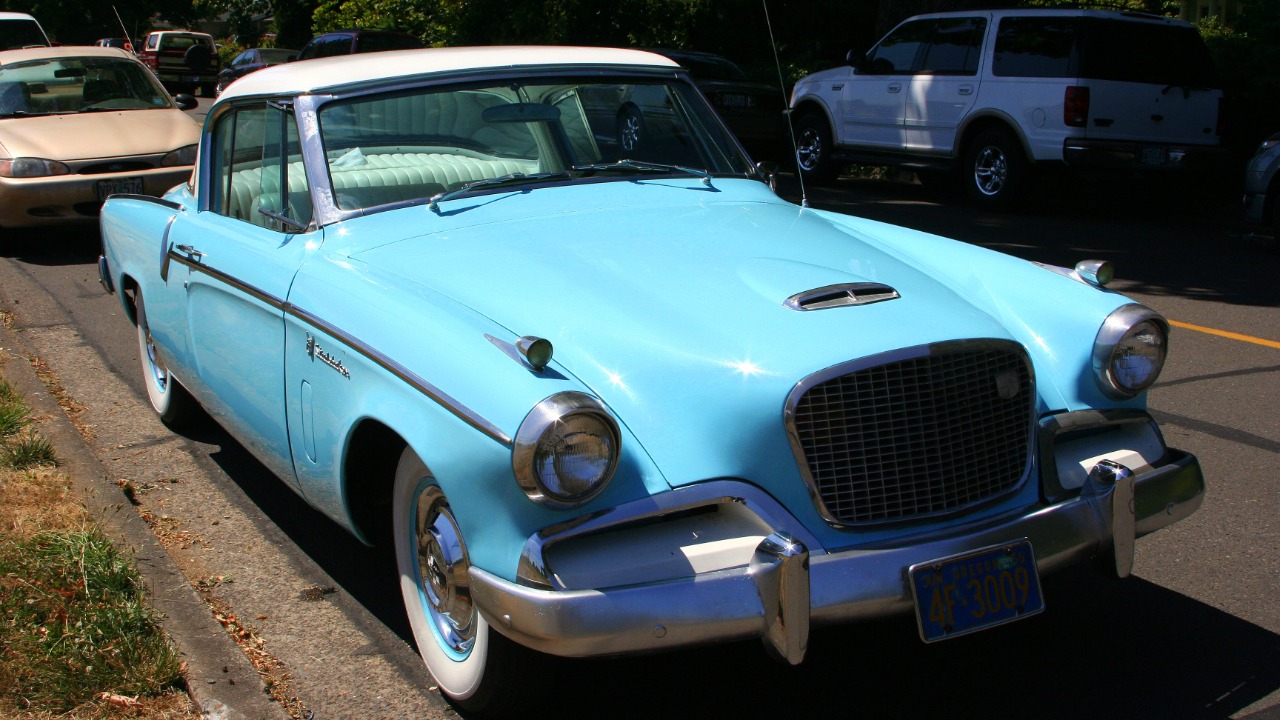
The Sky Hawk was another member of the original 1956 Hawk family and sat toward the more luxurious end of the lineup. It combined the Hawk body with the larger V8 and upscale equipment associated with the President line. Its short production run makes it an especially interesting target for collectors. The Sky Hawk does not have the same instant recognition as the Golden Hawk, but that relative obscurity is precisely why knowledgeable Studebaker enthusiasts value it.
Studebaker Gran Turismo Hawk

The Gran Turismo Hawk represented a major styling update for Studebaker’s long-running Hawk concept. Brooks Stevens redesigned the car for the 1962 model year, giving it a cleaner and more contemporary appearance. It arrived when Studebaker was fighting increasingly difficult financial and market conditions, making its existence especially remarkable. Today, the Gran Turismo Hawk appeals to collectors who want a classic coupe with a design that feels more transitional between the 1950s and 1960s.
Studebaker Daytona
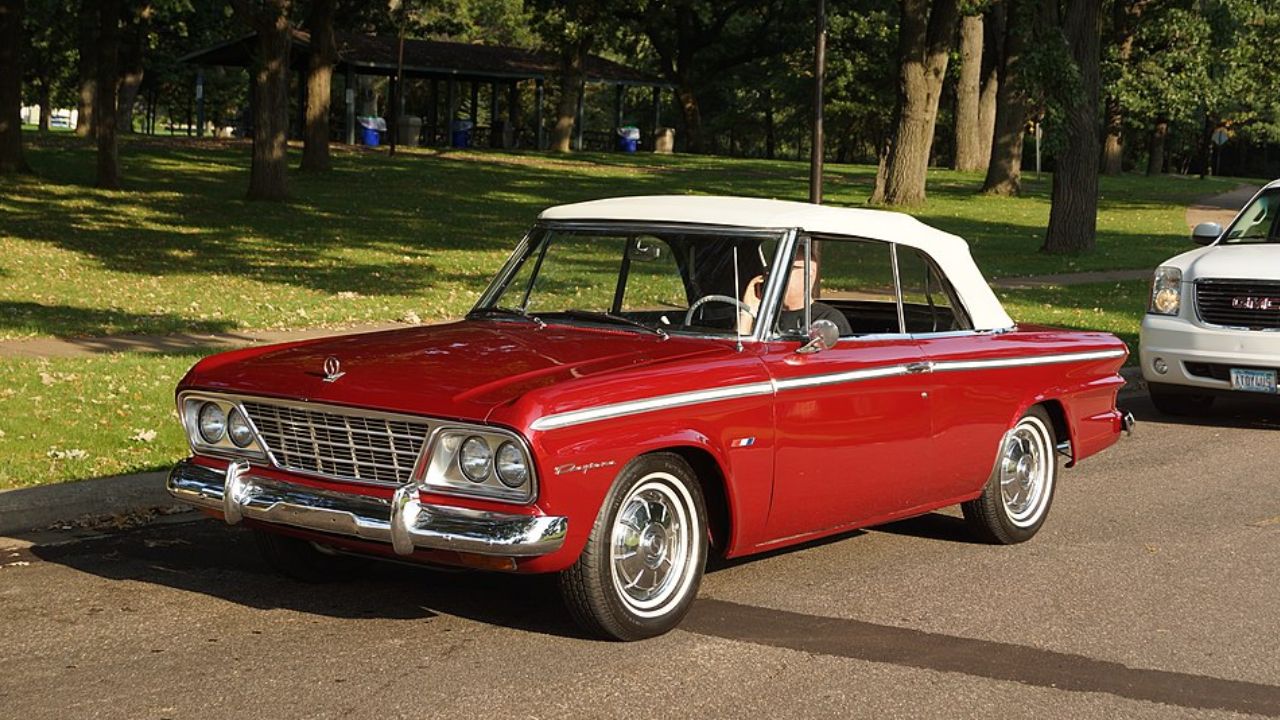
The Daytona name was used on Studebaker’s Lark-based performance-oriented models and later appeared on the company’s final cars. The model combined compact dimensions with sporty equipment, giving Studebaker an interesting alternative to larger American performance cars. The later Daytona Sport Sedan is particularly intriguing because it was among the last Studebakers produced in Canada before the company finally disappeared from the automotive market.
Studebaker Cruiser
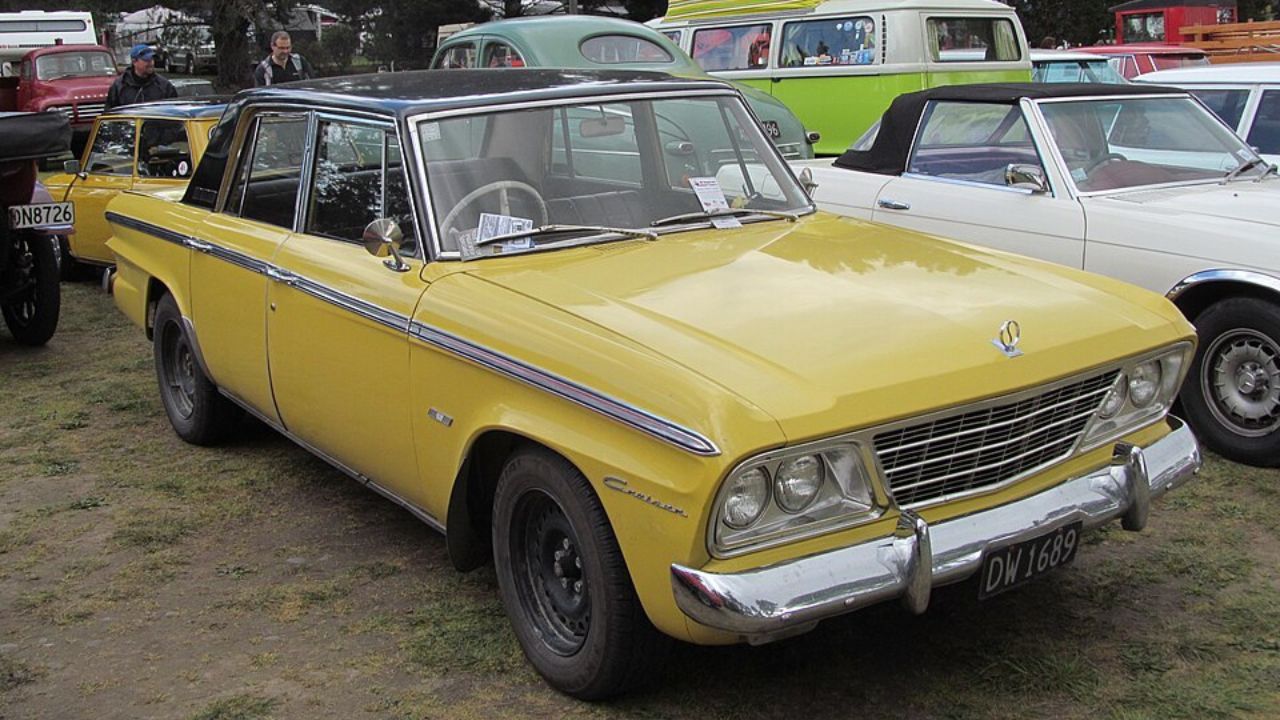
The Cruiser was one of the more unusual members of the Lark family because it offered a compact footprint with a more formal and spacious interior. It remained part of Studebaker’s lineup into the company’s final years, making it an important survivor from the end of the brand’s independent automobile production. Collectors who appreciate automotive history rather than simply horsepower can find the Cruiser particularly rewarding. It represents Studebaker’s attempt to remain competitive while larger manufacturers dominated the market.
Studebaker Wagonaire

The Wagonaire may be one of the most interesting Studebakers ever built because of its unusual sliding roof section above the cargo area. The design allowed owners to carry tall objects without needing a conventional oversized wagon opening. Around 12,000 sliding-roof examples were produced during its run, while later versions introduced additional variations. The Wagonaire’s clever design and unusual appearance have made it increasingly attractive to collectors who enjoy vehicles that tried something genuinely different.
Studebaker Transtar
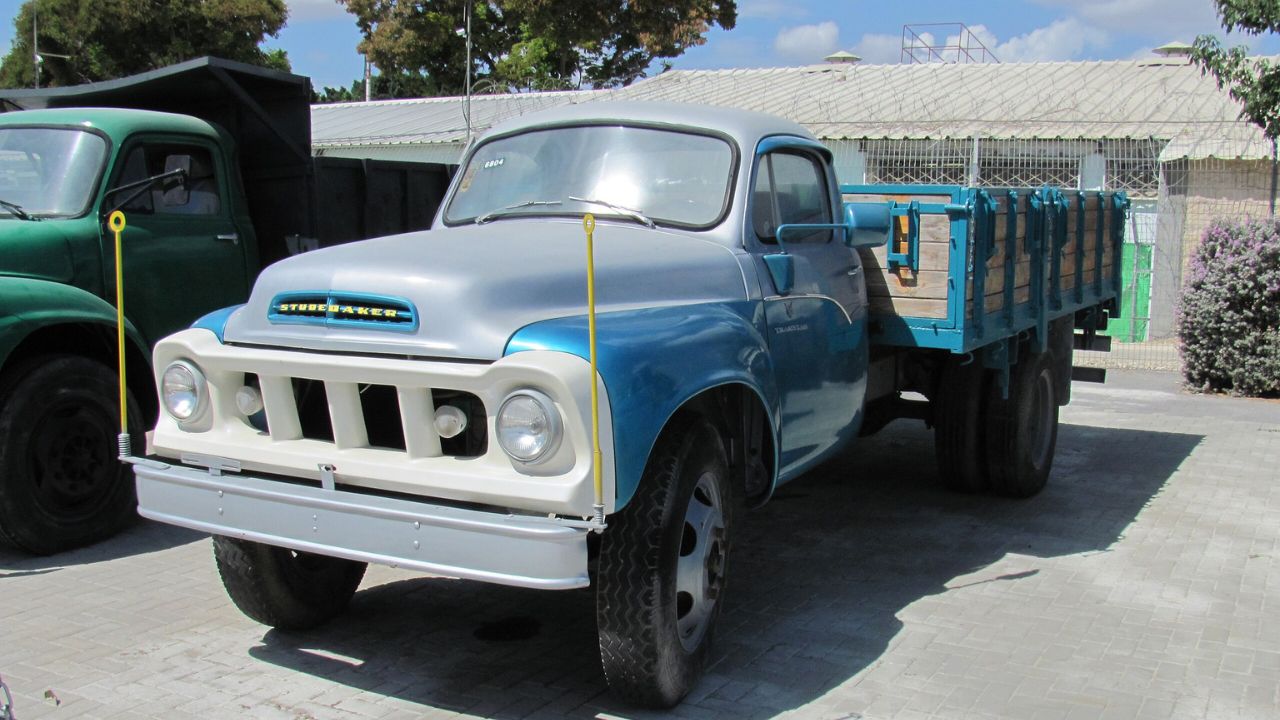
The Transtar was part of Studebaker’s truck lineup and deserves attention from collectors who look beyond passenger cars. The name covered several generations of trucks, giving enthusiasts a range of distinctive designs to consider. These trucks reflected Studebaker’s long history as a manufacturer of commercial vehicles as well as automobiles. A clean Transtar can therefore appeal to both truck collectors and Studebaker enthusiasts, especially because surviving examples are much less common than the better-known Ford and Chevrolet pickups of the same era.
Studebaker Coupe Express
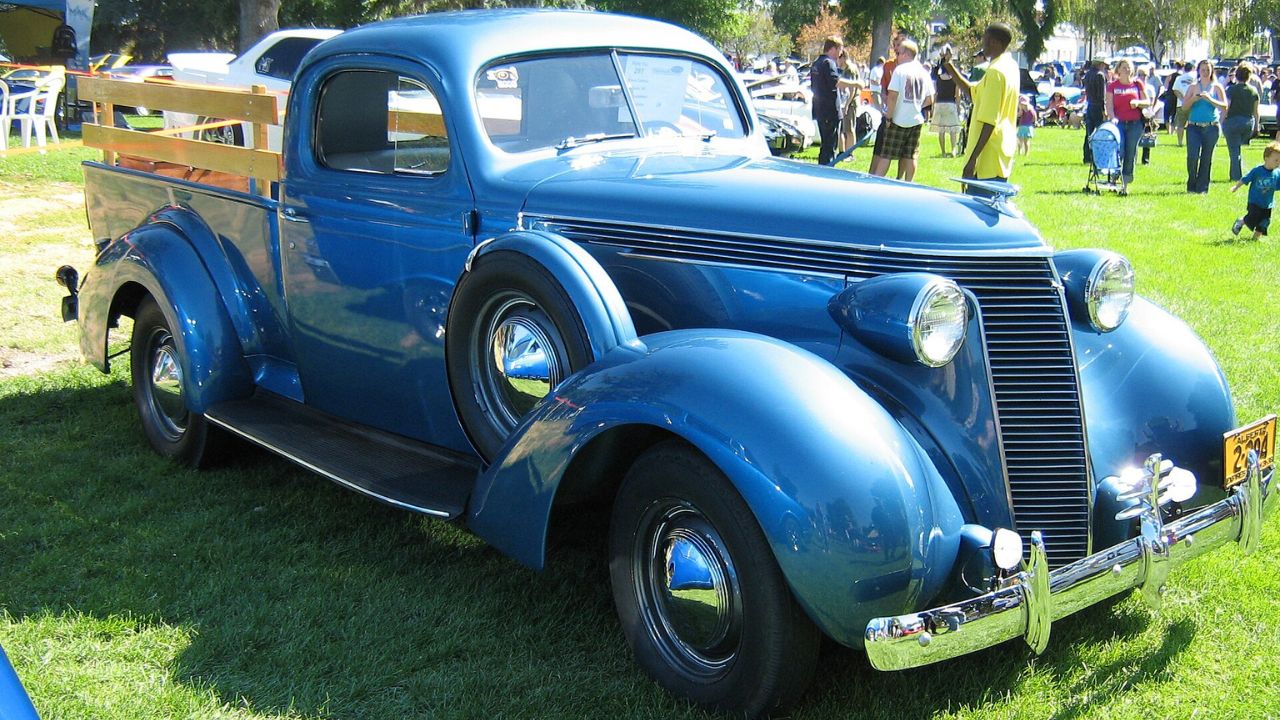
The Coupe Express is one of Studebaker’s most unusual combinations, blending the styling of a passenger coupe with a pickup bed. It appeared during the late 1930s and represents a period when manufacturers were experimenting with ways to combine passenger-car styling and utility. Its unusual proportions make it especially appealing to collectors today. Unlike a conventional pickup, the Coupe Express has a personality that falls somewhere between a classic car and a commercial vehicle, making a surviving example particularly memorable.
Studebaker US6

The US6 is a very different kind of Studebaker and one with enormous historical significance. Studebaker produced these military trucks during World War II, with the design intended for demanding service rather than civilian comfort. The company also produced other military vehicles during this period, including the M29 Weasel. Surviving US6 trucks appeal to collectors interested in military history as well as Studebaker engineering. Their rugged appearance also makes them among the most visually distinctive vehicles associated with the company.
Studebaker Avanti
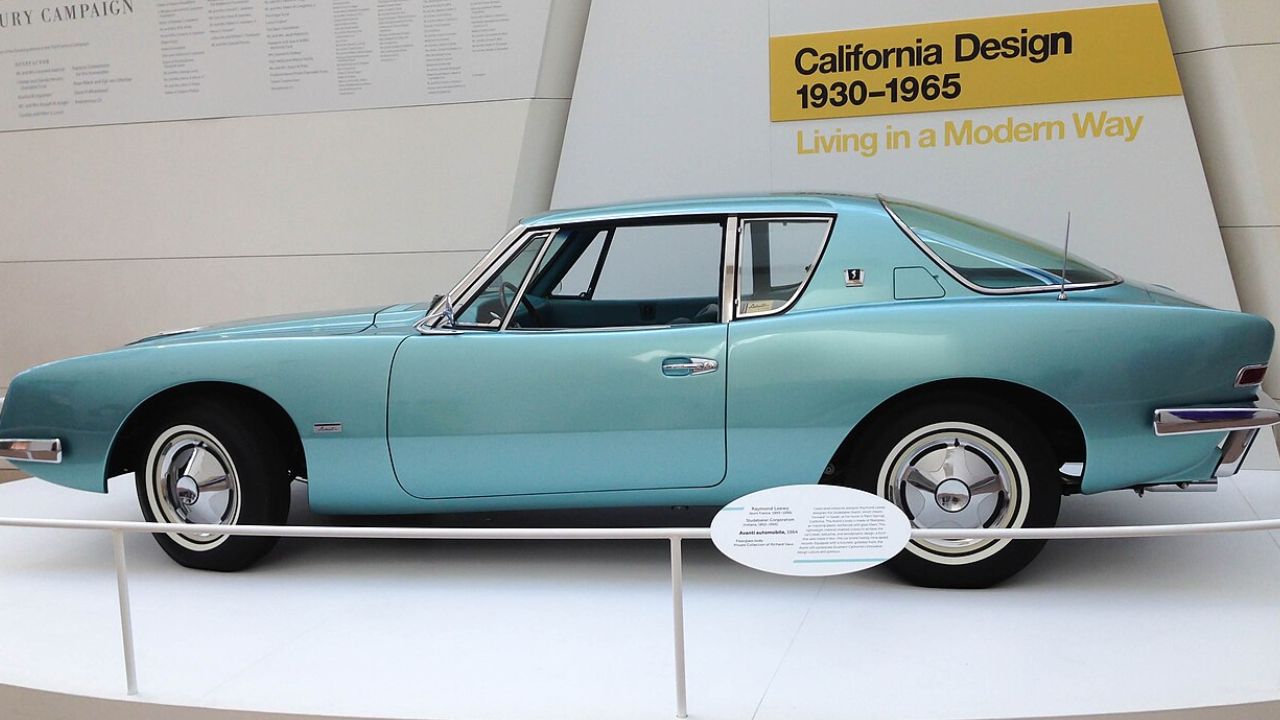
The Avanti remains the ultimate rediscovery for many Studebaker collectors because it was radically different from almost everything else the company sold. Designed by Raymond Loewy’s team, it featured a low, sleek body and was positioned as a high-performance personal luxury car. Studebaker produced fewer than 4,700 examples during the original run, making surviving cars particularly significant. The Avanti also became the basis for continuation cars after Studebaker ended production, further cementing its unusual place in automotive history.
More from Fast Lane Only
- Unboxing the WWII Jeep in a Crate
- 15 rare Chevys collectors are quietly buying
- 10 underrated V8s still worth hunting down
- Police notice this before you even roll window down
*Research for this article included AI assistance, with all final content reviewed by human editors.