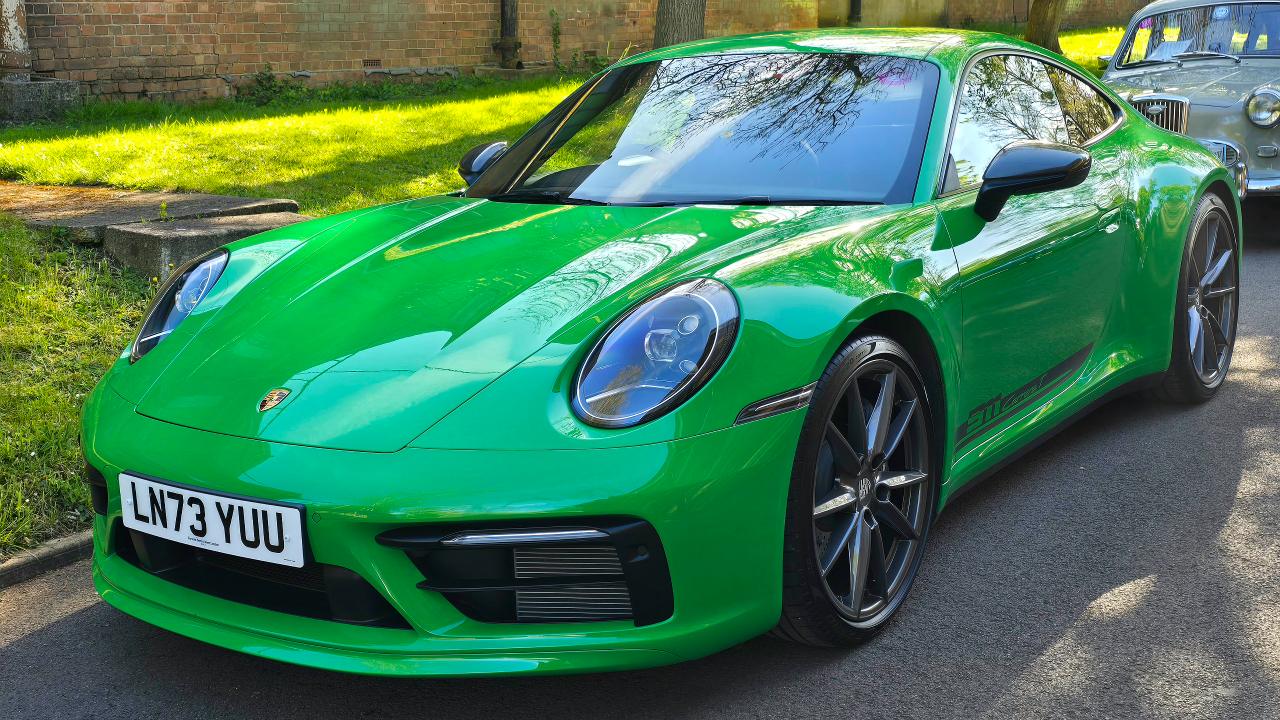
Porsche is working on a paint system that would let a car copy almost any color it “sees,” turning the bodywork into a kind of rolling display rather than a fixed finish. Instead of locking in a shade at the factory or through a custom order, the company is exploring technology that could make exterior color endlessly adjustable, from subtle shifts to dramatic transformations. If it reaches production, it would upend both how drivers personalize their cars and how the industry thinks about safety and manufacturing.
From paint-to-sample to paint that samples the world
Porsche has spent years cultivating a reputation for obsessive color choice, and that context matters for understanding why it is now chasing shape‑shifting paint. Customers can already choose from many predefined colors or, for the 718, 911, and Taycan models, commission their own custom shade through a process that involves lab work, test panels, and sign‑off before a single car is sprayed. The company’s Paint to Sample, often shortened to PTS, resurrects historic hues such as Rubystar and Acid Green and, as Porsche has explained, even expands 911 Paint to Sample choices to more than 160 colors. That level of choice is already rarefied, but it still ends with a single decision that is baked into the car for life.
The current system is also slow and expensive, which is part of the appeal of a dynamic alternative. Reporting on Porsche’s paint programs has highlighted that its Paint to Sample services sit above “Special” color options that cost between $2,580 and $3,270 depending on model, and that some PTS requests can take close to a year as specialists validate and approve new formulas. A separate, even rarer Sonderwunsch route, described by Chris Chilton, can involve one‑off projects that go far beyond the 191 existing PTS colors. Against that backdrop, a car that can change its appearance at the touch of a button, or by sampling a color from the environment, looks less like a gimmick and more like a logical next step for a brand already selling exclusivity by the shade.
How Porsche’s camera‑driven color copying would work
The core of Porsche’s new idea is deceptively simple: use a camera to capture a color in the real world, then reproduce it on the car’s body using a special paint system. In patent filings, the company describes a setup where a camera records a target surface, such as a wall, a piece of clothing, or another vehicle, and then translates that information into control signals for the paint layer. The goal is not just to approximate a tone but to copy any color with enough fidelity that the car effectively becomes a physical display, matching what the camera sees in real time or on demand. One report on the patent notes that Porsche explicitly positions this as a step beyond earlier e‑Ink experiments, acknowledging the innovation of Ink‑based panels but aiming for a richer, more flexible palette.
To make that possible, the paint itself would need to be more than a static pigment. Porsche’s engineers describe a multilayer structure that can be electrically stimulated so that different particles move or reorient, changing the way light is reflected. Earlier work from the company on color‑changing exteriors has referenced positively charged contrast particles in a second color that can be driven to the surface, a concept that echoes how some e‑Ink displays operate but with the promise of Tech Would Allow Real Colors, Not Just Black And White. In the new camera‑guided version, that principle is combined with sensing and control electronics so the car can not only switch between presets but also “learn” new colors from its surroundings.
Beyond black and white: from e‑Ink demos to full‑color skins
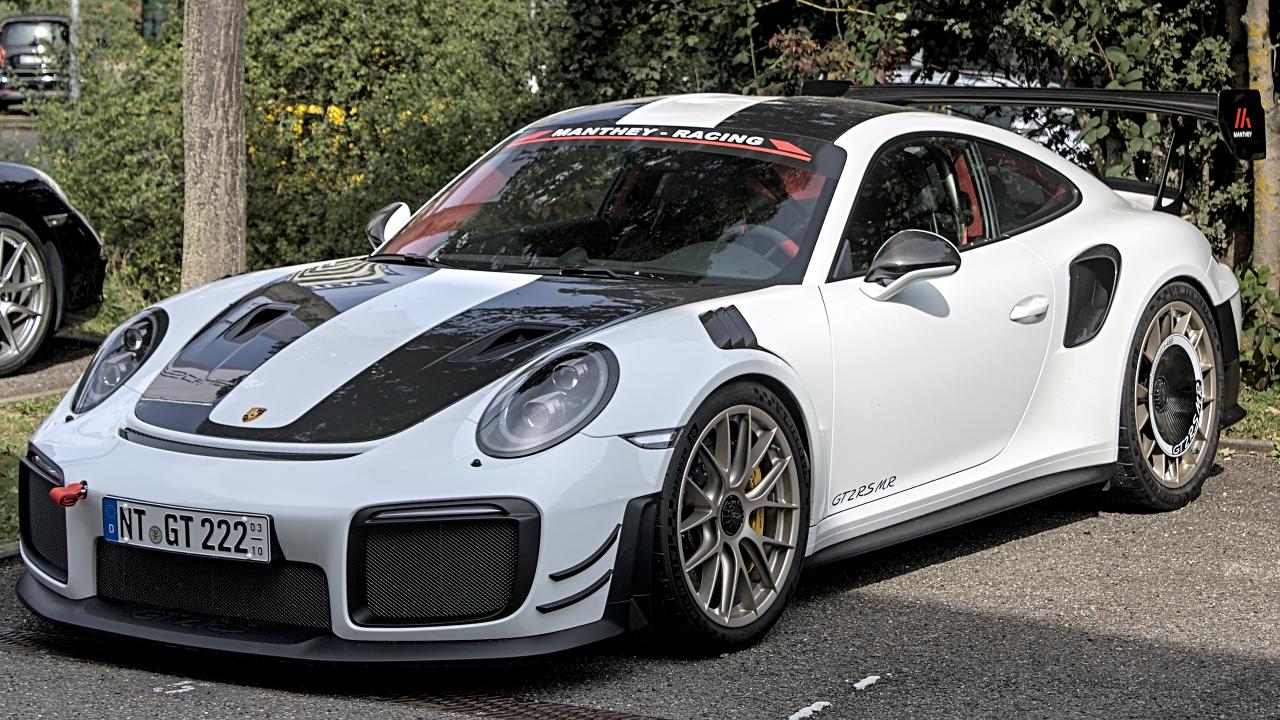
Dynamic car exteriors are not entirely new, but they have so far been limited and mostly monochrome. When BMW showed a color‑changing SUV using e‑Ink panels, the effect was dramatic but constrained to grayscale patterns that shifted between black and white segments. Viral clips of “revolutionary” paint, including one demonstration where a presenter reacts with “Whoa” as a surface made out of Ink changes appearance like a Kind of electronic paper, have helped popularize the idea that bodywork could behave like a screen. Those systems, however, are closer to wrapping a car in display tiles than to rethinking paint itself.
Porsche’s recent patents suggest it wants to move past that stage and embed the effect directly into the coating. Earlier this year, the company outlined a safety‑oriented concept that would let a vehicle change color to improve visibility, again using a layered structure with electrically controlled particles and stressing that Tech Would Allow Real Colors, Not Just Black And White. The newer camera‑based proposal builds on that foundation, pointing toward a future where the same technology that can flash high‑contrast warnings could also quietly shift a Taycan or 911 from a muted urban tone to a vivid weekend shade. In other words, the leap is from a binary trick to a full‑color skin that behaves more like a living material than a fixed finish.
What Porsche’s existing one‑offs reveal about the next step
While the camera‑driven system is still at the patent stage, Porsche’s current showpieces hint at how seriously it takes experimental finishes. Together with Porsche Asia Pacific, the Sonderwunsch experts at Porsche Exclusive Manufaktur created a Taycan Turbo S Celestial Jade that uses a special pigmented paint to mimic the way precious gemstones shift under changing light. The color, inspired by jade, appears to transform as the viewer moves around the car or as illumination changes, a deliberate attempt to capture what the company describes as the “miraculous transformation” of stones when seen from different angles. That project, developed under the Sonderwunsch banner, shows Porsche already treating paint as a dynamic surface rather than a flat coat.
Another Celestial Jade description emphasizes that the effect depends on how the pigments interact with light and viewing angle, not electronics, but the philosophy is similar to what the patents envision. Created through the Sonderwunsch program, the Taycan Turbo S Celestial Jade is positioned as a one‑off, yet it demonstrates that customers are willing to pay for finishes that feel alive and context dependent. When I look at that car alongside the camera‑based color copying concept, the throughline is clear: Porsche is steadily moving from static but complex paints, like Celestial Jade, to finishes whose behavior can be actively controlled. The patents simply add sensors and voltage to an obsession that is already visible in metal.
Safety, regulation, and the road to production
For all the excitement around endlessly adjustable color, Porsche is also framing the technology as a safety tool, which could be crucial for regulators. In the safety‑focused patent, engineers describe using the color‑changing surface to make a car more visible to other road users, for example by increasing contrast in poor weather or highlighting parts of the body that indicate braking or turning. The same positively charged particles and layered structure that enable playful customization could, in theory, help prevent collisions by making vehicles stand out against complex backgrounds. That dual use, personalization and protection, may be what convinces authorities that this is more than a cosmetic gadget.
There are still major hurdles. Traffic laws in many markets restrict flashing lights, reflective materials, and even certain hues for civilian vehicles, and a car that can copy any color raises questions about impersonating emergency services or confusing other drivers. Manufacturing is another challenge, although advances in automated painting, such as ABB’s PixelPaint technology at a Mercedes‑Benz plant that applies detailed designs with high accuracy while reducing emissions and material use, show how quickly paint processes are evolving. If Porsche can align its camera‑driven system with those kinds of precise, efficient production methods, the leap from patent to production Taycan or 911 may be less far‑fetched than it first appears. For now, the company’s own history with Paint to Sample, Sonderwunsch one‑offs, and experimental finishes suggests that when adjustable color finally reaches the road, it will arrive on a Porsche.
More from Fast Lane Only: