Ram is trying to sell two futures at once: a roaring V8 that feels like a defiant throwback, and a quiet electric tomorrow that its leadership insists is inevitable. The company’s chief executive, described as a V8 loyalist, has been unusually blunt that electrification is “fantastic” and will ultimately dominate, even as Ram scrambles to build enough eight‑cylinder trucks to satisfy demand. That tension between heritage and horizon is reshaping not only Ram’s lineup but the emotional contract it has long held with truck buyers.
I see in Ram’s current strategy a revealing case study in how legacy automakers are trying to bridge that divide without alienating the customers who still equate power with displacement. The brand is celebrating the return of its big engine at the same time its leadership compares the shift to electric vehicles to the way the car once displaced the horse and carriage, arguing that the new technology will win because it is better, not because regulators are forcing it.
V8 nostalgia meets an electric inevitability
Ram’s leadership is not hiding its affection for the traditional truck formula, and that matters because it signals to loyalists that their preferences are understood rather than dismissed. The chief executive has been characterized as “V8‑loving,” a label that only resonates because Ram’s identity has been built around burly eight‑cylinder pickups that tow, haul, and sound the part. When I look at how the company talks about that heritage, it is clear that the V8 is being framed as a cultural touchstone as much as a powertrain choice, a way to reassure long‑time buyers that the brand still speaks their language even as it prepares them for change.
At the same time, that same executive is on record saying “electrification is fantastic” and predicting that it “will take over,” a striking admission from someone so closely associated with the old-school truck ethos. He has drawn a direct analogy to the way the car replaced the horse and carriage, arguing that the transition happened because the new technology was better, not because anyone was “forcing a bad technology.” That framing matters, because it positions electric trucks not as a regulatory burden but as a superior product that will win on merit once customers experience the benefits.
Customer demand keeps the V8 alive
For all the talk of an electric future, Ram’s recent decision to revive the V8 shows how powerful current demand remains. After bringing the eight‑cylinder back to its truck lineup, the company has found that it “cannot build them fast enough,” a blunt measure of how strongly buyers are voting with their wallets. When I weigh that reality against the rhetoric about electrification, I see a brand that is being pulled in two directions at once, trying to satisfy immediate appetite for familiar powertrains while not losing sight of where its own leadership believes the market is heading.
The company’s chief executive, Tim Kiscus, has effectively acknowledged that the market is speaking through those V8 orders, and that Ram has to listen. That surge in demand is not just about horsepower figures, it is about trust and perceived capability in a segment where towing a trailer or hauling a load is part of daily life. The fact that Ram is struggling to keep up with production of these engines underscores how far the industry still has to go before electric trucks can match the emotional and practical confidence that a large displacement engine currently provides for many buyers.
Packaging, comfort, and the case for change
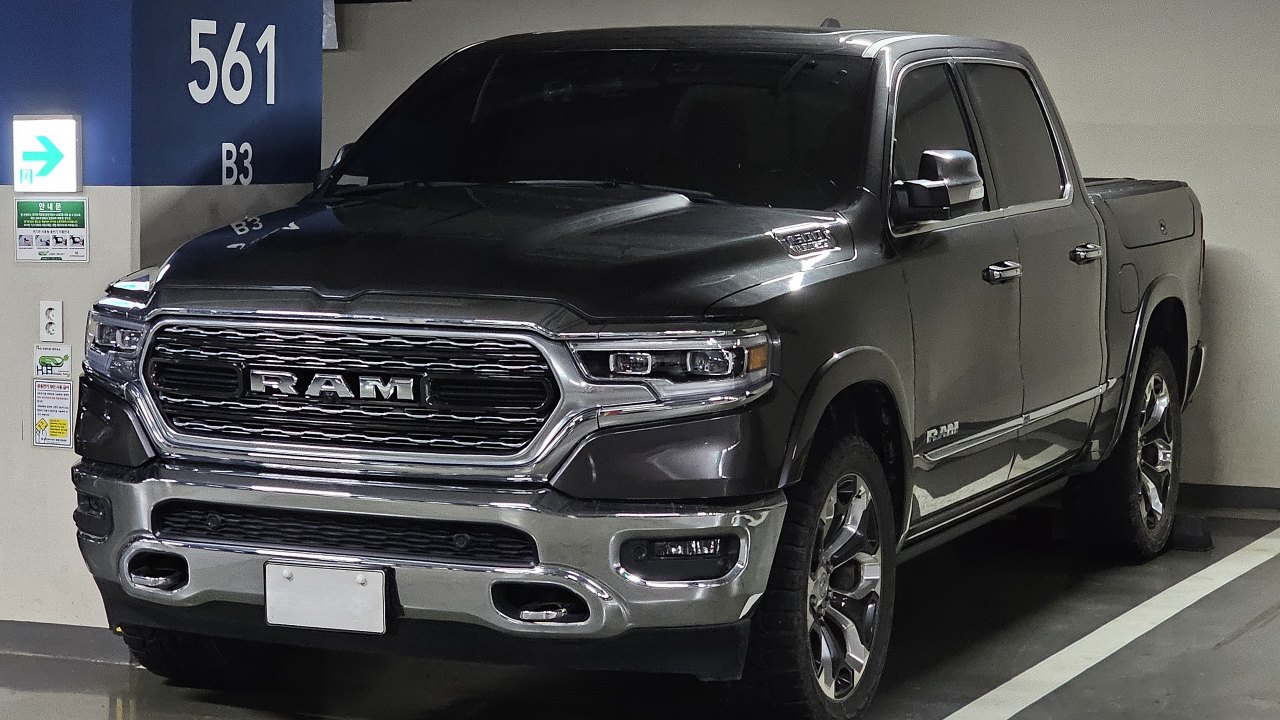
Even as Ram leans into its V8 resurgence, the company is quietly building the case that its trucks can win on more than just cylinder count. In detailed walk‑throughs of its current models, reviewers have highlighted the interior packaging of the Ram as a standout, praising the cabin space and layout as a clear advantage over rivals such as the Chevy. When I consider those comparisons, I see Ram trying to shift the conversation toward comfort, usability, and design, attributes that translate directly to electric platforms where instant torque and low noise can further enhance the experience.
That focus on interior space and refinement is not incidental, it is a preview of how Ram can sell electric trucks as a step up rather than a compromise. If a buyer already sees the Ram as roomier and more thoughtfully packaged than a competing Chevy, it becomes easier to argue that an electric version of that same truck will be an upgrade in daily livability. By emphasizing strengths like cabin comfort and smart packaging today, Ram is laying the groundwork for a future in which the absence of a V8 is offset by gains in quietness, storage flexibility, and technology integration that electric architectures naturally enable.
The “better horse” argument for EV trucks
Underpinning Ram’s public stance on electrification is a simple but powerful narrative: the idea that the electric truck will succeed because it is better, not because customers are coerced into buying it. In a separate discussion of the industry’s direction, the analogy was drawn that “the car displaced the horse because it was better,” followed by the assertion that “the electric car is going to be better.” I find that comparison revealing, because it reframes the EV transition from a compliance exercise into a competitive race, one where range, charging convenience, and total cost of ownership must surpass what combustion trucks offer today.
That same commentary went further, warning that buyers “have been bamboozled” into thinking the electric car would not measure up, a sentiment that directly challenges skepticism in the truck community. By invoking the horse‑to‑car shift, Ram’s leadership and aligned voices are effectively telling customers that resistance will fade once the practical advantages become obvious, just as no one today seriously argues for a return to horse‑drawn transport. It is a bold claim, but it aligns with the company’s insistence that electrification will “take over,” suggesting that Ram sees its long‑term competitiveness as tied to how convincingly it can make that “better horse” case to a deeply traditional audience.
Balancing heritage with a credible roadmap
What emerges from these seemingly conflicting signals is a deliberate balancing act. On one side, Ram is celebrating the return of its V8, with Tim Kiscus acknowledging that the company cannot build the engines quickly enough to meet demand and that customers are “speaking with their wallets.” On the other, the brand’s V8‑loving chief executive is openly championing electrification as the technology that will ultimately dominate, invoking the horse‑and‑carriage analogy to argue that the shift will be driven by product superiority rather than regulatory pressure. I read that dual message as an attempt to keep one foot firmly planted in the present while steering the other toward an electric horizon.
For Ram, the risk is that leaning too hard into nostalgia could slow investment and erode credibility on its electric ambitions, while pivoting too abruptly could alienate the very buyers who are currently sustaining its business with V8 orders. The company’s emphasis on interior packaging advantages over rivals like Chevy, its public praise for the V8’s enduring appeal, and its confident predictions about electric trucks all point to a strategy that tries to honor heritage without being trapped by it. If Ram can convince its core customers that an electric pickup is not a betrayal of the brand’s identity but the next logical step in the same pursuit of capability and comfort, then the V8 it is celebrating today may be remembered less as a last stand and more as a bridge to the trucks that will define its future.
More from Fast Lane Only