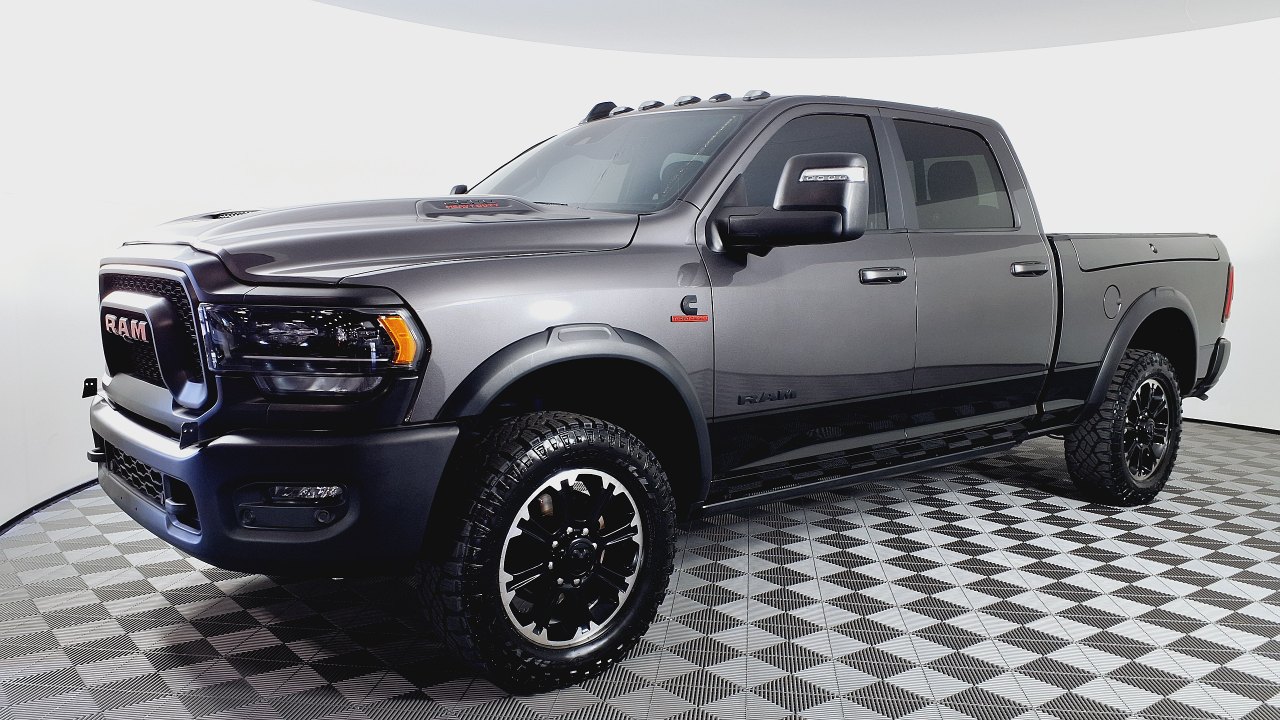
Ram is recalling tens of thousands of its newest heavy duty pickups after discovering a software problem that can quietly shut down key crash protection systems. The action affects more than 52,000 Ram 2500 and 3500 trucks, and it centers on a faulty control module that can disable airbags, seat belt pretensioners, and electronic stability control without warning.
The recall underscores how a single software defect can undermine multiple layers of safety in modern vehicles, especially in large pickups that already carry significant crash energy. It also raises fresh questions about how quickly automakers catch and correct problems in complex electronic systems that now sit at the heart of every new truck.
What Ram is recalling and why it matters
Ram is calling back 52,565 of its latest heavy duty pickups after identifying a defect in the module that manages several restraint and stability systems. Reporting on the campaign describes it as a problem with a Faulty Safety Module Causing Airbag and other protection features to stop working, which is a serious concern in vehicles that are often used for towing, hauling, and commercial work. Another detailed breakdown characterizes the campaign as an URGENT safety issue affecting 52,565 Heavy Duty Trucks Affected, highlighting the scale and severity of the problem.
Several analyses put the scope of the campaign at just over 52,000 vehicles, with one summary noting Over 52,000 brand new Ram trucks involved and another describing 52,500 Ram HD Trucks Recalled for Airbags, Seat Belt Pretensioners. A separate technical overview again cites the precise figure of 52,565 affected units and ties it to a triple safety failure in the trucks’ control electronics. Taken together, the reporting paints a consistent picture of a large scale recall focused on a single, but critical, electronic brain inside Ram’s heavy duty lineup.
The triple safety failure inside the trucks
At the center of the recall is a module that oversees the trucks’ restraint systems and stability control, and the defect appears to strike at all three at once. One technical explainer notes that a module controlling some of the restraint systems in Ram’s HD trucks could be faulty, describing how it can interfere with airbag deployment and related functions in certain conditions, with the deactivated ESC also part of the risk profile. Another detailed account explains that a faulty safety module could deactivate stability control and airbags in the affected pickups, making clear that the problem is not limited to a single component but to the coordination of multiple safety layers.
More granular reporting on the campaign describes it as a triple safety failure in which the Occupant Restraint Controller, or ORC, can stop functioning entirely. In that scenario, the airbags may not deploy, the seat belt pretensioners may not tighten, and the electronic stability control can be left inactive, all at the same time. The same breakdown of the Recall December campaign warns that this combination can be fatal in a collision, especially in a heavy duty truck that carries more mass and can transfer more force in a crash. When I look across the various technical descriptions, the common thread is that a single software or electronic fault in the ORC module can quietly take multiple lifesaving systems offline at once.
Which Ram trucks are affected and how big the risk is
The recall targets Ram’s heavy duty pickups, specifically the Ram 2500 and Ram 3500 models from the latest model year. Several reports describe the campaign as focused on 2025 HD trucks, with one analysis stating that Ram is recalling 52,565 heavy duty pickups in North America because a faulty safety module could deactivate stability control and airbags. Another breakdown refers to 52,500 Ram HD Trucks Recalled for Airbag and seat belt pretensioner issues, again tying the problem to the newest generation of the brand’s workhorse models. A separate summary notes that over 52,000 brand new Ram trucks are involved, reinforcing that this is not an aging fleet problem but one affecting trucks that have only just reached customers.
The safety implications are significant because these vehicles are often used to tow trailers, carry heavy loads, and transport families over long distances. One report points out that the affected pickups are among America’s top selling vehicles, describing them as America‘s 4th best-selling vehicle, which means the defect touches a large and visible slice of the truck market. When I weigh the technical descriptions of the ORC failure against the real-world use of these trucks, the risk is not abstract: a disabled airbag or stability system in a loaded Ram 3500 on the highway is a very different proposition from the same failure in a small city car.
How owners can check their VIN and get repairs
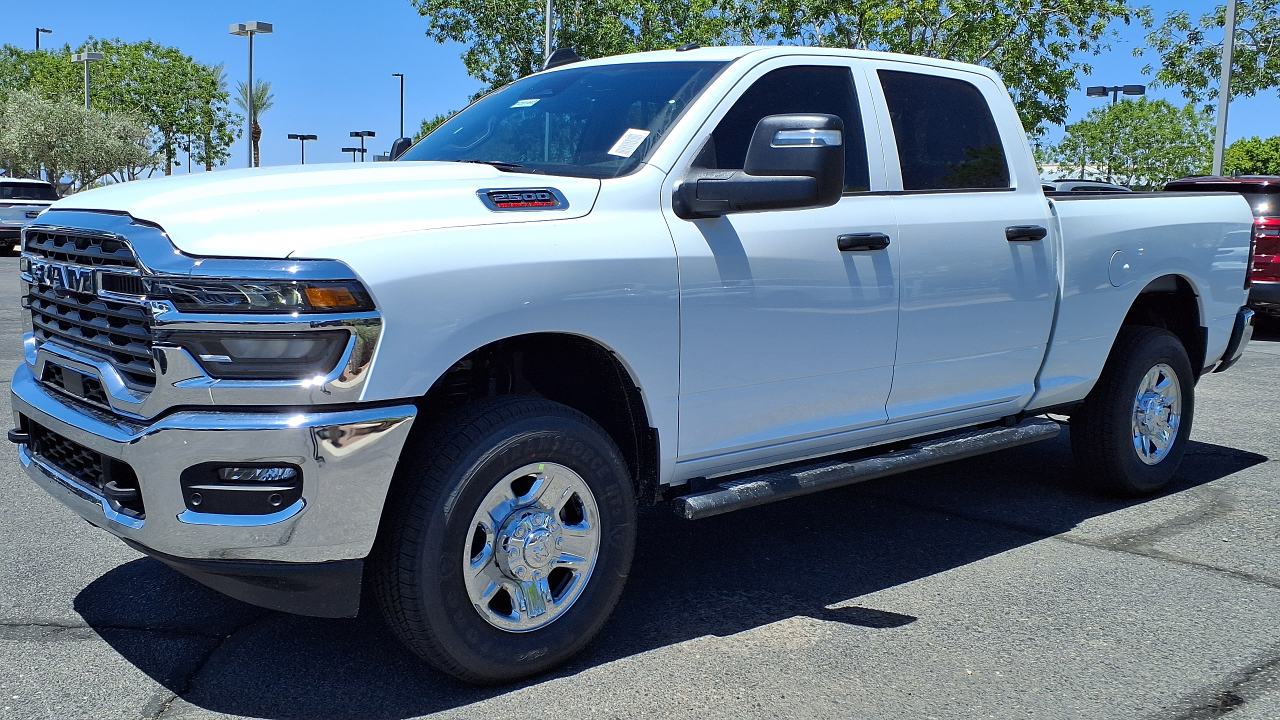
For owners, the most urgent step is to confirm whether their truck is part of the recall and then schedule the fix as soon as possible. The National Highway Traffic Safety Administration maintains a centralized recall lookup where drivers can enter their 17 digit vehicle identification number and see if any open campaigns apply to their vehicle. Guidance for similar Stellantis related recalls directs drivers to the National Highway Traffic Safety Administration website and its VIN search tool, which is accessible through the agency’s main recalls portal. In addition, earlier recall notices for Ram trucks have encouraged Owners to visit recalls.mopar.com or vinrcl.safercar.gov/vin to check their status, and that same pattern is likely to apply here.
Once a truck is confirmed as affected, the remedy is expected to involve reprogramming or replacing the faulty module at no cost to the owner. Reporting on the current campaign notes that Ram will notify customers and that repair appointments should be available through franchised dealers, with some summaries indicating that letters are expected to reach owners by around mid-January. In the meantime, I would advise any driver who suspects their truck is involved to reduce unnecessary driving, especially heavy towing, until the repair is completed. The combination of disabled airbags, inactive seat belt pretensioners, and deactivated stability control is precisely the kind of layered failure that modern safety engineering is designed to avoid, which makes prompt action all the more important.
What this recall signals about modern truck safety
Beyond the immediate repairs, the Ram campaign highlights how dependent modern pickups have become on complex software and integrated control modules. A generation ago, an airbag problem might have been confined to a single inflator or sensor, but the current reporting shows that a single faulty ORC can simultaneously affect airbags, seat belt pretensioners, and electronic stability control. Technical coverage of the defect, including the description of a module controlling some of the restraint systems that can be faulty, illustrates how intertwined these systems now are. When I look at the language around a triple safety failure and the need for an urgent response, it is clear that software quality and module redundancy are now as central to crash safety as steel structure and crumple zones.
The recall also fits into a broader pattern of large scale safety campaigns involving Ram and other Stellantis brands, where centralized tools and federal oversight have become essential for keeping owners informed. Prior recall coverage has emphasized that Owners should proactively use online portals such as recalls.mopar.com and the National Highway Traffic Safety Administration VIN search to stay ahead of emerging issues, rather than waiting for a letter to arrive. In that sense, the current Ram heavy duty truck recall is both a warning and a stress test: a warning that even brand new, top selling trucks can harbor critical software flaws, and a test of how quickly the company, regulators, and drivers can work together to close the safety gap for all 52,565 affected vehicles.
More from Fast Lane Only: