In the 1960s, a rare Japanese sports car often meant a few hundred hand-finished cars built mainly for buyers at home. Honda, Nissan, Toyota, Mazda and Isuzu each built one, and some never left Japan officially at all.
These six run from Honda’s first real car to a Giugiaro coupe built by hand at about ten a week. Each entry gives the production figure the maker or a marque historian reports, and says plainly where those counts disagree.
1. 1964 Honda S500
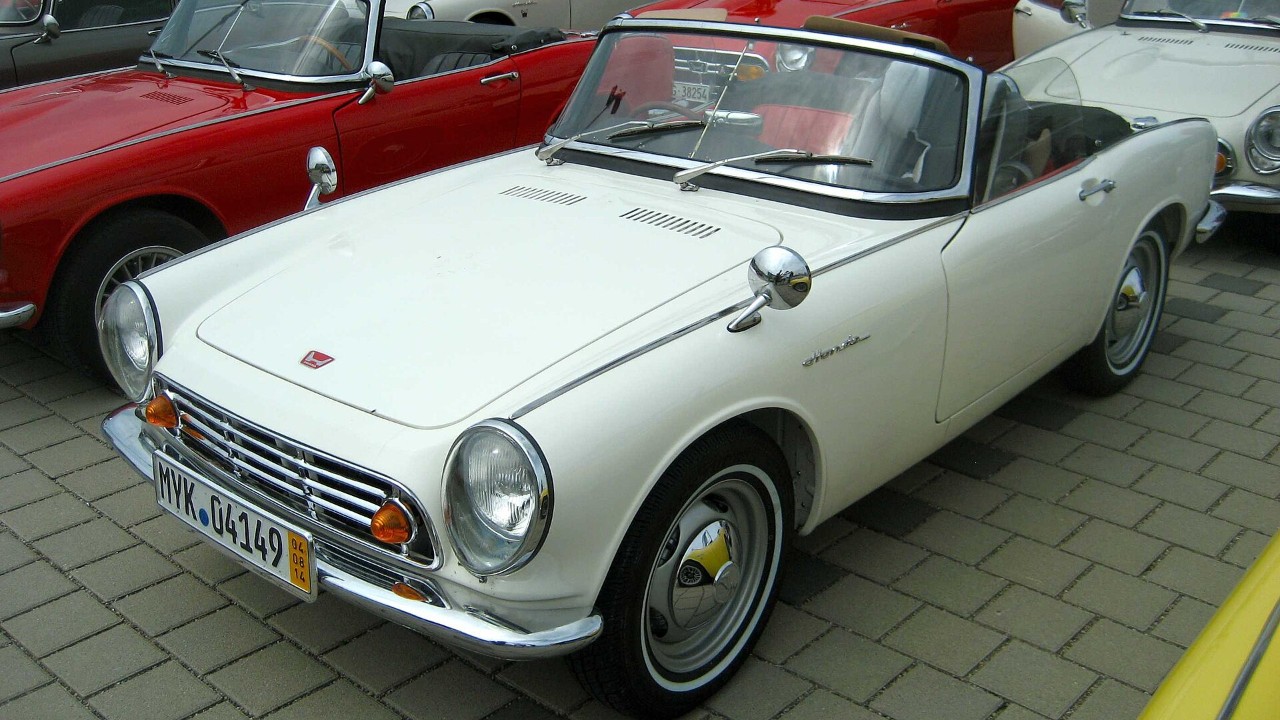
Honda was best known for motorcycles when it showed the S500, its first non-kei car, at the 1963 Tokyo Motor Show. Before that, it had shown the smaller S360 in 1962 as a kei-class car. However, Honda judged the kei sports car market too narrow. So the slightly larger S500 became the production car, and sales began in January 1964.
Its 531 cc four made 44 hp, with one carburetor per cylinder. At the back, chains ran inside the trailing-arm casings to drive the rear wheels, says Curbside Classic’s S500 history. The S600 replaced it within months. Even the count is uncertain: English-language sources claim over 1,300, while the Japanese sources the author found say about 500.
2. 1964 Honda S600 Coupe, the rare Japanese sports car with a roof
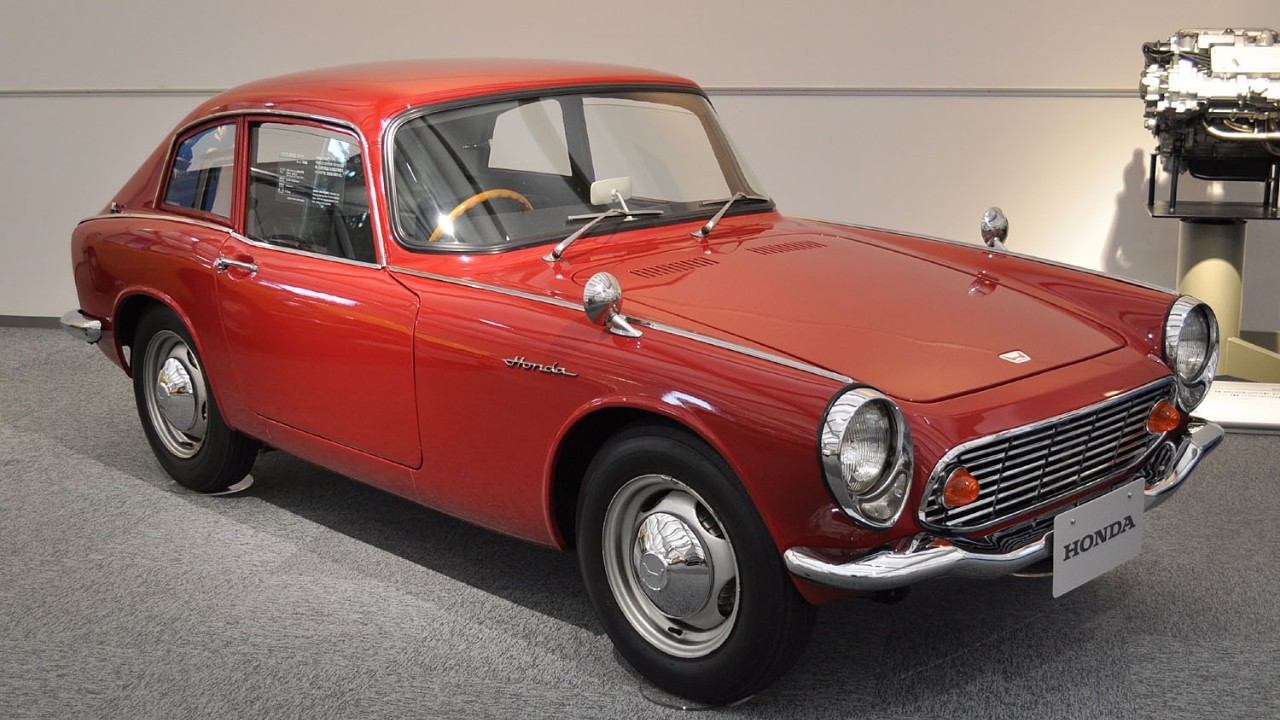
The S600 grew the engine to 606 cc and 57 hp at 8,500 rpm. Most buyers took the open car. Still, Honda also offered a fixed-roof coupe, and that body is the scarce one today.
According to Curbside Classic’s history of the Honda S600, total S600 production from 1964 to 1966 came to 13,084 cars. Of those, 11,284 were convertibles and just 1,800 were coupes. In other words, fewer than one S600 in seven left the factory with a steel roof.
3. 1965 Nissan Silvia CSP311
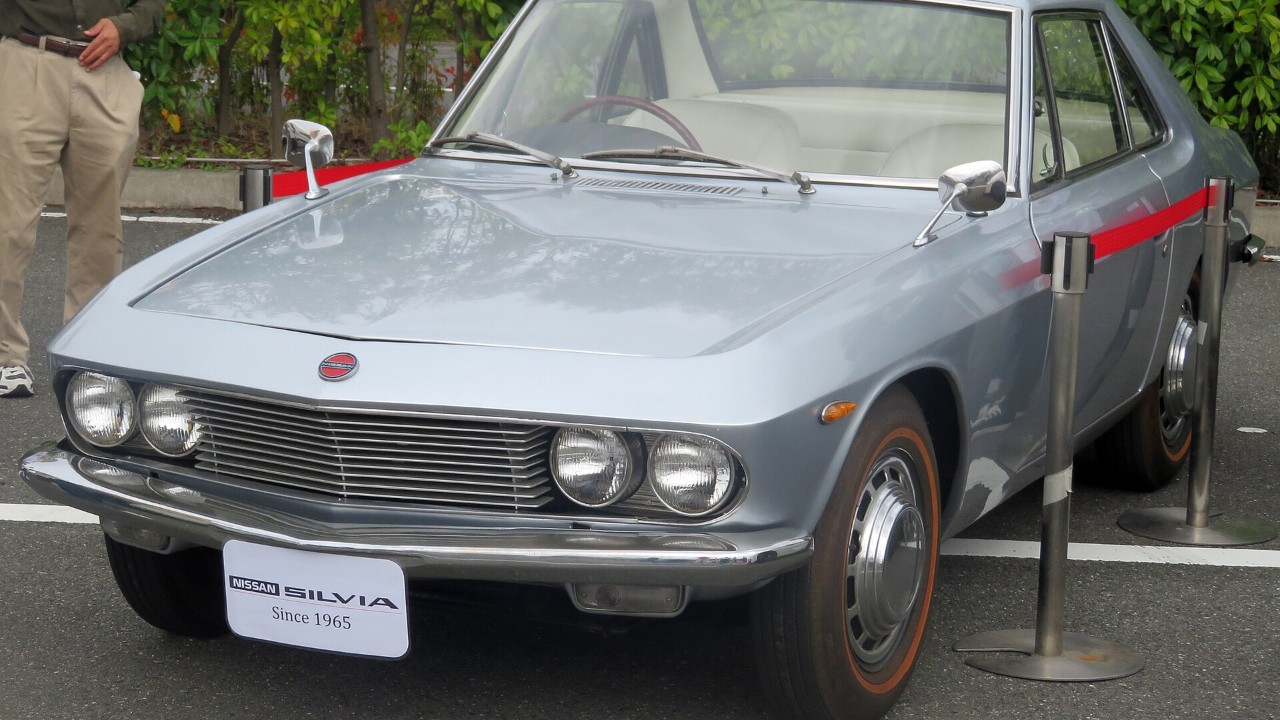
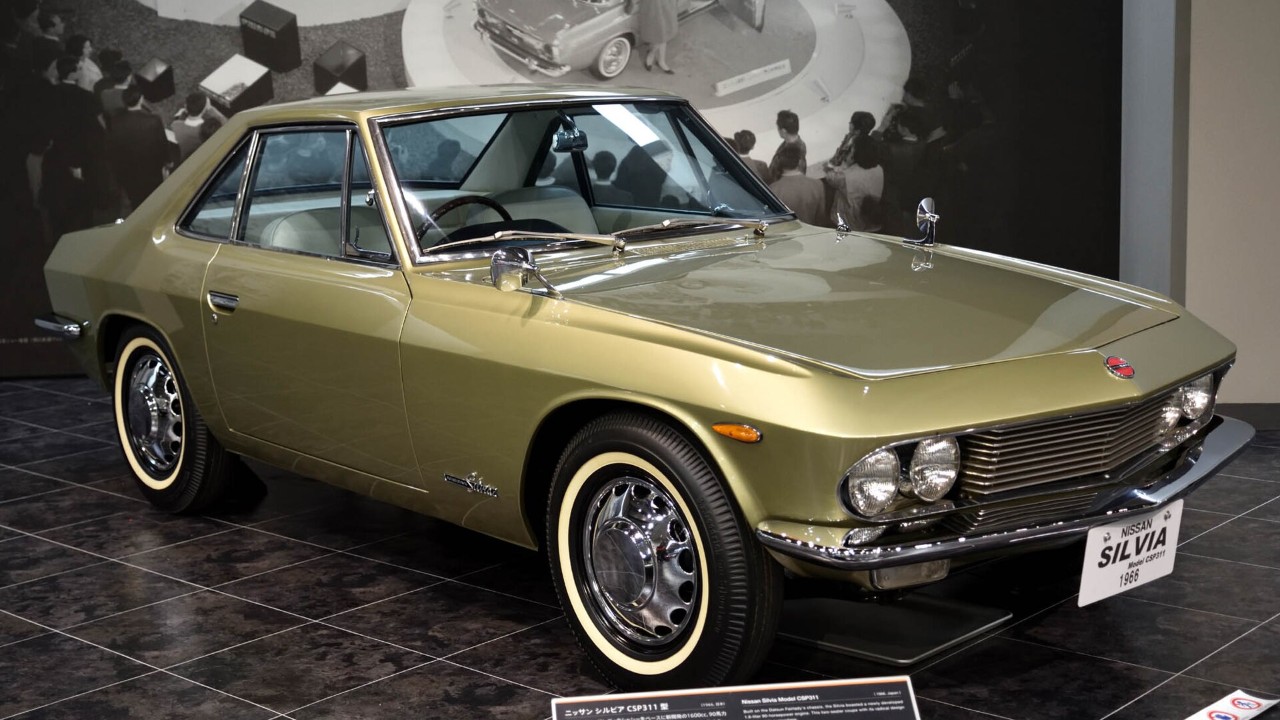
Nissan introduced the Silvia in 1965 as a coupe on the chassis of the Datsun Fairlady 1600 roadster. Nissan’s in-house designers, K. Kimura and F. Yoshida, drew it with advice from consultant A. Goertz. Workers then finished the nearly seamless body largely by hand.
Power came from the 1,595 cc R four with twin SU carburetors. That engine made 90 PS at 6,000 rpm and 132 Nm of torque, according to the Nissan Heritage Collection entry for the Silvia CSP311. Nissan says it built approximately 550 over four years. In other words, Nissan averaged fewer than 140 Silvias a year.
4. 1965 Toyota Sports 800
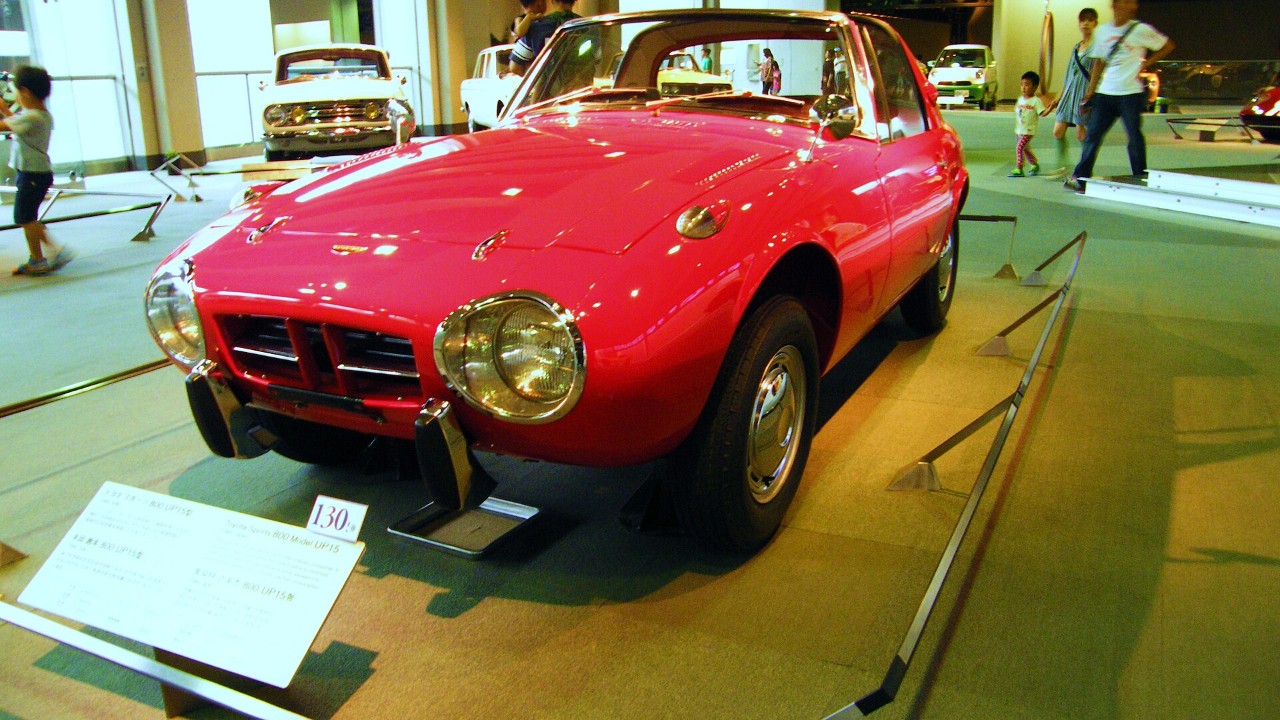
Toyota made about 300 Sports 800s in left-hand drive for American military personnel on Okinawa. Otherwise, Toyota never officially sold or exported the car outside Japan. In total, Kanto Auto Works built 3,131 between 1965 and 1969.
The car grew out of the Publica Sports concept from the 1962 Tokyo show. Its 790 cc air-cooled flat-twin made 45 bhp in a car of about 580 kg, says Toyota UK’s history of the Sports 800. Chief engineer Tatsuo Hasegawa had an aircraft background, and the roof panel lifted off and stowed in the trunk. Then, at the 1967 Fuji 24-hour race, a Sports 800 finished third behind two Toyota 2000GTs.
5. 1967 Mazda Cosmo Sport
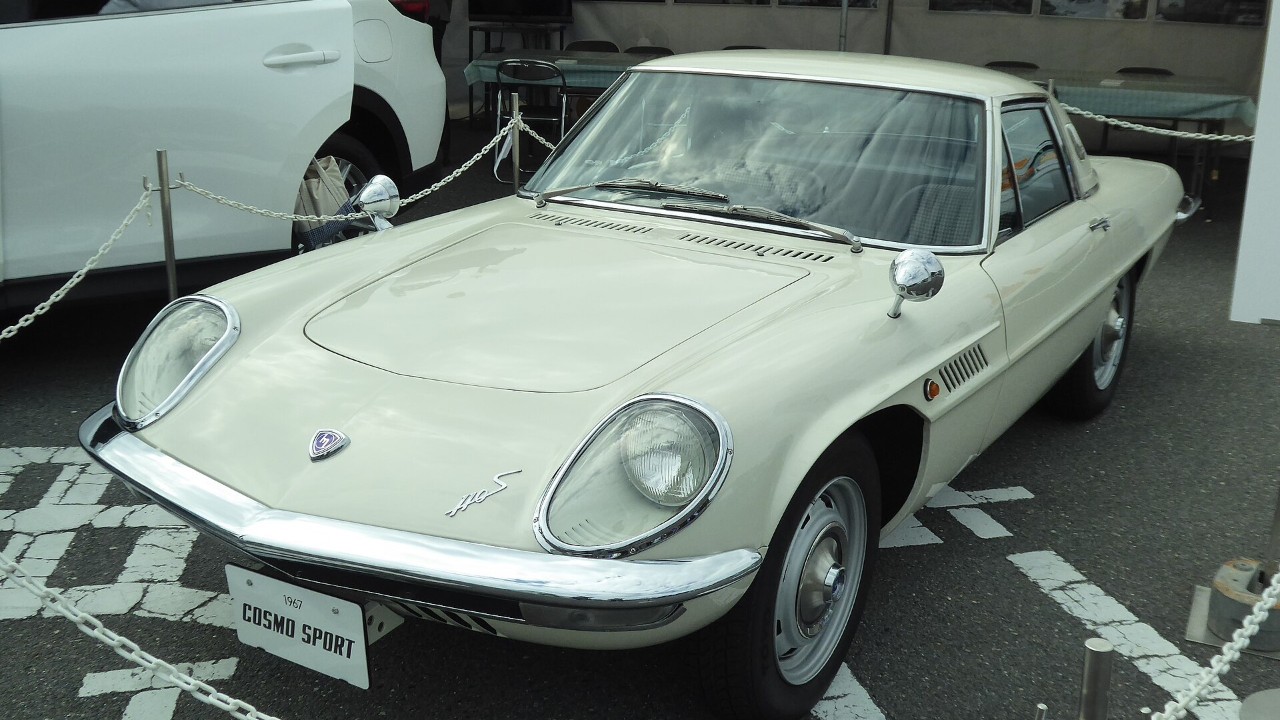
Before selling a single Cosmo, Mazda built 80 test cars in 1965 and 1966. Sixty of them went through the hands of more than 1,000 customers. Then the production car went on sale on May 30, 1967, beating NSU’s Ro80 to market by just over three months.
That first series, the L10A, is the rare one. WhichCar’s history of the Cosmo 110S says Mazda built only 343 in 1967 and 1968, rated at 110 bhp. A Hagerty-listed 1967 Cosmo gives the same 343 figure for May 1967 to July 1968, from a 982 cc two-rotor engine. By comparison, the Series II reached 1,176 cars through 1972.
6. 1968 Isuzu 117 Coupe
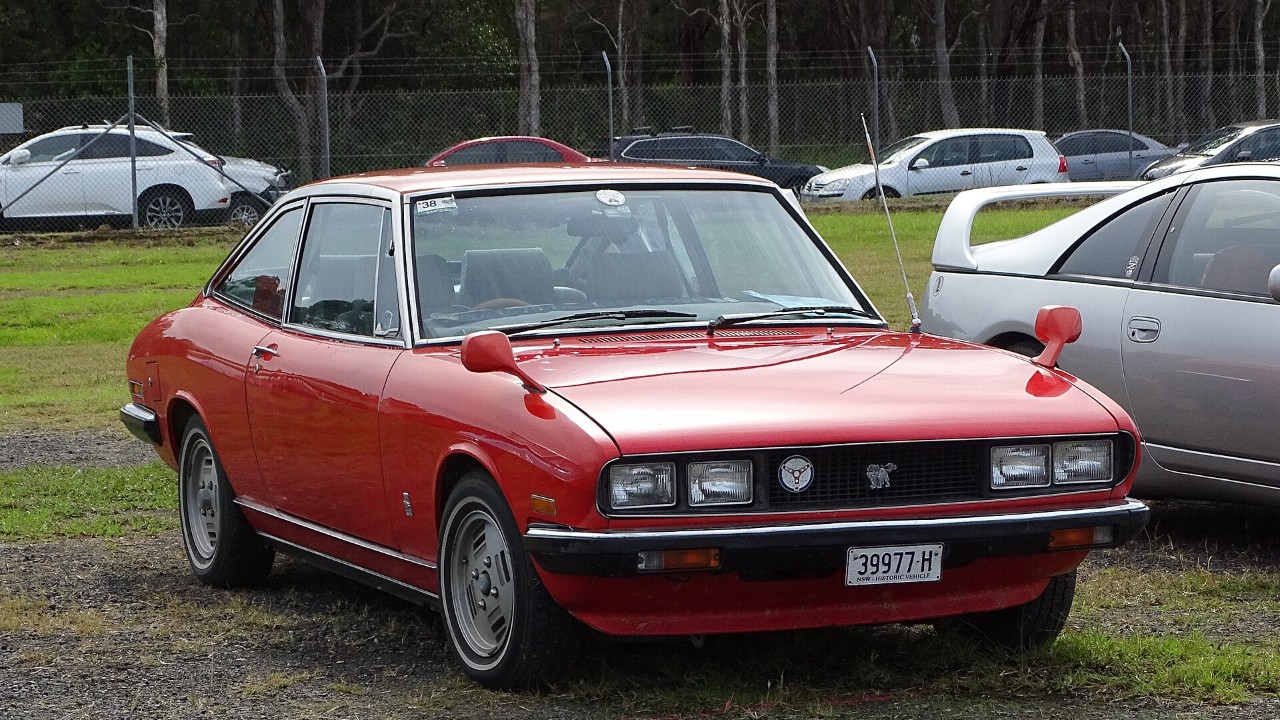
Giorgetto Giugiaro designed the 117 while he was at Ghia. Isuzu launched it in December 1968 with a 1.6-liter twin-cam four derived from the Bellett. For its first years, workers built the car by hand at about 10 a week.
Because of that, no two early cars are identical, and the hand-built examples are now the most sought-after, says Japanese Nostalgic Car. The 117 shared its chassis with the Florian sedan. Large-scale production began in early 1973, according to Curbside Classic’s museum feature on a 1971 117. From there, the coupe stayed in production until 1981.
More from Fast Lane Only