The 1980s weren’t all giant spoilers and neon accents—underneath the pop‑culture gloss, automakers were quietly pushing performance in ways that rarely make the highlight reels today. From turbocharged sedans that ruled rally stages to mid‑engine experiments that never went mainstream, this decade produced some seriously capable machines that slipped through the cracks once the ’90s arrived.
In the sections ahead, we’ll spotlight ten of those underrated performers—cars with punchy powerplants, chassis tweaks lifted from motorsport, and driver‑focused interiors you won’t see on every showroom floor. You’ll get engine specs, suspension setups, and cockpit details that explain why these ’80s icons deserve a second look. Buckle up for a trip down the forgotten fast lane.
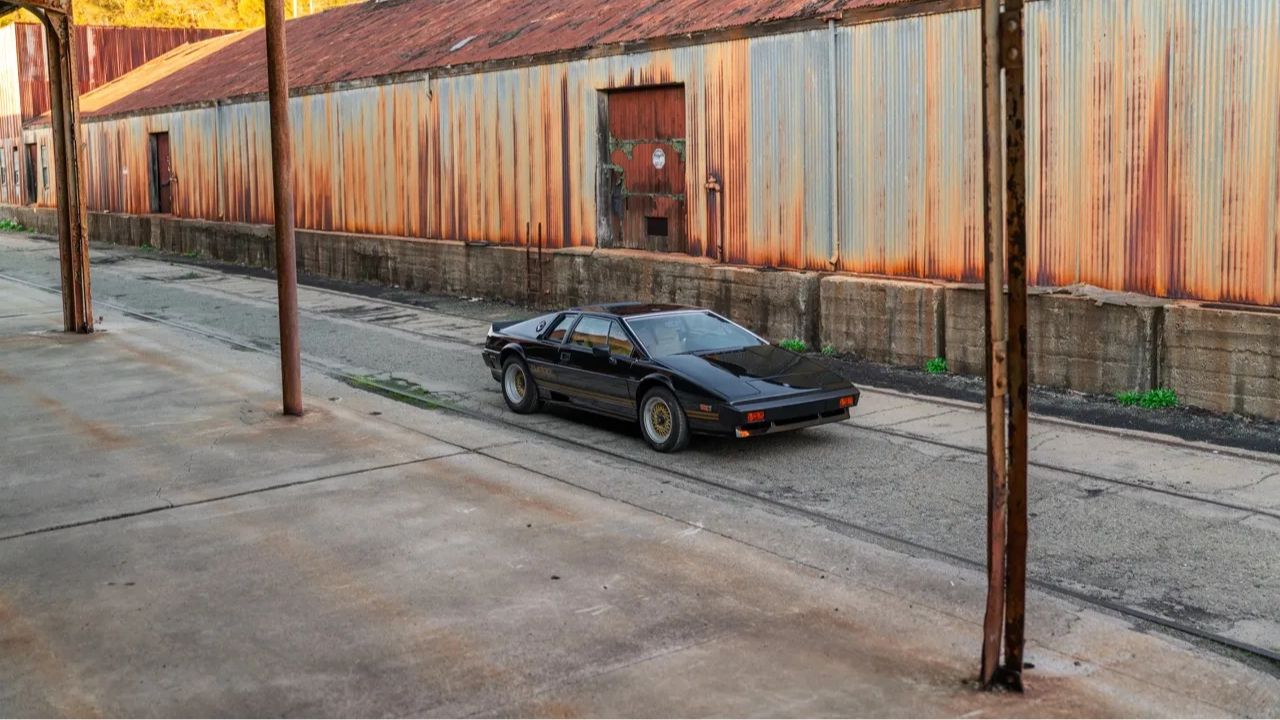
1983 Lotus Esprit Turbo
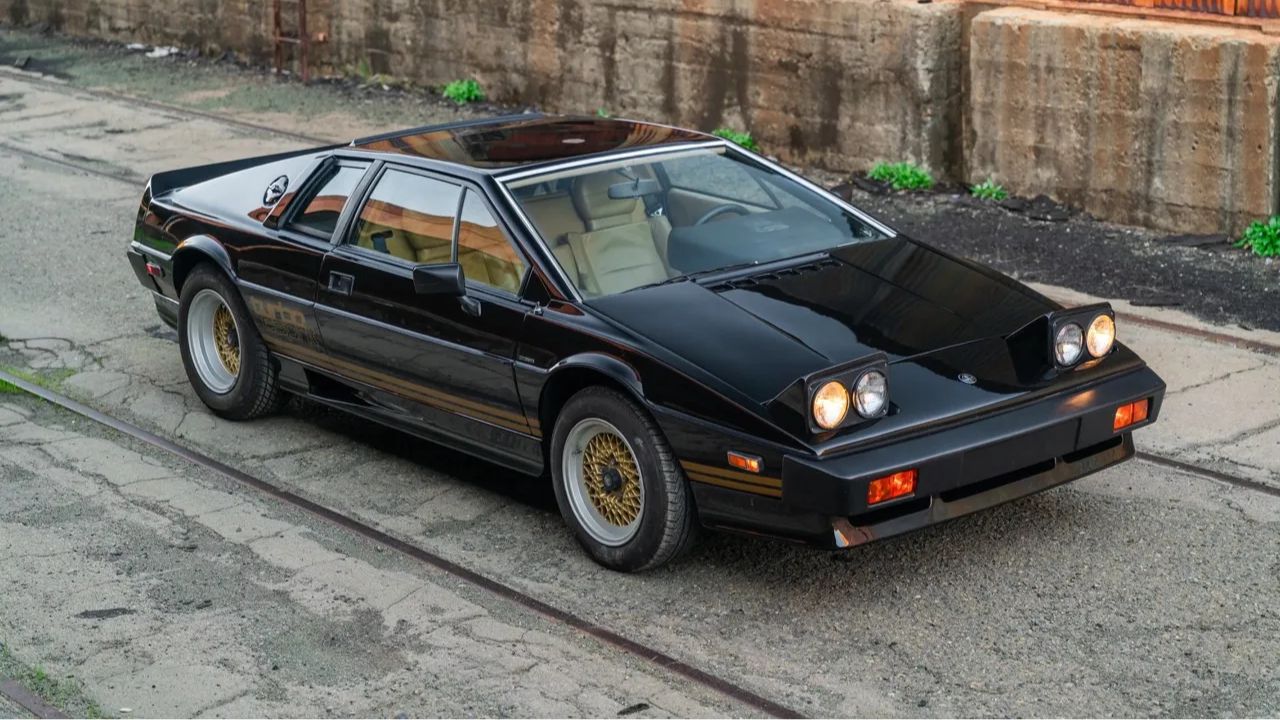
Lotus’s Esprit Turbo housed a 2.2 L turbocharged four‑cylinder producing 210 hp and 225 lb‑ft of torque, sent through a five‑speed Getrag manual. The fiberglass body rode on a backbone chassis with double‑wishbone suspension all around, keeping the 2,400 lb car nimble on twisty roads.
Inside, you’d find leather‑trimmed sport seats, an ergonomic dashboard with Veglia gauges, and a Moto Lita wood rim steering wheel. Built before U.S. emissions rules tightened, the early Turbo models never arrived stateside, making original-condition cars a European‑only prize.
1980 Audi Quattro

When Audi introduced the Quattro in 1980, it rewrote the rulebook. Under the long hood sat a 2.1 L turbocharged five‑cylinder pushing out 197 hp and 210 lb‑ft, mated to a five‑speed manual and full‑time quattro all‑wheel drive. MacPherson struts up front and a self‑levelling coil‑spring rear kept its 2,730 lb chassis glued to the road, while vented disc brakes and limited‑slip differentials helped rein in the torque.
Step inside, and you’ll find Recaro bucket seats trimmed in tartan cloth, a thick‑rimmed steering wheel, and an angled aluminum gauge pod. Only about 11,000 first‑generation cars were built, making a stock example a rare sight today.
1984 Peugeot 205 GTI
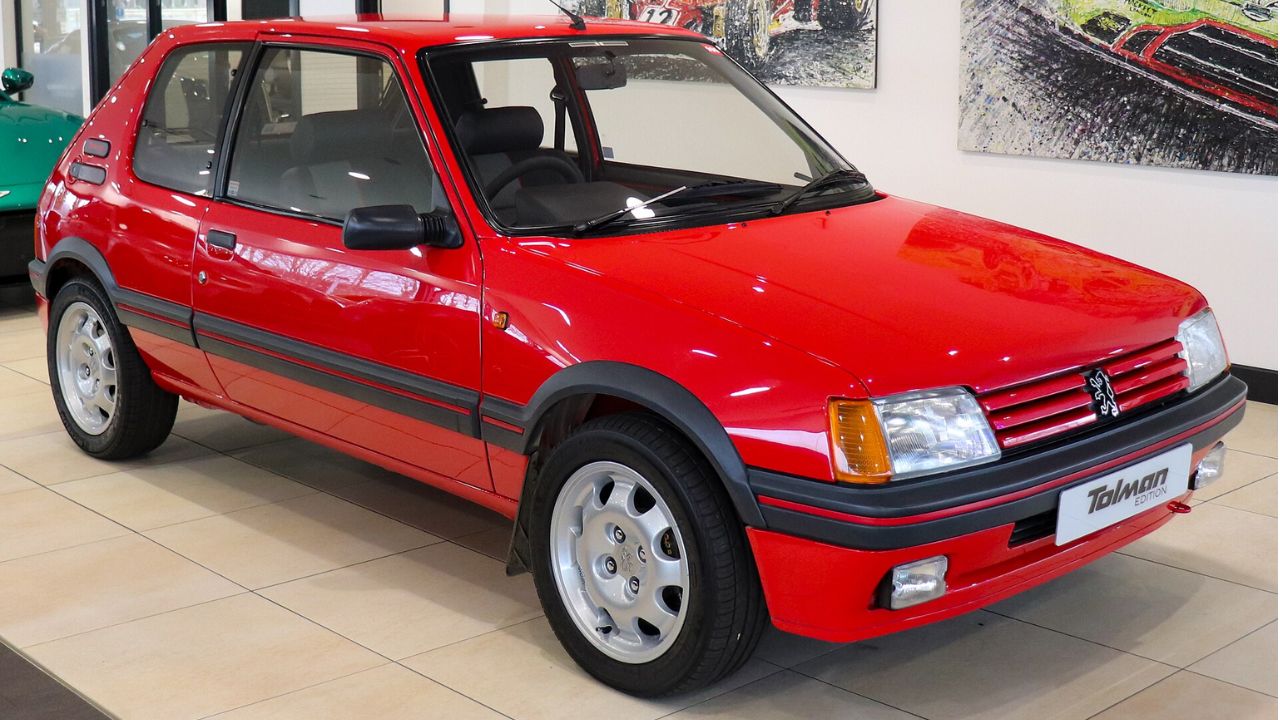
Peugeot’s 205 GTI squeezed a 1.6 L fuel‑injected four‑cylinder into a sub‑2,000 lb hatch, delivering 105 hp and 92 lb‑ft of torque. It used MacPherson struts and an anti‑roll bar up front, with a torsion‑beam rear and adjustable dampers—giving it lively handling that belied its size.
Inside, the 205 GTI offered supportive sports seats and a driver‑focused dash with clear analog gauges. A close‑ratio five‑speed gearbox and lightweight body made it feel quick, despite modest power. With around 139,000 produced, few remain untouched, but catching one with original trim is still a treat for those who know where to look.
1987 Lancia Delta Integrale
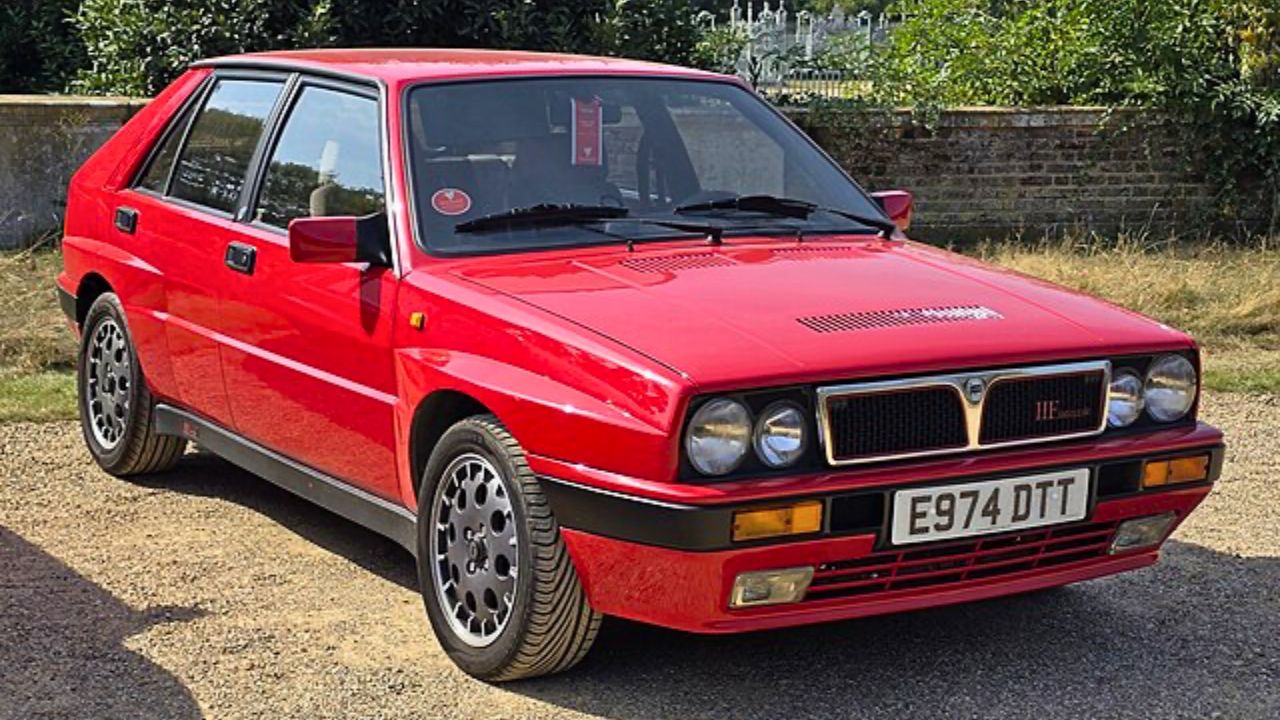
Lancia’s Delta Integrale combined a turbocharged 2.0 L four‑cylinder (185 hp, 210 lb‑ft) with permanent four‑wheel drive and rally‑derived suspension. Independent MacPherson struts all around featured adjustable dampers and thicker anti‑roll bars, keeping its 2,600 lb hatch planted through tight corners.
The cockpit carried over sporty seats upholstered in jacquard cloth, a deep‑dish steering wheel, and a rally‑style instrument cluster with boost, oil pressure, and temp gauges. Limited to around 5,000 Evoluzione models, the Integrale never officially sold in the U.S., but its combination of torque and traction still impresses on winding back roads.
1986 Porsche 959
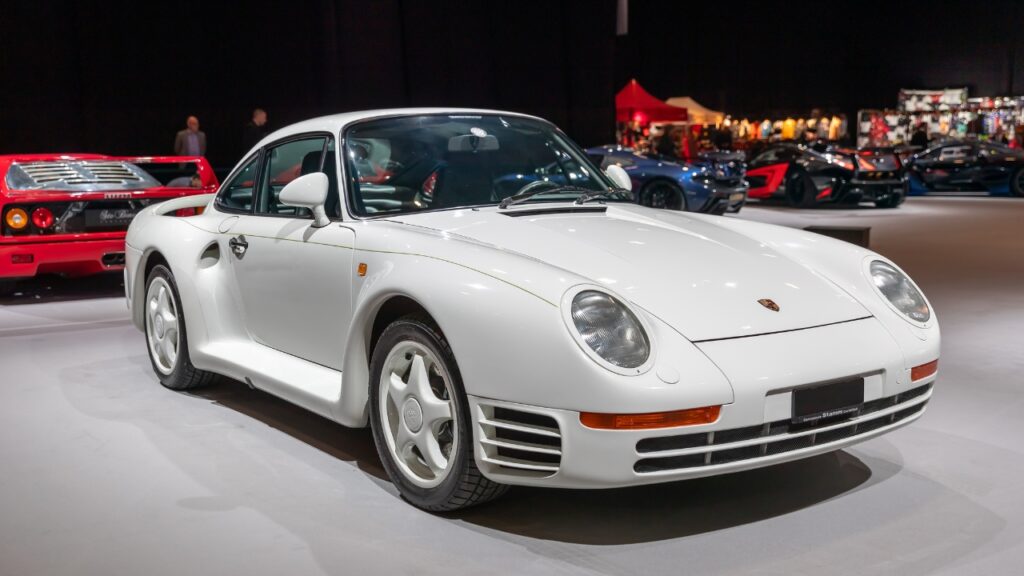
Porsche’s 959 was a technological tour de force: a twin‑turbo 2.8 L flat‑six making 444 hp, coupled to a six‑speed manual and all‑wheel drive with adjustable clutch packs. Dynamic dampers and an air suspension system automatically raised or lowered ride height, adapting to city streets or high‑speed runs.
Inside, the 959 blended luxury and performance—leather Sport seats, a multifunction center console, and a multi‑mode dashboard showing turbo boost and suspension settings. With only 292 built, homologation rules kept it out of the U.S., and today it remains one of the rarest supercars from the decade.
1986 BMW E30 M3
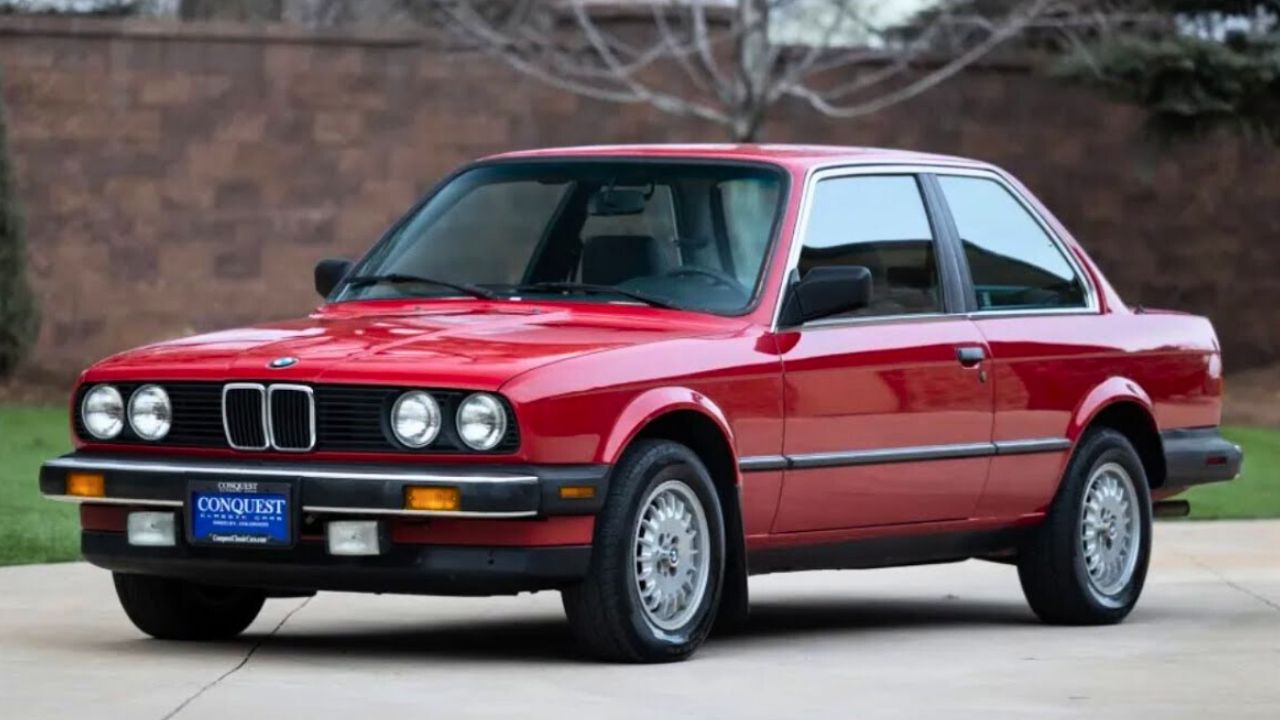
BMW’s first M3 used a 2.3 L four‑cylinder with individual throttle bodies, producing 192 hp and 170 lb‑ft. It sat on a widened body shell with flared arches, housing MacPherson struts up front, semi‑trailing arms at the rear, and a limited‑slip differential that sharpened its 2,700 lb handling.
The interior focused on the driver: deep‑bolstered sport seats, a leather‑wrapped M steering wheel, and a cluster of white‑face gauges. Only about 5,000 European‑spec units were built, and while some made it stateside, most U.S. examples were detuned—making a true Euro M3 a rare find.
1984 Ferrari 288 GTO
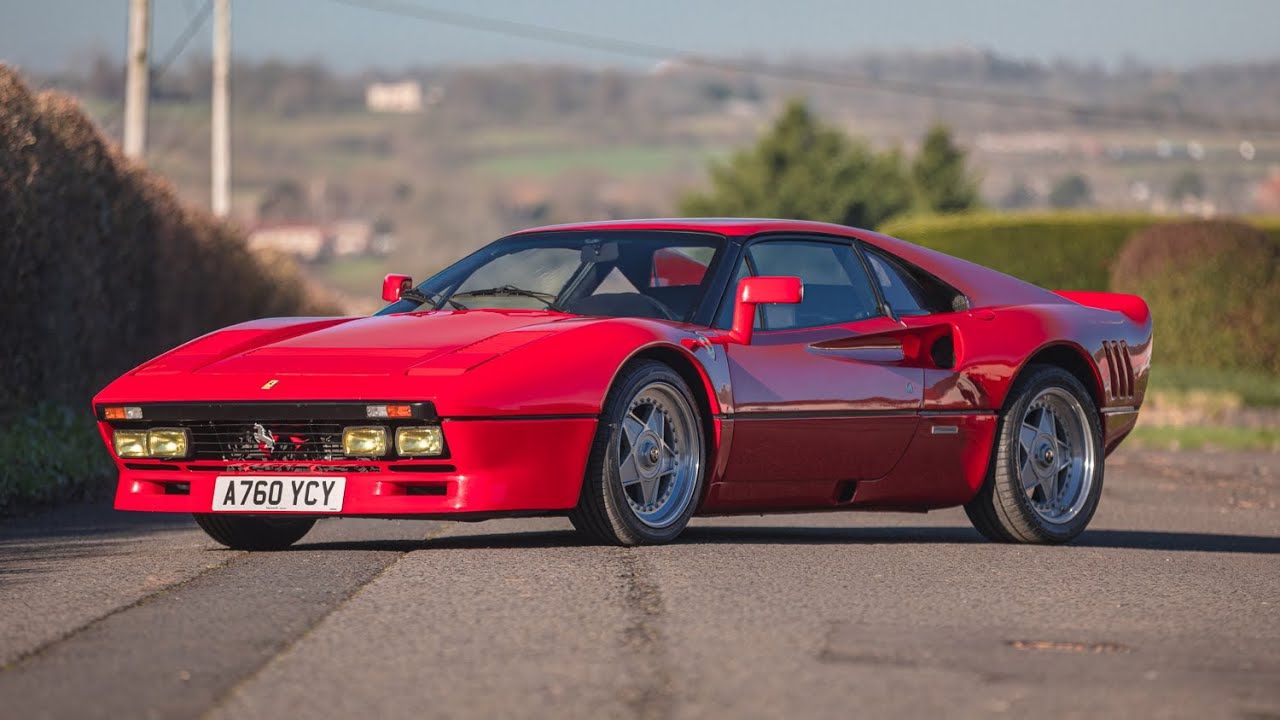
Built to meet Group B rules, the 288 GTO packed a 2.9 L twin‑turbo V8 pushing around 400 hp at 7,000 rpm and 366 lb‑ft of torque through a five‑speed manual. The tubular steel chassis and Kevlar‑reinforced body kept curb weight near 2,300 lbs, while double‑wishbone suspension front and rear delivered razor‑sharp feedback.
Inside, it was stripped yet refined: lightweight bucket seats covered in leather and cloth, a Moto Lita steering wheel, and a simple gauge panel displaying oil pressure, temperature, and boost. With just 272 built, none were officially sold in the U.S., making the 288 GTO a near‑mythical beast on these shores.
1987 Buick GNX
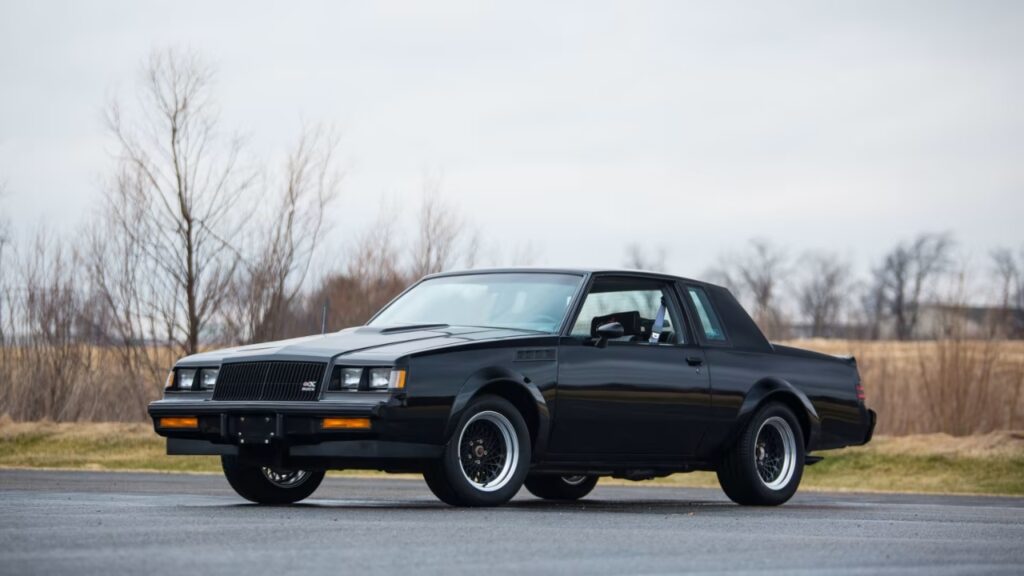
Buick’s GNX took a turbocharged 3.8 L V6 and bumped output to 276 hp and 360 lb‑ft through stronger internals and revised boost mapping. A four‑speed automatic sent torque to the rear via a torque‑arm rear suspension and Panhard bar, keeping its 3,300 lb frame composed under hard launches.
The GNX rode on Bilstein shocks, heavy‑duty front springs, and larger sway bars. Inside, it mimicked the Regal Sport Coupe with cloth‑trimmed buckets, analog boost and oil gauges, and a subtle “GNX” script. Only 547 were built, and their understated looks mean they often slip by unnoticed at shows.
1986 Ford Sierra RS Cosworth
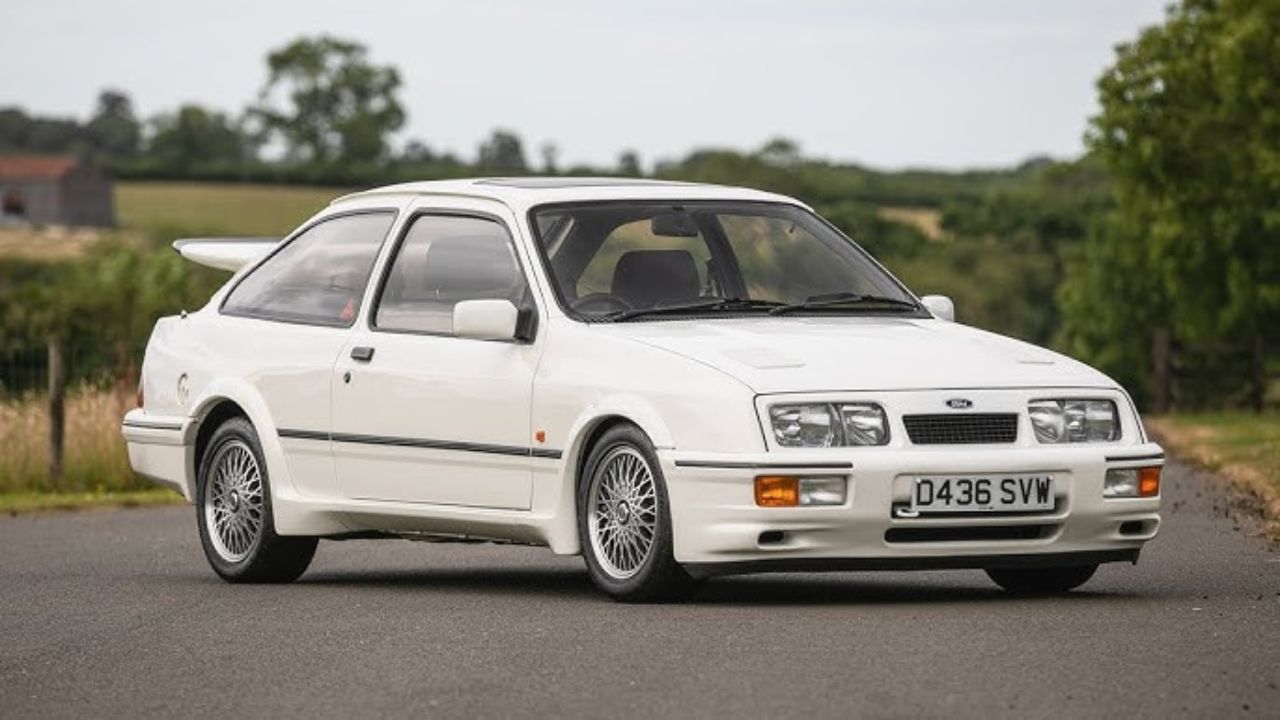
Ford’s RS Cosworth grafted a 2.0 L turbocharged Cosworth YBD four‑cylinder (204 hp, 196 lb‑ft) onto a Sierra sedan, adding rear‑drive and a five‑speed manual. It used MacPherson struts up front and a live rear axle with coil springs, while adjustable gas shocks tuned the 2,700 lb chassis for track work.
Inside, Recaro seats, a leather Momo wheel, and a head‑up display showing boost and speed were standard. Just 5,500 homologation models rolled out in Europe, and despite a few grey‑market imports, seeing one in original spec remains a rare treat today.
1984 Nissan 300ZX Turbo

Nissan’s Z31 300ZX Turbo ran a 3.0 L V6 with dual Garrett turbos, making 200 hp and 257 lb‑ft to a five‑speed manual. Independent MacPherson strut suspension up front and a multi‑link rear gave it a poised ride, while four‑wheel vented discs handled stopping duties.
The cockpit featured supportive sport seats, a wraparound dash, and a digital driver information center displaying boost, temp, and fuel economy. Today, well‑preserved examples are hard to find—most early turbos have been modified or upgraded, so an untouched car still turns heads.
* Created with AI assistance and editor review.