Even in an era of 1,000 horsepower EVs and configurable driving modes, a small group of performance cars still earns quiet nods of respect in paddocks and pit lanes. These machines are rare not just because of production numbers, but because their engineering, motorsport pedigree, and driving feel still matter to people who spend weekends chasing lap times instead of social media likes. I look at them as the cars that continue to command serious attention from drivers who care more about brake feel and tire temperatures than touchscreen size.
Why rarity alone is not enough to earn lasting respect
Plenty of limited-run models are scarce, but scarcity by itself does not guarantee long-term credibility among enthusiasts. What separates the cars that still carry weight is a mix of authentic performance, clear engineering intent, and a track record that holds up when the hype cycle moves on. I see a consistent pattern: the cars that remain respected are the ones that can still deliver on a circuit, even after newer, faster machinery has arrived, and whose reputations were forged in real competition rather than marketing copy.
That is why collectors and serious drivers tend to gravitate toward models with documented motorsport success, carefully developed chassis setups, and powertrains that were engineered for repeated hard use rather than one-off headline numbers. When a car’s lap times, durability, and feedback are backed by measurable results, its value in the enthusiast world becomes more than nostalgic affection. Those are the criteria that frame the rest of this analysis of rare performance cars that continue to matter in the real world, not just in auction catalogs.
Porsche 911 GT3 and GT3 RS: track credibility over fashion
The modern Porsche 911 GT3 and GT3 RS have become benchmarks because they treat track performance as the starting point, not the afterthought. I see their respect coming from a simple fact: they are engineered to run flat-out for long sessions without the electronics or brakes wilting, and they communicate clearly enough that experienced drivers can exploit that capability. The naturally aspirated flat-six, high-revving and paired with a motorsport-derived chassis, gives these cars a character that still feels purpose-built even as power outputs and aero packages have grown more extreme.
That focus shows up in details like the GT3’s track-tuned suspension geometry, extensive use of lightweight materials, and the way the stability systems are calibrated to support, rather than smother, a committed driver. Owners and testers consistently highlight how these cars can log repeated hot laps while maintaining consistent brake performance and engine temperatures, a trait that keeps them welcome at serious track days long after newer models appear. It is this repeatable, endurance-style capability, not just Nürburgring lap times or production scarcity, that keeps the GT3 and GT3 RS near the top of any list of modern performance cars that still earn genuine respect.
Nissan GT-R Nismo: aging platform, enduring capability
The Nissan GT-R Nismo is one of the clearest examples of a car whose underlying platform is aging but whose performance envelope still commands attention. I view its respect factor as rooted in how effectively it turns a relatively heavy, all-wheel-drive coupe into a precision tool through careful tuning of aerodynamics, suspension, and electronics. Even as newer rivals boast more power or lighter construction, the GT-R Nismo’s combination of brutal acceleration, high-speed stability, and confidence-inspiring traction keeps it relevant among drivers who care about real-world pace.
What continues to impress is how the Nismo variant refines the GT-R formula with track-focused upgrades like stiffer dampers, more aggressive aero elements, and meticulous engine hand-assembly. These changes translate into measurable gains in cornering grip and braking performance, which is why the car still posts competitive lap times on demanding circuits and remains a fixture in time-attack and tuner circles. The respect it receives is not nostalgic; it is grounded in the fact that, when driven hard, the GT-R Nismo still behaves like a serious tool rather than a dated curiosity.
Ferrari 458 Speciale and 488 Pista: limited numbers, lasting dynamics
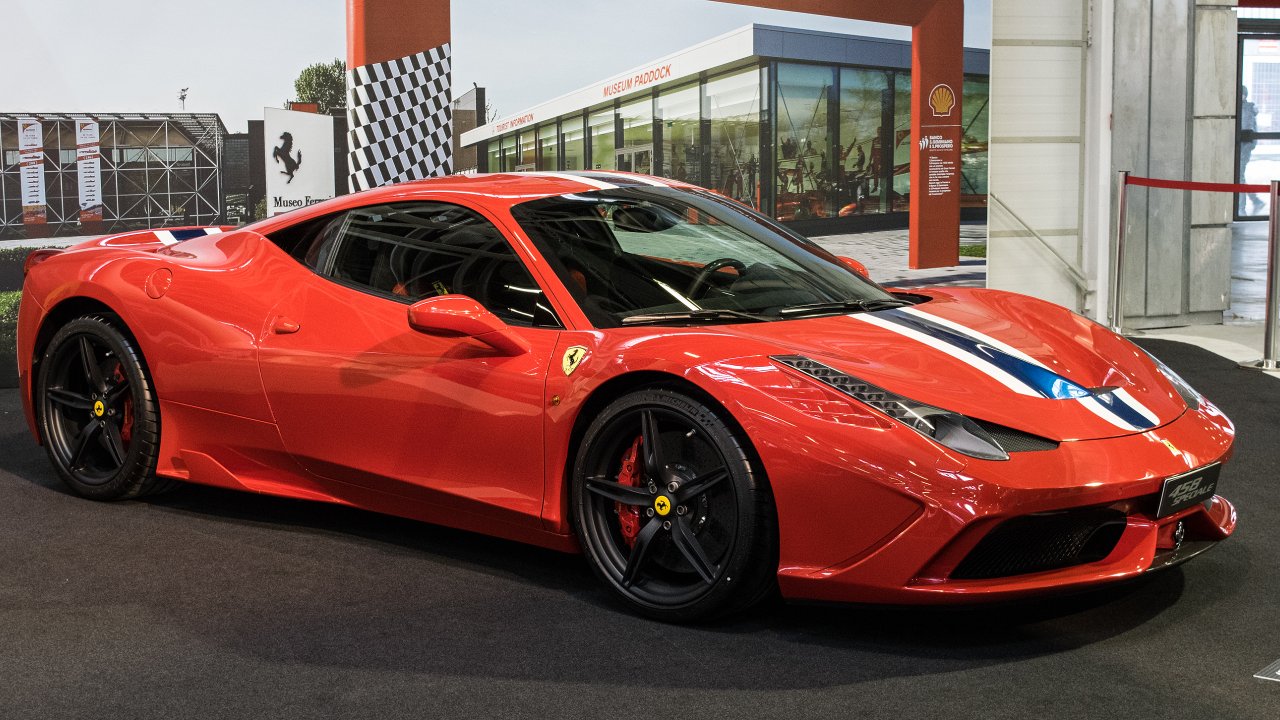
Ferrari’s 458 Speciale and 488 Pista occupy a rare space where limited production, motorsport influence, and genuinely involving dynamics intersect. I see their enduring status as tied to how they distilled Ferrari’s mid-engined V8 formula into lighter, sharper, and more focused packages without losing usability. The 458 Speciale, with its naturally aspirated V8 and razor-sharp throttle response, and the 488 Pista, with its turbocharged surge and advanced aero, both deliver a level of feedback and precision that still impresses drivers accustomed to modern supercars.
These models also benefit from clear links to Ferrari’s racing programs, from aerodynamic concepts to calibration of traction and stability systems that allow skilled drivers to explore the edge of grip. Their steering feel, brake consistency, and balance at high speed have been widely praised in independent testing, which reinforces their reputation as drivers’ cars rather than just collectible Ferraris. That combination of limited availability, track-proven engineering, and deeply engaging dynamics is why they continue to be spoken about with respect in garages where lap times and tire wear are regular topics of conversation.
BMW M2 CS and M4 GTS: compact coupes with serious intent
BMW’s M2 CS and M4 GTS show how a manufacturer can take relatively familiar coupe platforms and turn them into rare machines that still earn nods from demanding drivers. I see the M2 CS as the purist’s choice, a compact, rear-wheel-drive car with a strong engine, manual gearbox option, and chassis tuning that prioritizes balance and adjustability. The M4 GTS, by contrast, leans harder into track specialization, with extensive weight reduction, adjustable aero, and a suspension setup that rewards committed driving on smooth circuits more than daily commuting.
Both cars gained credibility by delivering tangible performance gains over their standard M counterparts, not just cosmetic upgrades. The M2 CS has been praised for its communicative steering and neutral handling, which make it a favorite at track days where drivers value predictability and control. The M4 GTS, with its track-oriented tires and more aggressive damping, has posted lap times that put it in the company of far more exotic machinery, reinforcing its status as a serious tool for experienced drivers. Their relative rarity in production only amplifies the respect they receive, because the performance improvements are real and repeatable rather than marketing-driven.
Chevrolet Corvette Z06 and ZR1: American muscle with track discipline
The Chevrolet Corvette Z06 and ZR1 demonstrate how American performance cars have evolved from straight-line bruisers into machines that can hold their own on demanding road courses. I see their enduring respect as rooted in the way they combine high output engines with increasingly sophisticated chassis tuning, braking systems, and aerodynamics. The Z06, with its track-focused packages, and the ZR1, with its even more extreme power and aero, have shown that a front-engined American sports car can deliver lap times and durability that rival far more expensive European exotics.
Independent testing has repeatedly highlighted how these Corvettes can sustain high-speed lapping without significant fade in braking or cooling systems when properly optioned, a key requirement for any car that wants to be taken seriously at the track. Their performance-per-dollar ratio also plays a role in the respect they command, because they allow skilled drivers to access supercar-level pace without supercar-level running costs. That combination of raw power, credible circuit performance, and relative accessibility keeps the Z06 and ZR1 in the conversation whenever enthusiasts discuss rare performance cars that still matter where it counts, on the stopwatch.