For every high-profile Hemi ’Cuda or winged Charger that crosses an auction block, there are Mopars that quietly shaped the brand’s legacy yet rarely make collectors’ shortlists. These overlooked models often carried the same engineering DNA, shared the same factories and sometimes even outperformed their better-known siblings, but they slipped through the cracks of nostalgia and speculation. I see a growing gap between what the market chases and what the history books actually reveal about Chrysler’s most interesting cars.
The forgotten backbone: C-body cruisers that built the brand
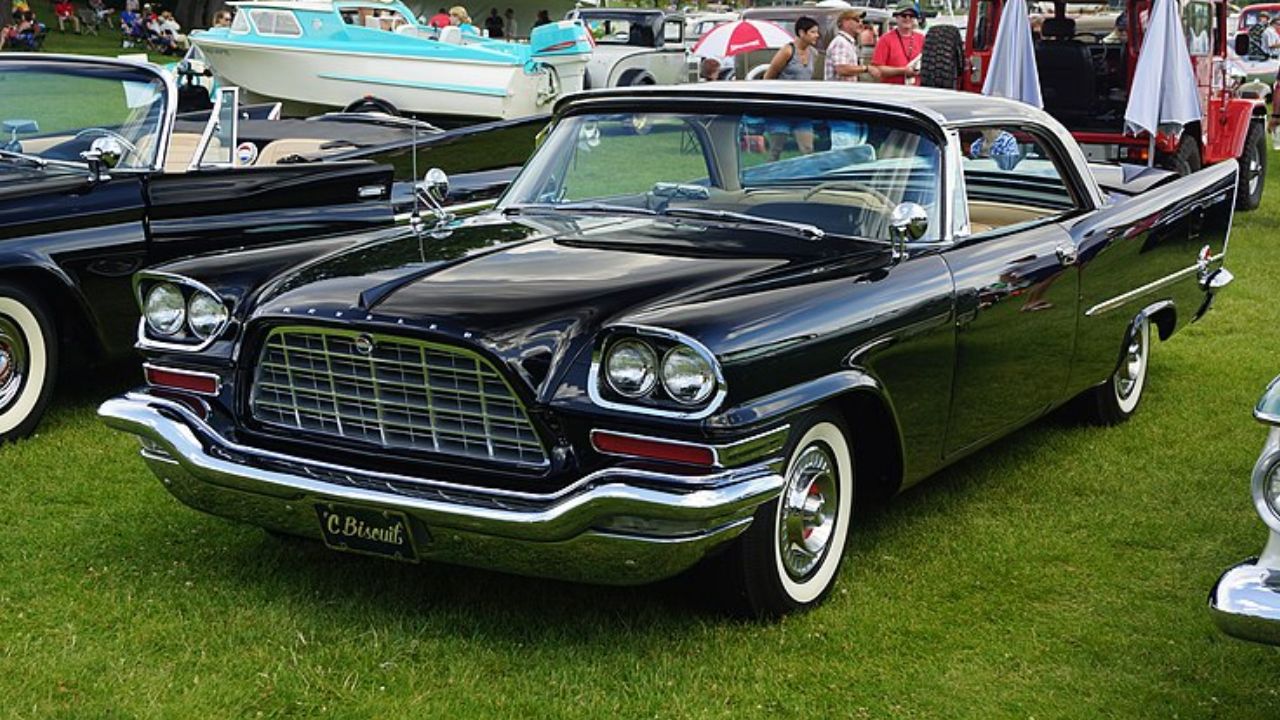
When people talk about classic Mopar performance, the conversation usually jumps straight to B-body Road Runners or E-body ’Cudas, but the full-size C-body cars were the ones that kept Chrysler profitable and visible on American roads. Big Chryslers, Dodges and Plymouths carried families, executives and police departments, and they introduced engineering that later filtered into the halo muscle cars. Models like the Chrysler Newport and Dodge Polara offered V8 power, unibody construction and torsion-bar front suspension in a package that sold in meaningful numbers, even if they never became poster cars for the muscle era.
Those full-size platforms also underpinned some of the most interesting fleet and law-enforcement packages, which quietly validated Mopar durability in daily abuse. Police-spec C-bodies paired heavy-duty cooling, upgraded brakes and high-compression big-blocks with relatively understated styling, a combination that made them formidable highway cars in their day. While collectors chase rare stripes and shaker hoods, the cars that actually proved Chrysler’s engineering on real roads, often in patrol trim, remain largely ignored in the marketplace, despite sharing core components with more celebrated models and, in some cases, outperforming them in sustained high-speed use.
Early compact innovators: Valiant, Dart and the birth of durable small Mopars
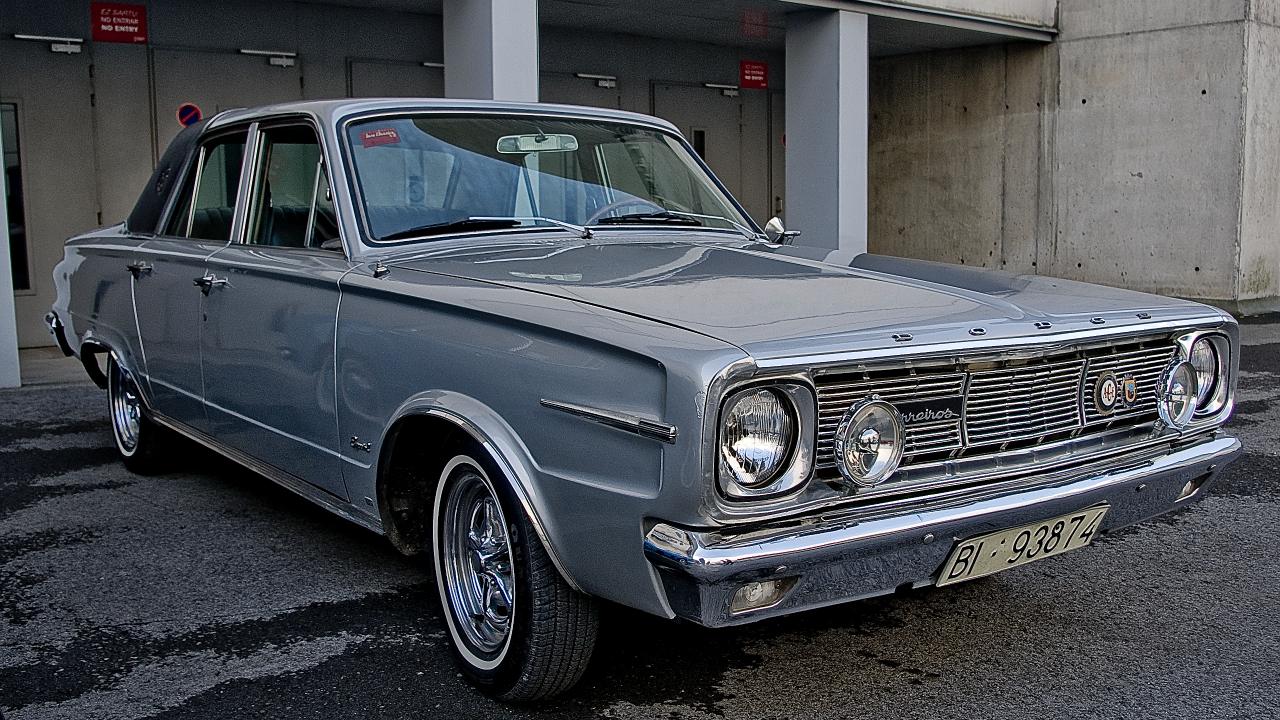
Long before compact cars became a default choice for American buyers, Chrysler’s A-body line quietly demonstrated that smaller Mopars could be both tough and quick. The Plymouth Valiant and Dodge Dart arrived as practical, modestly sized cars, but their unibody structure and engine bay dimensions made them ideal hosts for increasingly powerful V8s. What started as economical transportation evolved into a platform that could handle serious performance upgrades, a fact that later drag racers and street tuners exploited extensively.
These early compacts also helped Chrysler refine the Slant-6 engine, a powerplant that earned a reputation for longevity in taxis, fleet cars and daily drivers. That durability, combined with relatively light curb weight, meant that even six-cylinder A-bodies could take abuse that would sideline flimsier competitors. Yet in today’s collector market, many enthusiasts overlook these cars in favor of their larger, flashier siblings, even though the A-body architecture proved crucial to Mopar’s performance story and provided the foundation for some of the brand’s most effective quarter-mile machines.
Under-the-radar performance: sleeper packages and misunderstood trims
Some of the most compelling Mopars were not the headline-grabbing homologation specials but the sleeper packages hidden in plain sight. Mid-level trims with big engines, minimal badging and conservative colors allowed buyers to order serious performance without attracting the attention that came with stripes and spoilers. These cars often shared drivetrains with better-known muscle models, yet their understated appearance kept them off magazine covers and, later, out of speculative bidding wars.
Misunderstood trims also fall into this blind spot, particularly models that straddled the line between luxury and performance. Cars that combined high-output engines with plusher interiors or formal rooflines were sometimes dismissed as “old man” choices, even though they delivered the same straight-line speed as more aggressive-looking variants. As a result, many of these sleepers survived in better condition, driven gently and maintained regularly, which makes them some of the most practical and rewarding Mopars to own today for enthusiasts who care more about driving than about auction headlines.
The late-model gap: modern Mopars that have not yet found their audience
While vintage muscle dominates most Mopar conversations, the last two decades produced a wave of modern cars that have not yet been fully recognized by collectors. Early LX-platform Chrysler 300C and Dodge Charger models brought rear-wheel drive and Hemi power back to mainstream sedans, reestablishing Mopar performance in a market that had largely shifted to front-wheel-drive appliances. These cars proved that there was still demand for big, powerful American four-doors, and they laid the groundwork for the later supercharged halo models that now command attention.
Even within the modern era, some trims and configurations remain undervalued compared with their mechanical significance. Rear-drive V6 cars that shared suspension and chassis tuning with their V8 siblings, or early SRT variants that predated the supercharged craze, offer much of the same driving character without the price premium. As emissions and regulatory pressures reshape the performance landscape, these relatively recent Mopars may emerge as the last widely accessible examples of traditional big-engine, rear-drive American cars, yet for now they sit in a kind of limbo between used-car status and full-fledged collectible.
Why these Mopars stay overlooked, and what that means for collectors
The market’s fixation on a narrow slice of Mopar history has more to do with storytelling than with engineering. Cars that starred in movies, advertising campaigns or racing lore naturally attract attention, while the models that did the quiet work of commuting, policing and family hauling fade into the background. Yet those overlooked vehicles often share the same mechanical DNA, and in some cases they were built in lower numbers or survived in smaller quantities than the headline-grabbing muscle cars that dominate auctions.
For collectors, that disconnect creates both a risk and an opportunity. Ignoring these underappreciated Mopars means missing out on cars that deliver authentic period driving experiences, robust parts support and historical significance at a fraction of the cost of the usual heroes. Paying attention to the full spectrum of Chrysler’s output, from C-body cruisers to compact A-bodies and early modern Hemi sedans, offers a more complete view of what made Mopar unique, and it opens the door to building a collection that reflects the brand’s real-world impact rather than just its most photographed moments.