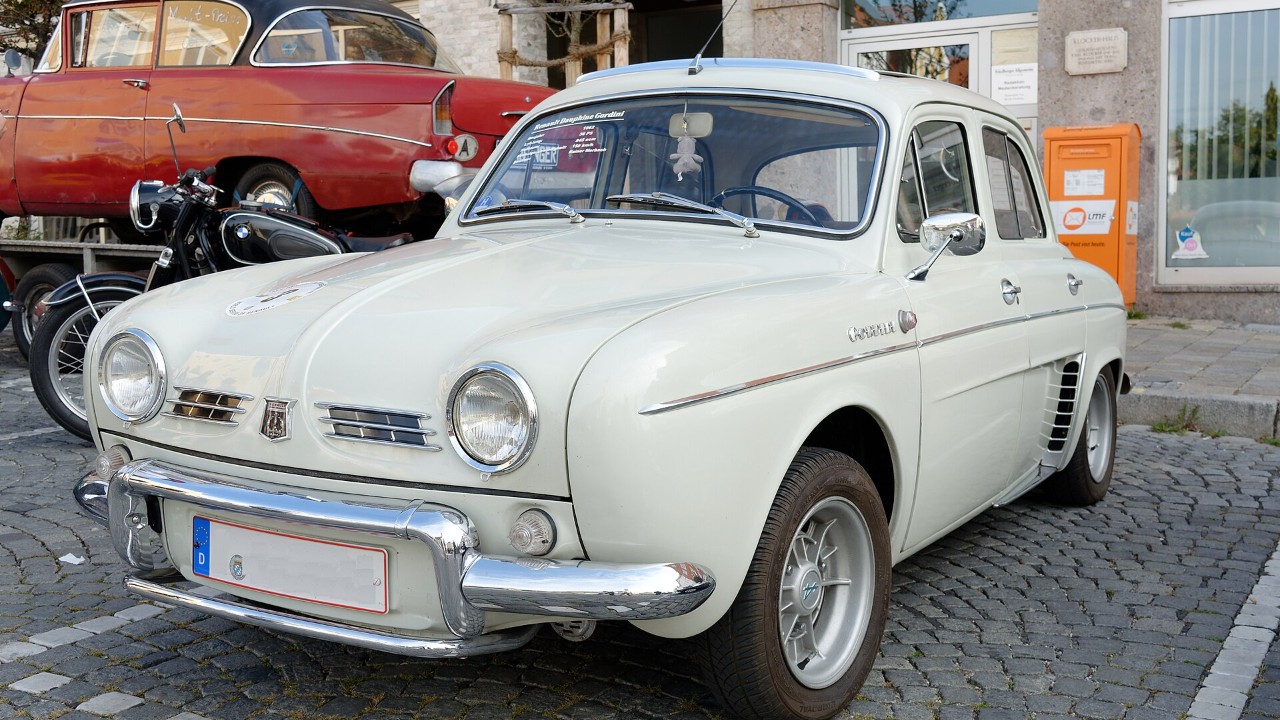
Renault built more than two million Dauphines, and the sporty Dauphine Gordini showed how much fun a tiny rear-engine car could be. For a while, Europe and America both fell for the idea. Put the engine behind the back seat, save space up front and give the drive wheels plenty of grip.
The romance faded fast in some markets. Renault’s American Dauphine sales peaked at 102,000 in 1959, then sank to 12,106 by 1966. Rust and changing tastes caught up with many of these cars. In our view, too many of the survivors end up as half-finished projects that cost more than they will ever be worth.
These are our picks, seven rear-engine cars we don’t think are worth a full restoration. That’s our opinion, and it isn’t a knock on the people who love them. The facts behind each verdict come from the sources we checked, and every entry ends with advice if you want one anyway. We start with the Dauphine Gordini.
1. 1960 Renault Dauphine Gordini
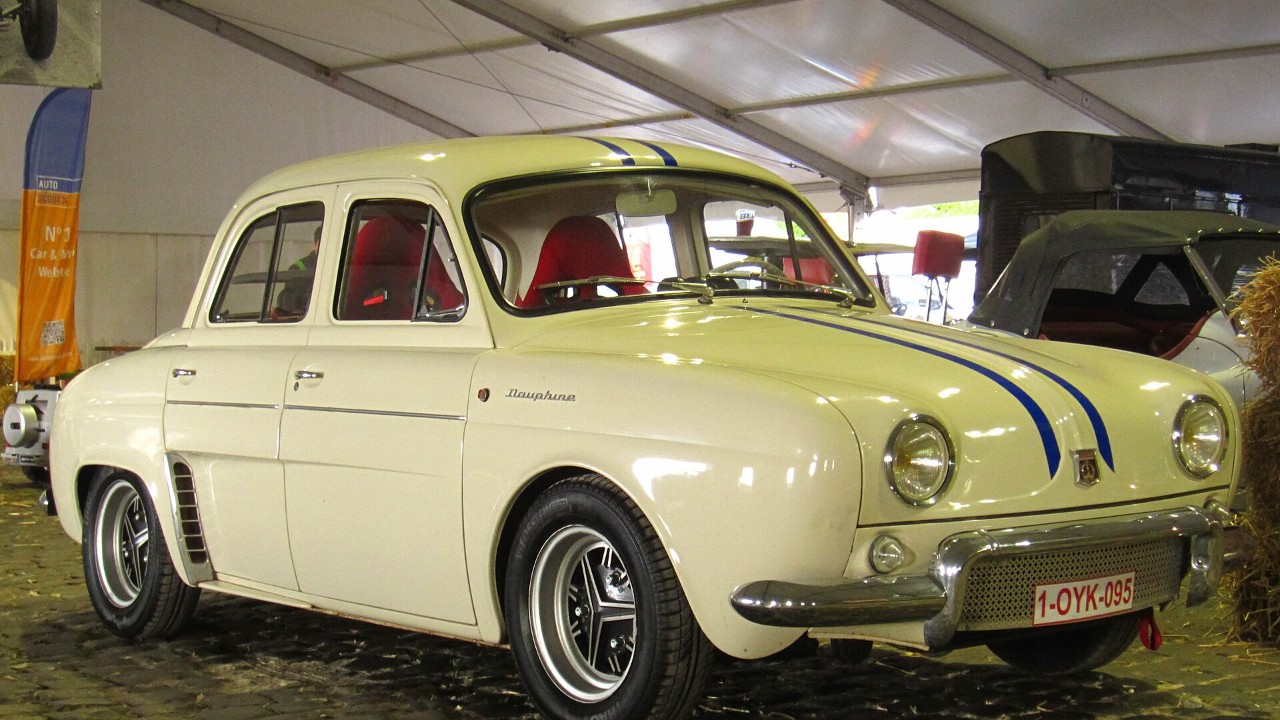
The Gordini was the Dauphine with some spice. Tuner Amédée Gordini worked over the 845 cc four, which made 27 hp in standard form, and pushed it into the mid-30s. He also gave it a four-speed gearbox in place of the base car’s three-speed. As a result, the Dauphine Gordini could reach about 81 mph.
The trouble is the body underneath. British writers later described the Dauphine’s “abysmal corrosion record” in America, with front wings that ended up looking like “net curtains.” Then came the reviews nobody wants. Car Talk listeners ranked the Dauphine the 9th worst car of the millennium in 2000. Later, in 2007, Time put it on its list of the 50 worst cars of all time.
Our take: the Gordini is charming, but a rotten one needs metalwork on almost every panel. That bill will quickly bury the car’s value. If you love the shape, read our guide to the quirks of buying a Renault Dauphine first.
Buyer advice: skip the project car. Pay more for a Dauphine Gordini that someone else has restored, ideally with photos of the rust repairs.
2. 1967 Simca 1000
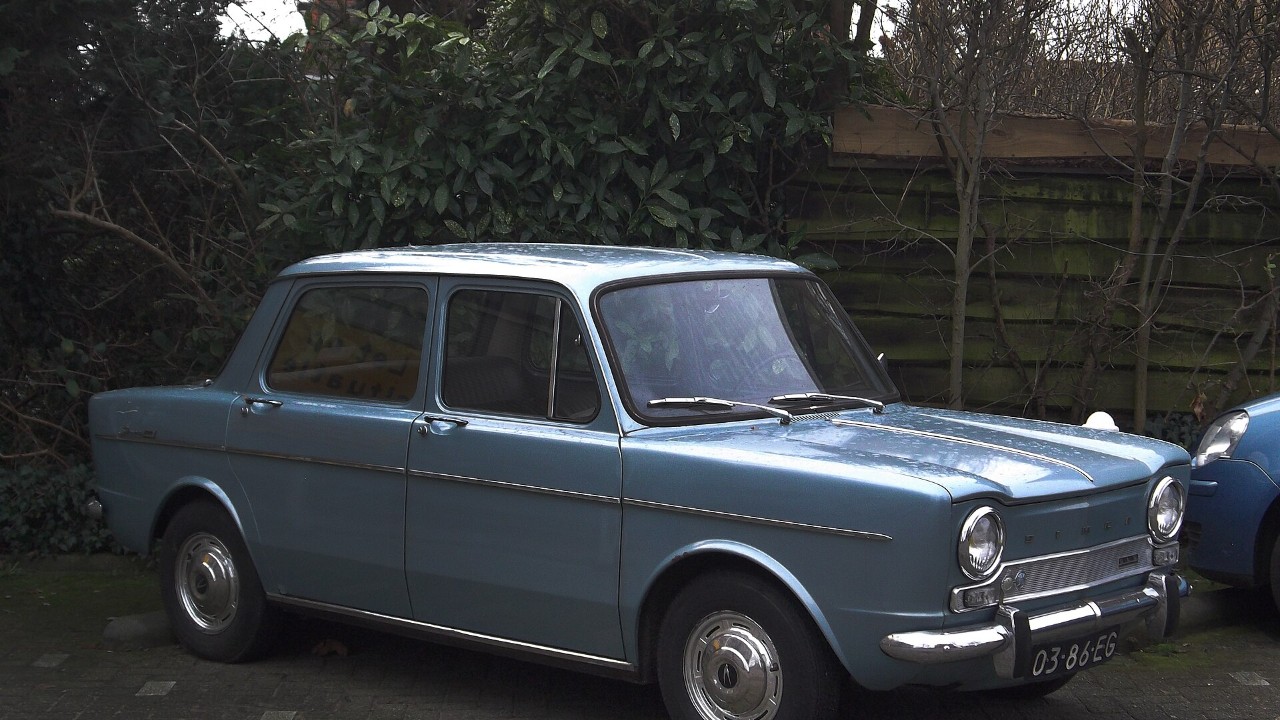
Simca’s boxy little four-door was the company’s first rear-engine car. It went into production on July 27, 1961, and Simca unveiled it at the Paris Motor Show that October. Underneath, it drew on Fiat’s Project 122, though the launch publicity never mentioned the Fiat link.
The layout was very tail-heavy. Simca put the fuel tank behind the rear seat, giving the car a 35/65 front-to-rear weight split. Early cars used the new 944 cc Poissy four, rated at 45 PS for 1962. That was enough for city traffic, but hardly exciting.
Here’s the restoration problem. Simca built the 1000 from 1961 to 1978, and almost two million found buyers. So a basic sedan is far from rare. Meanwhile, the hot versions grab all the attention. Abarth tuned early cars, and Simca later sold Rallye models up to the Rallye 3, which made 103 PS. Simca made only 1,000 Rallye 3s, all in 1978.
In our view, that leaves an ordinary 1967 sedan in an awkward spot. It costs the same to paint and rebuild as a Rallye, but it will never command the same interest.
Buyer advice: if you want a Simca 1000, buy the best running example you can find. If you want an investment, hunt for a documented Rallye instead.
3. 1960 Chevrolet Corvair 500 sedan
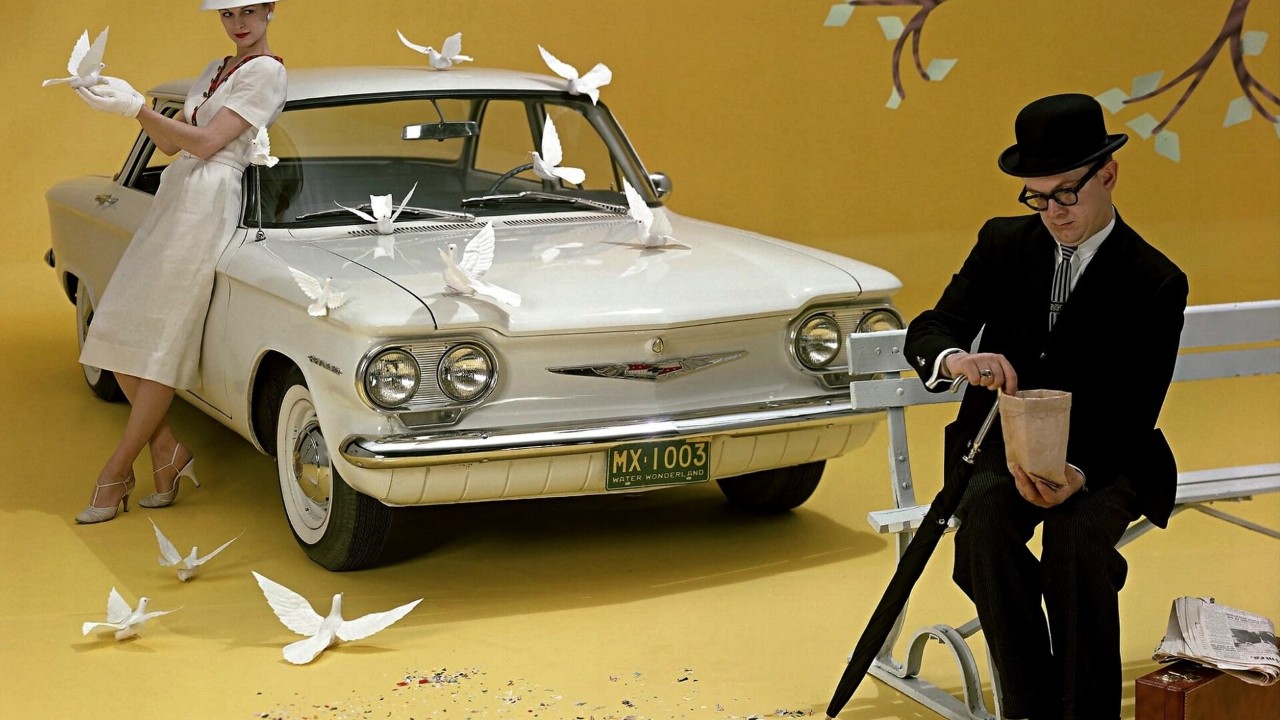
The first-year Corvair 500 was Chevrolet’s economy model, priced at $2,038 with few frills. It carried a 140 cubic-inch air-cooled flat-six rated at 80 hp behind the rear axle. Chevy built 47,683 of these 500 sedans for 1960, out of 253,268 Corvairs that year. Motor Trend even named the Corvair its 1960 Car of the Year.
However, the early cars had flaws. The optional gasoline heater could burn up to a quart of gas an hour. Ralph Nader’s 1965 book Unsafe at Any Speed also attacked the handling of first-generation Corvairs. To be fair, a 1972 NHTSA-commissioned study later found no abnormal risk of loss of control or rollover. Even so, early cars used swing axles, and Octane’s Corvair buying guide says rust around the lower windscreen surround and battery tray is common. It also warns that dropped valve seats are increasingly an issue.
Value is the final hurdle. Hagerty’s valuation tool puts a good 1960 Corvair 500 at around $5,750. That figure comes from its Club Coupe listing. You can read more about the controversy around the 1960 Corvair here.
Buyer advice: we’d look for a second-generation car or a turbo model, which Octane says are more desirable.
4. 1972 Volkswagen 411 LE Variant
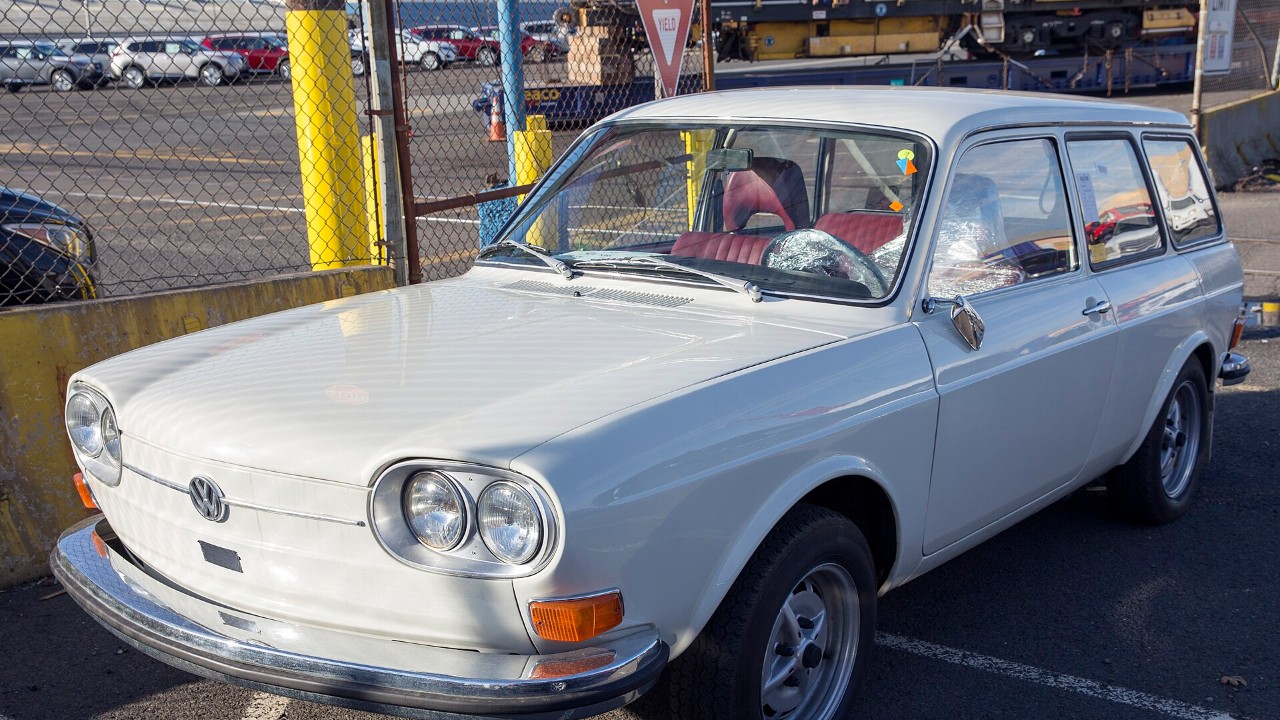
The 411 was Volkswagen reaching upmarket. It was VW’s first four-door saloon, and the Type 4 also brought unibody construction to the company’s lineup. VW built the 411 from 1968 to 1972, including a three-door estate called the Variant.
Its engine was a 1,679 cc air-cooled flat-four, mounted in the rear. That unit made 68 hp at launch. Then, in 1969, Volkswagen added Bosch D-Jetronic fuel injection, and output rose to 80 hp. The injected cars carried an E or LE badge. Porsche also used this engine in the 914, which is a fun fact for the bar stool.
The Variant was heavier than the sedan, at 1,120 kg, so performance stayed modest. Sales were modest, too. VW built 367,728 Type 4s over six years. By comparison, it produced more than 2.5 million Type 3s.
That smaller production run is the core of our verdict. Body panels, trim and early electronic injection parts for a low-volume VW are hard to justify chasing, in our view. A full restoration could easily cost more than a finished car sells for.
Buyer advice: buy a complete, running 411 LE Variant with its D-Jetronic system working, and treat it as a driver rather than a show project.
5. 1969 Volkswagen 1600 Squareback
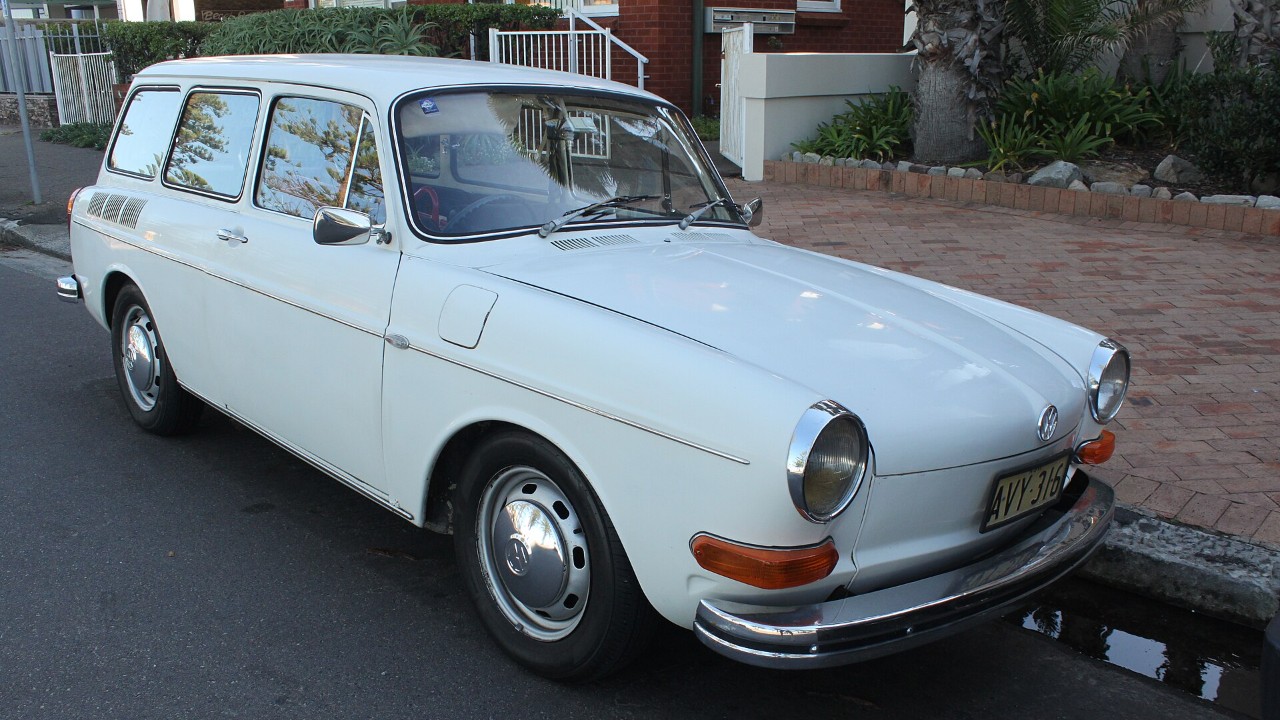
Volkswagen called its Type 3 wagon the Variant at home and the Squareback in the United States. VW of America began selling it for the 1966 model year, when 1600 engines arrived. The engine was a 1,584 cc flat-four.
The clever part was the “pancake” engine. Volkswagen moved the cooling fan to the end of the crankshaft, which lowered the engine’s profile. As a result, the Type 3 had enclosed luggage space both under the front hood and over the rear engine. US Type 3s from 1968 through 1973 also came with Bosch D-Jetronic electronic fuel injection as standard.
So why is it on this list? Mainly because there are so many of them. Germany alone built 1,202,935 Type 36 Variants, and Brazil added 256,760 more. Volkswagen made 2,542,382 Type 3s in all. That means a tired Squareback rarely earns back the price of new paint, chrome and an engine rebuild.
In our view, the Squareback makes a lovely, practical classic. Still, a full nut-and-bolt restoration usually makes little financial sense when good ones change hands regularly.
We compared it with a French rival in our Type 3 versus Renault 8 match-up.
Buyer advice: pay up for a solid, rust-free Squareback with working injection rather than rescuing a rough one.
6. Skoda 110 L
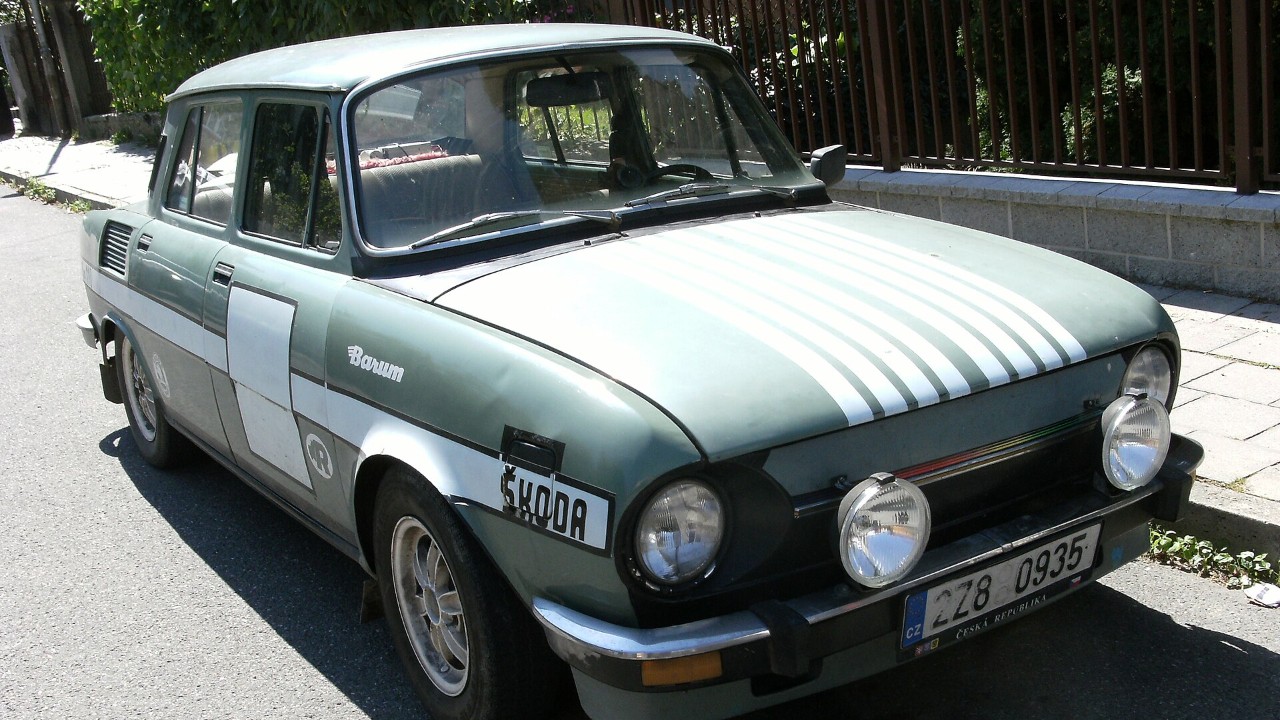
Skoda’s 100 and 110 series were rear-engined, rear-wheel-drive compacts from Czechoslovakia. The 110 used a 1.1-liter engine, and the 110 L sedan ran from 1969 into the mid-1970s. Skoda built 219,864 of the 110 L alone.
That number is a big part of our verdict. Across the whole 100 and 110 family, Skoda produced more than 1,079,000 cars. So the four-door sedan is hardly scarce in its home region. Its styling is also plain, and the driving experience is about simple transport rather than excitement.
Meanwhile, the family has a much more interesting member. Skoda built the 110 R coupe from 1970 to 1980, making 56,902 of them. It was styled a bit like the Porsche of the day, at a much lower price and performance level. In our view, the coupe is the version to chase.
Our take: a 110 L can be a cheerful weekend toy, but a full restoration costs about the same as doing a 110 R. In the end, the coupe is the better place for that money. A sedan only makes sense if you already own one with family history.
Buyer advice: spend your budget on a solid 110 R coupe. Or buy a ready-to-drive 110 L for fun, never as an investment.
7. NSU Prinz 4 L
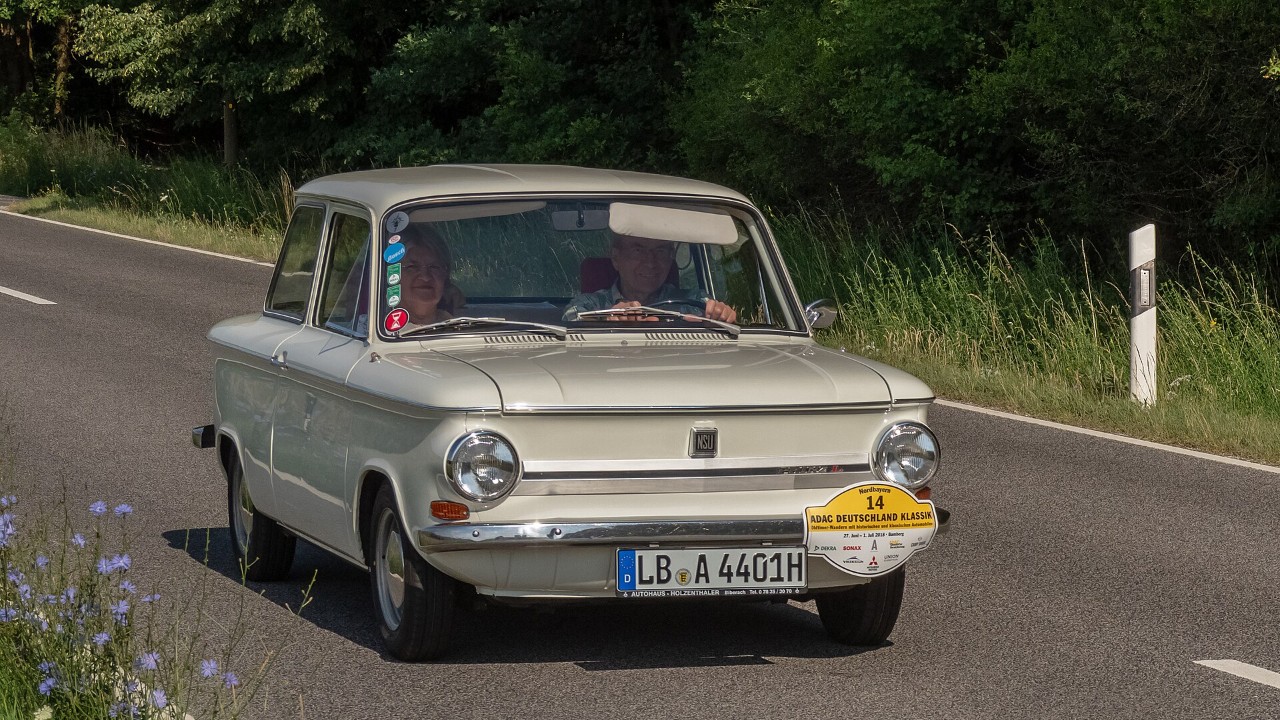
NSU’s Prinz 4 was a highlight of the Frankfurt Motor Show in September 1961. Its squared-off body closely resembled the Chevrolet Corvair, only much smaller. It kept a rear-mounted, air-cooled two-cylinder engine. According to the Autocade model history, that 598 cc overhead-cam twin made 30 PS, enough for about 116 km/h.
The 4 L arrived for 1965 as a more upscale version. It wore a dummy front grille and more trim than the plain cars. In Britain, NSU sold it as the Super Prinz. Then, in 1967, the second series brought a new bumper and other front-end changes.
Here’s the catch. The Prinz 4 stayed nearly unchanged for about a decade, and NSU built hundreds of thousands. As a result, a tired 4 L is a common car with a long list of small parts to source.
In our view, that makes a full restoration a labor of love, not a smart buy. A running car you can enjoy right away is the better route into Prinz ownership. And the Prinz has plenty of character to enjoy, from the twin-cylinder buzz to the miniature Corvair profile.
Buyer advice: buy a complete, running Prinz 4 L with its trim intact. All versions of the Prinz 4 left NSU’s price lists in 1973.
More from Fast Lane Only