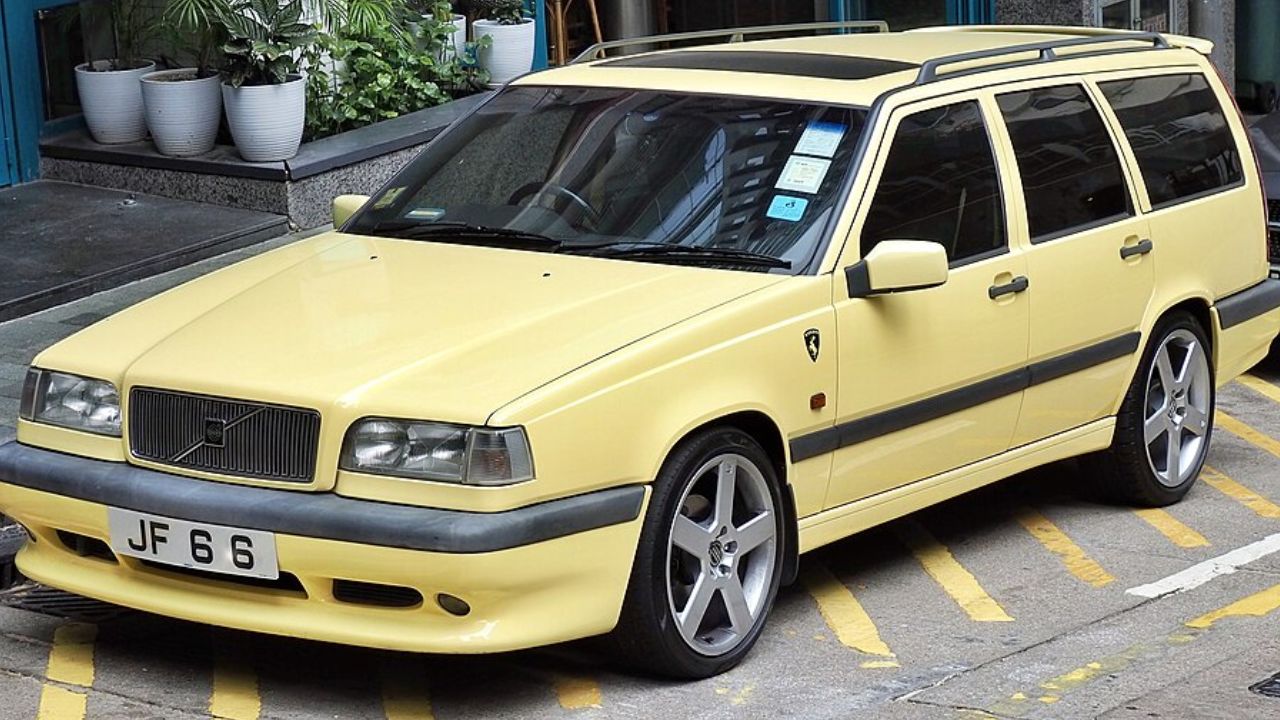
The U.S. new-car market has quietly shed about 1 million buyers in the past few years as prices, loan costs, and insurance bills pushed ownership out of reach for a large slice of households. The shoppers who have disappeared are not luxury customers but middle-income drivers who once formed the backbone of mass-market brands. Their absence is reshaping what gets built, who can buy it, and how long everyone else keeps driving older vehicles.
How the new-car market lost a million mainstream buyers
Affordability has deteriorated so sharply that roughly 1 million households who used to buy new vehicles have been priced out of the market. Analysts trace that drop to a mix of record transaction prices, higher interest rates, and a pullback in discounting that together erased the old entry-level rung of the showroom. The missing buyers are typically households with moderate incomes that once could stretch for a compact sedan or basic crossover but now find the monthly payment unworkable.
Average new-vehicle prices climbed into the upper $40,000s as automakers leaned into larger trucks and SUVs with high trim levels, then held the line on those prices even as production recovered from earlier supply shocks. At the same time, the cost of financing jumped, so a similar sticker price now translates into a much higher monthly bill. Industry data show that many mainstream buyers who previously qualified for 60- or 72-month loans at modest rates are now facing far steeper borrowing costs, which pushes them either into the used market or out of vehicle shopping altogether.
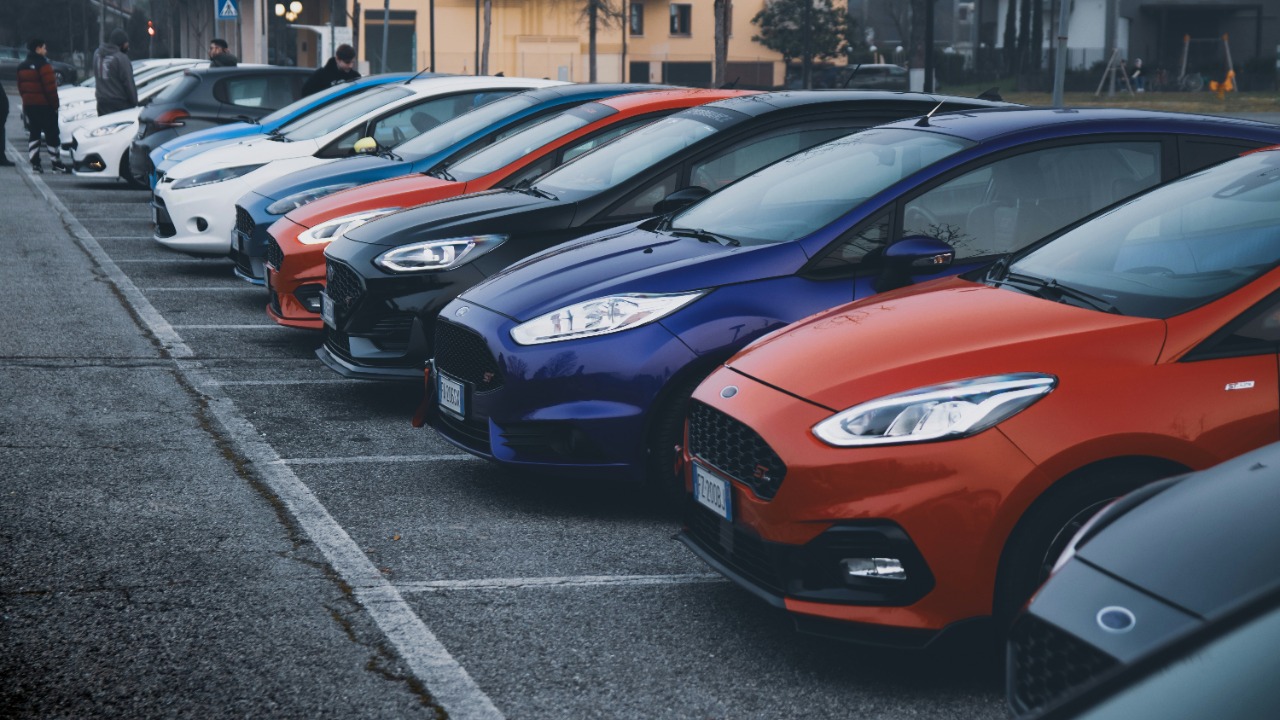
Automakers also cut back on lower-margin models that once served as price leaders. Compact sedans and small hatchbacks, from models such as the Chevrolet Spark or Ford Fiesta, have been discontinued or replaced by higher-priced crossovers. Incentives that used to bridge the gap for budget-conscious shoppers have been trimmed as companies focus on profit per vehicle. According to one analysis of affordability trends, the share of new-car sales going to buyers with lower credit scores has fallen, a sign that the market is skewing toward wealthier and more financially secure households.
The result is a structural shift. Instead of a broad pyramid with many entry-level vehicles at the base, the new-car market increasingly resembles a narrower column dominated by well-equipped SUVs and pickups. Luxury brands and high-priced trims continue to find buyers, while volume-oriented models that once anchored the market have fewer takers. Dealers report that shoppers who come in with a target payment often discover that the only vehicles that fit are used, even when they arrive expecting to buy new.
Why the affordability squeeze is hitting now, not a decade ago
New vehicles have been getting more expensive for years, but several recent forces turned a long-running trend into a full-blown affordability crisis. Supply disruptions earlier in the decade limited inventory and encouraged manufacturers to prioritize high-profit models. That shift conditioned both companies and dealers to rely on richer mixes and fewer discounts, a pattern that has persisted even as production constraints eased.
Meanwhile, the broader cost of car ownership has surged. Auto insurance premiums have climbed at double-digit rates in many states, especially for newer vehicles loaded with sensors and advanced driver-assistance systems that are costly to repair. For a buyer trying to build a monthly budget, the combination of a larger loan payment and a higher insurance bill often proves untenable. Analysts tracking why new-car buyers point to this stack of expenses, not just the sticker price, as the tipping point for many households.
Interest rates also play a decisive role in why the pain is so acute now. Over the past few years, the cost of borrowing has risen quickly, which magnifies the impact of high prices. A vehicle that might have been marginally affordable at a low rate becomes out of reach once the loan carries several extra percentage points of interest. Lenders have responded to higher risk by tightening standards, which further sidelines buyers with thinner credit files or past delinquencies.
Income growth has not kept pace with these rising costs. While wages have increased, they have not matched the combined jump in vehicle prices, financing, insurance, and maintenance. That imbalance is particularly stark for younger buyers who are also dealing with student loans, high rents, or mortgages. Many of them are delaying their first new-car purchase, relying instead on older used vehicles, ride-hailing services, or public transit where available.
Electric vehicles add another layer of complexity. EV prices have come down from earlier peaks and some models qualify for federal tax credits, yet many remain more expensive upfront than comparable gasoline models. Charging access also varies widely by region. For buyers on the financial margin, the uncertainty around resale values, incentives, and infrastructure can make EVs feel like a risky bet, even if operating costs over time might be lower.
Broader economic fallout from a shrinking pool of new-car buyers
The disappearance of 1 million new-vehicle buyers is not just a problem for automakers and dealers. It also shapes the broader economy and the safety and environmental profile of the national fleet. When households hold on to older vehicles longer, those cars are more likely to lack modern crash-avoidance technology and to burn more fuel, which affects both highway safety and emissions.
Used-vehicle markets feel the impact as well. Fewer new-car sales today mean fewer late-model trade-ins tomorrow, which can keep prices for relatively recent used vehicles elevated. That dynamic squeezes the same middle-income buyers who have already been pushed out of the new-car showroom, because they now face stiff competition for three- to five-year-old vehicles that once represented a sweet spot of value.
Regional economies that depend heavily on auto manufacturing and retail can see ripple effects. Dealers that rely on high volumes of affordable models must adapt to a world where those products are scarce and where more of their revenue comes from service and parts. Suppliers that specialize in components for lower-priced cars may confront weaker demand, while factories configured for small sedans or compact crossovers face pressure to retool for larger, more profitable vehicles.
There are social consequences, too. Reliable personal transportation is often a prerequisite for stable employment, especially in areas with limited public transit. When a segment of the population cannot access a dependable vehicle, even on a long loan term, it can limit job options and mobility. The affordability gap therefore risks deepening existing inequalities between households that can absorb a high car payment and those that cannot.
How automakers, lenders, and policymakers may respond next
The industry now faces a strategic choice: continue chasing profit at the top of the market or rebuild an on-ramp for the buyers who have fallen away. Some automakers are experimenting with stripped-down trims of popular models, offering fewer options and smaller screens to keep prices in check. Others are exploring subscription-style features, where certain software-enabled options can be activated later, which lets the base vehicle launch at a lower price.
Financing innovations are also gaining attention. Longer loan terms have already stretched to seven or even eight years in some cases, but that approach carries its own risks, including negative equity and higher default exposure. More promising are targeted rate buydowns, where manufacturers subsidize interest for qualified buyers, and programs that pair lower rates with income verification rather than relying solely on credit scores. Lenders and automakers are also testing new leasing formats that emphasize lower upfront costs and flexible mileage limits.
Policy responses are likely to focus on both supply and demand. On the supply side, regulators can influence the mix of vehicles through fuel-economy and emissions standards, which in turn shape what automakers choose to build. On the demand side, tax credits, targeted rebates, or low-interest financing programs could help lower-income households access safer, more efficient vehicles. Any such measures would need to balance support for buyers with concerns about fiscal cost and market distortion.
More from Fast Lane Only
- Unboxing the WWII Jeep in a Crate
- 15 rare Chevys collectors are quietly buying
- 10 underrated V8s still worth hunting down
- Police notice this before you even roll window down
*Research for this article included AI assistance, with all final content reviewed by human editors.