Robert Kearns was a Detroit engineering professor who built a windshield wiper that could pause between sweeps. He showed it to Ford in the early 1960s. Ford later put its own intermittent wipers on its cars, and Kearns spent most of the next three decades fighting the carmakers in court. Juries eventually found that both Ford and Chrysler had infringed his patents.
Today a delay setting on the wiper stalk is so ordinary that few drivers think about it. However, the feature comes with a patent fight that ran for decades. It even became a Hollywood film.
The story is less about a gadget than about who gets credit. Kearns wanted to build and sell his wipers to the industry. Instead, he became famous for refusing to settle.
How Robert Kearns came up with the blinking wiper
Kearns joined the Engineering Mechanics faculty at Wayne State University in 1957 as an assistant professor, according to the university’s College of Engineering. He earned tenure in 1960 and became an associate professor in 1963. He left in 1967 to become Detroit’s building commissioner.
Initially, the idea came on the road. DBusiness magazine reports that in November 1962 Kearns was driving his Ford Galaxie in a light drizzle. He asked himself why a wiper could not work more like an eyelid and blink. By the summer of 1963 he had a prototype.
Technically, his circuit was simple. PistonHeads describes it as a single transistor, one capacitor and a variable resistor. Together, those parts created a pause at the end of each sweep, and the driver could adjust the length of the delay. Kearns also imagined a version that would sense rain and set its own timing.
The Ford demonstration
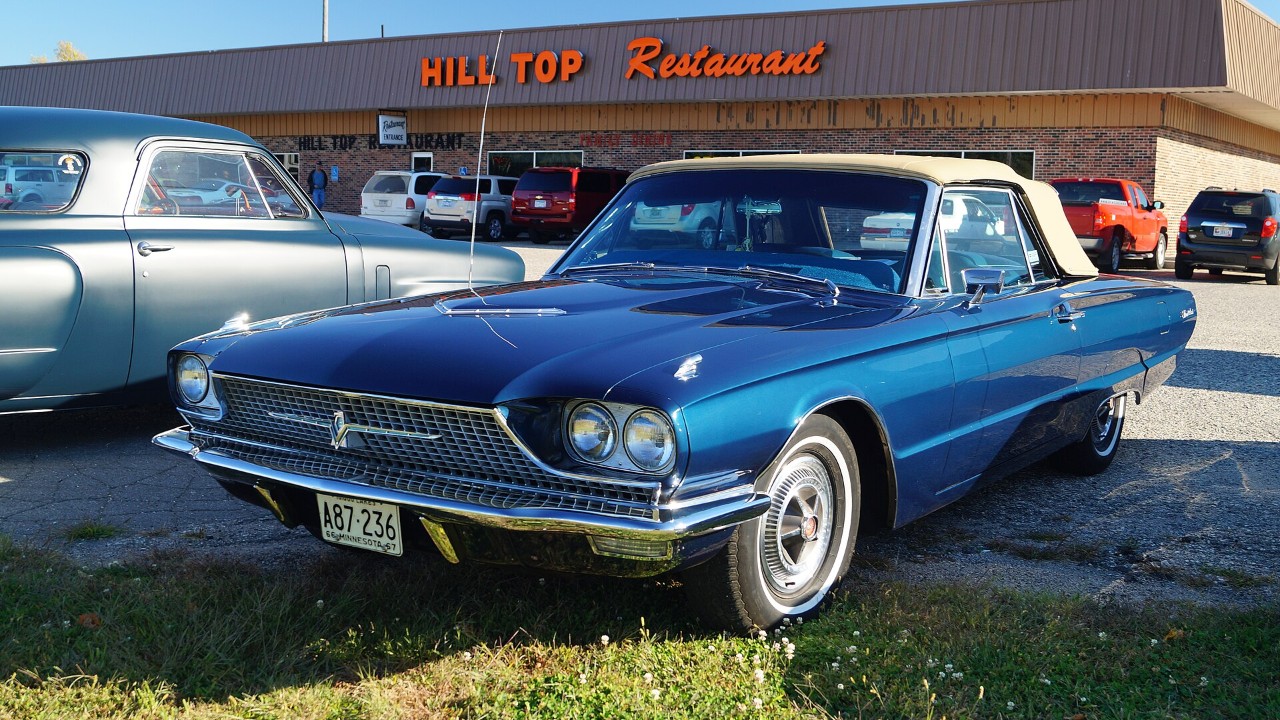
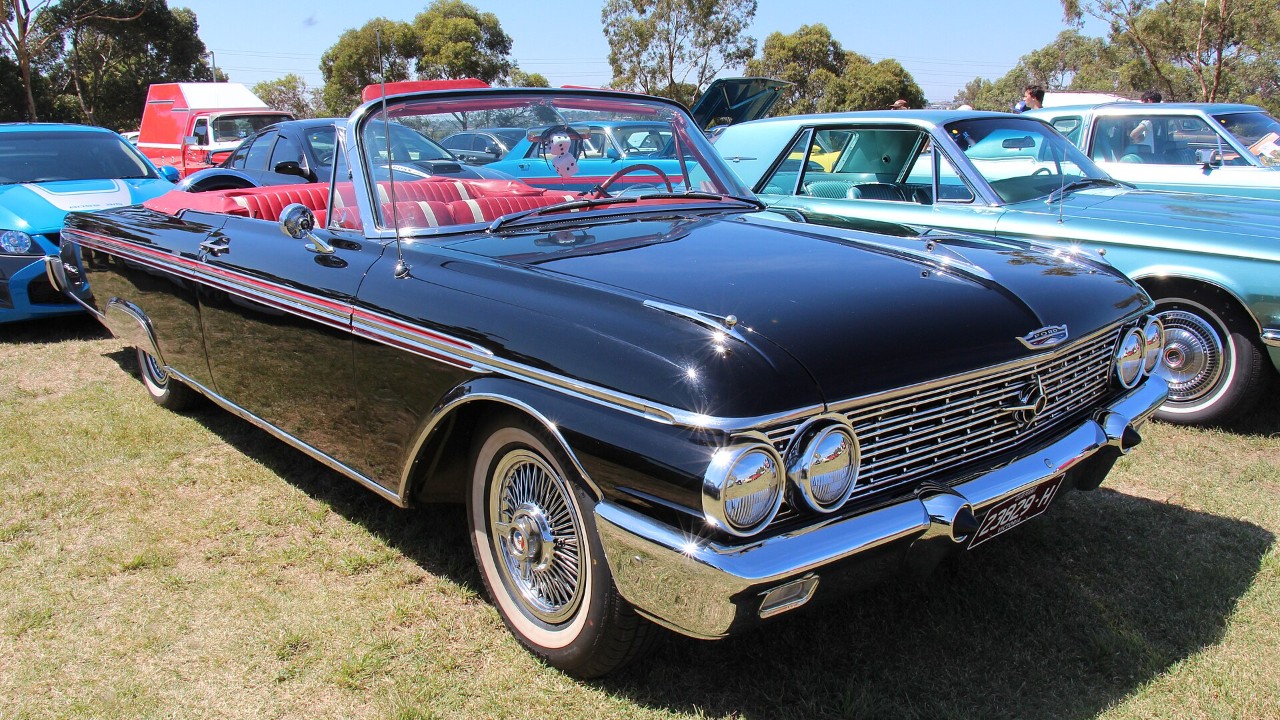
Kearns took the idea to Ford in 1963, using his 1962 Galaxie 500 convertible, according to PistonHeads. DBusiness says he showed the wipers to 10 Ford engineers in a Dearborn parking lot. Ford asked for a durability test of 3 million cycles. Kearns ran his test for six months and beat that target by 400,000 cycles.
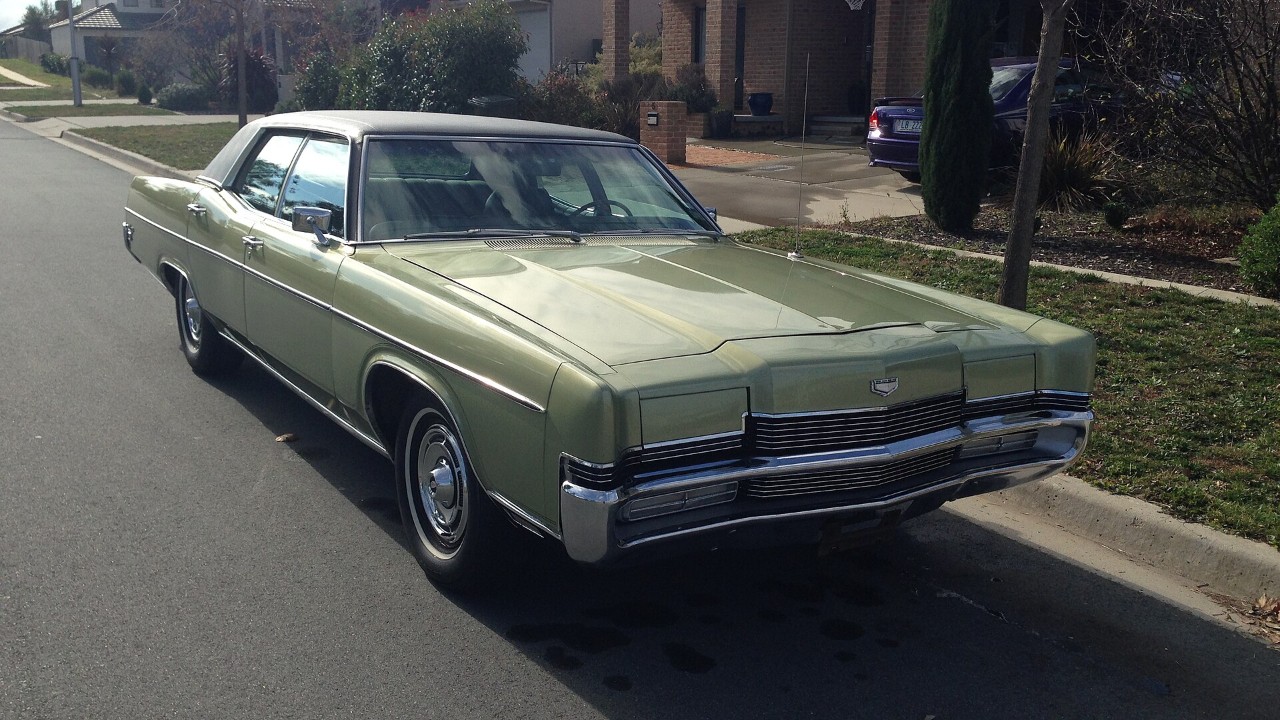
After that, the talks went sour. According to DBusiness, Ford offered a contract only after Kearns explained how the device worked. Five months later, the company told him it had developed its own version. Ford introduced its first electronic intermittent wiper system in 1969, and DBusiness says the feature appeared on Mercury models that year.
Meanwhile, Kearns kept working on his patents, which he received in 1967, according to Wayne State. Scientific American adds a later turning point. In 1976, while working with the National Bureau of Standards, he took apart a commercial wiper system. He found that its maker had apparently adopted his design.
Robert Kearns v. Ford
Kearns sued Ford in 1978. The case moved slowly, and at times he acted as his own lawyer. On January 29, 1990, a jury found that Ford had violated his patents but had done so unintentionally, the Deseret News reported at the time. A second phase on damages then ended in a mistrial when the jury could not agree on an award.
Ford had earlier offered $30 million to end the case, according to both DBusiness and PistonHeads. Even so, Kearns refused. “This case isn’t about money,” he said, as DBusiness quotes him. In the end, Ford paid $10.2 million. The Deseret News worked that out at about 51 cents per vehicle across 20 million Ford, Lincoln and Mercury cars.
The Chrysler verdict
Kearns filed against Chrysler in 1982. In December 1991, a federal jury found that Chrysler had infringed his patents. Then, in June 1992, a second jury in Detroit set damages at $11.3 million. That covered wipers on 12.6 million vehicles sold from 1977 to 1988, or about 90 cents per car, according to the Deseret News.
The figures show how far apart the two sides were. Kearns had asked for $29.19 per car. By contrast, Chrysler’s lawyers had called a nickel per car reasonable. The jury also found the infringement was not willful, so Judge Avern Cohn could not triple the award. Chrysler said its own patented system did not infringe and promised to appeal.
That appeal failed. Wayne State says the Supreme Court let the judgment stand in 1995, and Chrysler was ordered to pay $18.7 million plus interest. PistonHeads gives the same figure. Scientific American sums up the two cases as “about $30 million in awards.”
What came after
Still, the wins did not settle everything. Critics argued that an electronic wiper timer was obvious, and Ford made that case in court, Scientific American notes. PistonHeads reports that Kearns filed claims against 26 carmakers in all, and the remaining suits were dismissed in 1996. So the two big victories stayed his only ones.
His story reached a wider audience in 2008 with the film Flash of Genius, according to Scientific American. Kearns did not live to see it. He died of cancer on February 9, 2005, at the age of 77, according to Wayne State.
More from Fast Lane Only