In recent years, the automotive industry has undergone a significant transformation with the introduction of advanced safety technologies. These advancements aim to reduce accidents and enhance the overall driving experience. Safety tech features that have become mandatory in new cars are ensuring safer roads for everyone.
Enhanced Driver Assistance Systems (ADAS)

Adaptive Cruise Control (ACC)
Adaptive Cruise Control (ACC) represents a significant leap in automotive safety technology. Unlike traditional cruise control systems that maintain a constant speed, ACC adapts to the flow of traffic by automatically adjusting the car’s speed to maintain a safe distance from the vehicle ahead. This is particularly useful on highways, where traffic can be unpredictable. For instance, models like the Honda Accord and Toyota Camry have integrated ACC, helping to reduce driver fatigue and minimize the risk of rear-end collisions.
Lane Keeping Assist (LKA)
Lane Keeping Assist (LKA) is another critical feature of ADAS, designed to help drivers stay within their designated lanes. By using cameras and sensors, LKA provides steering inputs or alerts if the vehicle begins to drift out of its lane without signaling. This technology is particularly beneficial for long-distance travel, where drivers might experience fatigue. The Ford F-150 and Tesla Model 3 are examples of vehicles equipped with LKA, contributing to enhanced road safety by reducing lane-departure accidents.
Automatic Emergency Braking (AEB)
Automatic Emergency Braking (AEB) is a life-saving technology that detects potential collisions and automatically applies the brakes if the driver fails to respond in time. This system uses radar and camera technology to monitor the road ahead and can significantly reduce the severity of an impact or even prevent an accident entirely. AEB is becoming a standard feature in many vehicles, including the Subaru Outback and Nissan Rogue, demonstrating its importance in modern vehicle safety.
Advanced Airbag Systems
Side-Impact Airbags
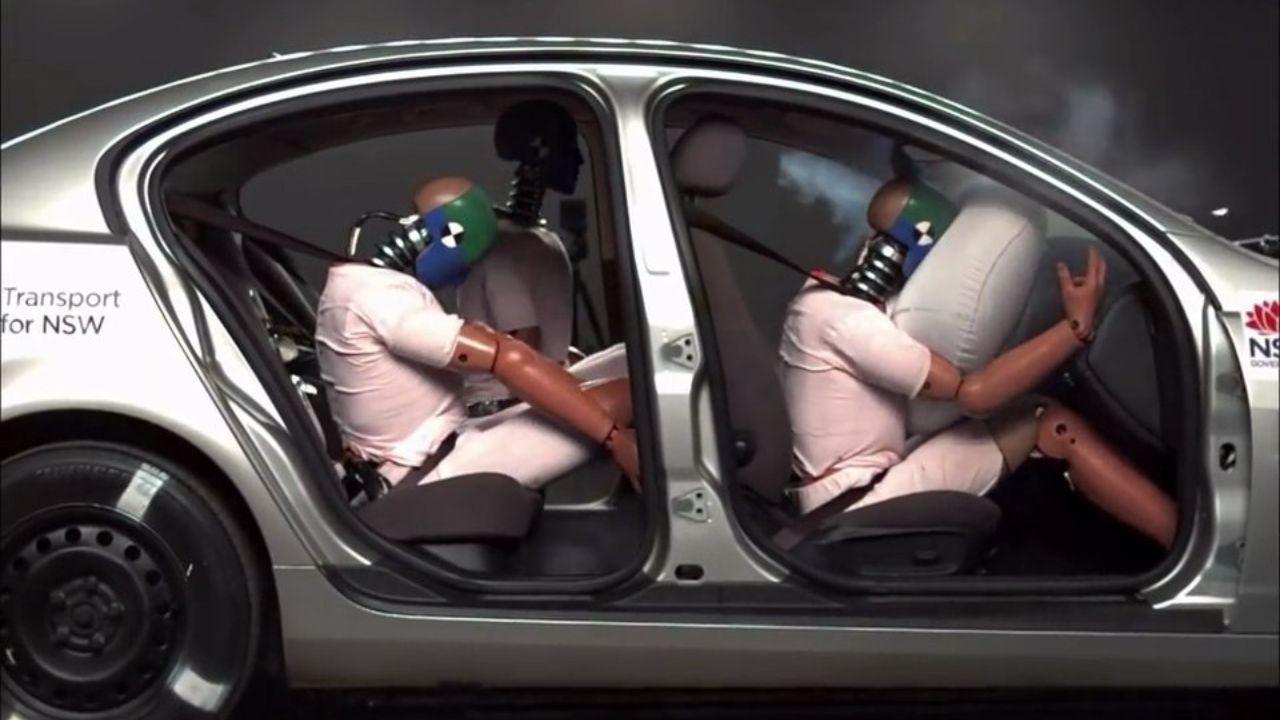
Side-impact airbags play a crucial role in protecting occupants during a side collision, which can be particularly dangerous due to the limited crumple zone between the occupants and the point of impact. Many manufacturers, including BMW and Mercedes-Benz, have made side-impact airbags a standard feature in their latest models. These airbags deploy from the side of the seat or door panel, providing a protective cushion that can help prevent serious injuries.
Knee Airbags
Knee airbags are designed to protect the lower extremities of passengers in the event of a crash, reducing the risk of leg and knee injuries. These airbags deploy from the lower dashboard and have become a common feature in vehicles like the Jeep Cherokee and Toyota Corolla. By minimizing the movement of the lower body during a collision, knee airbags contribute to overall passenger safety.
Smart Airbag Deployment
Smart airbag deployment systems utilize advanced sensors and algorithms to determine the severity of a crash and deploy airbags accordingly. This ensures that airbags provide maximum protection without causing additional harm. Vehicles from automakers like Audi and Volvo incorporate this technology, adjusting airbag deployment based on factors such as the weight and seating position of the occupant, as well as the impact’s force.
Tire Pressure Monitoring Systems (TPMS)

Real-Time Pressure Alerts
Tire Pressure Monitoring Systems (TPMS) are essential for maintaining optimal tire pressure, which is crucial for vehicle safety and performance. By providing real-time alerts when tire pressure drops below recommended levels, TPMS helps prevent blowouts and other tire-related issues. Many vehicles, including the Hyundai Sonata and Chevrolet Equinox, feature TPMS as a standard safety measure.
Fuel Efficiency and Tire Lifespan
Maintaining proper tire pressure not only enhances safety but also contributes to better fuel efficiency and longer tire lifespan. Under-inflated tires increase rolling resistance, which can lead to higher fuel consumption and faster tire wear. By ensuring tires are properly inflated, TPMS systems help drivers save money on fuel and extend the life of their tires, making it a valuable feature for both safety and economy.
Safety Benefits
The safety benefits of TPMS are significant, as under-inflated tires can increase the risk of losing control of the vehicle, especially in adverse weather conditions. By alerting drivers to potential tire pressure issues, TPMS plays a crucial role in maintaining vehicle stability and preventing accidents. This technology is now a mandatory feature in new cars, reflecting its importance in road safety.
Blind Spot Detection Systems
Radar and Sensor Technology
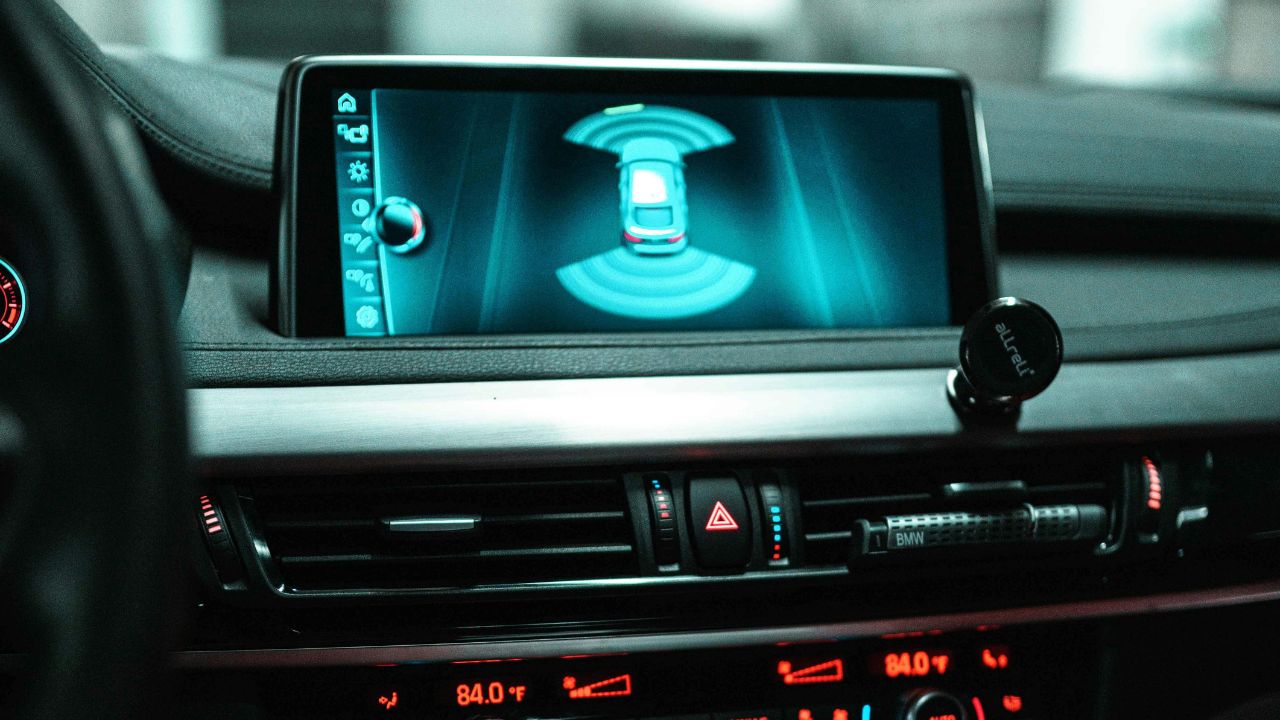
Blind Spot Detection Systems use radar and sensor technology to monitor areas that are not visible to the driver, providing alerts when another vehicle is detected in the blind spot. This technology is crucial for safe lane changes and merges, and it is now a standard feature in many vehicles, including the Mazda CX-5 and the Kia Sportage.
Enhanced Driver Awareness
By enhancing driver awareness, Blind Spot Detection Systems significantly reduce the likelihood of lane-change accidents. These systems provide visual or audible alerts when a vehicle is detected in the blind spot, allowing the driver to make informed decisions. The increased awareness provided by these systems contributes to a safer driving environment for all road users.
Integration with Other Safety Features
Blind Spot Detection Systems often integrate with other safety features, such as Lane Keeping Assist and Automatic Emergency Braking, to offer comprehensive protection. This integration creates a network of safety technologies that work together to prevent accidents and enhance the overall driving experience. Vehicles like the Lexus RX and Honda CR-V exemplify how these systems can be seamlessly combined for maximum safety.
Rearview Cameras and Parking Sensors
Mandatory Rearview Cameras
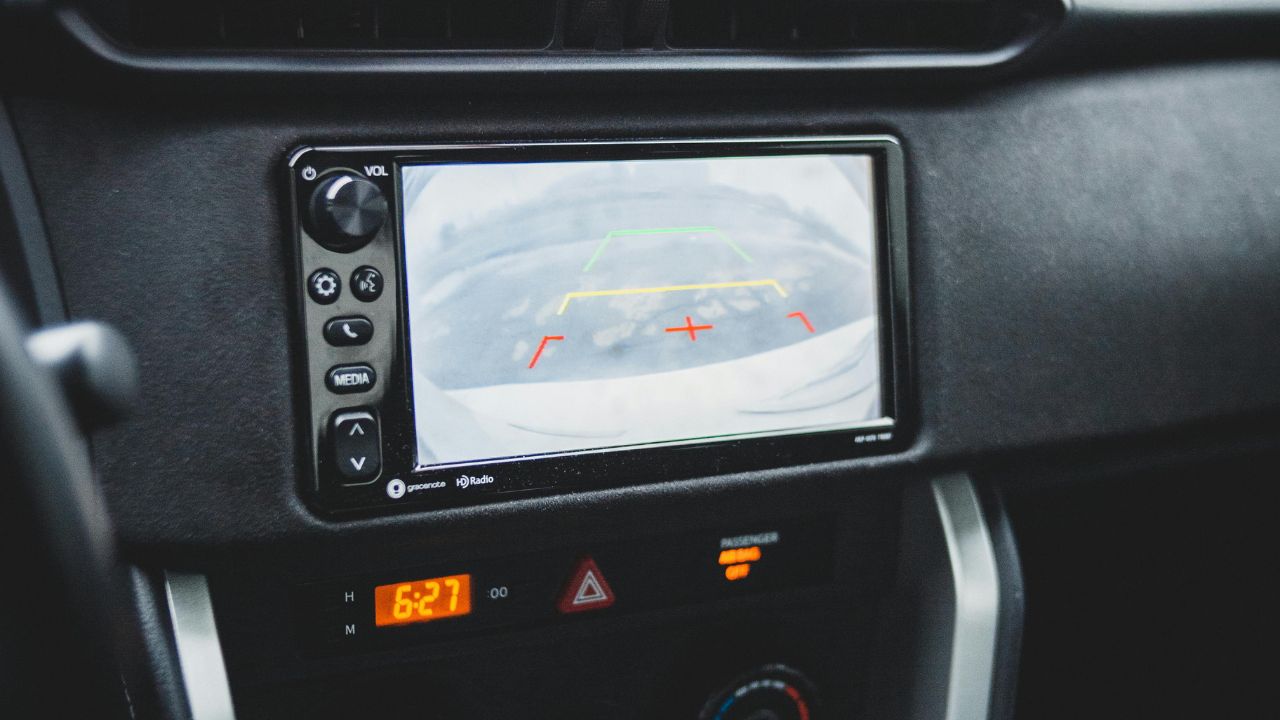
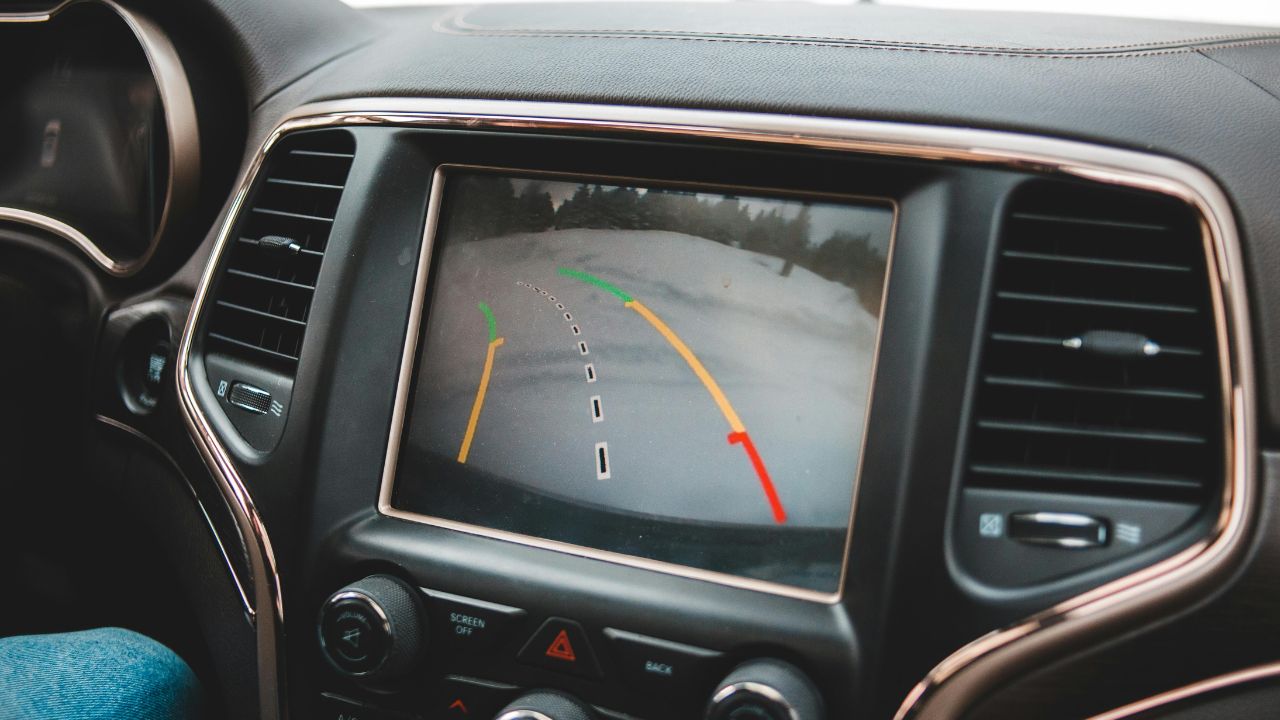
Rearview cameras have become a mandatory feature in new cars, significantly reducing the risk of backover accidents. These cameras provide a clear view of the area behind the vehicle, helping drivers avoid obstacles and pedestrians. The widespread adoption of rearview cameras in vehicles like the Ford Escape and Subaru Forester underscores their importance in modern vehicle safety.
Parking Assistance Technology
Parking sensors complement rearview cameras by providing additional assistance when maneuvering in tight spaces. These sensors detect nearby objects and alert the driver to their presence, making parking in crowded urban environments safer and more manageable. Vehicles such as the BMW 3 Series and Volkswagen Golf benefit from this technology, which enhances driver confidence and reduces the likelihood of parking-related accidents.
Improving Urban Safety
The combination of rearview cameras and parking sensors plays a vital role in improving safety in densely populated urban areas. By providing drivers with better awareness of their surroundings, these technologies help prevent accidents and enhance pedestrian safety. As cities become more congested, the importance of such features in ensuring road safety continues to grow.