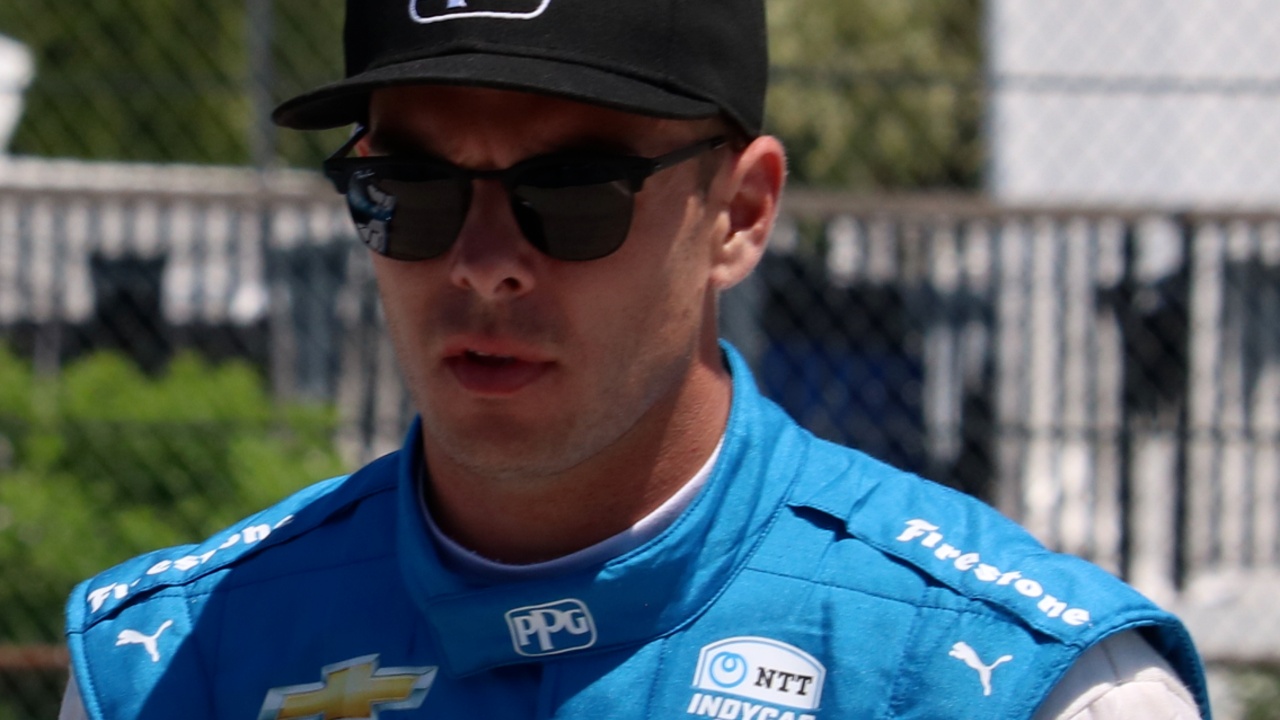
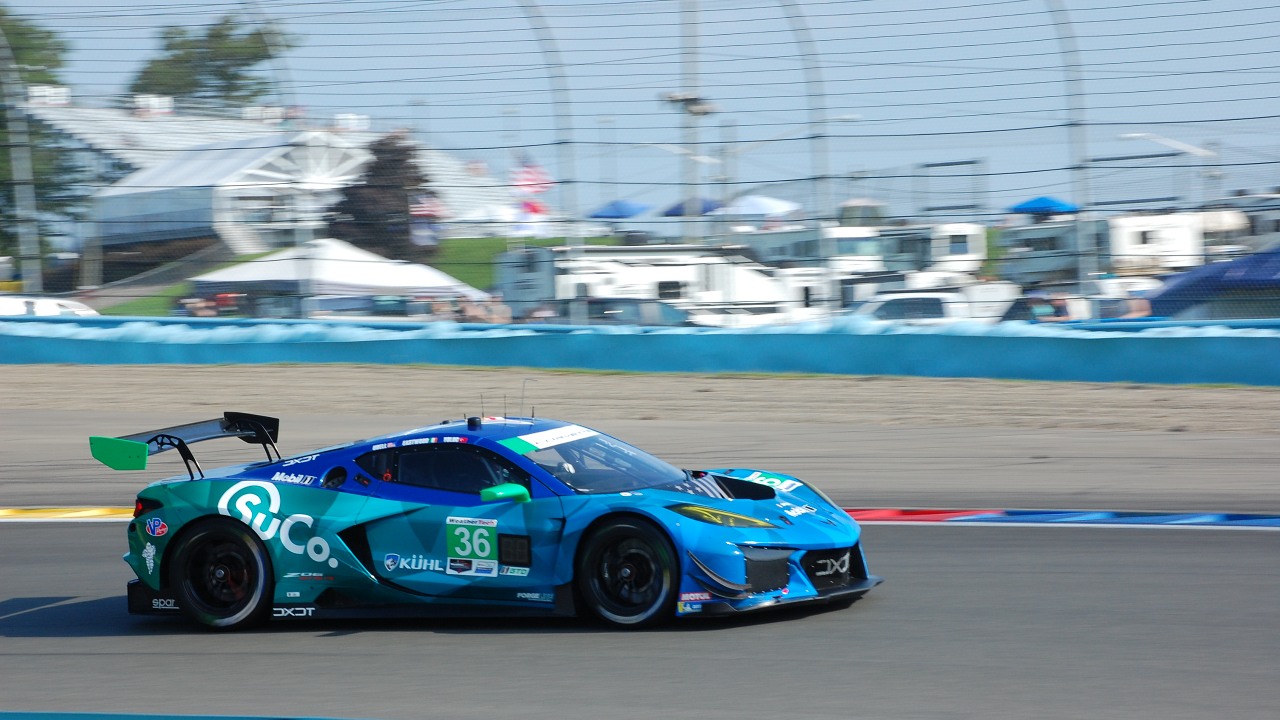
DXDT Racing has moved aggressively to strengthen its Rolex 24 at Daytona effort, drafting IndyCar standout Scott McLaughlin into its Grand Touring Daytona program in a late but eye-catching roster tweak. The addition of the three-time Supercars champion to the No. 36 Corvette Z06 GT3.R gives the team a proven winner with recent endurance form and deep experience in high-pressure, multi-class events. It also signals that DXDT is intent on being more than a midfield curiosity in GTD, even as it adapts to a new car and a refreshed driver mix.
The move drops one of the NTT INDYCAR SERIES’ most polished all-rounders into one of IMSA’s most demanding races, creating a crossover storyline that will resonate on both sides of the paddock. For McLaughlin, it is another step in a deliberate push to broaden his sports car résumé around his primary open-wheel commitments, while for DXDT it is a statement that its first full Rolex 24 attack with the Corvette is built around headline talent rather than quiet experimentation.
DXDT’s late call and the shape of the No. 36 Corvette program
DXDT Racing’s decision to finalize its Daytona lineup with Scott McLaughlin comes after the core of its GTD program was already in place, turning a solid roster into one with genuine star power. The team has committed its No. 36 Corvette Z06 GT3.R to the full IMSA WeatherTech SportsCar Championship season in the Grand Touring Daytona class, blending returning DXDT regulars with new faces for the Rolex 24. By locking in its long-distance specialist group around that entry, the team has created a platform where a late addition like McLaughlin is less a patch and more a performance upgrade.
The structure of the program reflects a balance between continuity and ambition, with DXDT pairing its established GTD presence with the factory-developed Corvette that debuts in customer hands at Daytona. The No. 36 effort is based out of DAYTONA BEACH, Fla, and is framed as a serious tilt at class honors rather than a learning exercise, a stance underlined by the timing and profile of McLaughlin’s recruitment. The team’s public confirmation of the full Rolex 24 lineup, followed almost immediately by the news that the IndyCar star would join the group, shows how tightly the late move has been integrated into a plan that was already aimed at maximizing the new car’s potential.
Why Scott McLaughlin is such a significant addition
Scott McLaughlin arrives at DXDT with a résumé that instantly changes how rivals will view the No. 36 Corvette. He is a three-time Supercars champion who has successfully transitioned into the NTT INDYCAR SERIES, where he became the Indianapolis 500 Rookie of the Year and remains a key part of Team Penske’s lineup. That blend of touring car racecraft and open-wheel precision is rare, and it is exactly the kind of skill set that tends to translate well into the traffic management and stint discipline required at the Rolex 24.
McLaughlin has also been deliberate about building a broader endurance portfolio around his primary commitments, which makes this move feel like a logical progression rather than a one-off cameo. His own news feed has highlighted appearances in long-distance events such as the Suzuka 1000, where JMR ANNOUNCES FULL DRIVER LINE FOR a program that featured him alongside established GT drivers, underscoring his appetite for multi-hour races. At the same time, his decision to turn down a Bathurst 12 Hour opportunity because of NTT INDYCAR SERIES obligations shows that he is selective about where he adds sports car mileage, which in turn underlines the significance of choosing DXDT and Daytona as a place to invest his limited off-season bandwidth.
How McLaughlin fits DXDT’s GTD ambitions
From DXDT’s perspective, bringing in McLaughlin is as much about signaling intent as it is about raw lap time. The GTD class is notoriously deep, with factory-affiliated lineups and seasoned specialists filling the grid, so a privateer-style operation needs a differentiator to stand out. By centering its Rolex 24 narrative around an active IndyCar race winner, DXDT positions the No. 36 Corvette as a car that expects to run at the front of the category rather than simply survive the night, a message that aligns with the team’s broader push to be a consistent GTD force.
The fit is also practical. McLaughlin’s background in high-downforce single-seaters and heavy, powerful touring cars gives him a toolkit that should mesh well with the Corvette Z06 GT3.R’s characteristics, particularly in the high-speed sections of Daytona where confidence in aero and braking stability is critical. DXDT’s existing GTD drivers bring detailed knowledge of IMSA procedures, traffic patterns and the nuances of the series’ Balance of Performance, while McLaughlin adds a proven ability to adapt quickly to new machinery and extract peak pace over a stint. That combination of institutional experience and fresh, top-tier talent is exactly the kind of blend that has underpinned successful GTD campaigns in recent seasons.
The broader context of McLaughlin’s sports car trajectory
McLaughlin’s decision to join DXDT at Daytona fits into a broader pattern of carefully chosen sports car outings that complement his open-wheel career rather than distract from it. His official profile confirms that he remains fully committed to the NTT INDYCAR SERIES with Team Penske, yet his schedule has increasingly featured targeted endurance events that expand his skill set. Earlier appearances in long-distance races, including the Suzuka 1000 program where JMR ANNOUNCES FULL DRIVER LINE FOR a lineup built around him and other high-profile names, show that he is comfortable stepping into unfamiliar cars and formats and delivering immediately competitive pace.
At the same time, McLaughlin has been clear that he will not chase every GT or endurance opportunity that comes his way, a stance illustrated by his choice to skip the Bathurst 12 Hour because it clashed with his INDYCAR preparation. That selectivity makes the DXDT call-up more meaningful, suggesting that the Rolex 24 entry offers the right mix of competitive potential, manufacturer backing through the Corvette platform and schedule compatibility. For a driver who has already proven he can win in Supercars and contend in IndyCar, adding a strong Daytona result with DXDT would be another marker in a career that is increasingly defined by versatility across disciplines.
What the move means for the Rolex 24 competitive picture
In competitive terms, McLaughlin’s late addition subtly reshapes the GTD storyline heading into the Rolex 24. The No. 36 Corvette was already an intriguing entry as one of the first customer Z06 GT3.R programs, but attaching a current IndyCar race winner to that car elevates expectations and media attention. Rivals now have to account for a driver who is accustomed to operating at the sharp end of elite championships, and who has shown in both Supercars and INDYCAR that he can manage fuel, tires and traffic while still delivering decisive pace when it matters.
For DXDT, the move also tightens the feedback loop between its GTD effort and the broader Corvette GT3 ecosystem. McLaughlin’s ability to articulate car behavior across very different platforms has been a hallmark of his transitions from Supercars to INDYCAR, and that same clarity should be an asset as the team works through the Z06 GT3.R’s first 24-hour race in customer hands. If the No. 36 crew can stay clear of trouble and leverage McLaughlin’s stints during key phases such as night running and restarts, the late roster change has the potential to be remembered not just as a headline-grabbing signing, but as a decisive factor in where DXDT’s Rolex 24 story ends on Sunday afternoon.
More from Fast Lane Only: