Senators hoping to grill auto executives about soaring car prices have been forced to wait after a high profile hearing was abruptly postponed. The delay followed a standoff with Ford CEO Jim Farley and his Detroit rivals over who would appear, while Elon Musk, whose companies loom large over the industry, remained conspicuously outside the witness list. The result is a spotlight on both the limits of congressional leverage and the uneven way political scrutiny is falling on the companies shaping the future of driving costs.
How a marquee hearing on car prices unraveled
Lawmakers on the Senate Commerce Committee had planned a rare joint appearance by the leaders of the Detroit Three to probe why new vehicles have become so expensive and how policy choices on fuel rules and domestic manufacturing are affecting what Americans pay. The hearing was designed as a centerpiece of a broader push to show voters that Congress is pressuring automakers on affordability, with the Committee seeking testimony from the chief executives of Ford, General Motors, and Stellantis, often referred to collectively as the Detroit Three. According to reporting on the Committee’s plans, the session was framed around the companies’ role in domestic production and the cost of new models, not around any single executive’s personality or politics, and it was the absence of that unified CEO panel that ultimately derailed the schedule, not the status of any outside figure such as Elon Musk.
The plan began to fall apart when Ford CEO Jim Farley told senators he would not attend, a decision that immediately undercut the premise of a joint interrogation of the industry’s biggest legacy players. Once Farley declined, General Motors signaled that CEO Mary Barra would only appear if all of the invited chief executives participated, and Stellantis took a similar position, effectively tying their attendance to Ford’s. That chain reaction left the Committee without the marquee lineup it had promised, and the Senate postponed the hearing after it became clear that the Detroit Three would not sit together at the witness table. Reports on the Committee’s move to delay the session describe it as a response to this coordinated pullback by the automakers, not to any action or inaction by Musk, who was never on the invitation list for the proceeding.
Ted Cruz, Jim Farley, and a political showdown over accountability
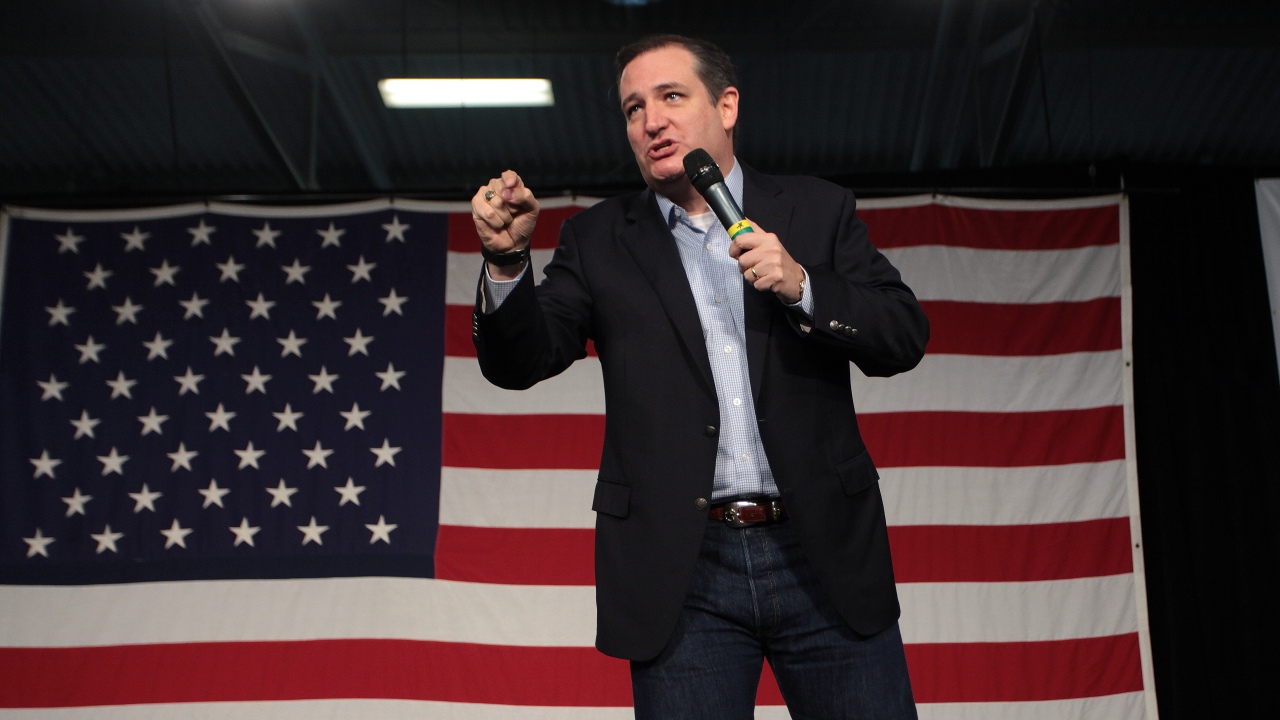
Once the hearing collapsed, Senator Ted Cruz, the top Republican on the Commerce Committee, moved quickly to frame the breakdown as a story about corporate leaders dodging public accountability. Cruz accused Ford CEO Jim Farley of being “terrified of testifying,” casting Farley’s refusal as an effort to avoid tough questions about pricing, fuel efficiency standards, and the company’s reliance on federal policy. That criticism carried extra sting because Farley had appeared in the Oval Office with President Donald Trump to discuss lowering fuel efficiency standards, a meeting that underscored Ford’s direct access to the White House on regulatory issues that shape both consumer costs and corporate profits. By highlighting that Oval Office appearance, Cruz sought to contrast Farley’s willingness to engage privately with the administration with his reluctance to face bipartisan questioning in a public hearing room.
Cruz also signaled that the Committee could escalate the confrontation by considering a subpoena to compel Farley’s testimony, a step that would turn a policy hearing into a more overt clash over congressional authority. The senator’s rhetoric suggested he viewed the hearing not just as a fact finding exercise on car prices but as a test of whether major automakers can be forced to answer for their pricing strategies and lobbying campaigns in a televised setting. In that context, the absence of Elon Musk functions more as a political talking point than a procedural fact, since the Committee’s immediate leverage runs through the Detroit Three executives who were actually invited and then declined to appear. The focus of Cruz’s criticism, and of the Committee’s potential subpoena power, remains squarely on Farley and his peers rather than on Musk.
Why Elon Musk looms large despite not being invited
Even though Elon Musk was not asked to testify, his shadow hangs over the debate about car prices and the future of the auto market. Tesla’s aggressive pricing moves on models like the Model 3 and Model Y have helped reset expectations for electric vehicle costs, while Musk’s broader portfolio, including ventures in battery technology and software, has pushed legacy automakers to accelerate their own electric and digital strategies. That competitive pressure is one reason senators wanted to question the Detroit Three about how they are balancing investments in new technology with the need to keep vehicles affordable, and why some models have climbed well beyond the budgets of typical households. Musk’s absence from the witness list, however, reflects the Committee’s decision to focus this particular hearing on traditional domestic manufacturers rather than on newer entrants that do not fit the Detroit mold.
The contrast is striking because Musk’s companies are deeply entangled with many of the same policy questions that senators hoped to raise with Ford, General Motors, and Stellantis. Federal incentives for electric vehicles, debates over domestic battery production, and disputes about labor standards all touch Tesla and its competitors, yet the postponed hearing was structured around the Detroit Three’s share of U.S. domestic vehicle manufacturing. That framing helps explain why Musk was not invited, but it also highlights a gap in congressional oversight, since one of the most influential figures in the auto sector is being discussed from the sidelines rather than questioned directly. The current reporting makes clear that the delay was triggered by the Detroit CEOs’ decisions, not by any move from Musk, yet his nonparticipation underscores how incomplete the conversation about car prices can feel when one of the industry’s most disruptive leaders is not at the table.
GM, Stellantis, and the united front that stalled the hearing
General Motors and Stellantis played a decisive role in turning Farley’s individual refusal into a collective stand that left the Senate with little choice but to postpone. GM indicated that CEO Mary Barra would attend only if all of the invited chief executives participated, effectively making her appearance contingent on Ford’s cooperation. Stellantis, which has significant U.S. operations through brands like Jeep and Ram, aligned with that position, reinforcing the message that the Detroit Three would either face the Committee together or not at all. By linking their attendance in this way, the companies transformed what might have been a partial panel into an all or nothing proposition, and when Farley held firm, the entire hearing structure collapsed.
This united front underscores how much leverage the Detroit Three still wield in Washington when they act in concert, particularly on issues tied to domestic manufacturing and jobs. Senators had hoped to use the hearing to press the companies on topics ranging from pricing strategies to their commitments to U.S. plants, but the coordinated refusal shows that the automakers are willing to absorb political criticism rather than submit to a format they view as unfavorable. The reporting on the Committee’s postponement emphasizes that the Senate was targeting the Detroit Three because of their central role in U.S. vehicle production, which further clarifies why Musk, whose companies follow a different manufacturing and labor model, was not part of this specific witness list. The delay, in other words, is a product of Detroit’s collective bargaining with Congress, not of any decision by Musk.
What the delay means for drivers facing record car costs
For consumers, the most immediate consequence of the postponed hearing is symbolic rather than financial, but symbolism matters when car payments are eating up larger shares of household budgets. Senators had promised a public reckoning over why average transaction prices have climbed so high, why popular models like full size pickups and three row SUVs have become out of reach for many buyers, and how corporate decisions on features, financing, and production mix are feeding those trends. The delay sends a signal that even when Congress tries to stage a high profile examination of these issues, it can be thwarted by executives who calculate that the political downside of skipping a hearing is smaller than the risk of being grilled on live television about their pricing and profit margins.
At the same time, the standoff exposes a broader accountability gap in how Washington is confronting the forces driving up vehicle costs. The focus on the Detroit Three reflects their historic role in U.S. manufacturing, but it leaves out other powerful players, including Elon Musk, whose companies are reshaping the market through electric vehicles, software based features, and direct to consumer sales models. The current reporting makes clear that Musk’s absence did not cause the postponement, which stemmed from the Detroit CEOs’ coordinated refusal to appear, yet his noninvolvement highlights how fragmented congressional oversight remains. Until lawmakers find a way to bring both legacy automakers and newer giants like Musk’s enterprises into the same conversation, drivers looking for relief on car prices are likely to see more political theater than concrete answers.
More from Fast Lane Only: