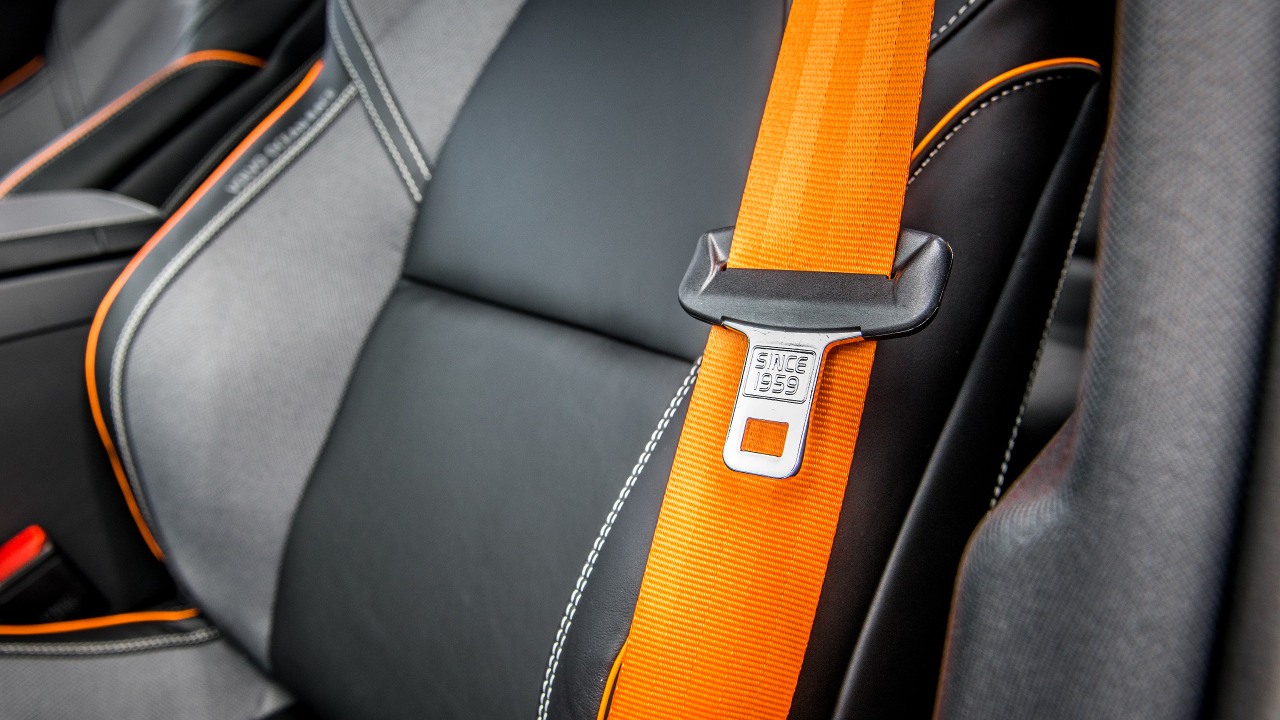
Seat belt laws are a crucial aspect of road safety, designed to protect drivers and passengers by minimizing the risk of injury or death in an accident. However, these laws vary significantly across U.S. states, reflecting diverse legislative priorities and enforcement practices. Understanding these differences is essential for travelers and residents alike.
Types of Seat Belt Laws
Seat belt enforcement laws can be categorized into two main types: primary and secondary enforcement. Primary enforcement allows law enforcement officers to stop and ticket a driver solely for not wearing a seat belt. In contrast, secondary enforcement means officers can only issue a seat belt citation if the driver has been pulled over for another violation, such as speeding.
For instance, states like California and New York have primary enforcement laws. In these states, officers have the authority to stop and ticket drivers if they or their passengers are not wearing seat belts, without any other traffic violation taking place. Meanwhile, states such as Nebraska and Ohio have secondary enforcement laws. In these states, a seat belt violation alone is not enough to warrant a traffic stop. This distinction can significantly impact compliance rates, as primary enforcement is generally associated with higher seat belt usage.
Seat Belt Coverage Requirements
Seat belt laws also differ in terms of coverage requirements, particularly concerning which vehicle occupants must wear seat belts. In some states, such as New Jersey and Texas, the law mandates that all vehicle occupants, regardless of their seating position, must wear seat belts. This comprehensive approach aims to enhance safety for all passengers, acknowledging that back-seat passengers are also at risk during accidents.
Conversely, other states may only require seat belts for front-seat occupants, with some exceptions for minors. For example, in states like Arizona, only front-seat passengers and those under 16 years of age are legally required to wear seat belts. Age-based regulations further complicate the landscape, as different states impose specific rules for children and teenagers. In Minnesota, for example, children under the age of 8 or shorter than 4 feet 9 inches must be secured in a child safety seat, highlighting the emphasis on protecting younger passengers.
Penalties for Non-Compliance
The penalties for not complying with seat belt laws can vary widely from state to state. Fines for violations range from modest to substantial, reflecting varying degrees of legislative emphasis on seat belt use. In states like Massachusetts, fines for a first offense are relatively low, around $25, whereas in states like Oregon, the fine can be as high as $115 for a first offense.
Additionally, some states impose points on a driver’s record for seat belt violations, which can affect insurance rates and driving privileges. For example, in Alabama, a seat belt violation adds points to a driver’s record, potentially impacting their insurance premiums. This approach underscores the seriousness with which some states view seat belt compliance and serves as an additional deterrent against non-compliance.
Impact and Effectiveness
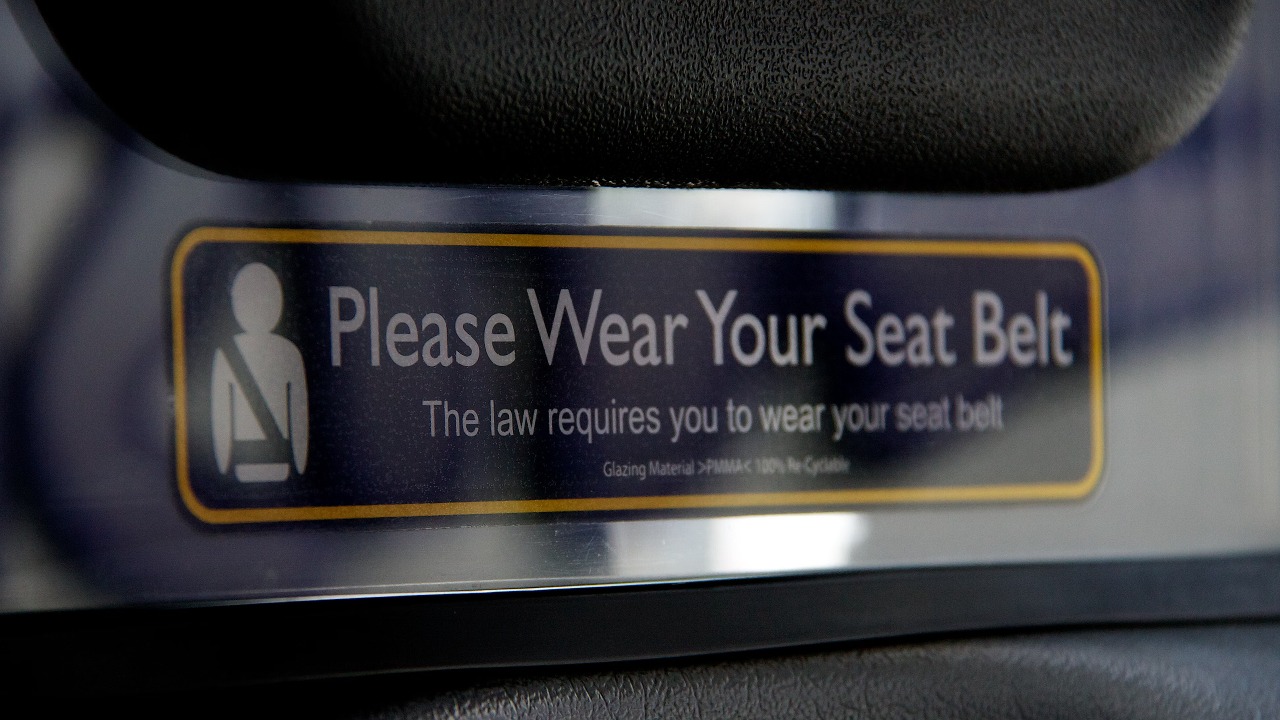
The effectiveness of seat belt laws is well documented, with numerous studies indicating that primary enforcement laws lead to higher compliance rates and, consequently, fewer injuries and fatalities. For instance, data from the National Highway Traffic Safety Administration (NHTSA) suggests that states with primary enforcement laws tend to have seat belt usage rates above 90%, compared to lower rates in states with secondary enforcement.
Public perception and cultural attitudes also play a significant role in the effectiveness of these laws. In some regions, seat belt use is widely accepted and compliance is high, while in others, cultural resistance to wearing seat belts can hinder the effectiveness of even the most stringent laws. Public awareness campaigns and education efforts can help shift these perceptions, contributing to higher compliance rates and improved safety outcomes.
Recent Changes and Trends
In recent years, several states have updated their seat belt laws to enhance road safety further. For example, Illinois recently tightened its legislation, requiring all passengers, regardless of age or seating position, to wear seat belts. Such legislative updates are often driven by new safety data or public pressure following high-profile accidents.
Looking forward, emerging trends in seat belt legislation may include the integration of technology, such as in-vehicle seat belt reminders and interlocks that prevent a car from starting unless all seat belts are fastened. Additionally, there is a possibility of increased penalties for non-compliance as states strive to improve road safety. These changes could significantly impact how seat belt laws are implemented and enforced in the future, potentially leading to even higher compliance rates and safer roadways.