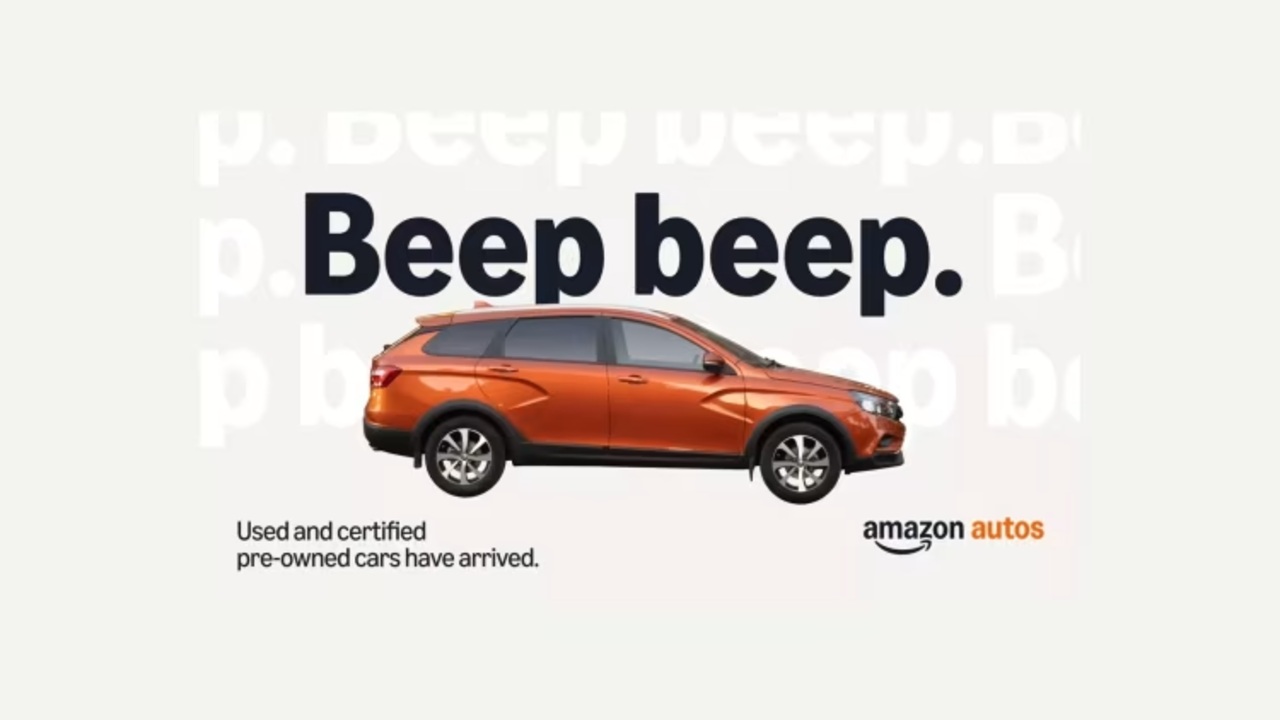
U.S. senators are accusing Amazon of helping to put unsafe, recalled vehicles on the road, arguing that the company’s fast-growing used car marketplace is built to sell confidence, not safety. Their warning lands at a moment when Amazon is already under federal pressure over hazardous products, and it raises a blunt question for the auto sector: if a recalled toy cannot quietly stay on a digital shelf, why should a recalled SUV be any different?
How Amazon Autos became a safety flashpoint
When Amazon quietly expanded into used car listings through Amazon Autos, it framed the move as a natural extension of its marketplace model, connecting shoppers with pre-owned vehicles the same way it connects them with electronics or furniture. Senators now say that approach ignores a critical difference, because a defective car with an unrepaired safety recall can kill people in a way a misdescribed gadget cannot. In their view, Amazon’s decision to host listings for pre-owned vehicles with open recalls, without clear warnings or automatic blocks, turns a convenience feature into a public safety risk.
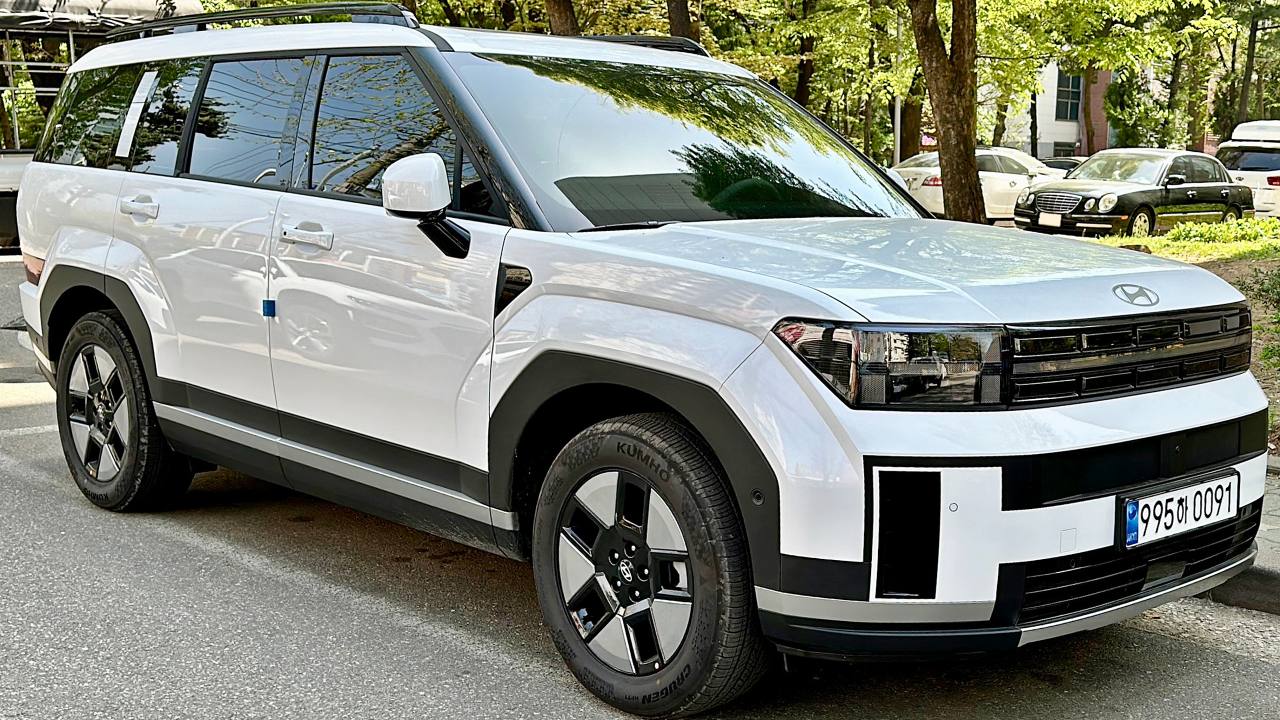
The criticism sharpened after investigations showed that Amazon Autos listings could include vehicles with unresolved safety problems, including models like the Ford F‑150, Chevrolet Equinox, Hyundai Santa Fe, and Jeep Wrangler 4xe, while still presenting polished product pages that emphasize photos, financing and delivery options. Lawmakers argue that this structure, which one analysis framed as “The Amazon Problem” where “The Product Page Sells Confidence, Not Safety,” encourages buyers to trust the platform’s design and branding even when a car’s recall status is not prominently disclosed. That tension, between a confidence‑driven interface and high‑stakes mechanical defects, is what pushed senators to escalate their concerns directly to Amazon.
Senators’ letter: selling recalled cars as an “extremely dangerous” practice
The political pressure crystallized in a formal letter to Amazon from Senator Richard Blumenthal, Senator Edward J. Markey, and Senator Elizabeth Warren, who have long focused on auto safety and consumer protection. In that letter, the lawmakers said they have “long raised concerns about the dangers of allowing used vehicles with unrepaired safety recalls to be sold,” and they accused Amazon of enabling exactly that outcome on its platform. They warned that “Selling cars with unrepaired safety recalls is extremely dangerous and poses a potentially deadly threat to consumers,” and urged the company to change course before a tragedy forces the issue.
The Senators demanded that Amazon immediately stop listing used cars with open recalls or, at minimum, require that every listing clearly disclose a vehicle’s recall status so buyers know what they are getting into. They argued that allowing third‑party sellers to post such vehicles without mandatory warnings “puts consumers at risk and undermines vehicle safety,” especially when the platform’s design signals reliability and ease. Their letter framed the problem not as a niche compliance issue but as a systemic hazard created when a dominant Online marketplace like Amazon applies its standard playbook to a product category where hidden defects can be catastrophic.
Legal gray areas and the push to close loopholes
Amazon has suggested that its role in used car sales is closer to a digital bulletin board than a traditional dealership, a position that places it in a legal gray zone. Current law often treats franchise dealers and rental car companies differently from online intermediaries, which can leave marketplaces outside the clearest statutory bans on selling vehicles with open recalls. Reporting on Amazon Autos has noted that, even as senators raise alarms, the company’s current model may not be a “clean‑cut statutory violation,” because the rules were written for brick‑and‑mortar sellers rather than platforms that simply host listings and process payments.
Senator Richard Blumenthal has already moved to narrow that gap with a proposal known as the Used Car Safety bill, which he introduced to close what he described as a major loophole in used car sales. In a separate context, he has argued that current law allows vehicles with unrepaired safety recalls to be sold to unsuspecting buyers, and that Congress needs to make it illegal to sell such cars without fixing the defect first. The scrutiny of Amazon Autos gives that legislative push a concrete target, as lawmakers point to a real‑world marketplace where the loophole is not theoretical but embedded in a high‑profile consumer platform.
Amazon’s broader safety record is shaping expectations
The fight over recalled vehicles is unfolding against a backdrop of growing federal scrutiny of Amazon’s responsibilities for dangerous products sold through its site. In July 2024, the Consumer Product Safety Commission determined in a unanimous vote that Amazon was a “distributor” of certain products that violated safety rules, a finding that forced the company to take on new obligations for hazardous items sold by third‑party merchants. By late 2025, the Commission ordered Amazon to implement hazardous product remediation plans, signaling that regulators expect the company to do more than simply remove listings when problems surface.
That history matters because it undercuts any claim that Amazon is just a passive conduit when safety is at stake. If the Commission can treat Amazon as a distributor for defective electronics or household goods, senators argue, there is little reason to treat used cars differently when the risks are arguably higher. The same lawmakers who pressed the Commission to hold Amazon accountable for dangerous products are now pointing to Amazon Autos as another case where the company’s scale and control over the shopping experience should translate into a duty to screen out, or at least clearly flag, vehicles with open recalls.
What is at stake for consumers and the auto market
For car buyers, the stakes are straightforward: a used vehicle with an unrepaired safety recall can carry hidden defects that lead to crashes, fires, or sudden loss of control, and those risks are not obvious from glossy photos or a clean interior. When shoppers browse Amazon Autos, they encounter the same familiar interface that has trained them to trust ratings, reviews, and fast delivery, which can create a false sense of security around complex products like cars. Lawmakers warn that unless Amazon requires clear recall disclosures or pulls risky listings altogether, buyers may drive away in vehicles that look like good deals but come with unresolved hazards that a simple recall check would have revealed.
The controversy also touches the broader auto market, where traditional dealers and rental car companies have already faced tighter rules on selling vehicles with open recalls. If Amazon can host such listings without equivalent obligations, it creates an uneven playing field and invites other platforms to follow the same model. Investors are watching closely as well, since Amazon’s stock, AMZN, has already been under scrutiny, with one report noting a move of 0.74% while lawmakers pressed for recall reform. As Amazon weighs how to respond to the senators’ demands, it is not just managing a public relations problem, but testing how far a dominant Online marketplace can stretch its model into high‑risk categories before regulators and legislators redraw the lines.
More from Fast Lane Only: