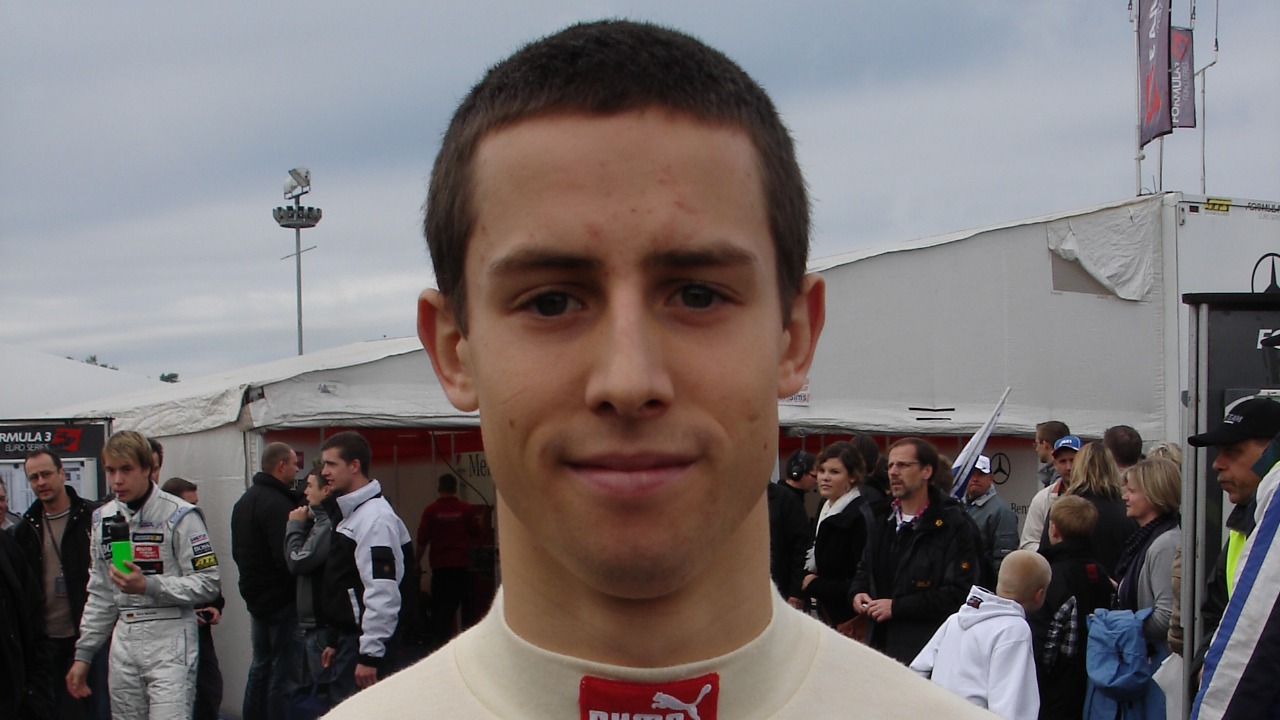
The GTD PRO field in IMSA has rarely been short on heavyweight brands, but the way Alexander Sims has turned the Pratt Miller Corvette program into a benchmark is striking even by that standard. By combining methodical preparation with sharp racecraft, he has helped hustle the Corvette Z06 GT3.R to class-topping form and a sweep of the major GTD PRO titles, turning consistency into outright supremacy over a full season.
From the outside it can look like a simple story of a fast car and a quick driver, yet the reality is more layered and more interesting. Sims has leaned on continuity inside Corvette Racing, a deep relationship with Pratt Miller Motorsports, and a season of pressure-tested moments with Antonio Garcia to turn the No. 3 into the car everyone else has to beat.
The championship drive that reset the GTD PRO bar
When I look at how Sims elevated the Pratt Miller Corvette to the top of GTD PRO, the defining image is the end of the year, with the team celebrating a sweep of the GTD PRO Drivers and Teams championships. The factory backed Corvette effort, run by Pratt Miller Motorsports, did not just win races, it banked points with relentless regularity until the titles were out of reach for rivals. That kind of sweep is never an accident, and it underlines how effectively Sims and Garcia turned raw pace into a season-long campaign.
Sims’ own reflections on that run tell the same story of a driver who knew he was in the middle of something special. In his recap of the year, he framed the outcome as a “sweep” of championship success, a phrase that fits the way he and Garcia converted a strong package into silverware across the board, from the drivers’ standings to the team and manufacturer tallies. That sense of a complete haul is echoed in his personal account of championship success, which captures how thoroughly the No. 3 group imposed itself on GTD PRO.
VIR as the turning point of a title campaign
Every dominant season has a hinge moment, and for Sims and Garcia it arrived at VIR, where they finally converted a string of podiums into the first IMSA win of 2025 for the program. After four near-misses, the pair rallied their Corvette at VIR to a breakthrough victory that reset the tone of the season. That result did more than add a trophy to the cabinet, it proved that the methodical approach the team had been taking would pay off under pressure.
The way that race unfolded also highlighted the strategic sharpness that has become a hallmark of Pratt Miller Motorsports. As Sims later described it, the race swung toward the two Corvettes when they timed their final stops just inside the last hour, then managed the closing stint with the kind of discipline that wins championships. From that point on, the No. 3 group carried itself like a title favorite rather than a hopeful.
Garcia, traffic and the grind of a long season
What impressed me most about Sims’ march to GTD PRO supremacy was how he and Garcia handled the days when the car was buried in the pack. Garcia’s account of starting eighth and struggling to gain ground on the No. 81 in a race that featured nearly 30 minutes of full-course yellow shows how unforgiving the class can be when traffic and caution timing work against you. That detail, including the reference to the 81 g car, underlines how thin the margins were even in a title year.
Yet those grind-it-out afternoons are exactly where a championship is often won. Sims has been open about how “absolutely phenomenal” it felt to emerge from a season like that with the big trophies, and that emotion only makes sense when you factor in the races where the No. 3 had to salvage points rather than chase glory. His detailed reflection on how Garcia fought from eighth on the grid, and how the pair navigated long stretches of yellow, is central to his full season review and helps explain why the final standings looked as commanding as they did.
Preparation, continuity and the Sims way of working
From the start of the year, Sims made it clear that his edge would come from preparation as much as outright speed. Ahead of the Detroit round he talked about arriving “fresh from the sim,” stressing that the No. 3 would need to qualify well in a short race with limited pit stop options if it wanted a real shot. That mindset, rooted in simulator work and careful planning, was central to how he approached the tight confines of Detroit and similar street circuits, and it was captured in his comments about the No. 3 package heading into that weekend.
Equally important has been the continuity inside the garage. Alexander Sims has spoken about how stability within Corvette Racing by Pratt Miller Motorsports would be a “huge bonus” going into another WeatherTech SportsCar Championship campaign. When a driver talks that way, it usually means he trusts the engineers, mechanics and strategists around him to keep extracting more from the same platform, and that trust has clearly translated into results on track.
Rivals, respect and the wider GTD PRO landscape
To appreciate what Sims and Pratt Miller Motorsports achieved, I think you have to set it against the level of opposition in GTD PRO. The class has featured serious factory firepower, including a Ford program that saw Ford drivers Priaulx and Rockenfeller win key races in Detroit and Indianapolis on the way to third in the standings. When a rival manufacturer can take marquee victories like that and still fall short of the Corvette tally, it underlines how complete the No. 3 crew’s season really was.
The respect for what Sims and Garcia delivered has been clear from within General Motors as well. In the wake of the GTD PRO title sweep, there was a pointed tribute that “Everyone at Chevrolet is proud of Antonio, Alexander, and Pratt Miller Motorsports for continuing to elevate the Corvette legacy,” a line that captures how the factory views its modern GT program. That sentiment, tied directly to the GTD PRO sweep, shows that Sims’ work is seen as part of a longer story of Corvette success rather than a one-off high.
More from Fast Lane Only