General Motors built its 100-millionth small-block V8 on November 29, 2011. Yet that count covers just one maker’s family of engines. Add Ford’s and Chrysler’s small-blocks, and you get the motors that towed boats and ran Trans-Am races. They also idled through decades of summer traffic.
But a big production number doesn’t prove an engine can take abuse. Instead, we look at the hardware: forged cranks, four-bolt mains, solid lifters and heads that breathe at high rpm. Those parts tell you an engineer expected hard use, whether on a road course, on a drag strip or behind a loaded trailer.
So these are our picks, from three Detroit makers and five decades. The specs come from factory figures and engine histories. However, the verdict, that each small-block V8 here keeps going when the driving gets extreme, is our own opinion.
1. Chevrolet 283 small-block V8
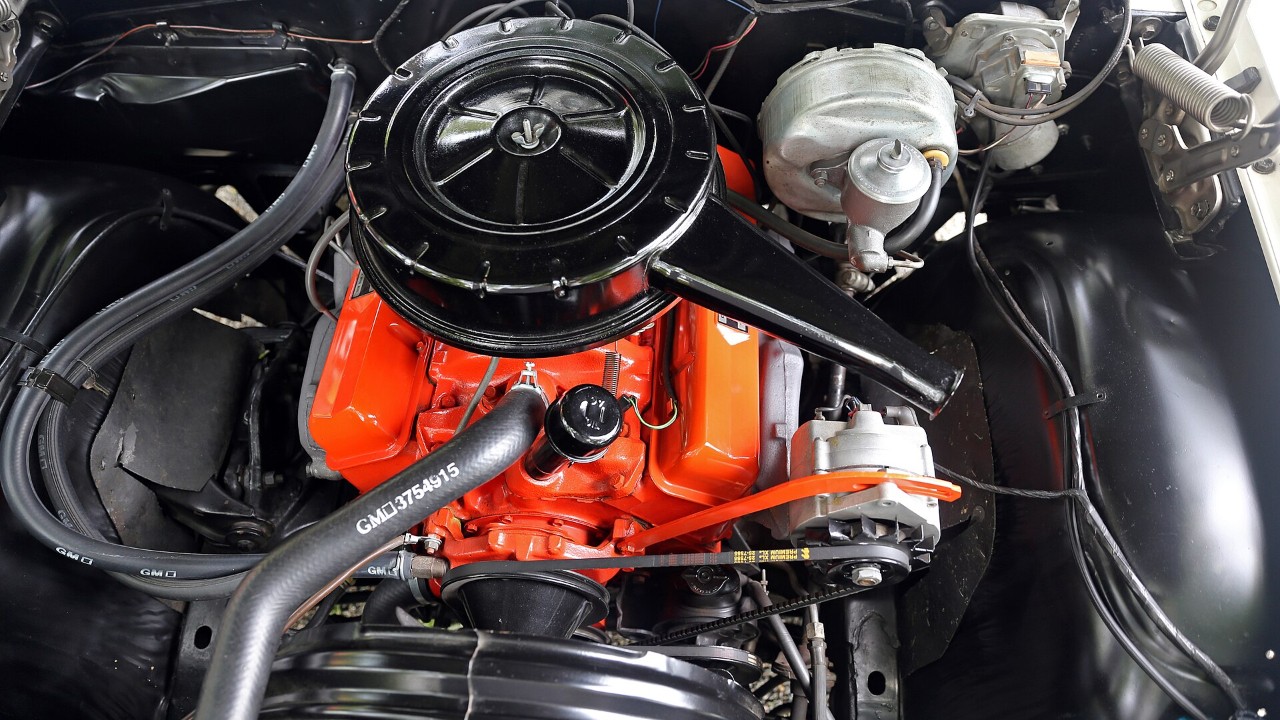
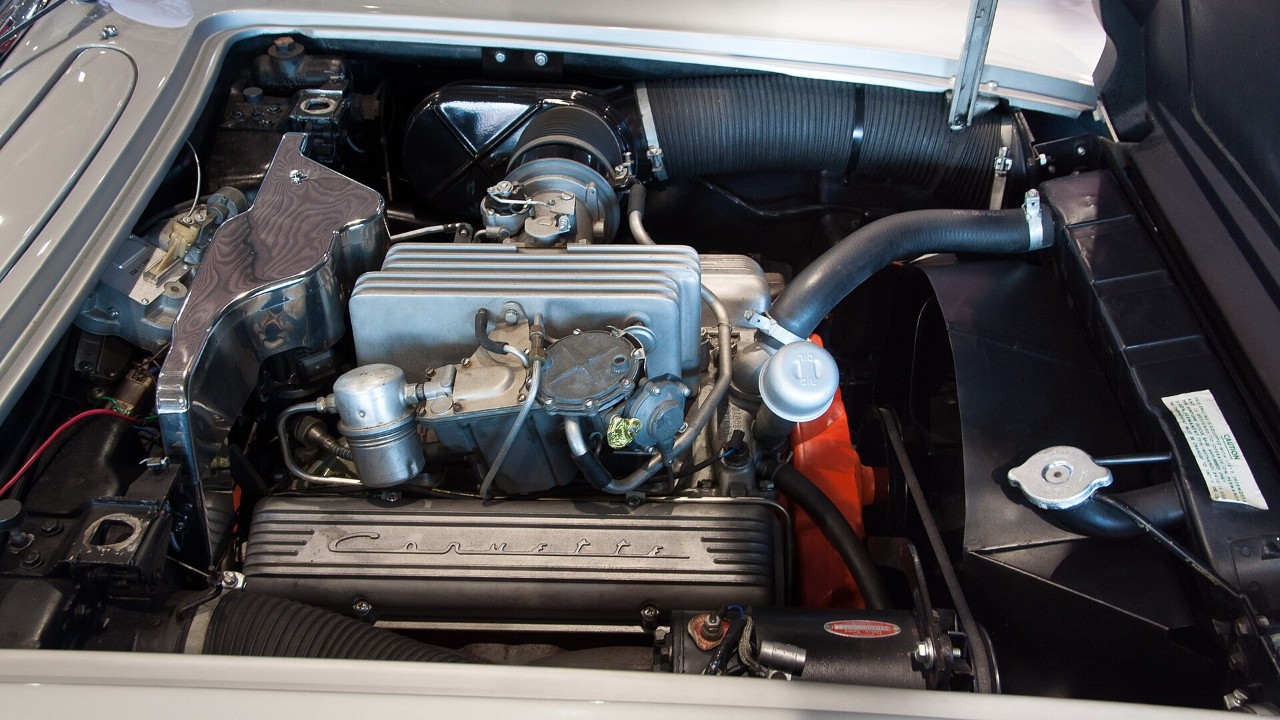
Chevrolet’s first small-block arrived for 1955 at 265 cubic inches. With the optional four-barrel, it made up to 195 horsepower. Two years later, engineers bored it out by an eighth of an inch. As a result, the 283 had a 3.875-inch bore and a 3.000-inch stroke.
That short stroke is the reason we like it for hard use, because short strokes keep piston speeds down. In 1957, Chevrolet also offered a Ramjet mechanical fuel injection version rated at 283 horsepower, one horsepower per cubic inch. At the time, Mercedes-Benz was the only other high-volume maker selling fuel injection. That detail comes from Old Cars Weekly’s report on the 100-millionth small-block.
Our take: the 283 pictured here sits in a 1963 Impala, which shows how far the engine spread beyond the Corvette. For a road trip in July heat, we’d trust a healthy 283 over plenty of younger, fussier engines. Before you buy one, though, check the casting numbers. Over the years, owners have swapped a lot of 283s between cars.
2. 1972 Chevrolet Corvette LT-1 350
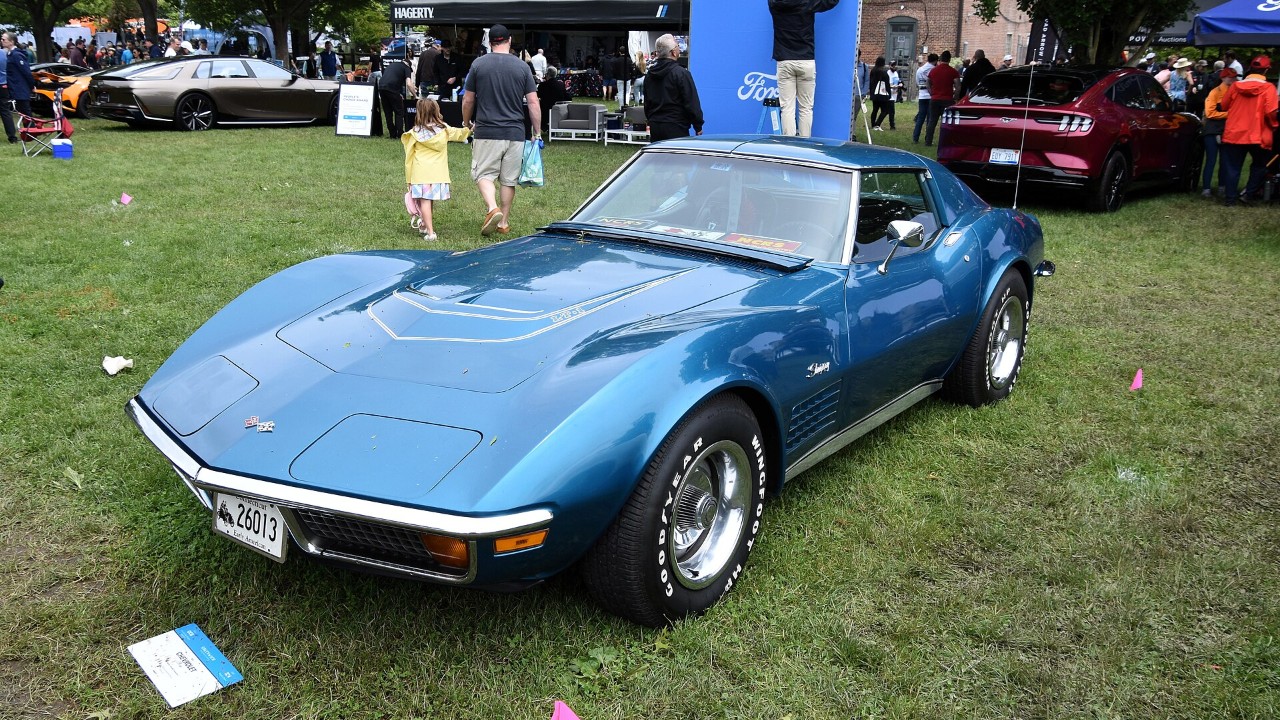
The LT-1 was the 350 that Chevrolet built for drivers who planned to use the redline. It arrived for 1970 with solid lifters and 11.0:1 compression. That year, the Corvette version carried a 370-horsepower rating, while the Camaro Z28 version came in at 360.
Then emissions rules caught up with it. For 1971, compression dropped to 9.0:1, and the engine carried two ratings: 330 horsepower gross and 255 net. By 1972, the rating was 255 net horsepower with 280 lb-ft of torque. That was also the LT-1’s final year.
Even so, the hardware stayed serious. Solid lifters avoid the valve float that some hydraulic setups suffer at high rpm. In our view, that’s why a 1972 Corvette LT-1 coupe like the one pictured feels at home on a long, fast road. Its last-year net rating undersells the engine, because this small-block V8 loves to be wound out. If you’re shopping, ask for valve-lash records, since solid lifters need regular adjustment.
3. GM LS3 V8
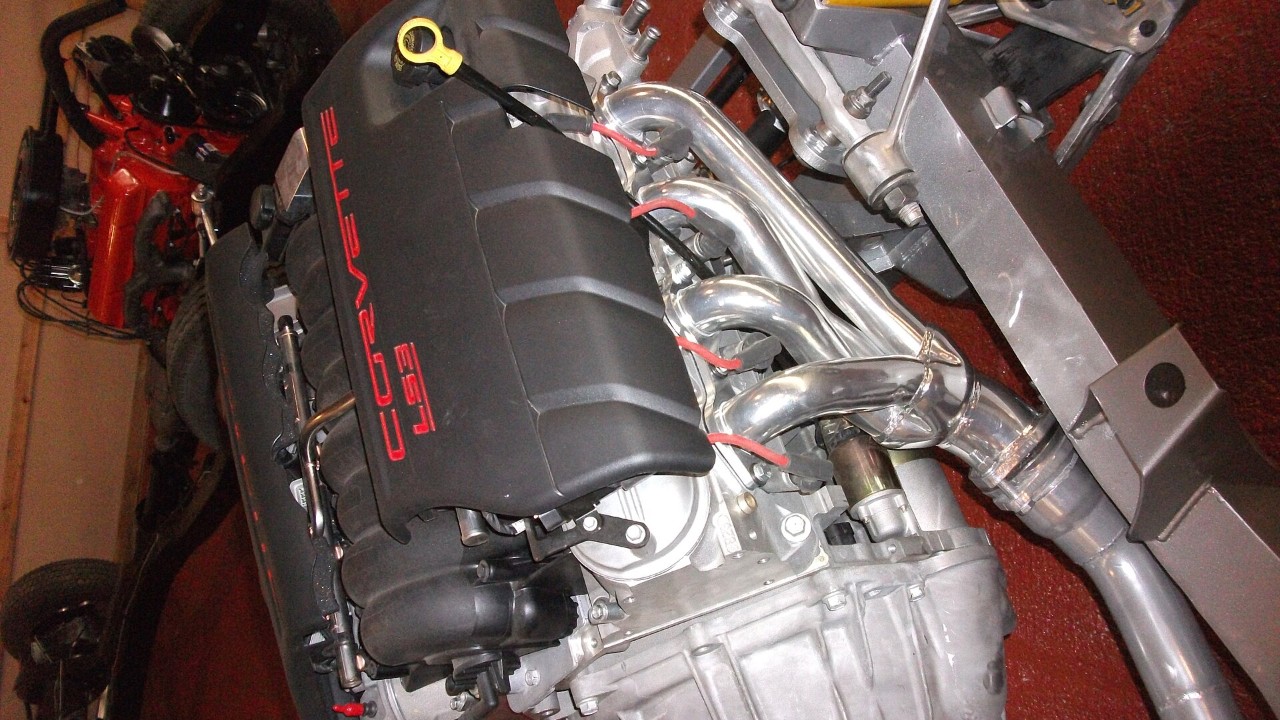
GM’s LS family began with the LS1 in the 1997 Corvette. Later, the LS3 arrived as the Corvette’s new base engine for the 2008 model year. It displaced 6.2 liters, or 376 cubic inches. Output was 430 horsepower at 5,900 rpm and 424 lb-ft of torque. With the optional dual-mode exhaust, it made 436 horsepower.
Its rectangular-port heads came from the L92 truck engine, with 2.165-inch intake valves. In addition, compression was 10.7:1. After the Corvette, the LS3 went into the 2010 to 2015 Camaro SS with a manual gearbox. It also powered the 2009 Pontiac G8 GXP, the 2014 to 2017 Chevrolet SS sedan and Holden and Vauxhall performance cars overseas.
That spread is the best evidence of its toughness, because GM trusted one engine in a sports car and a family sedan. It’s also why you see it everywhere at swap meets, as we covered in our look at why the LS3 became one of the most popular swap engines. Our take: for track days in summer heat, an LS3 with good cooling is about as low-drama as V8 power gets.
4. Ford 289 Hi-Po K-code V8
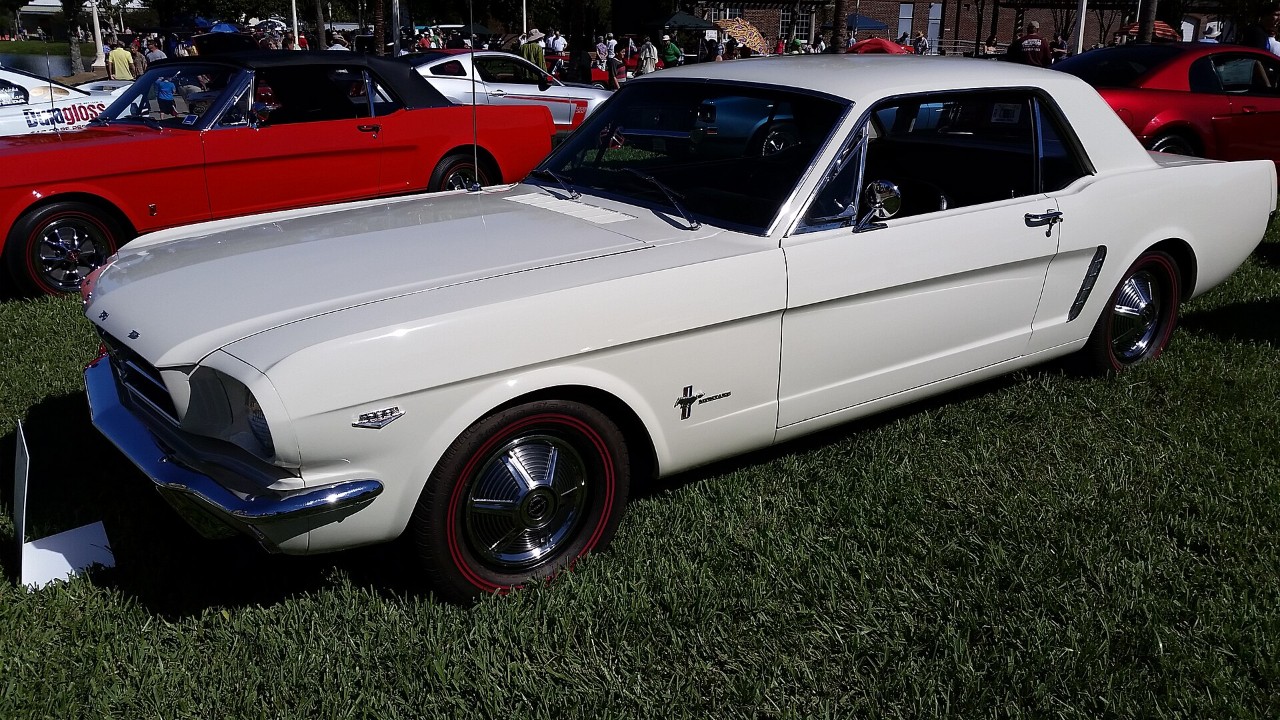
Ford’s small-block family started in July 1961. At first, it went into the 1962 Fairlane as a 221. The high-performance 289 followed late in the 1963 model year as a special order for Fairlanes. Then, in June 1964, it became a Mustang option, and the 1965 Mustang convertible pictured here carries the K-code.
Ford rated it at 271 horsepower at 6,000 rpm, with 312 lb-ft of torque. In fact, the parts list reads like a racer’s wish list. It had solid lifters, 10.5:1 compression, thicker main bearing caps and bigger rod bolts. Its crankshaft also used 80 percent nodular iron, twice the share of the standard 289. Altogether, Ford built about 25,000 of these engines at Cleveland Engine Plant 1 between March 1963 and June 1967.
Shelby took the same engine for the 1965 to 1967 GT350. With headers and a Holley carburetor, it carried a 306-horsepower rating. That’s a fair test of a base engine. In our view, the K-code earns its spot because Ford engineered this small-block V8 for high rpm from the start. If you find one, verify the K in the VIN before paying K-code money.
5. Chrysler 340 Six Pack V8
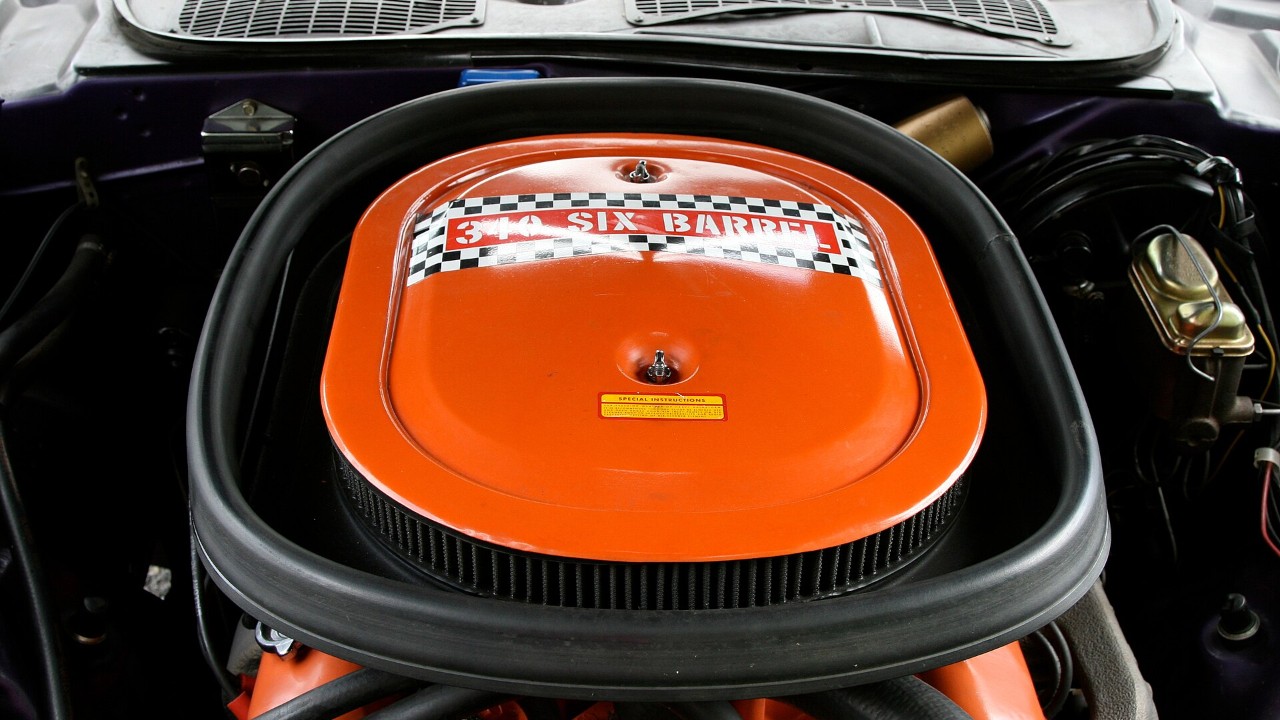
Chrysler’s LA small-block family ran from 1964 to 2003, and the 340 was its hot rod. It arrived for 1968 with a four-barrel and a 275-horsepower gross rating. Later, the 360 replaced it for 1974.
For 1970, Chrysler built a special version for two Trans-Am homologation cars. Those were the Plymouth AAR ‘Cuda and the Dodge Challenger T/A. This engine used three two-barrel carburetors, a setup Mopar fans call the Six Pack, and Chrysler rated it at 290 horsepower gross. More importantly for hard driving, it sat in a heavy-duty block with extra webbing for strength.
Our take: the AAR ‘Cuda pictured here is the best way to see this engine, triple carbs and all. Chrysler built the block thicker because it expected racing loads. Therefore, on a street car, that extra metal lets a 340 Six Pack handle long pulls at high rpm. If you’re buying, though, insist on paperwork that ties the engine to the car.
6. Chevrolet 302 Z/28 V8
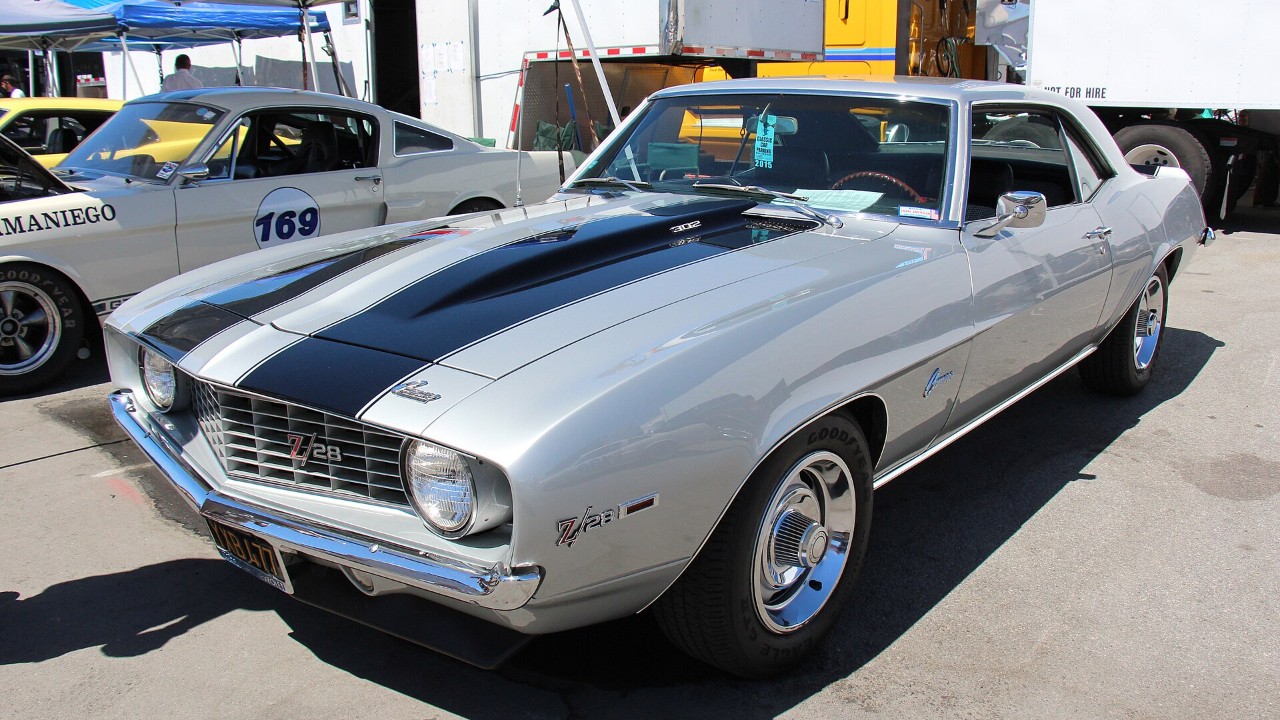
The SCCA’s Trans-Am series, launched in 1966, capped engines at 5.0 liters, or 305 cubic inches. Chevrolet’s answer was clever. Engineers paired the 327’s 4.00-inch bore with the 283’s 3.00-inch stroke for about 302 cubic inches. Meanwhile, Chevrolet offered it only in the first-generation Camaro Z/28, from 1967 to 1969.
Chevrolet rated it at 290 horsepower at 5,800 rpm. Inside, it had a forged steel crank, forged rods and forged pistons, plus 11.0:1 compression. A 780 CFM Holley sat on an aluminum high-rise intake. Also, the 1969 DZ engines got four-bolt main caps, according to Silodrome’s history of the DZ 302. Chevrolet built 20,302 Z/28s that year.
We’d call the 302 the purest road-racing small-block V8 on this list, since Chevrolet designed it to rev for hours. For the backstory, read the unusual reason the 1967 Camaro Z/28 existed at all. If you’re buying a 1969 Z/28 like the one pictured, first confirm the DZ suffix on the block.
7. Ford 5.0 HO V8
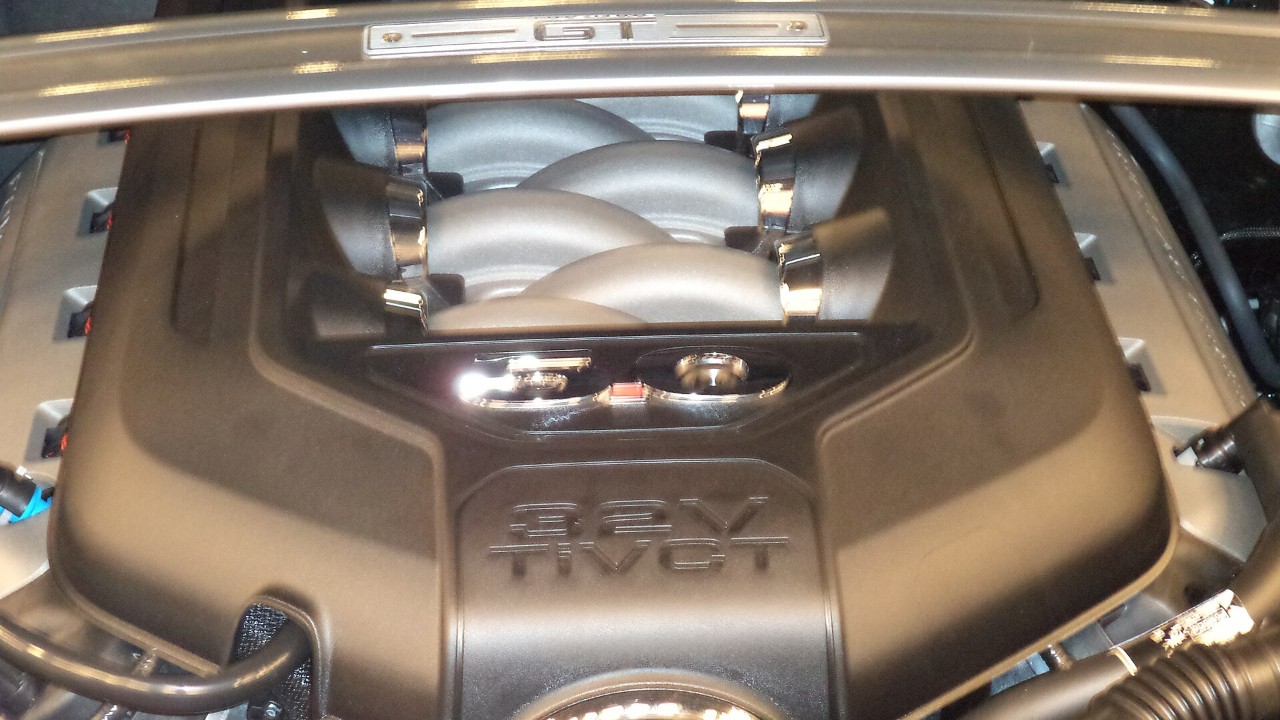
Ford’s 5.0 High Output arrived for the 1982 model year, with a two-barrel carburetor in manual Mustangs and Capris. Then, from 1983 to 1985, a four-barrel Holley took over. Ford also revised the block with taller lifter bosses for roller lifters, and a steel camshaft came in 1985.
For 1986, the Mustang switched to electronic sequential fuel injection. As a result, the HO became an engine you could drive in traffic all week and take to the strip on Saturday. The 5.0 stayed in the Mustang through 1995. After that, it found a second life in the Explorer from 1996 to 2001.
Our take: the engine bay pictured here taught a generation of hot rodders to wrench. A fuel-injected 5.0 with a roller cam starts on cold mornings, idles in heat and takes bolt-on parts without fuss. Moreover, six more years in an SUV says plenty about how much Ford trusted it. If you shop for a Fox-body Mustang, look for an unmodified car, because owners ran so many of them hard.
8. Chrysler 5.9 Magnum V8
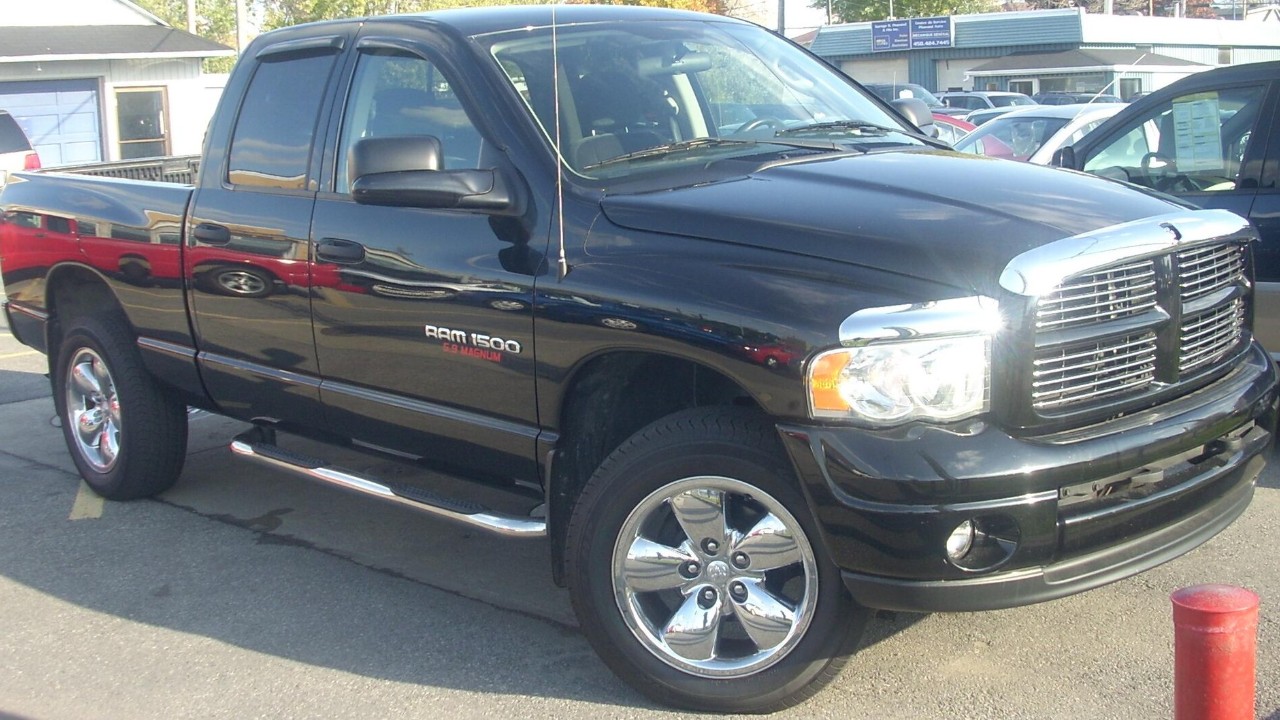
Chrysler updated the LA family as the Magnum series in 1992, starting with a 5.2-liter V8. The 5.9-liter Magnum, a 360-cubic-inch engine, followed in 1993. At first, its standard rating was 230 horsepower at 4,000 rpm and 325 lb-ft of torque at 3,200 rpm.
For 1998, Chrysler raised output to 245 horsepower and 335 lb-ft. The Magnum used a roller camshaft and multi-point fuel injection, with one injector per intake runner. It powered Dodge Ram pickups and Durango SUVs, such as the Ram 1500 crew cab pictured here.
That’s the toughest job on our list, because a truck engine spends its life pulling trailers up grades. It also idles on job sites and works through summer heat. In our view, that duty cycle is the real test of a small-block V8, and the Magnum passed it for a decade. If you buy a Magnum-powered truck, ask for towing history and maintenance records first. Finally, Chrysler retired the 5.9 Magnum in 2003, when the 5.7-liter Hemi took its place.
More from Fast Lane Only