The LS3 V8 did not just become a popular crate motor. It quietly turned into the default answer for enthusiasts who want big power, modern reliability and parts support in one package. From classic muscle to Japanese sports cars and even European icons, the LS3 has become the swap that ties wildly different car cultures together.
What started as a 6.2‑liter production engine for the Chevrolet Corvette has grown into a global aftermarket ecosystem. The LS3 now sits in cars that never had a General Motors badge anywhere near them, and its rise says as much about the state of performance tuning as it does about the engine itself.
What happened
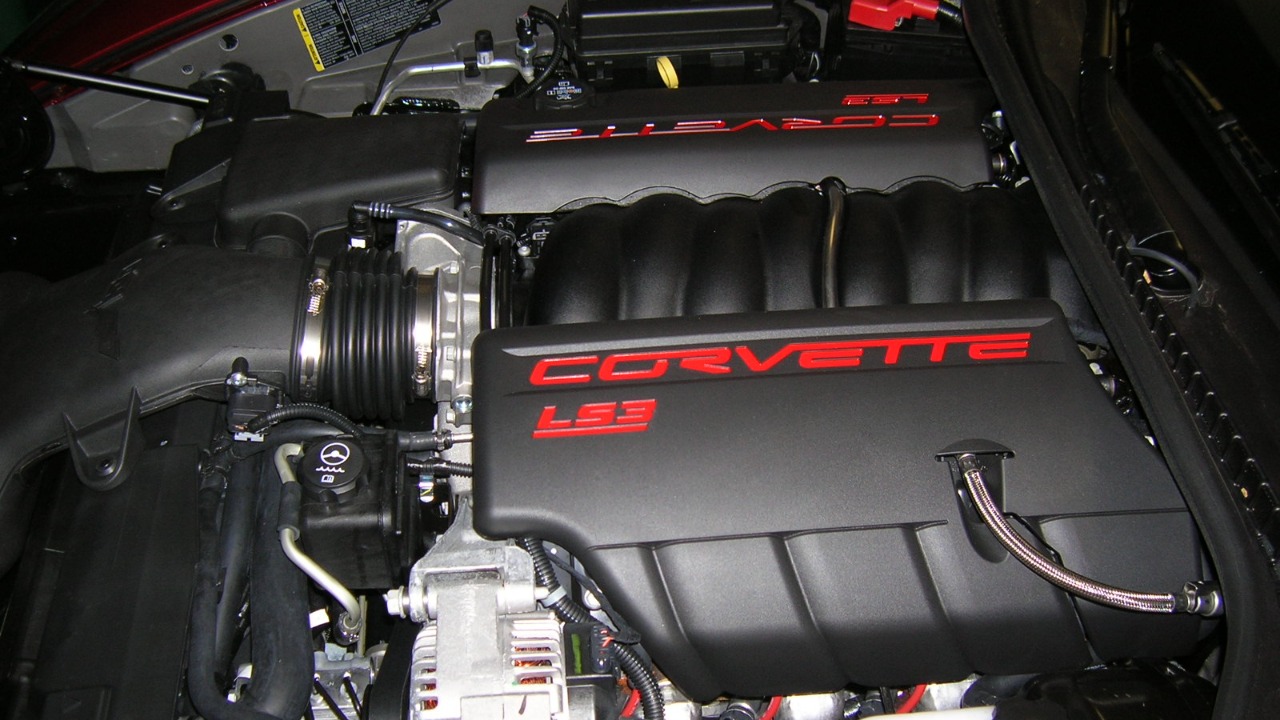
The LS3 began life in the C6-generation Chevrolet Corvette, where its 6.2 liters, aluminum block and factory rating around 430 horsepower created a strong base for tuning. General Motors quickly recognized that demand extended beyond new Corvettes and Camaros, so it packaged the LS3 as a standalone crate engine with a wiring harness, ECU and accessory options that made installation far easier than older V8s.
That decision effectively turned the LS3 into a product line aimed at builders. Instead of hunting junkyards for a worn-out small-block, enthusiasts could buy a brand-new engine with modern fuel injection and knock control, then drop it into almost anything that physically had room. Specialist shops leaned into that opportunity. One UK-based operation, for example, built a business around installing Corvette-spec V8s into a wide range of cars, including Porsche 911s, by engineering bespoke subframes, cooling and exhaust solutions that made the conversion repeatable for customers who wanted a turnkey swap rather than a one-off science project. The shop’s approach illustrates how professional outfits industrialized what used to be a purely DIY pursuit, and similar businesses now offer LS3 installs in everything from Mazda RX‑7s to Jaguar XJs, often marketed as a complete package rather than a pile of parts.
As crate availability grew, the LS3 began to appear in more traditional hot rod contexts. Classic American muscle cars that originally used big-block or small-block V8s gained a second life with LS conversions. Builders discovered that the all-aluminum LS3 often weighed less than older iron engines while delivering more power, which improved handling and braking as much as straight-line speed. Guides that highlight standout engine swaps in classic cars routinely point to LS-based conversions in older BMWs and other European models, where the compact dimensions of the LS architecture make it easier to fit under narrow hoods than many native V8s. In some of those builds, the LS3 replaces complex, high-maintenance original engines with a simpler package that still offers strong performance.
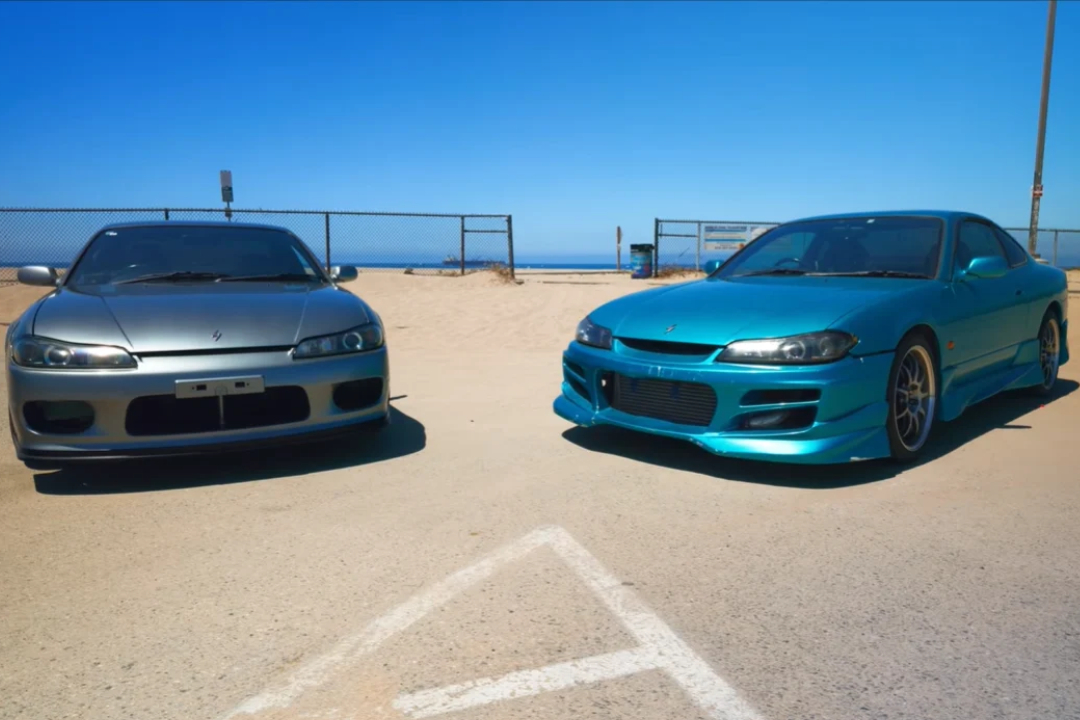
Swap culture did not stop with American and European classics. Japanese performance cars became some of the most visible LS3 recipients. Enthusiast lists of Japanese sports cars that seem almost designed to accept an LS V8 frequently include icons such as the Nissan 240SX, Mazda RX‑7, Nissan 350Z and Toyota Supra. The appeal is straightforward: these cars were built with rear-wheel-drive layouts and engine bays large enough for inline-sixes or rotary engines, so an LS3 fits with relatively modest fabrication. Once installed, the engine provides a wide torque band and straightforward tuning that appeals to drivers who want track-day reliability without constant rebuilds.
The broader engine swap scene also shows how the LS3 fits within a spectrum rather than standing alone. Some builders prefer to keep brand loyalty intact, such as those who turn Jeep Cherokee XJ models into diesel off-roaders using BMW inline-six diesels. In those conversions, the appeal lies in torque and fuel efficiency on trails, with the BMW engines paired to Jeep drivetrains through custom adapters and electronics. Others chase maximum naturally aspirated power with engines like the LS7, a larger-displacement relative of the LS3, which appears in lists of the most common cars for LS7 swaps, including C5 Corvettes, fourth-generation Camaros and various kit cars. The LS3 occupies a middle ground in this universe, powerful enough for serious builds but affordable and compact enough to show up in daily-driven projects.
As these patterns repeated, the LS3 became less of a novelty and more of a standard option. Online classifieds now regularly feature LS-swapped Datsuns, Volvos, BMWs and even pickup trucks, with sellers treating the engine as a value-adding upgrade rather than a controversial modification. Track-day paddocks and drift events tell a similar story, where LS3-powered cars run alongside turbocharged four-cylinders and factory turbo sixes, often with fewer reliability complaints over a full season.
Why it matters
The LS3’s rise as a go-to swap engine matters because it reshaped expectations about what a drivetrain conversion should deliver. At the core is a blend of power, packaging and support that few other engines match. The LS3’s compact pushrod design keeps cylinder heads small, which reduces overall width compared with many dual overhead cam V8s. That makes it easier to fit into cars originally designed for inline-fours or sixes and leaves room for headers and steering components that can otherwise turn a swap into a packaging nightmare.
Cost and availability amplify that advantage. Because General Motors produced large numbers of LS-family engines and continues to sell crate versions, buyers can source LS3s at a range of price points, from used take-outs to brand-new performance variants. Aftermarket companies responded with a dense catalog of swap parts, including engine mounts, oil pans, headers and wiring solutions tailored to specific chassis. For a builder comparing options, an LS3 often comes with a clear parts roadmap, while more exotic engines can require custom fabrication at every step.
Reliability has also played a major role. The LS3 was engineered as a modern production engine with tight quality control, electronic fuel injection and coil-on-plug ignition. In practice, that means an LS3 can idle smoothly in traffic, start in cold weather and tolerate long highway drives while still supporting track use. For owners who daily-drive their project cars, that combination is more attractive than a highly strung race engine that needs frequent tear-downs. Reports from builders who specialize in LS swaps routinely highlight customers who rack up tens of thousands of miles on LS-powered classics without major issues, which reinforces the engine’s reputation as a dependable choice.
The cultural impact is harder to quantify but just as significant. The LS3 helped normalize cross-brand swaps that once would have been seen as sacrilege. A Porsche 911 with an American V8 or a BMW with a Chevrolet engine used to be a guaranteed flashpoint at car meets. Today, those builds still spark debate, but they also attract buyers who see them as a practical way to enjoy a classic chassis with modern performance. Coverage of standout BMW engine swaps in classic models, for instance, often mentions LS conversions alongside BMW’s own powerplants, treating the LS as a legitimate alternative rather than a joke.
At the same time, the LS3’s dominance has triggered a counter-movement that values originality and brand purity. Some enthusiasts argue that a flood of LS-swapped imports erases the character that made those cars special in the first place, especially when rotary engines or high-revving inline-sixes are removed. That tension shows up in discussions around Japanese sports cars that are frequently suggested as LS candidates. Purists prefer to see a Mazda RX‑7 retain its rotary engine, while others welcome the LS3’s torque and reliability as a way to keep the car on the road rather than parked with a blown apex seal.
The LS3 also influences how people think about performance per dollar. When buyers cross-shop potential projects, they often compare the cost of building a factory engine to LS3 swap pricing. In some cases, especially where original parts are rare or expensive, the LS3 path delivers more horsepower for less money and less downtime. Articles that round up cars well-suited for LS-family swaps frequently highlight this value equation, noting that a single crate engine can replace complex turbo systems or aging V12s with something easier to maintain.
There is a practical emissions and regulation angle as well. In regions where engine swaps must meet specific inspection standards, the LS3’s status as a relatively modern, emissions-capable engine can help. Builders who retain catalytic converters and factory-style engine management sometimes find it easier to satisfy local rules than if they used older carbureted engines. That does not eliminate legal hurdles, which vary widely, but it gives the LS3 an edge over many vintage options.
The broader engine swap ecosystem also gains from the LS3’s popularity because it pushes competitors to evolve. When diesel Jeep builders use BMW inline-sixes to create efficient off-roaders, or when European tuners refine swaps that keep original brands intact, they often reference LS conversions as a benchmark for drivability and support. Features on projects that turn Jeep Cherokee XJ models into diesel trail rigs with BMW power highlight the same themes of torque, packaging and parts availability that underpin LS3 success, even though the engines come from a different manufacturer.
On the high end, the LS7’s presence in lists of common swap candidates shows how the LS family scales. Guides that catalog the most frequent LS7 conversions often include track-focused cars and kit builds where owners chase maximum naturally aspirated power. Those same sources usually acknowledge that the LS3 sits one step down the ladder in both cost and output, which makes it more approachable for street-oriented projects. The LS7’s role reinforces the idea that LS3 popularity is not an accident but part of a broader platform strategy that lets builders pick an engine based on budget and goals while staying within a familiar architecture.
What to watch next
The LS3’s future as a swap favorite will depend on how the performance world navigates tightening emissions standards, electrification and changing tastes among younger enthusiasts. Several trends are already visible.
First, the LS3 is likely to remain a go-to choice for traditional combustion projects as long as crate supply and aftermarket support stay strong. Guides that spotlight cars well suited to LS-family engines, including those that focus on affordable performance builds, continue to feature the LS3 prominently. As long as builders can order installation kits, wiring harnesses and ECU support off the shelf, the engine will keep its practical advantage over less-supported alternatives.
Second, competition from within the LS family and from other brands will shape where the LS3 fits. The LS7 will continue to attract high-budget builds, especially in cars that already have performance suspensions and brakes to match the extra power. Coverage of the most common LS7 swap cars shows a pattern of track-focused Corvettes, Camaros and specialty chassis that can exploit the engine’s higher redline and displacement. In contrast, the LS3 will likely remain the choice for lighter, smaller cars where weight and cost matter more than outright peak horsepower.
More from Fast Lane Only