Sports cars are often synonymous with speed, luxury, and performance, but how do they fare as daily drivers? Understanding the reliability of sports cars in everyday use requires examining various factors, including their practicality and performance under daily driving conditions.
The Appeal of Using a Sports Car as a Daily Driver
One of the main attractions of using a sports car as a daily driver is the thrill of performance. Imagine cruising down the highway in a 2022 Porsche 911; the powerful engine roars to life, and every commute feels like an adventure. Sports cars are engineered for speed and agility, offering an exhilarating driving experience even during mundane trips to the grocery store or while navigating traffic. This thrill can transform routine drives into pleasurable experiences, making the daily grind feel less tedious.
Beyond performance, sports cars often serve as status symbols, reflecting the owner’s style and success. A sleek 2021 Aston Martin Vantage parked in the driveway can turn heads and spark admiration from neighbors and coworkers alike. The allure of a sports car goes beyond its metal and mechanics; it’s about the statement it makes. Additionally, modern sports cars are equipped with advanced technology features, such as heads-up displays and adaptive cruise control, which appeal to tech-savvy drivers who appreciate cutting-edge innovations.
Reliability Factors to Consider
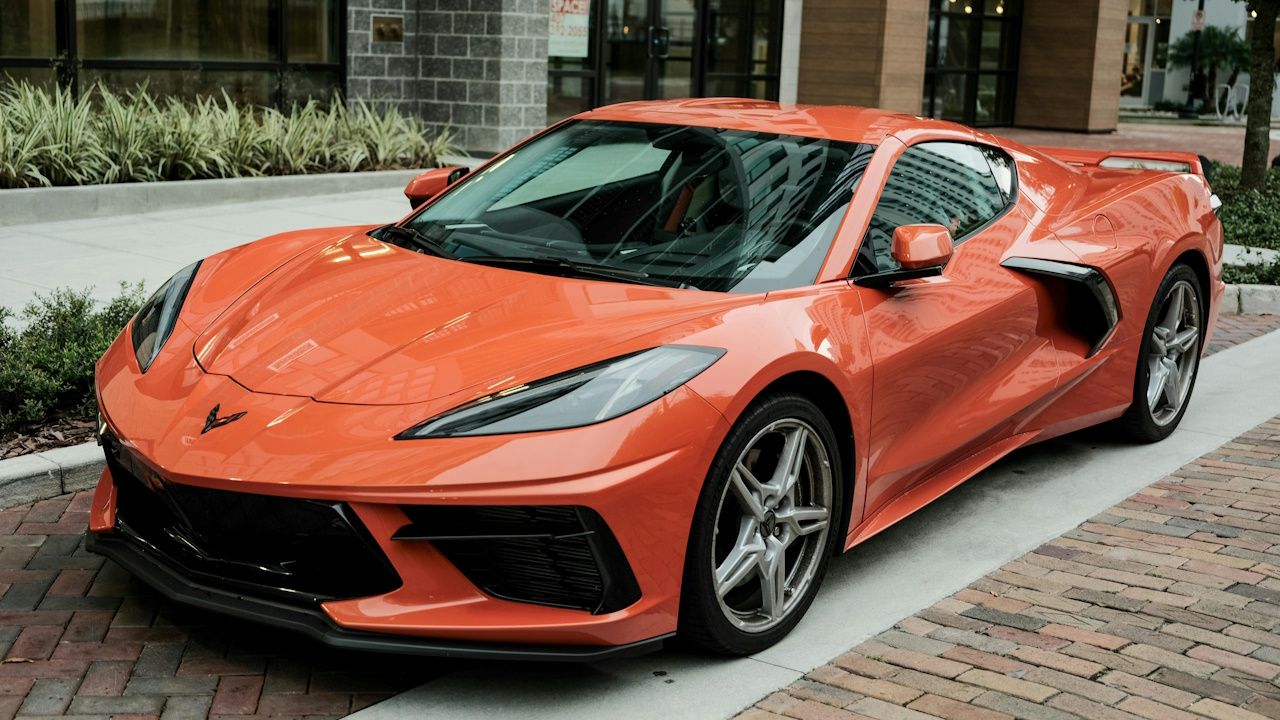
When considering a sports car for daily use, engine wear and maintenance are crucial factors. High-performance engines, like the one found in the 2023 Chevrolet Corvette, are designed for speed and power, but this can lead to increased wear over time. Regular maintenance is essential to ensure these engines remain in optimal condition. Owners must be prepared for potentially higher maintenance costs compared to standard vehicles.
Fuel efficiency is another consideration. Sports cars are not typically known for their fuel economy, with models like the 2020 Ford Mustang GT averaging around 15 miles per gallon in the city. This contrasts sharply with more traditional daily drivers, which often boast higher fuel efficiency. While sports cars may deliver exceptional speed, their fuel consumption can significantly impact running costs over time.
The durability of high-performance components is also a concern. The materials and technologies used in sports cars, such as carbon fiber bodies and advanced braking systems, are designed for performance but can be susceptible to wear and tear under regular use. For example, the 2019 BMW M4 features high-performance components that require careful maintenance to ensure longevity and reliability.

Practical Challenges of Daily Driving a Sports Car
While sports cars offer many benefits, they also present practical challenges when used as daily drivers. One major drawback is the limited comfort and space. A 2021 Jaguar F-Type, for instance, offers a snug interior with limited seating capacity and cargo space. This can be a significant inconvenience for families or individuals who require more room for passengers or luggage.
Handling diverse road conditions is another challenge. Sports cars are designed for optimal performance on smooth, dry surfaces, but they may struggle in adverse weather conditions. A 2018 Audi R8, for example, may not perform as well on icy or uneven roads, making it less practical for drivers in regions with harsh winters or poorly maintained roads.
Financial considerations also play a crucial role. Insurance premiums for sports cars tend to be higher due to their performance capabilities and repair costs. The 2024 Lamborghini Huracán, with its high-performance features, typically incurs higher insurance rates compared to standard vehicles. Additionally, repair costs for sports cars can be steep, given the specialized components and labor required.
Benefits of Engineering and Design Innovations
Recent advancements in sports car engineering have made these vehicles more reliable and comfortable for daily use. Innovations such as adaptive suspension systems, found in the 2025 Mercedes-AMG GT, have improved ride quality by adjusting to road conditions in real-time. This technology allows sports cars to handle urban environments more effectively, enhancing their practicality as daily drivers.
Modern sports cars are also becoming more adaptable to city driving, with features like compact designs and efficient engines. The 2026 Tesla Roadster, for instance, combines electric power with a compact design, making it well-suited for navigating tight city streets while still offering the performance expected from a sports car.
Enhanced safety features are another area where sports cars have made significant strides. Advanced driver-assistance systems, such as lane-keeping assist and automatic emergency braking, are increasingly common in models like the 2022 Audi TT RS. These technologies not only improve safety but also make sports cars more appealing as daily drivers by providing peace of mind on the road.

Case Studies and Real-World Experiences
Owner testimonials provide valuable insights into the daily usability of sports cars. For instance, an owner of a 2023 Nissan GT-R might highlight the vehicle’s impressive acceleration and handling as key benefits, while also noting the challenges of limited trunk space during grocery runs. Such firsthand accounts can offer a balanced perspective on what it’s truly like to live with a sports car every day.
Comparing sports cars with traditional vehicles reveals interesting contrasts in reliability and usability. A 2020 Toyota Camry, for example, might outperform a sports car like the 2019 Subaru WRX in terms of fuel efficiency and maintenance costs. However, the sports car may offer a more engaging driving experience, which some drivers prioritize over other factors.
Manufacturer reliability ratings can further inform potential buyers. Trusted automotive sources often provide scores that reflect a vehicle’s overall dependability. A glance at the reliability ratings for the 2018 Mazda MX-5 Miata, for example, might show high marks for reliability, indicating that some sports cars can indeed serve as practical daily drivers with the right maintenance and care.