In the world of automotive performance, every component can play a crucial role in enhancing a vehicle’s dynamics. One often overlooked yet highly effective upgrade is the strut tower brace, which serves to stiffen the chassis response. Delving into the benefits and considerations of installing strut tower braces can lead to improved handling and performance.
Understanding Strut Tower Braces
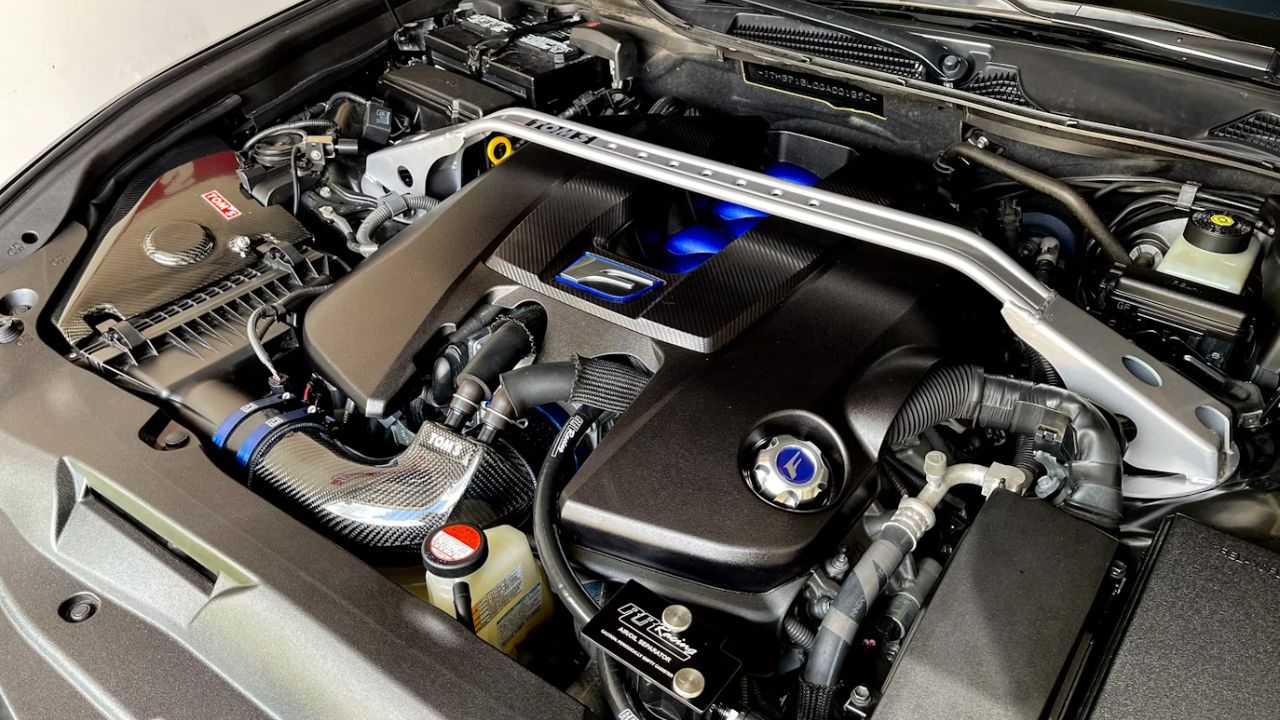
Strut tower braces are structural components designed to connect the tops of the strut towers in a vehicle’s suspension system, forming a bridge between the two. This connection helps to reduce chassis flex, which is the unwanted movement or deformation of the chassis under load. By minimizing this flex, strut tower braces help maintain the correct suspension geometry, allowing for more consistent handling and performance.
There are several types of strut tower braces, each offering different levels of performance benefits. Single-bar braces are straightforward and easy to install, providing a basic level of stiffness. Dual-bar braces, on the other hand, offer increased rigidity and are often favored by those seeking more significant handling improvements. Adjustable strut tower braces allow for fine-tuning of the tension and position, offering a customizable approach to chassis stiffness. For example, in a 2020 Ford Mustang, an adjustable strut tower brace can be an excellent choice for enthusiasts looking to tweak their vehicle’s handling characteristics.
Benefits of Stiffening Chassis Response
The primary benefit of installing a strut tower brace is enhanced handling and stability, particularly noticeable during aggressive driving or cornering. By reducing chassis flex, these braces ensure that the suspension components work in harmony with the chassis, resulting in more predictable and responsive handling. For instance, a 2018 BMW M3 equipped with a dual-bar strut tower brace can exhibit improved cornering dynamics, allowing the driver to maintain better control at high speeds.
Beyond handling improvements, strut tower braces also contribute to improved steering precision and driver feedback. By increasing the structural integrity of the chassis, these braces help transmit more accurate steering inputs from the driver to the wheels, providing a more connected and engaging driving experience. Additionally, reducing body roll and enhancing overall vehicle rigidity can make a significant difference in how a vehicle feels on the road, offering a more enjoyable and confidence-inspiring drive.
Considerations Before Installation
Before deciding to install a strut tower brace, it’s important to assess vehicle compatibility and potential fitment issues. Not all vehicles can accommodate these components, and some may require modifications for proper installation. For example, a 1995 Honda Civic might need adjustments to ensure the strut tower brace fits correctly without interfering with other engine bay components.

Material choice is another critical consideration, as strut tower braces come in various materials, each with its own set of advantages. Aluminum braces are lightweight and resistant to corrosion, making them an excellent choice for everyday drivers. Steel braces, while heavier, offer superior strength and durability, ideal for high-performance applications. Carbon fiber braces provide the best of both worlds, offering exceptional stiffness while remaining lightweight, though they come at a higher cost. It’s also essential to consider the potential impact on ride comfort and NVH (Noise, Vibration, Harshness) levels, as stiffer chassis components can sometimes lead to a harsher ride.
Installation Process and Tips
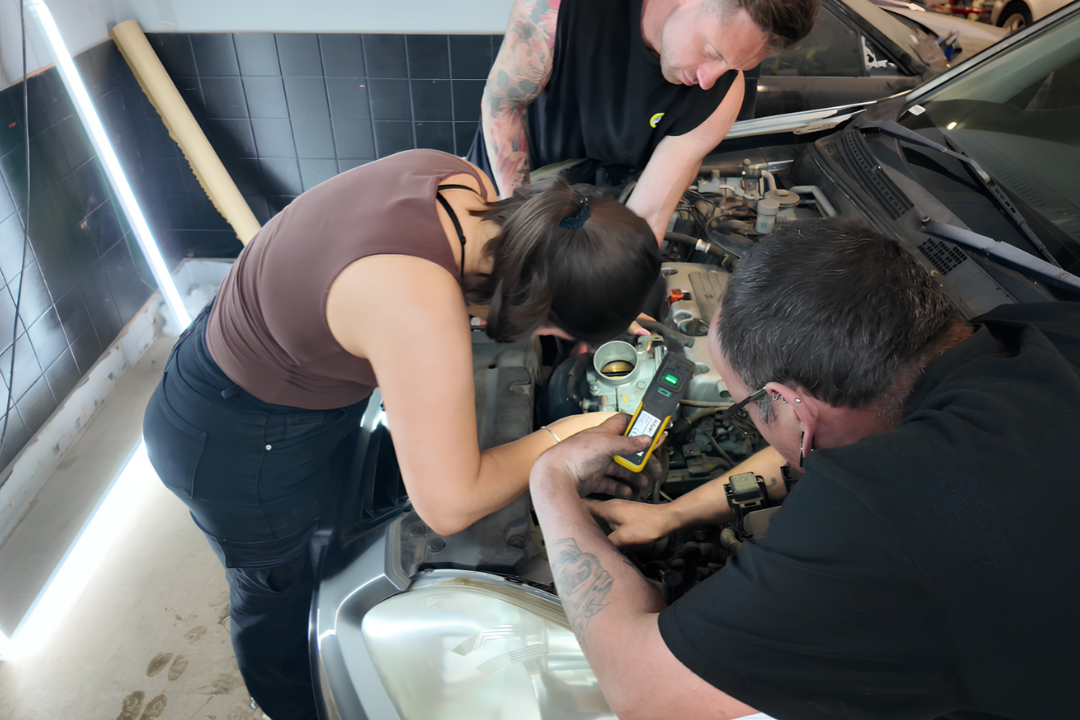
Installing a strut tower brace is a relatively straightforward process, but it requires attention to detail to ensure optimal performance. Begin by gathering the necessary tools and equipment, including a socket set, torque wrench, and possibly a jack and stands if working on a vehicle like a 2017 Subaru WRX. Start by removing any components that may obstruct access to the strut towers, such as engine covers or air intake components.
Once the area is clear, position the strut tower brace over the strut towers and align it with the mounting points. Secure the brace using the provided hardware, ensuring all bolts are tightened to the manufacturer’s specified torque settings. It’s crucial to double-check all connections and make any necessary adjustments to ensure the brace is properly seated and tensioned. Common challenges during installation can include clearance issues and the need for additional hardware or spacers, so it’s beneficial to consult forums or guides specific to your vehicle model for troubleshooting tips.
Real-World Performance Gains
Real-world performance gains from installing a strut tower brace can vary depending on the vehicle and driving conditions. However, many drivers report noticeable improvements in handling and stability. For example, a 2021 Mazda MX-5 Miata owner may experience sharper turn-in and reduced understeer after installing a high-quality strut tower brace, resulting in a more enjoyable driving experience on both road and track.
To quantify performance gains, drivers can compare lap times or skid pad results before and after installation. Alternatively, subjective driving impressions can also provide valuable insights into the effectiveness of the upgrade. While strut tower braces are just one of many chassis stiffening modifications available, they offer a straightforward and effective way to enhance a vehicle’s dynamics without significant changes to the overall setup. When combined with other modifications, such as sway bars or coilovers, the benefits of a strut tower brace can be further amplified, making it a worthwhile investment for any performance-oriented driver.