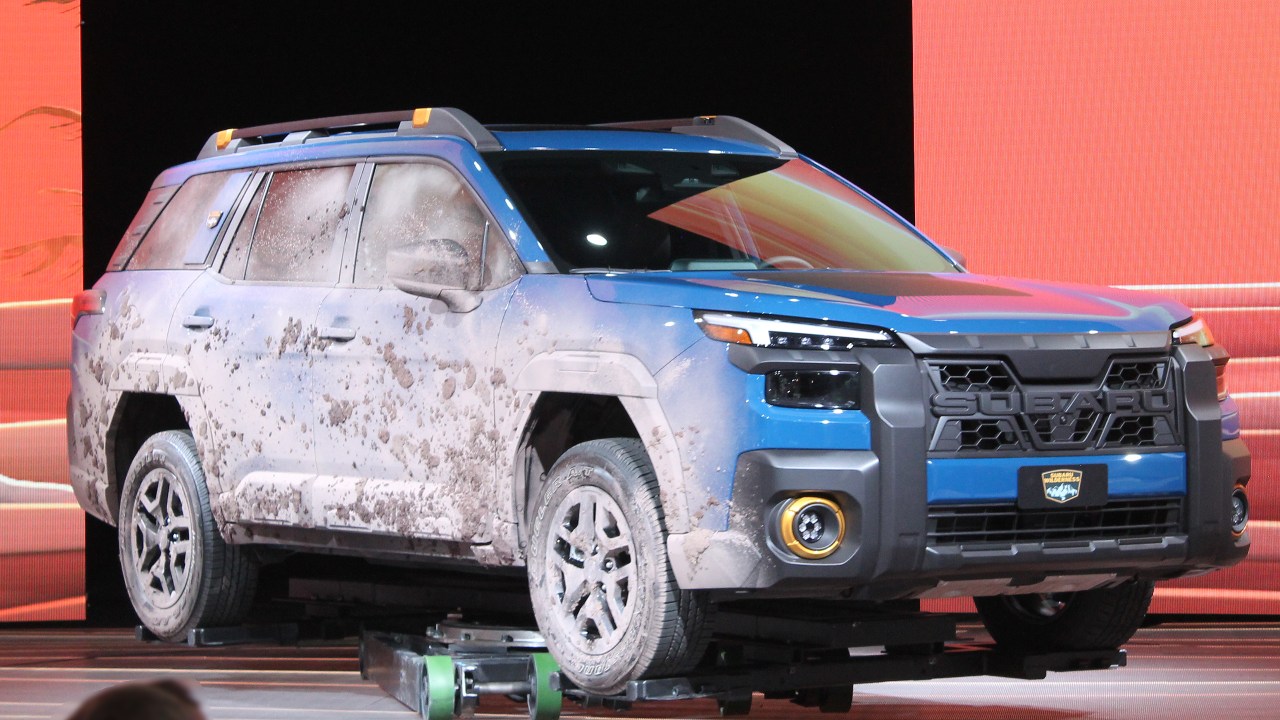
Subaru’s Wilderness experiment has quietly turned into a generational play. What began as a tougher trim level for familiar crossovers is now attracting buyers who are a decade or more younger than the brand’s traditional base, reshaping who drives Subaru’s most capable models. The data around Forester and Outback Wilderness sales suggests that millennials, in particular, have embraced the formula of modest off road upgrades wrapped in an outdoorsy identity.
That shift matters far beyond one badge on a tailgate. By using the Wilderness line to court younger, adventure focused customers, Subaru is testing how far a mainstream automaker can lean into lifestyle branding without losing the practicality that built its reputation. The early response indicates that the company has found a sweet spot between image and substance that resonates with a new generation of drivers.
Millennials are reshaping Subaru’s buyer profile
Subaru executives have been unusually explicit about who is buying Wilderness models, and the numbers underline how sharply the subbrand skews younger. Bill Stokes, car line planning manager for the Forester, has said that Forester Wilderness owners are typically 10 to 15 years younger than the average Forester buyer, a gap that effectively pulls the compact SUV’s customer base down into millennial territory. More than 25 percent of Forester Wilderness customers are new to Subaru, which means the package is not just upselling existing loyalists but also pulling in shoppers who might otherwise have chosen a rival crossover.
That demographic tilt aligns with broader observations that the Wilderness strategy is aimed squarely at millennial aged drivers who want a vehicle that looks ready for a trailhead even if it spends most of its time in a city parking garage. Reviews of the 2026 Subaru Outback Wilderness describe product planners openly targeting a mid aged millennial profile, and the resulting package, from its chunky tires to its roof rack capacity, reads like a checklist of that cohort’s stated preferences. The fact that Forester Wilderness buyers are both younger and disproportionately new to the brand suggests that the approach is working as intended.
How Subaru turned a trim line into an identity
The Wilderness badge did not arrive in a vacuum. Subaru was already known for standard all wheel drive and a mild off road image, but the company chose to formalize that reputation into a distinct subbrand, starting with the 2022 Forester Wilderness and then expanding to the Outback and other models. The idea was to create a family of vehicles that look and feel more trail ready than their standard counterparts, with visual cues like matte cladding and copper colored accents signaling that these are the most capable versions in the lineup. That positioning allows Subaru to charge a premium while still building on existing platforms and drivetrains.
Underneath the styling, the Wilderness formula adds real hardware that reinforces the image. The 2026 Subaru Outback Wilderness, for example, pairs a raised suspension and all terrain tires with revised gearing and additional underbody protection, changes that reviewers note make it more comfortable on rough roads and more confident on light trails than a standard Outback. The 2026 Subaru Forester Wilderness is marketed as “The Most Capable Subaru Ever,” with increased ground clearance and off road tuned components that go beyond cosmetic tweaks. By combining tangible upgrades with a cohesive visual language, Subaru has turned Wilderness into an identity that buyers can recognize instantly on the road.
Adventure culture and the appeal of “just enough” capability
The Wilderness line is arriving at a moment when outdoor recreation has become a central part of how many Americans, and especially millennials, define their free time. Reporting on automotive trends notes that more Americans are seeking outdoor adventures such as kayaking, hiking, or biking, and that Subaru has positioned itself to serve that demand with vehicles that can carry gear and reach trailheads without requiring a full scale off road rig. The company’s marketing leans into that shift, presenting Wilderness models as partners for weekend trips rather than hardcore rock crawlers, which fits the way many younger buyers actually use their vehicles.
That focus on “just enough” capability is a key part of the Wilderness appeal. Reviews of the 2026 Subaru Outback Wilderness describe a vehicle that feels purpose built for the lifestyle of a millennial who spends weekdays commuting and weekends chasing dirt roads, with features like enhanced roof load ratings for rooftop tents and factory installed tow points for small trailers. At the same time, the Forester Wilderness retains the everyday usability of the standard Forester, with a familiar cabin layout and family friendly cargo space, while adding the extra clearance and traction that make gravel roads and muddy campsites less stressful. For buyers who want to project an adventurous image without sacrificing comfort or fuel economy, that balance is difficult for competitors to match.
Design cues that speak directly to younger buyers
Beyond capability, the Wilderness models are carefully styled to resonate with millennial tastes. The combination of black cladding, unique wheel designs, and contrasting interior accents gives these vehicles a more rugged, almost overland inspired look compared with their standard siblings. Reviewers of the Outback Wilderness note that the cabin’s copper colored stitching and trim, along with all weather upholstery, feel tailored to owners who expect to track in mud and sand but still want a modern, tech forward environment. The Forester Wilderness follows a similar template, with distinctive badging and functional touches like integrated tie down points that reinforce the idea of a vehicle built for gear heavy trips.
Those design choices are not accidental. Commentary on Subaru’s strategy points out that the Wilderness branding is effectively “millennial bait,” a shorthand for the way it packages aspirational outdoor living into a relatively attainable crossover. The vehicles are photographed with mountain bikes, kayaks, and rooftop tents, and their spec sheets highlight features like water resistant seat materials and enhanced cargo flexibility that matter to buyers who spend time outside. By making the Wilderness models visually stand apart in dealership lots and on social media feeds, Subaru gives younger shoppers a way to signal their priorities without stepping up to a larger, more expensive SUV or truck.
What the Wilderness surge means for Subaru’s future
The early success of the Wilderness line has strategic implications for Subaru’s broader product planning. With Forester Wilderness buyers skewing 10 to 15 years younger than the average Forester customer and more than 25 percent of them new to the brand, the subbrand is effectively serving as a gateway into the Subaru ecosystem. That influx of younger owners gives the company a chance to build long term loyalty, as those customers move through life stages that might lead them to larger vehicles or additional purchases. It also helps offset the aging of Subaru’s traditional base, which has historically leaned older and more established.
At the same time, the company must preserve the credibility that makes Wilderness attractive in the first place. Analysts note that Subaru “has a hit on its hands” with the off road oriented subbrand and that the company wants to keep that momentum intact, which will require maintaining a clear gap in capability between Wilderness models and standard trims. The 2026 Forester Wilderness being promoted as the most capable Subaru ever sets a high bar for future iterations, and any dilution of the hardware upgrades could undermine the trust that millennial buyers have placed in the badge. For now, the data suggests that Subaru has found a potent mix of image, engineering, and timing, and that the Wilderness nameplate has become one of the brand’s most effective tools for reaching a new generation of drivers.
More from Fast Lane Only