In the world of supercars, some vehicles leave an indelible mark despite their short-lived production runs. Whether due to changing regulations, economic downturns, or evolving technologies, these cars were discontinued before they could fully realize their potential. Here are eight supercars that exited the stage too soon, leaving enthusiasts longing for more.
Ferrari 288 GTO Evoluzione
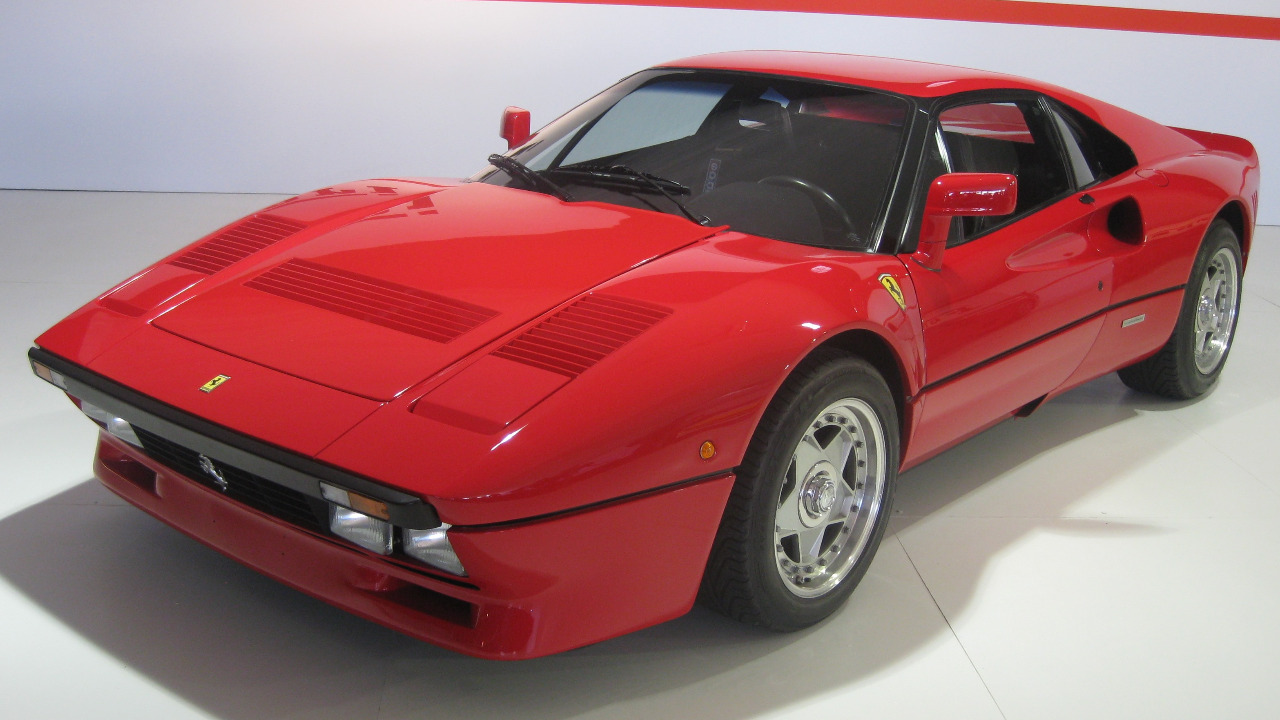
The Ferrari 288 GTO Evoluzione was a tantalizing glimpse into what could have been. Built as a testbed for the Ferrari F40, only five units were ever made. This car was designed for Group B racing, but the series’ cancellation in 1986 due to safety concerns meant it never saw competition. With its aggressive styling and powerful engine, the 288 GTO Evoluzione remains a rare gem in Ferrari’s storied history.
Though it never raced, the Evoluzione paved the way for the famed Ferrari F40, which took many of its design cues from this prototype. Its twin-turbocharged V8 engine and lightweight construction were revolutionary at the time, setting a benchmark for future supercars.
Jaguar XJ220
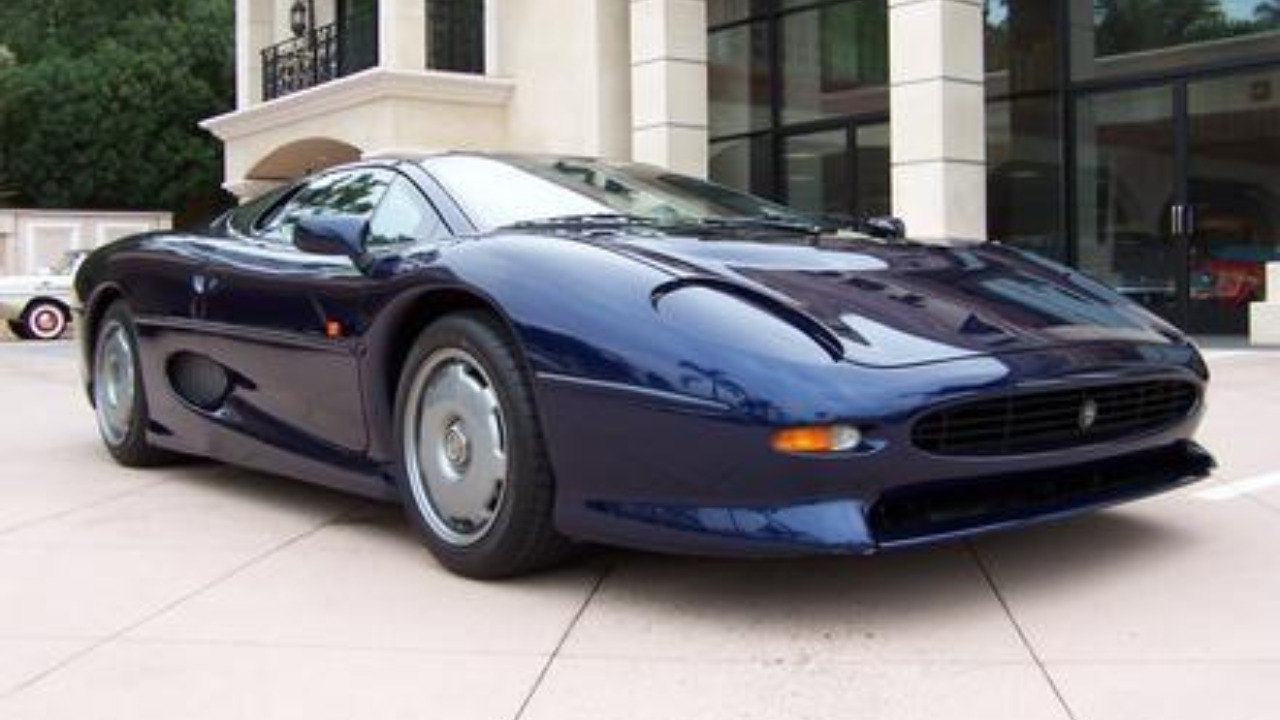
The Jaguar XJ220 was a product of ambition, initially conceptualized with a V12 engine and all-wheel drive. By the time it entered production in 1992, the supercar had been reimagined with a twin-turbo V6 and rear-wheel drive. Despite being the fastest car in the world at the time, hitting 217 mph, its appeal was short-lived due to economic recession and high price.
Only 275 units were produced, making it a rare find today. The XJ220’s journey from concept to production is a testament to Jaguar’s adaptability, but also a reminder of the challenges faced by supercars in the volatile automotive market.
Bugatti EB110
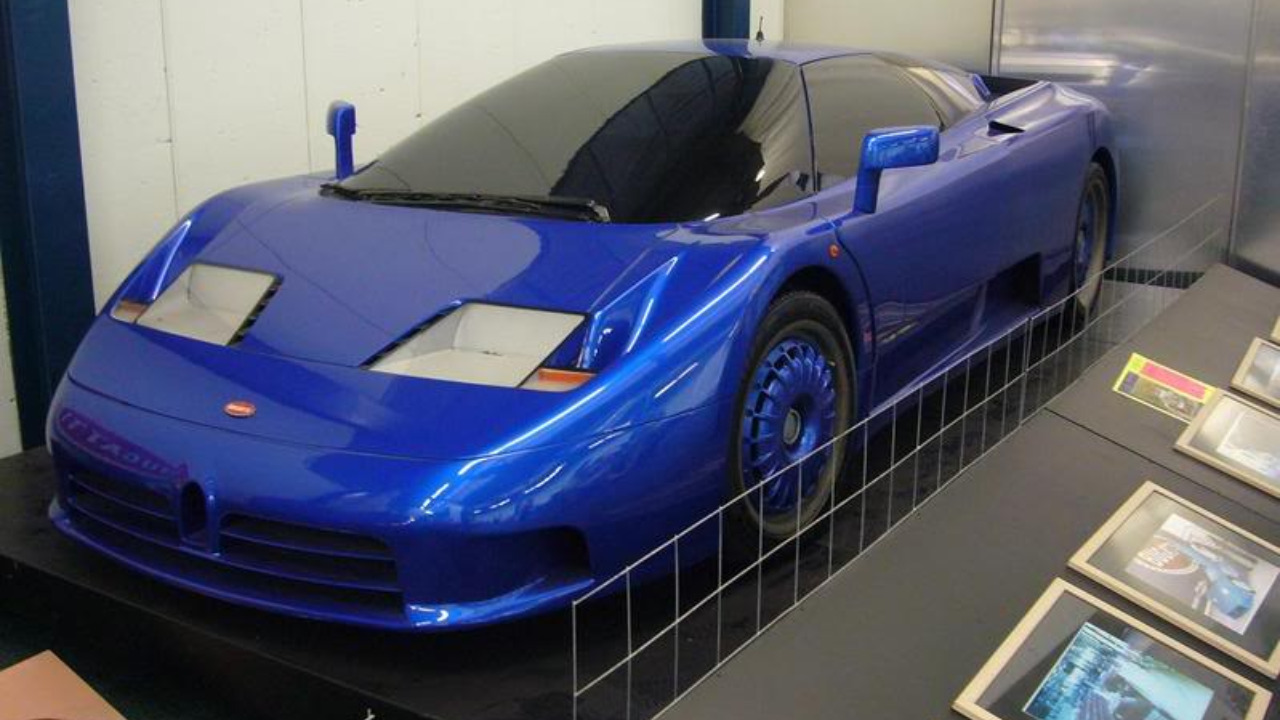
The Bugatti EB110 was a marvel of engineering, combining a quad-turbocharged V12 engine with an all-wheel-drive system. Released in 1991, it was designed to commemorate Bugatti’s 110th anniversary. Unfortunately, the company faced financial difficulties, leading to its closure in 1995, just four years after the car’s debut.
With only 139 units produced, the EB110 remains a coveted piece among collectors. Its innovative design and performance capabilities were ahead of its time, leaving a lasting legacy despite its short production span.
Maserati MC12
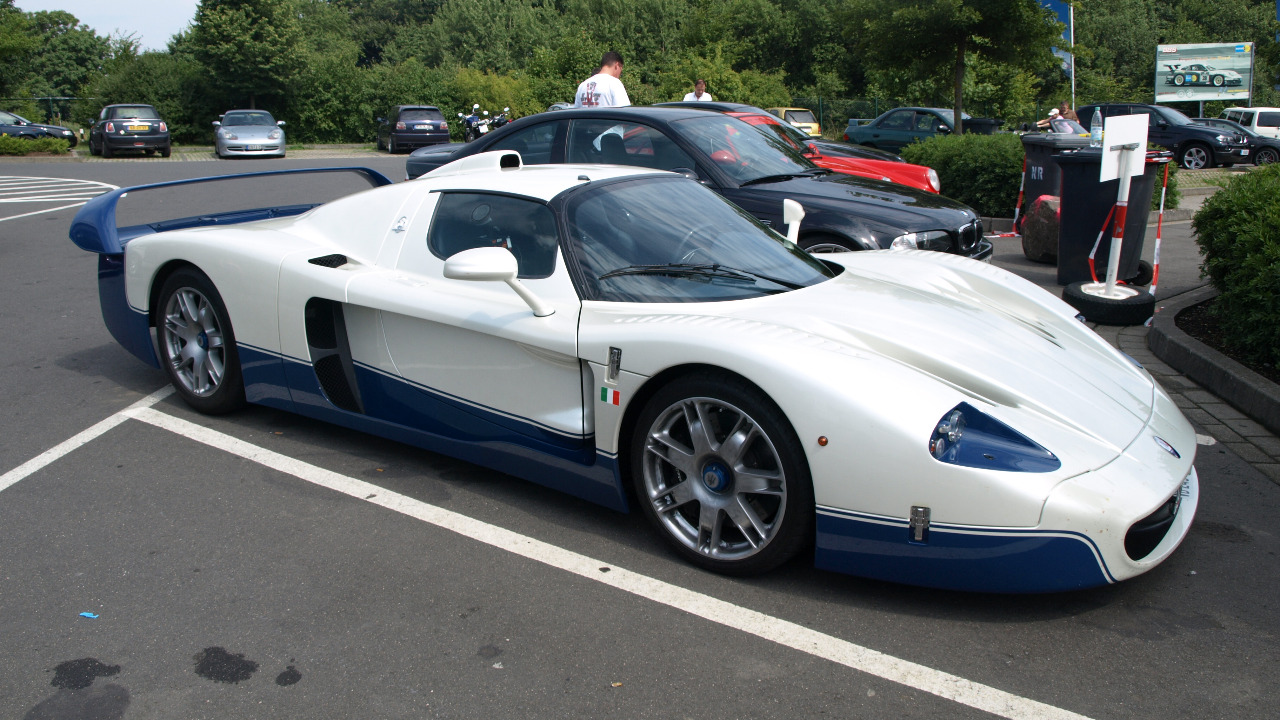
The Maserati MC12 was a limited-production supercar built to homologate the MC12 GT1 race car. With only 50 road-going versions made, it was based on the Ferrari Enzo but featured distinct styling and a slightly detuned engine. Released in 2004, the MC12 was celebrated for its racing success, yet its production ceased just two years later.
As a rare collaboration with Ferrari, the MC12 showcased Maserati’s capabilities in the supercar domain. Its brief production run adds to its allure, maintaining high demand and value among enthusiasts.
Saleen S7
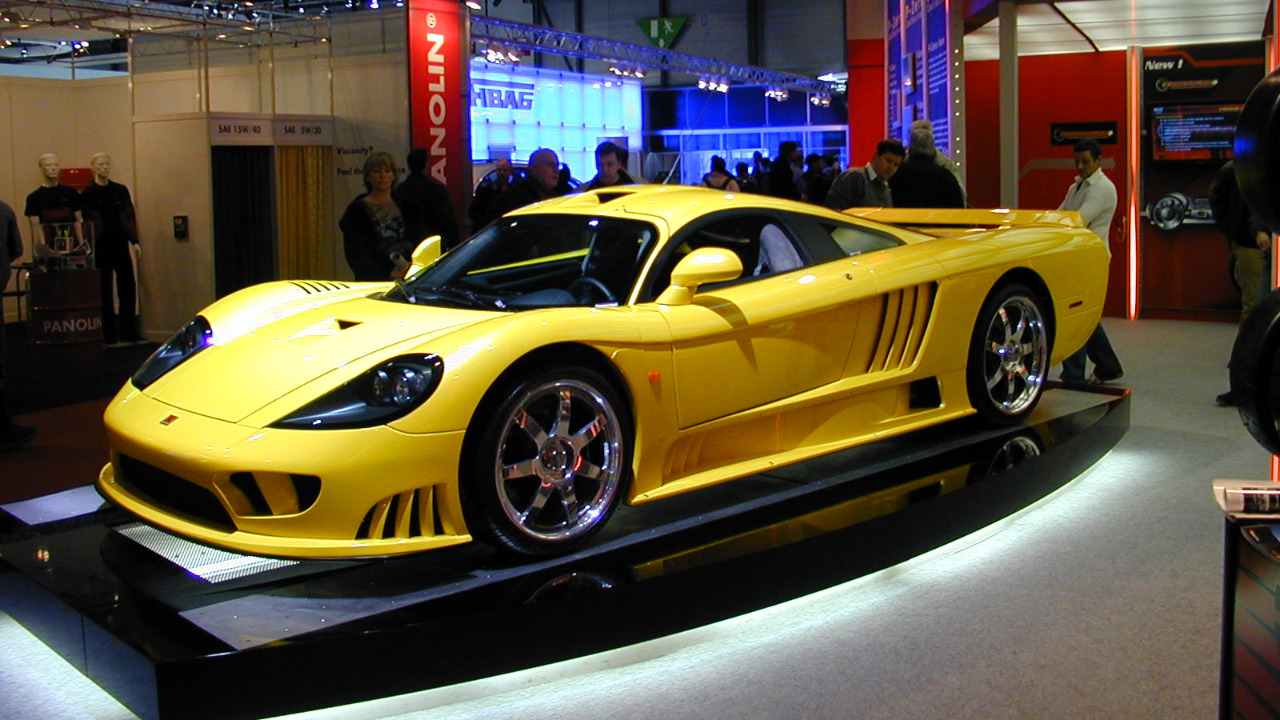
The Saleen S7 was America’s answer to European supercars, boasting a 7.0-liter V8 engine and a stunning design. Introduced in 2000, it was lauded for its performance and aesthetics. However, the production ended in 2009 as Saleen faced financial challenges and shifting market demands.
Despite these hurdles, the S7 left a significant mark, symbolizing American ingenuity in a segment dominated by European brands. Its legacy continues to inspire debates about the future of the V8 engine in supercars.
Porsche 959
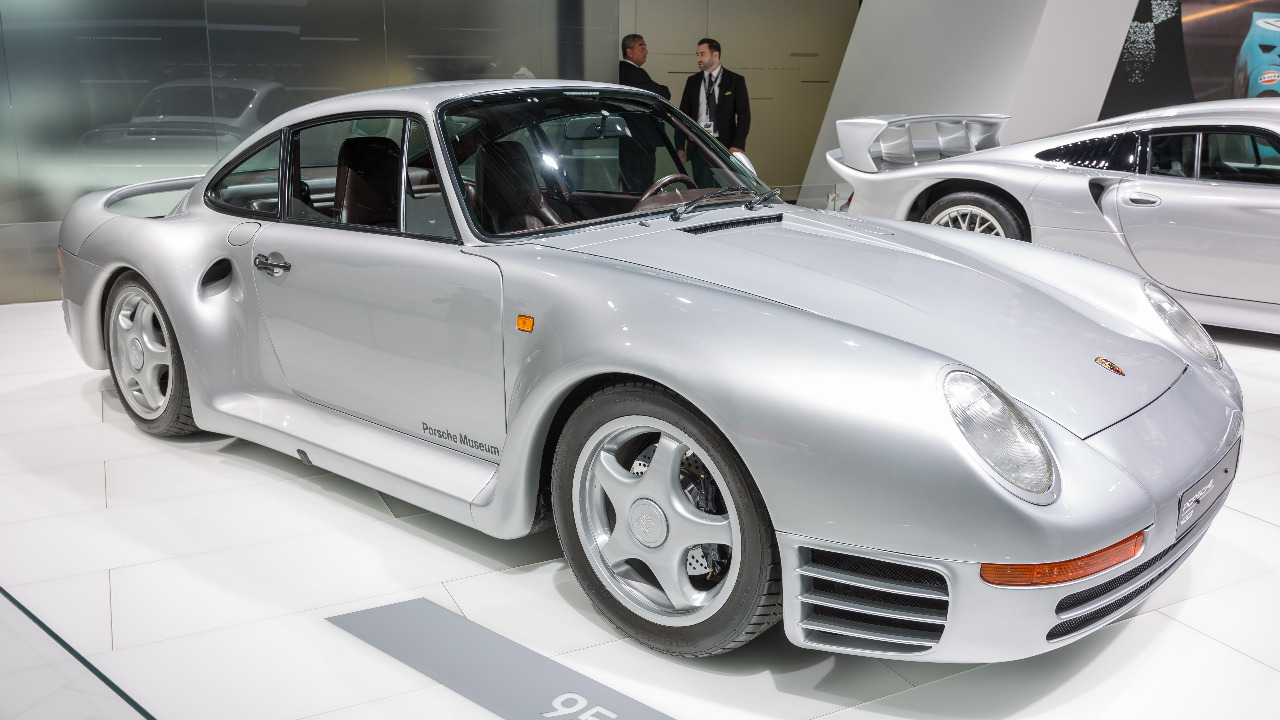
The Porsche 959 was a technological tour de force when it debuted in 1986. Equipped with an advanced all-wheel-drive system and a twin-turbocharged flat-six engine, it was designed to compete in Group B rallies. However, the end of Group B racing curtailed its motorsport ambitions, and production ended in 1989 with only 337 units made.
Despite its short-lived run, the 959 laid the groundwork for future innovations in automotive technology. Its influence can still be seen in modern Porsches, underscoring its role as a pioneer.
Lexus LFA
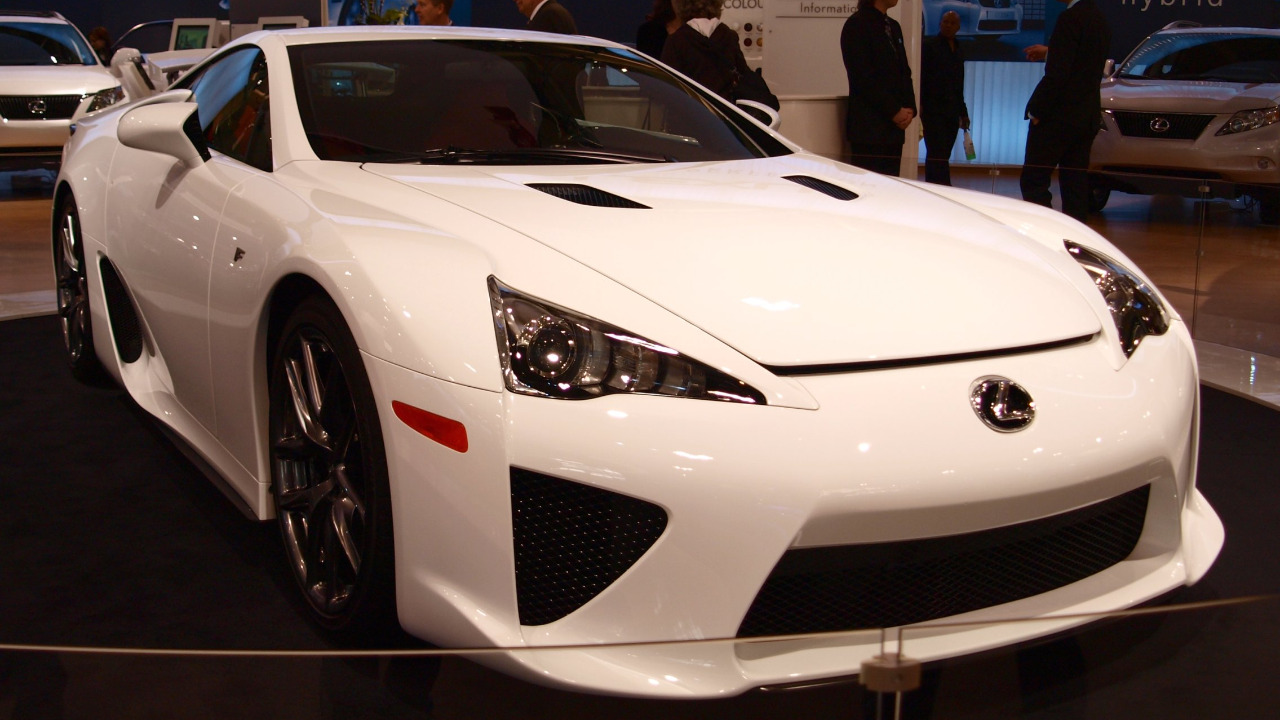
The Lexus LFA was a bold move by Toyota’s luxury division, featuring a naturally aspirated V10 engine and a carbon-fiber-reinforced polymer body. Produced from 2010 to 2012, only 500 units were made, ensuring its exclusivity. The LFA was praised for its engineering excellence and driving dynamics, yet its high price limited widespread appeal.
As a showcase of Lexus’s capabilities, the LFA remains an icon, admired for its unique approach to performance and design. It stands as a testament to what Lexus can achieve when pushing the boundaries of automotive engineering.
McLaren F1
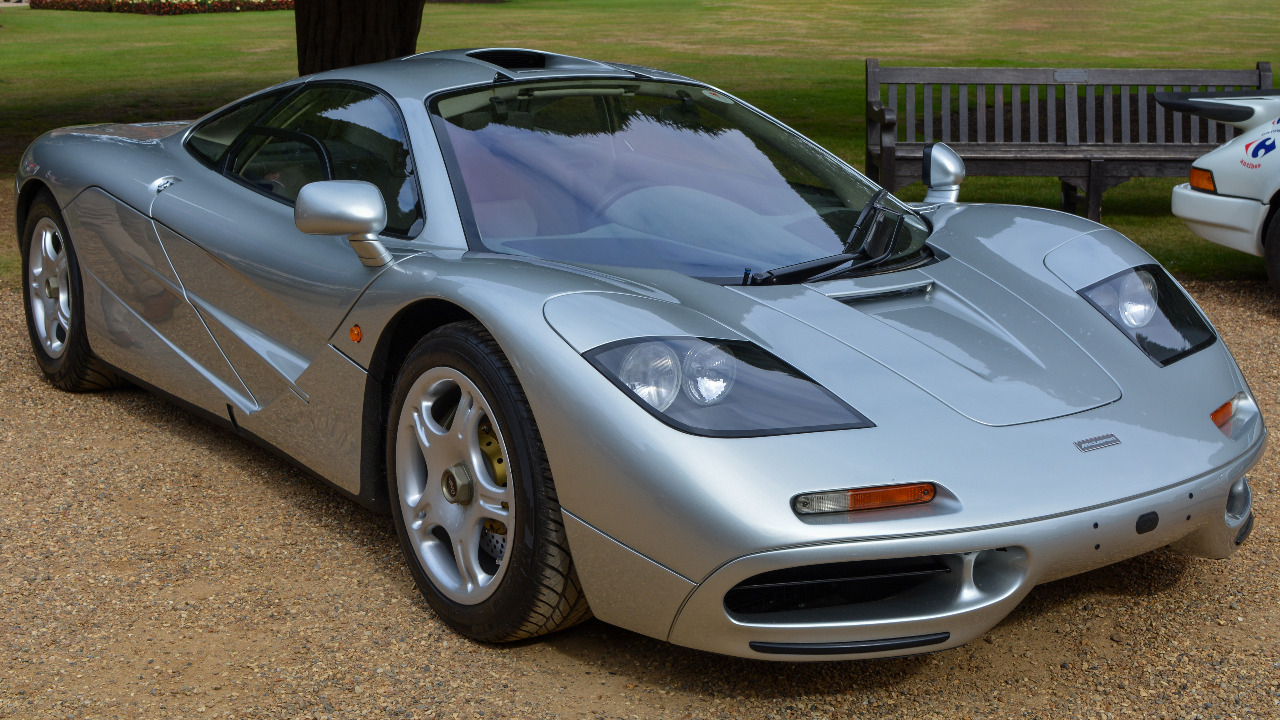
The McLaren F1 is often hailed as one of the greatest supercars ever made. Launched in 1992, it featured a BMW-sourced V12 engine and a unique three-seat layout with a central driving position. Despite its legendary status, production ended in 1998 after just 106 units were built.
The F1’s impact on the automotive world is undeniable, influencing a generation of supercars with its focus on performance and driver experience. Its legacy endures, with collectors and enthusiasts revering it as an icon of automotive excellence.
Like Fast Lane Only’s content? Be sure to follow us.
Here’s more from us:
- All New Trans Am: 10 Things You Need to Know
- The Fastest Farm Truck Ever Built
*Created with AI assistance and editor review.